























Tucked away in the soil of Sultanpur in Uttar Pradesh are countless untold stories from the freedom struggle, and one of them belongs to Baijnath Singh, whose handful of defiant lines unsettled British rule and earned him a punishment in return. It was the period of 1931-32, when the tide of revolution had risen sharply across the district and patriotic songs and poems were on everybody's lips. Here is the story of those very lines.
The no-rent movement that changed the mood
Sultanpur historian and author Rajeshwar Singh writes in his book 'Sultanpur Itihas Ki Jhalak' that the no-rent (lagan bandi) movement had a deep impact across the district in 1931-32. To rein in Congress activities, the British imposed Section 144 throughout the district. The workers, however, were in no mood to stop; they broke Section 144 and carried the movement forward. When Pandit Jawahar Lal Nehru arrived here on 9 September 1931 and urged farmers not to pay rent, the agitation found fresh direction.
Kisan Sabha and the boycott of foreign cloth
Senior journalist Vikram Brijendra Singh says that in 1931 Sultanpur saw two sessions of the Kisan Sabha, drawing thousands of farmers. Even before that, the burning and boycott of foreign cloth had breathed new life into the district's movement.
With the active support of Congress workers including Babu Sangamlal, Thakur Ramnaresh Singh, Anant Bahadur Singh, Ramharsh Singh, Chandrabali Pathak, Sundarlal Gupt, Devkali Deen Sharma, Vidyadhar Bajpayee and Mo. Najim, the movement only grew stronger. During the boycott of foreign cloth, Congress activists would picket outside shops.
The verses that became a mark of rebellion
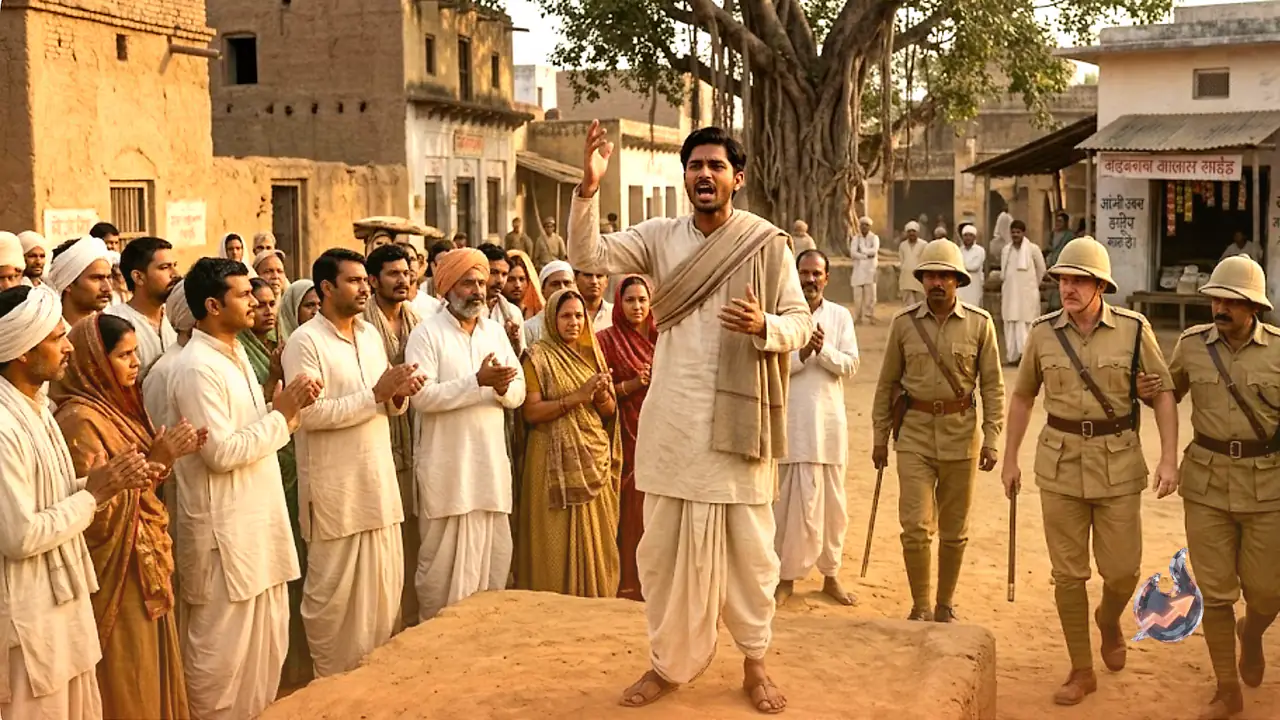
Baijnath Singh was a young agitator who relentlessly fought both the British and the feudal lords. He was a young man during the 1930s. The moment he sang his song, his name caught the eye of the British administration. His lines went, "Agar zalim hukumat ko hatana hi bagawat hai to main bhi ek baghi hoon, mera mazhab bagawat hai." For singing these very lines, British rule handed him a punishment.