

















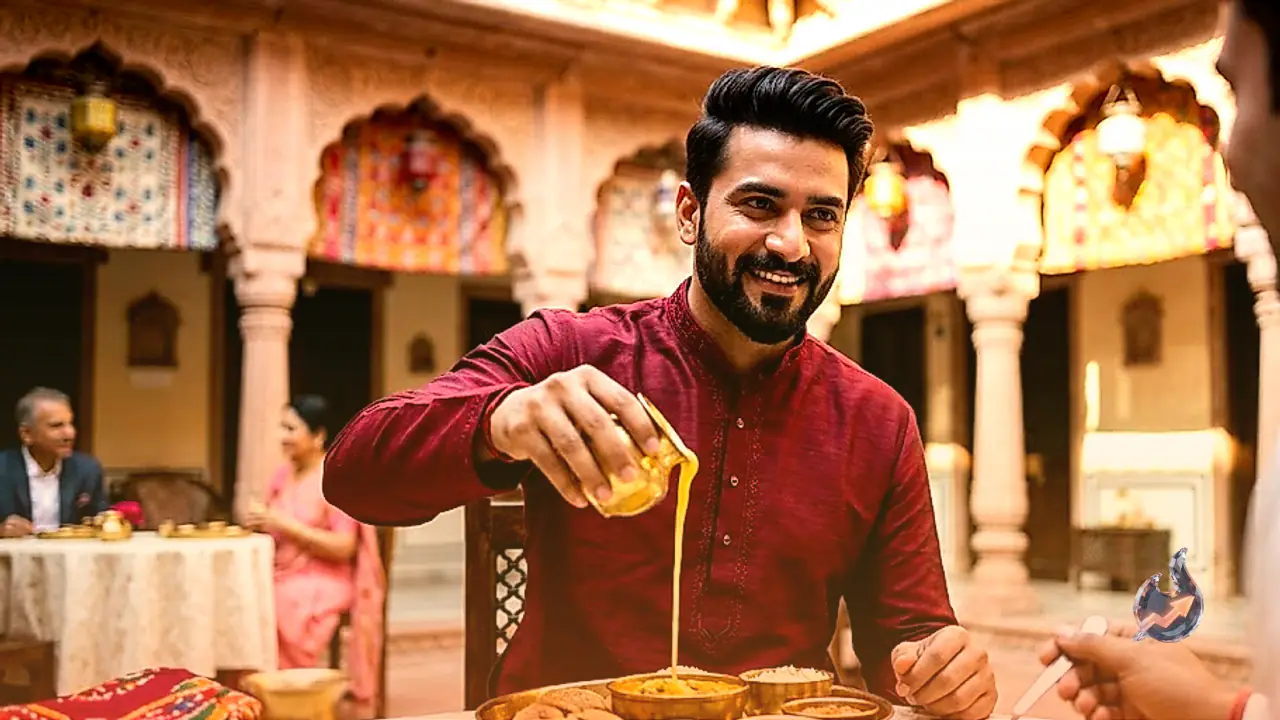

Rajasthan is globally celebrated not only for its majestic forts, grand havelis, and vibrant cultural heritage, but also for its deeply ingrained tradition of warm hospitality. Across the region, including areas like Nagaur, welcoming a guest involves serving traditional dishes accompanied by a generous pouring of pure clarified butter, locally known as desi ghee. Whether the platter consists of classic dal-bati, churma, millet bread known as bajre ki roti, or savory khichda, a meal is considered incomplete without a rich stream of ghee. Hosts often continue serving ghee until the guest politely holds up their hands to signal that they have had enough. This insistence and genuine affection form the core of the legendary Rajasthani custom known as manwar.
A Traditional Benchmark of Respect and Affection
A famous regional saying highlights the significance of this practice: "Ghee ri dhaar, mehmaan ro satkaar," which translates to the idea that the generosity with which ghee is poured reflects the level of respect offered to a guest. In rural households, placing a thick layer of pure ghee over piping hot rotis, bati, or churma for visiting relatives is seen as an unmistakable expression of family warmth and kinship. Traditionally, if a guest's plate appeared sparse in ghee, it was perceived as a shortcoming in hospitality, prompting hosts to ensure every plate was richly served.
Historical Origins Tied to Desert Life and Vitality
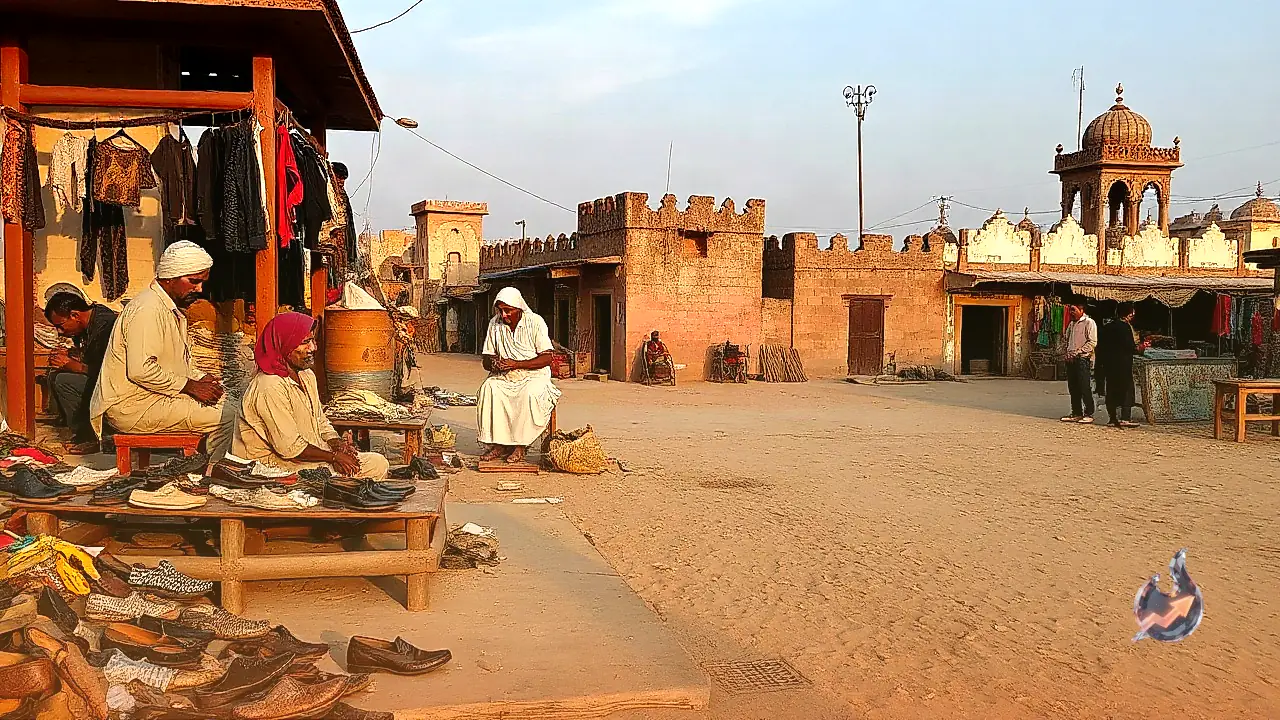
According to local elder Goru Ram, the practice of serving liberal helpings of ghee extends far beyond culinary taste, rooted in practical historical necessity. Rajasthan features vast arid and desert landscapes where inhabitants historically engaged in strenuous physical labor under harsh environmental conditions. In those times, ghee served as a concentrated source of energy and stamina. Combining ghee with nutrient-dense staples like bajra roti, dal-bati, and churma provided sustained endurance, keeping workers energized for long hours. Over generations, this dietary necessity seamlessly transformed into a cherished cultural virtue and a defining symbol of regional identity.
Cultural Celebrations and Distinctive Marwar Customs
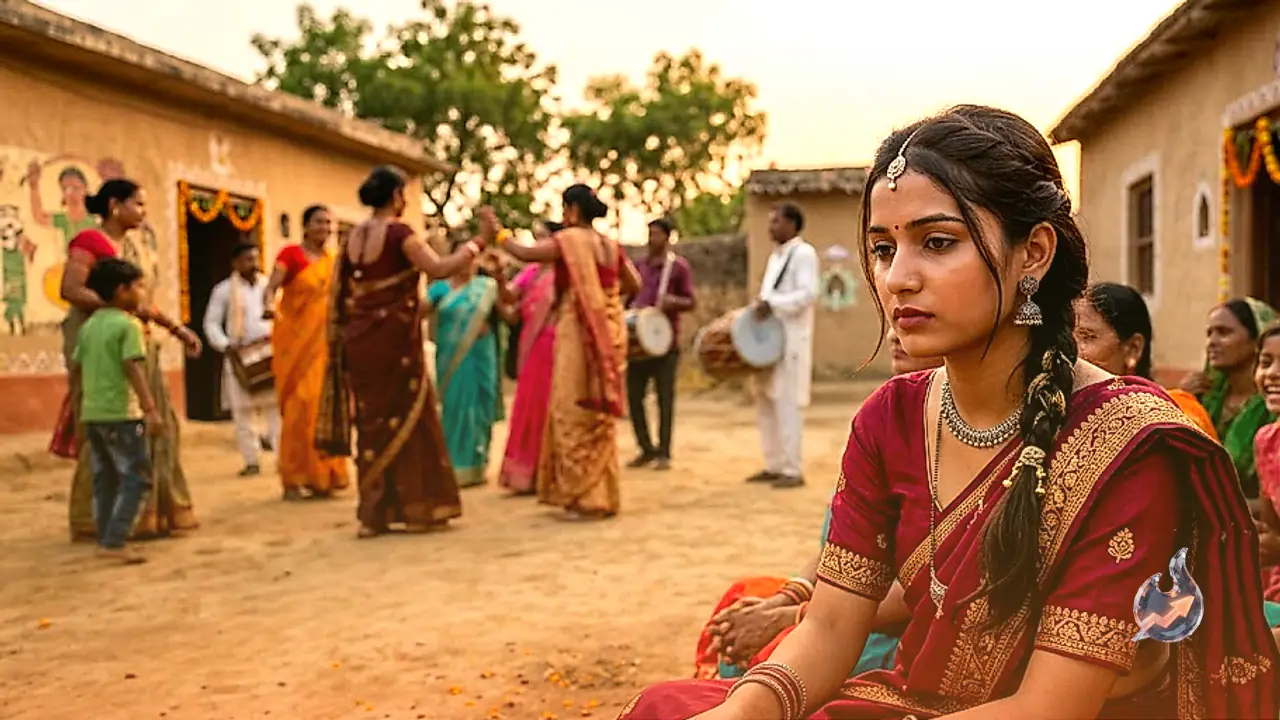
The ceremony of ghee manwar remains a centerpiece during weddings, family gatherings, religious functions, and festive occasions. From savory platters of dal-bati-churma to traditional sweets like moong dal halwa, ghevar, malpua, and lapsi, pure desi ghee is utilized to enhance flavor while honoring guests. In villages across the Marwar region, hosts maintain a tradition where they stand alongside seated guests, continuously pouring ghee onto their plates while warmly encouraging them to enjoy a wholesome feast.
Adaptation to Modern Health Awareness and Heritage Tourism
In contemporary times, dietary habits have evolved alongside growing health consciousness, leading many individuals to prefer moderate consumption of ghee. Nevertheless, the underlying spirit of Rajasthani manwar remains undiminished. Modern hosts now thoughtfully inquire about a guest's dietary preference before pouring ghee, preserving the traditional warmth while respecting individual choices. Furthermore, heritage hotels and popular tourist destinations across Rajasthan present authentic Rajasthani thalis with this customary manwar to international travelers, allowing visitors to experience genuine desert hospitality firsthand.