



















A traditional Gedi competition was recently held in Bilaspur to keep the ancient folk culture and heritage of Chhattisgarh alive and thriving. Organised by the Chhattisgarh Kranti Seva at the Pandit Lal Bahadur Shastri School ground, the event witnessed enthusiastic participation from locals of all ages. The sights of Sawan greenery, waterlogged fields, and muddy rural paths used to resonate with the rhythmic clicking sound of Gedi in the past. Although modern lifestyles have altered daily routines and gradually pushed this tradition to the background, such initiatives are successfully bringing it back into the spotlight. Participants demonstrated remarkable balance and speed on Gedi, proving that it is far more than a mere sport, serving instead as a profound reflection of rural life and its deep harmony with nature.
Structure and Mechanics of Gedi
Traditionally, Gedi is a tall wooden ride crafted primarily from bamboo poles. It is constructed by taking two sturdy and long bamboo sticks, with secure footrests built near their lower ends at matching heights. An individual places both feet on these footrests and grips the bamboo poles tightly with their hands, maintaining physical balance while moving forward. With consistent practice and proper training, walking swiftly and even running on Gedi becomes entirely possible, a skill that rural generations have passed down for ages.
Historical Utility Against Mud and Monsoon Hazards
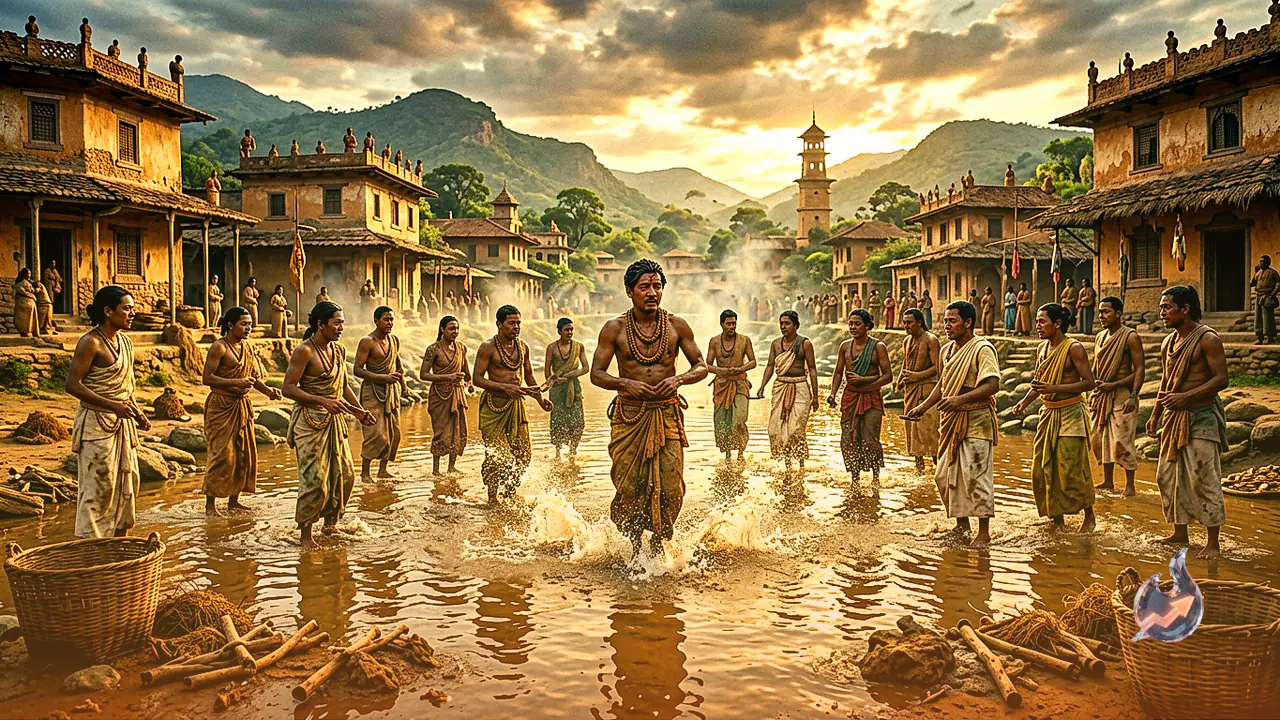
Looking back into history, Gedi was never designed merely as a source of entertainment; rather, it was closely tied to the practical survival needs of rural life. During the monsoon months of Sawan, heavy rains would submerge fields, paths, and streams, leaving the ground covered in thick mud. In such conditions, people used Gedi to travel at a significant height above the ground, preventing their feet from sinking directly into sludge and water. Furthermore, rural areas often saw the emergence of venomous creatures like snakes and scorpions during rainy weather, making Gedi an effective traditional safety method to stay elevated above hazardous pests. Crossing waterlogged agricultural fields while mounted on Gedi also helped individuals gauge the depth of the water accurately from above.
Monsoon Festivities and Folk Traditions
In Chhattisgarh, Sawan is viewed as much more than just a season of rain and greenery, representing a vibrant period of folk traditions and community celebrations. It was specifically during this time of year that village children and youths engaged in making Gedis and competing in balance and racing tests. What started as simple childhood entertainment quickly transformed into collective village celebrations. Today, as modern amenities have replaced old rural lifestyles, traditional practices like Gedi are seen far less frequently, prompting cultural organisers to revive them through organized competitions and public events.
Involving the Younger Generation in Cultural Preservation
Highlighting the significance of this heritage, Chhattisgarh Kranti Seva Women State President Lata Rathore shared that Chhattisgarh holds a distinct tradition of riding Gedi. As soon as Sawan arrives, greenery engulfs the surroundings, turning pathways and farmlands into muddy trails where bamboo Gedis traditionally served as an essential mode of mobility combining utility with recreation. Echoing similar thoughts, Thakur Shailu Chhattisgarhiya noted that many indigenous cultures and traditions are steadily fading away, making continuous events like Gedi competitions vital. When communities step forward to preserve their own cultural roots, the legacy successfully reaches future generations.
Gedi as a Medium to Save Local Heritage
The Gedi competition at the Pandit Lal Bahadur Shastri School ground in Bilaspur successfully reconnected people with an old regional tradition that contemporary youth often only encounter through photographs or stories. The energy and balance displayed by participants on the Gedi grounds were truly remarkable. The core message of the event resonated clearly: culture is not just history confined to books, but an active lifestyle and responsibility that must be passed onward. The tradition of Gedi remains a unique identity of rural life in Chhattisgarh, beautifully capturing the greenery of Sawan, the practical demands of village survival, ecological balance, and festive joy all at once.