




















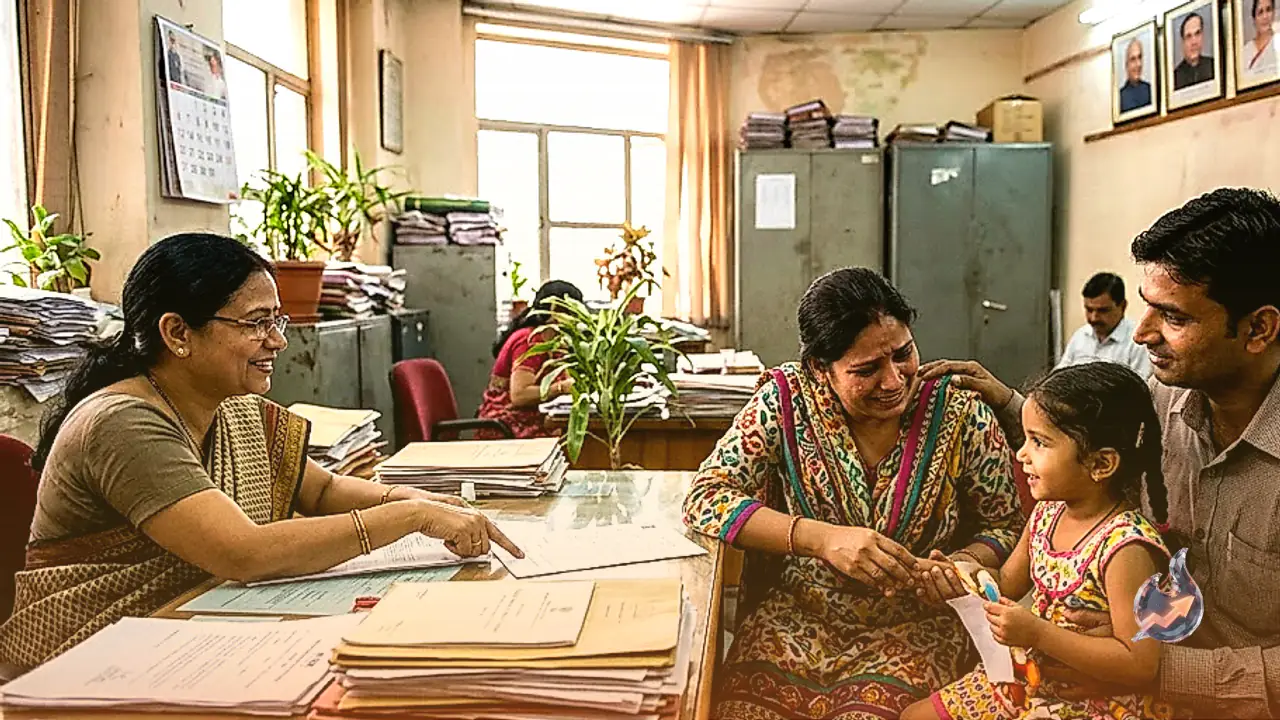

Social attitudes regarding parenthood and family building are undergoing a meaningful transformation, moving away from age-old preferences that historically prioritized sons to carry forward a lineage. A striking reflection of this progressive shift has emerged from the national capital, where prospective parents over the past eleven years have shown a marked preference for welcoming daughters into their homes through legal adoption. Official figures compiled by the Department of Women and Child Development reveal that between 2015-16 and 2025-26, the number of adopted girls exceeded adopted boys by approximately 24 percent in Delhi. During this eleven-year period, more than 1,000 girls were placed with new families, compared to roughly 760 boys who found permanent homes.
Fluctuations and Recovery Across an Eleven-Year Timeline
A closer review of adoption data across these eleven years illustrates a fluctuating trajectory shaped by systemic and external circumstances. The year 2015-16 marked the highest peak for legal adoptions in the capital, during which a record total of 178 children were successfully placed with adoptive parents. Following that benchmark year, adoption numbers experienced a gradual decline and uneven shifts. The disruptions brought about by the coronavirus pandemic alongside procedural and administrative modifications caused adoption figures to drop sharply to just 87 in 2021-22.
As conditions gradually stabilized in subsequent years, families once again stepped forward to navigate the adoption process. In 2026, a total of 71 children were legally placed with families between January and September. According to the breakdown shared by the Department of Women and Child Development, monthly placements varied considerably throughout 2026. April recorded the highest activity with 14 children finding homes, whereas August saw the lowest number with only 2 children placed during the entire month.
Ray of Hope for Children Requiring Special Care
Perhaps the most heartwarming development within these long-term trends occurred in 2025-26, challenging traditional hesitation surrounding special-needs adoptions. In conventional circumstances, prospective parents seeking to adopt routinely prioritize children with clean health records and no physical or mental developmental hurdles. Because raising children with medical conditions or disabilities demands substantial emotional and financial commitment, adoption rates for such children historically remained close to zero.
That pattern shifted noticeably during 2025-26, when several empathetic families came forward to adopt approximately six special-needs children who were facing physical or developmental challenges. This breakthrough was made possible through dedicated interventions by the Department of Women and Child Development, encompassing specialized counseling sessions for prospective parents and skill development orientations. Out of these six special children, 2 were adopted by families residing within India, while 4 were embraced by families living overseas.
Four Age Brackets Defined Under the Juvenile Justice Framework
Every legal adoption in the country is strictly governed by the provisions of the Juvenile Justice (Care and Protection of Children) Act and its corresponding statutory regulations. To ensure clarity and help applicants make informed choices that fit their domestic arrangements, the legal system organizes adoptable children into four designated age brackets.
The first tier covers infants and toddlers aged up to 2 years. The second category includes young children between 2 and 4 years of age. The third category encompasses children aged between 4 and 8 years, while the fourth bracket accommodates older children and adolescents between 8 and 18 years. Each placement proceeds through rigorous background verifications, home evaluations, and legal approvals to safeguard the long-term welfare of every child.