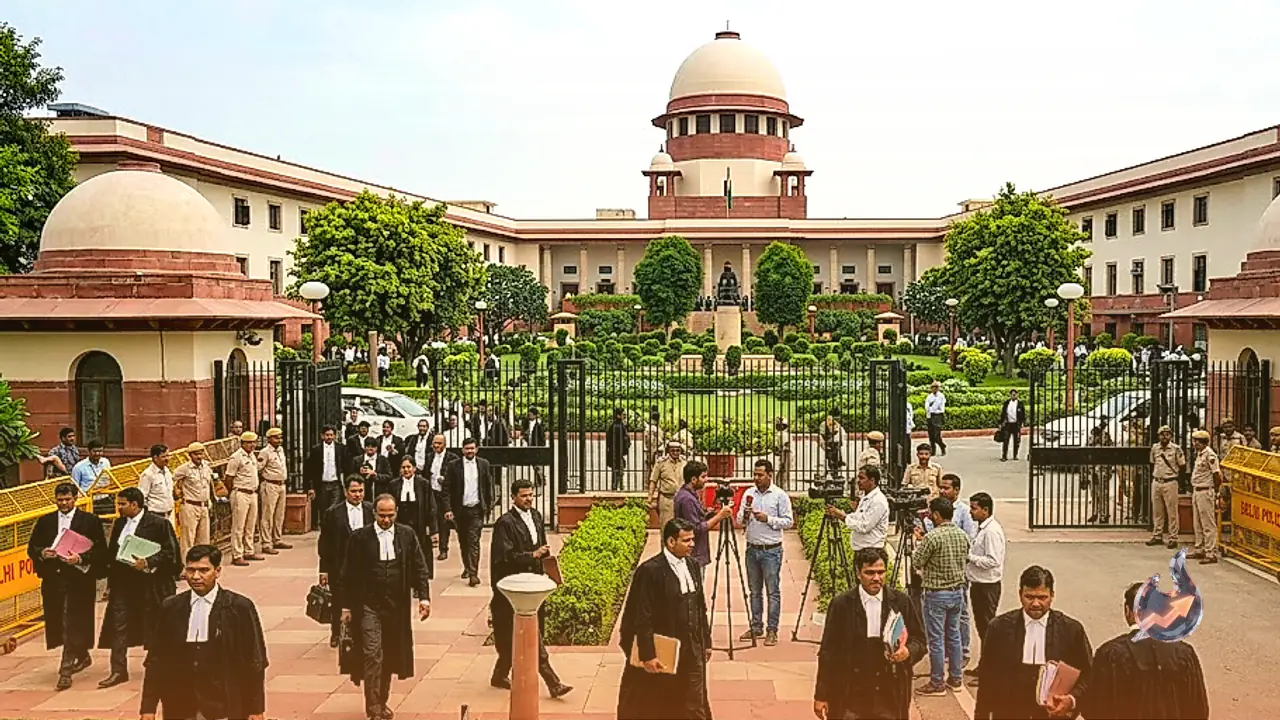


















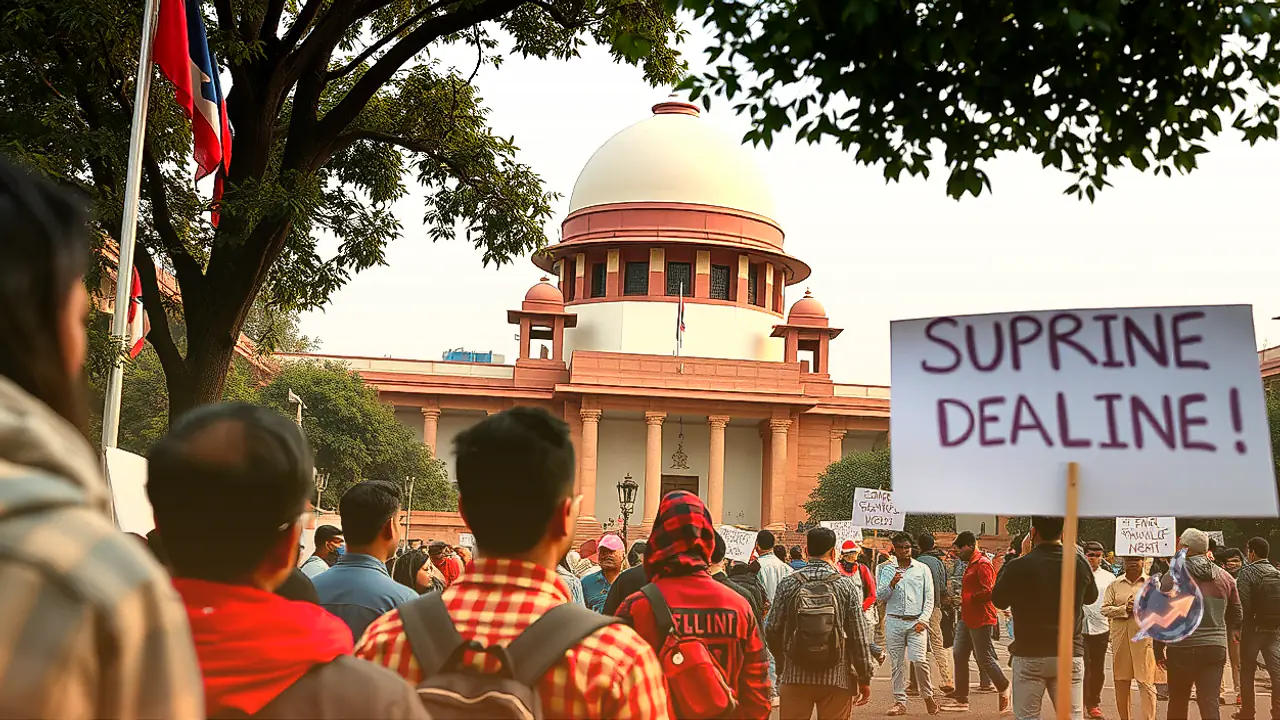

Taking a serious view of persistent bureaucratic sluggishness in executing basic pedestrian and traffic infrastructure upgrades, the Supreme Court delivered an unusually stern rebuke to government authorities. The matter concerns the road crossing right outside the Delhi High Court, where critical design and road safety improvements have languished without resolution. During the proceedings, a two-judge bench warned Additional Solicitor General Vikramjit Banerjee in unequivocal terms that unless the designated work is completed within the allocated timeframe, both judges would personally stage a protest outside the main gate of the High Court, refusing to let anyone leave. The top court fixed November 25, 2026, as the strict deadline to finish the ground-level work.
Rejection of Bureaucratic Committees and Endless Files
The issue concerning pedestrian safety, engineering design, and traffic flow in front of the Delhi High Court has been pending for an extended period. When the matter came up for hearing, Additional Solicitor General Vikramjit Banerjee informed the bench that a committee had been constituted and was examining the project. This justification drew sharp indignation from the judges, who immediately questioned why basic street engineering required a bureaucratic committee at all. The bench asked pointedly whether the administration was unable to find competent engineers, observing that minor physical improvements should never become trapped in bureaucratic file-shuffling when citizen safety is at stake.
An Unusual Warning and Clear Accountability
Demonstrating zero tolerance for further delays, the two judges noted that if the administration fails to complete the construction, both of them would personally arrive at the main gate of the Delhi High Court and stage a sit-in until the work is finished. The bench made it clear that they would also ensure the Additional Solicitor General remains with them rather than going home. The sharp rebuke was intended to eliminate excuses and force municipal and administrative agencies to execute engineering solutions without hiding behind high-level panels.
Role Assigned to Amicus Curiae and Chief Secretary Warning
To cut through bureaucratic delays, the Supreme Court directed authorities to involve amicus curiae Gaurav Agrawal in the exercise. The amicus curiae will visit the location personally to inspect the spot and identify the precise bottlenecks and deficiencies on the ground. Emphasizing that no further excuses or references to high-level panels would be entertained, the court insisted on full completion before November 25. The bench issued a firm caution that if the deadline is missed, the Chief Secretary of Delhi will be summoned to stand in the court dock alongside the Additional Solicitor General at the next hearing.
Pedestrian Vulnerability and Urgent Ground Execution
The vicinity surrounding the Delhi High Court has long suffered from unsafe road crossings, inadequate pedestrian infrastructure, and persistent vehicular congestion. Through these sharp observations, the judiciary has sent an unmistakable message that procedural indifference toward public safety will face direct institutional accountability. The focus now turns entirely to whether municipal engineers and administrative bodies can deliver concrete infrastructural upgrades on the ground before the November 25 deadline arrives.