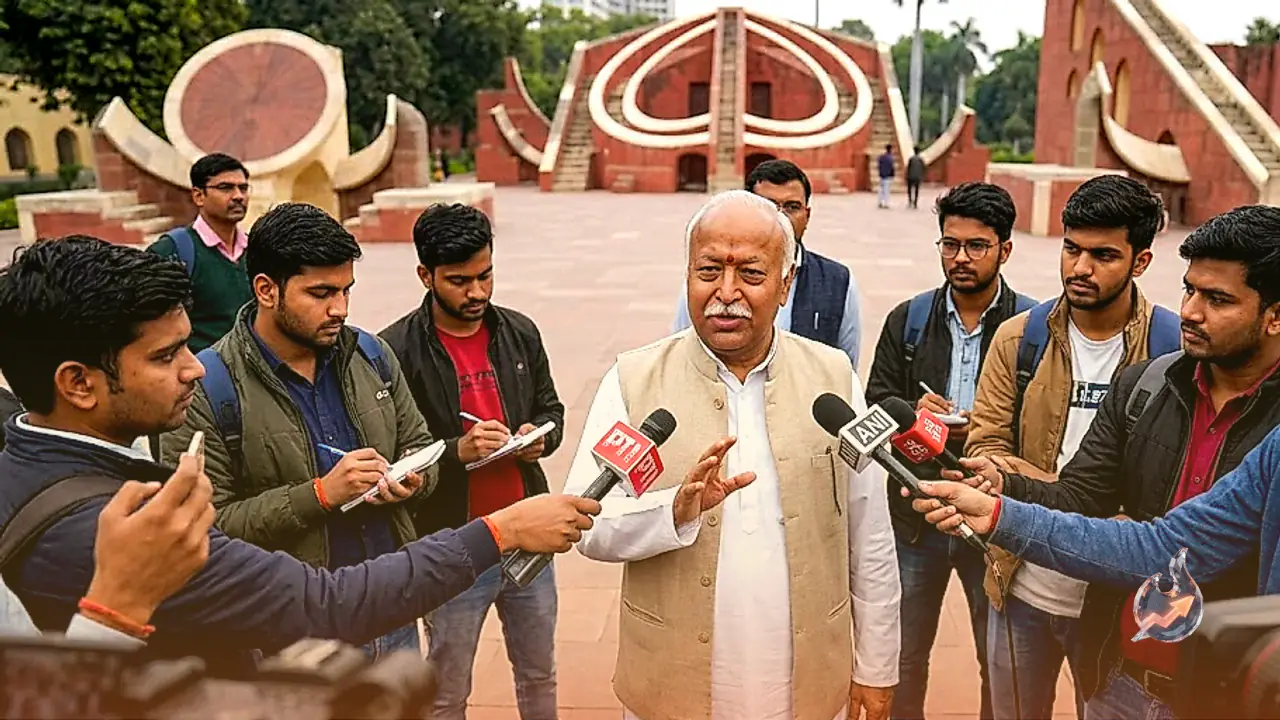


















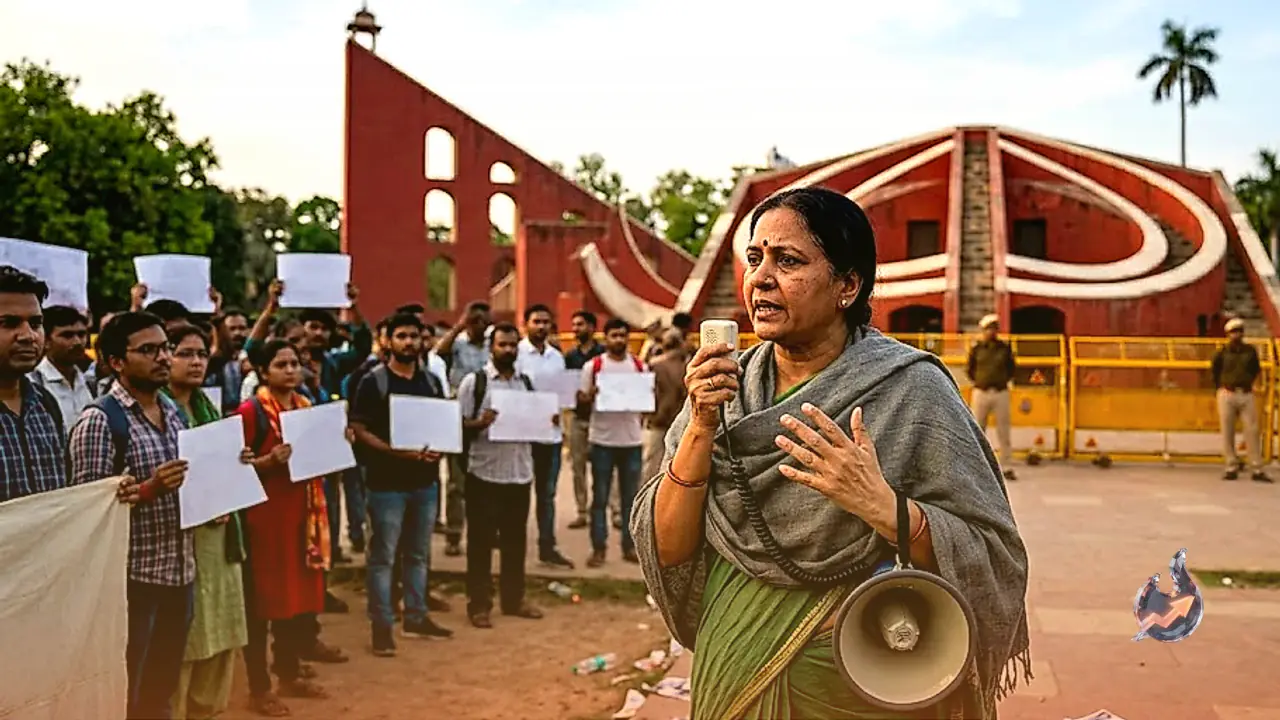

The Delhi High Court has taken a strict stance on frequent public demonstrations causing widespread disruption in the national capital. During a hearing on petitions addressing protests at Jantar Mantar, the court directly questioned the Union Government on why the site should not be closed down entirely if continuous rallies keep disturbing everyday life in Delhi.
High Court Observations and Petition Background
Multiple petitions have been filed in both the Delhi High Court and the Supreme Court seeking regulation of continuous demonstrations at Jantar Mantar. During proceedings, the bench observed that repeated blockades severely hamper movement for residents and working professionals in the capital. The court emphasized that public convenience and freedom of movement must not be compromised.
Impact on Commuters and Public Transport Disruptions
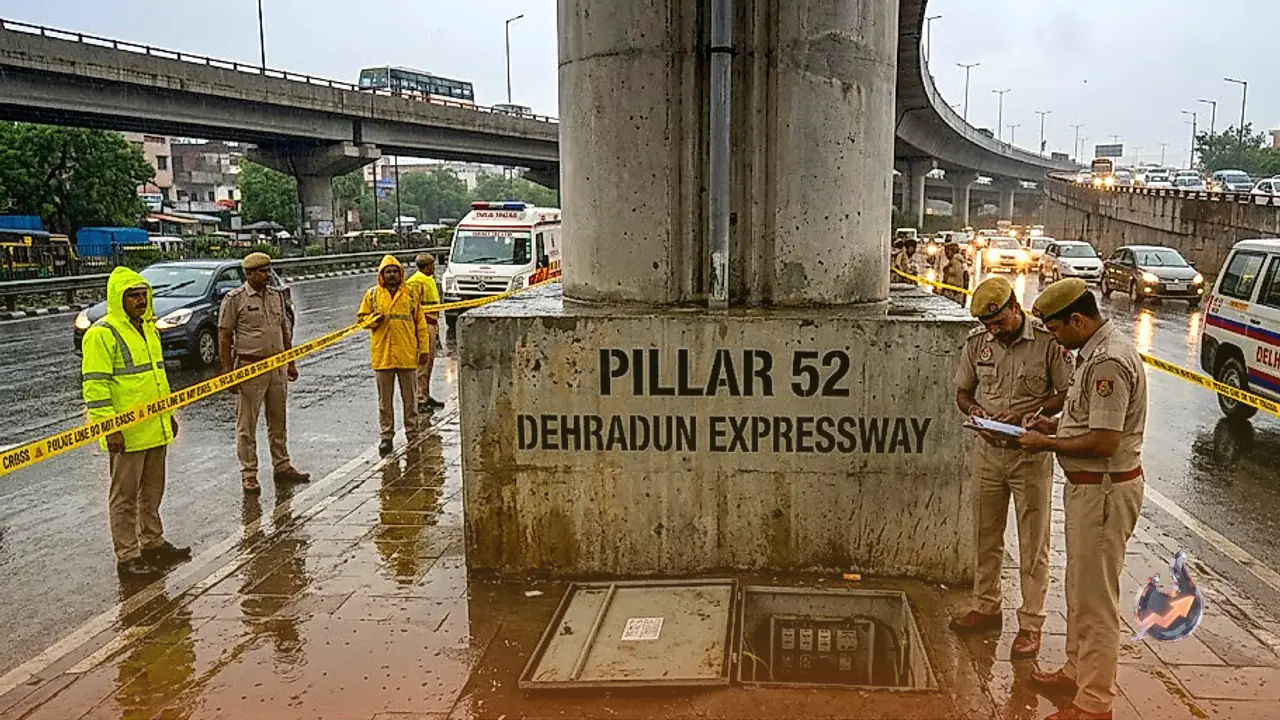
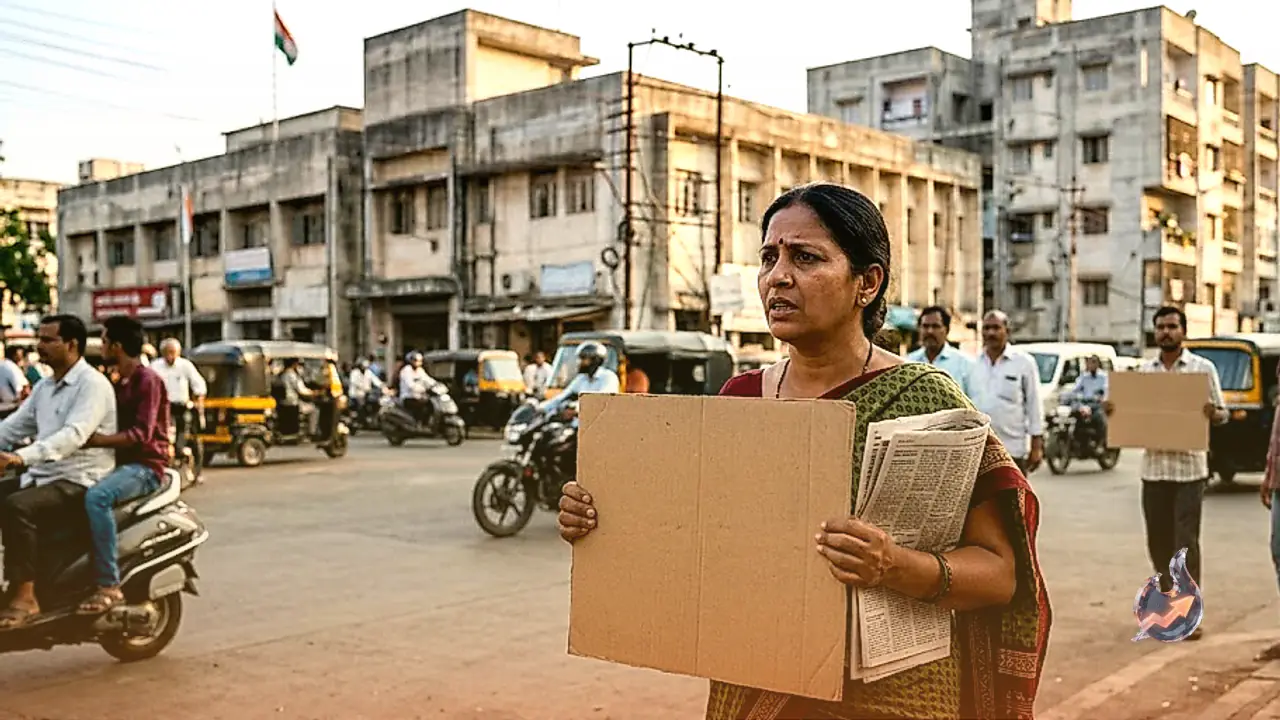
Demonstrations stretching across Jantar Mantar, Tolstoy Marg, and Parliament Street have led to frequent traffic gridlocks. On 24 July 2026, safety measures forced the temporary closure of nearby Delhi Metro stations, leaving daily commuters stranded. Passengers reported that auto-rickshaw operators took advantage of the situation by charging up to four times the standard fares.
Protest Demands, Political Reactions, and Police Clarifications
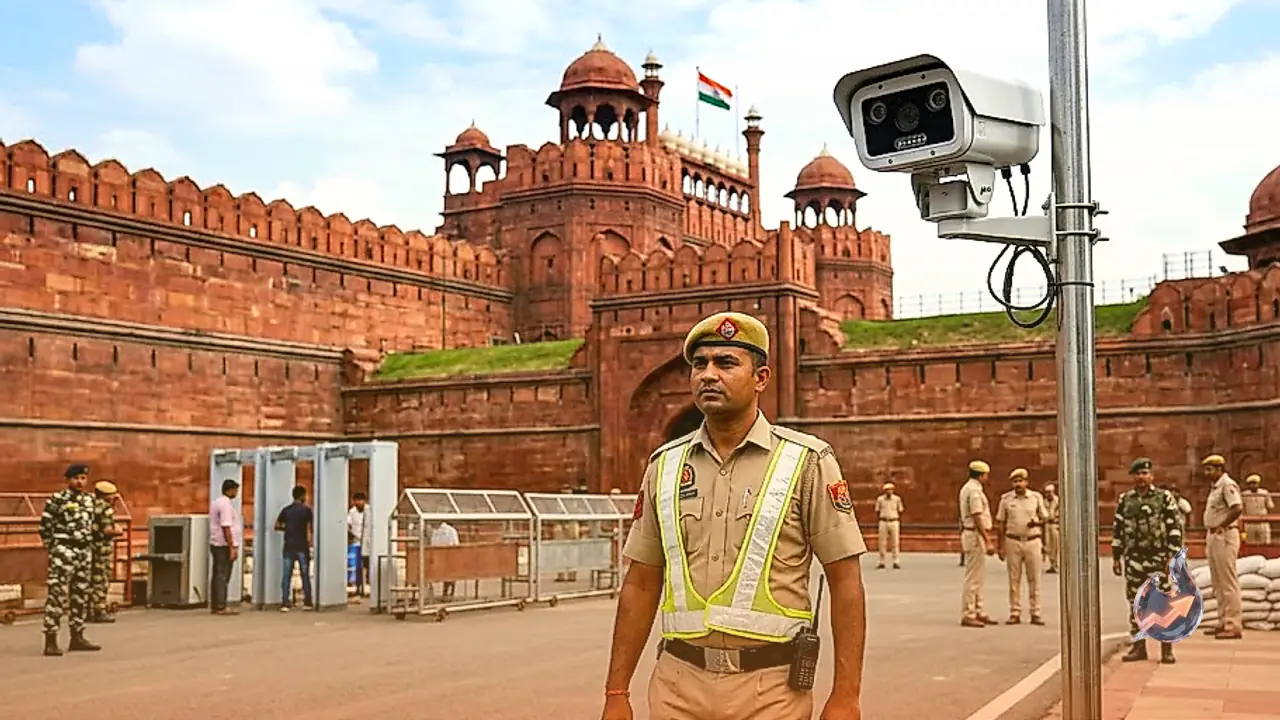
The site has witnessed rallies by student bodies and youth groups pressing various demands, including the resignation of Union Minister Dharmendra Pradhan and issues raised by activist Sonam Wangchuk. On 22 July 2026, Arvind Kejriwal raised concerns about potential late-night police action against protesting youth. Addressing widespread rumors on 30 July 2026, Delhi Police clarified that Jantar Mantar had not been shut down for public assemblies. Separately, demonstrator Ruchika Singh issued an apology on 02 August 2026 for using objectionable language, clarifying that her statement was made voluntarily.