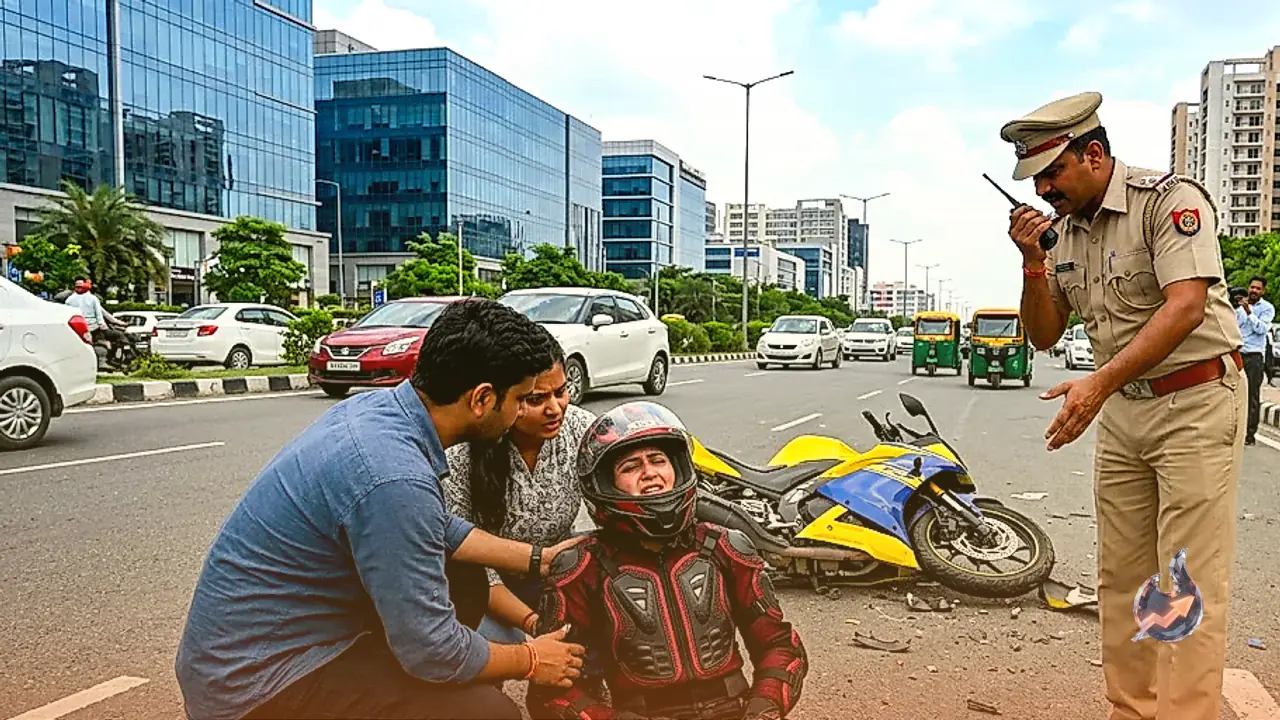



















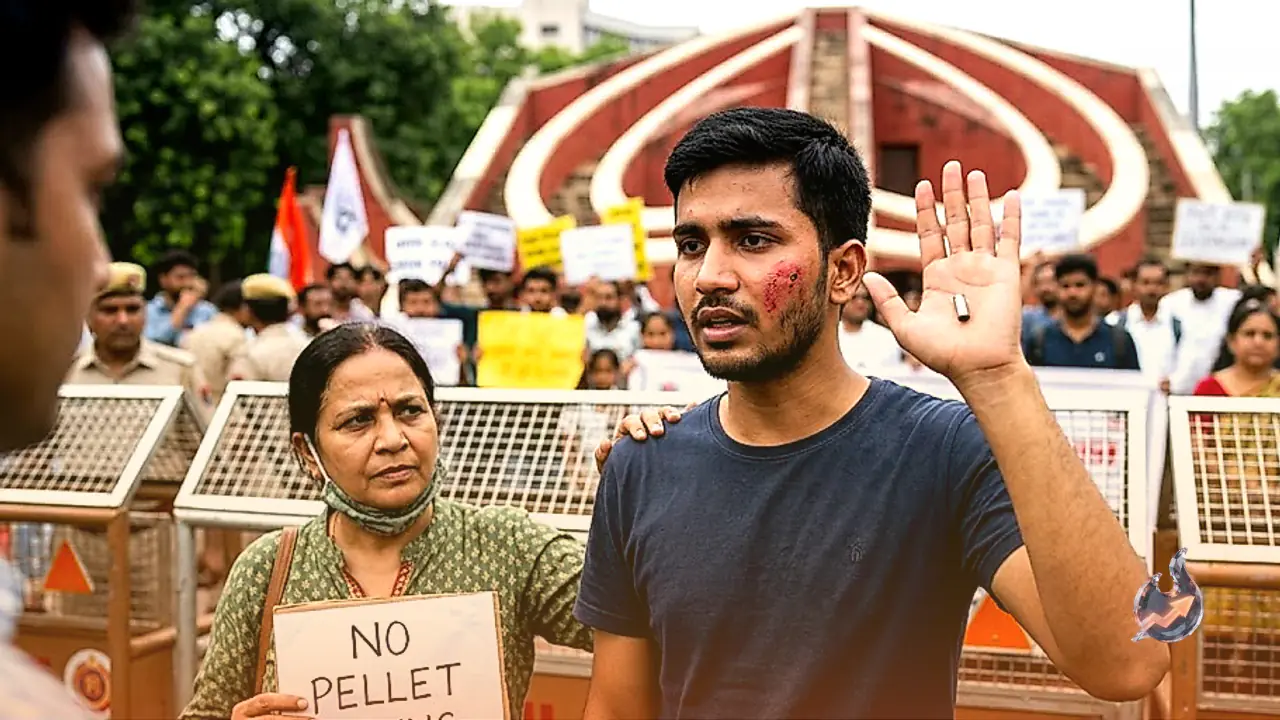

The alleged use of pellet guns during a demonstration at Jantar Mantar in Delhi on July 20 has escalated to the Supreme Court. Taking note of a public interest petition, the apex court has issued a formal notice to the Central Government, seeking clarity on the Standard Operating Procedure (SOP) governing the deployment of pellet guns for crowd management by law enforcement agencies.
Petitioners and Relief Sought in the Supreme Court
The legal action has been initiated jointly by retired Intelligence Bureau Special Director Yashovardhan Azad and two individuals who sustained injuries from pellet guns during the July 20 protest at Jantar Mantar. The petitioners have urged the Supreme Court to order a complete ban and decommissioning of pellet guns by security agencies responsible for maintaining public order.
In addition to seeking a policy ban, the petition highlights the immediate plight of those affected by police action during the Jantar Mantar event. It demands comprehensive medical treatment and monetary compensation for all victims who suffered injuries from pellets on July 20. The plea contends that resorting to pellet guns to disperse a peaceful crowd is inherently unreasonable, unconstitutional, and fails to meet the test of legal rationality.
Court Guidelines on SOP and Revision of Prayer
During the hearing, the Supreme Court asked the petitioners to modify their prayer regarding the absolute prohibition of pellet guns. Simultaneously, the court called upon the Central Government to present detailed guidelines outlining when and how pellet guns are permitted to be used, including the specific SOP followed by security forces in handling crowd situations.
Broader Legal Context and Student Protests
This judicial scrutiny over crowd control methods comes alongside recent Supreme Court observations regarding public demonstrations and law enforcement conduct. In a prior decision concerning student agitation over the NEET examinations, the Supreme Court had ordered the immediate release of all students detained or arrested during those protests, underscoring the balance between public order and constitutional freedoms.