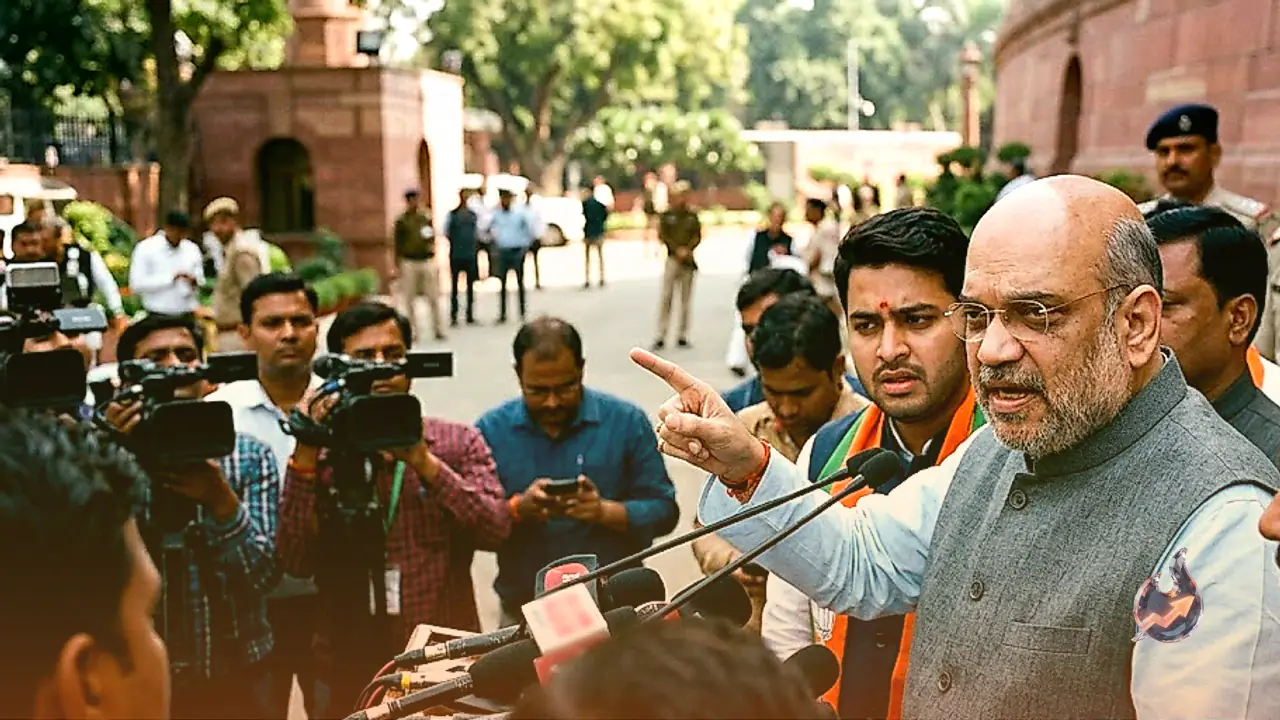




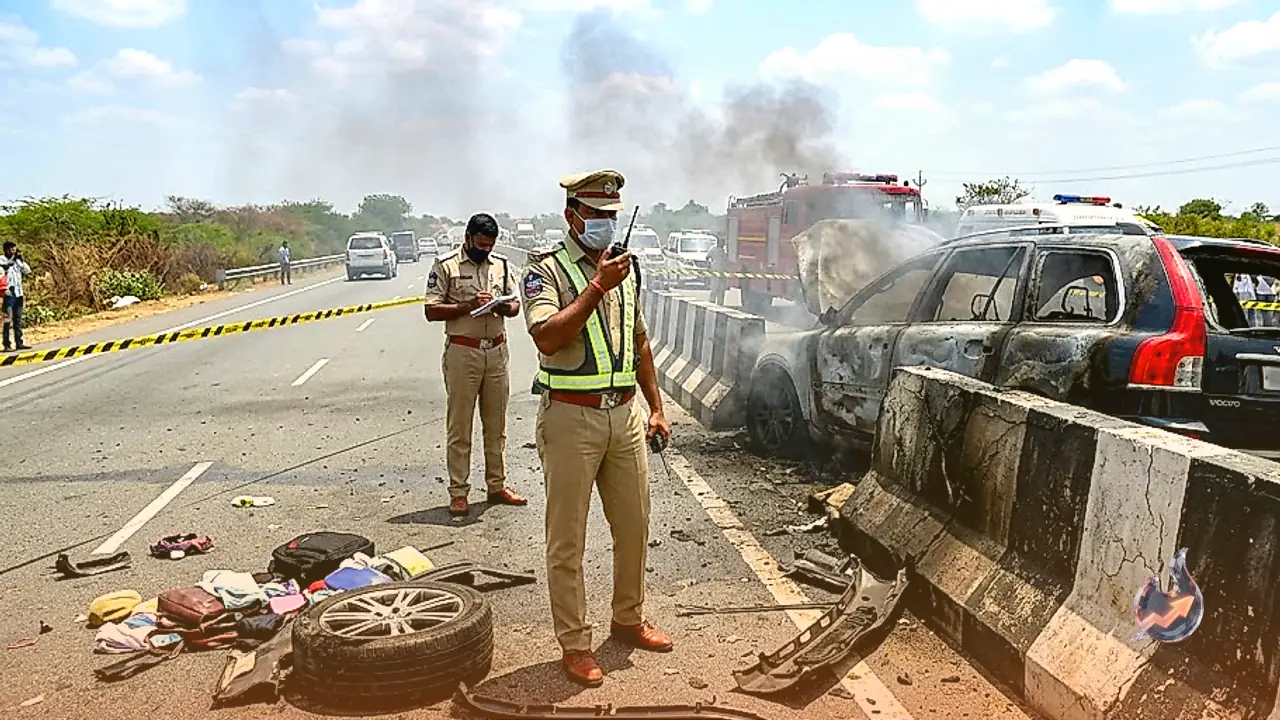















With merely nine days remaining before India broke free from colonial rule on August 15 1947 the nation stood on the threshold of historic liberation alongside the devastating horror of Partition violence. As communal riots raged across Punjab Bengal and border provinces millions of displaced citizens were forced to abandon their ancestral homes under dire circumstances. Against this intense historical backdrop August 6 1947 emerged as a momentous day reflecting the distinct actions and profound anxieties of three principal architects of modern India Mahatma Gandhi Pandit Jawaharlal Nehru and Dr. B.R. Ambedkar. While Mahatma Gandhi reached riot-torn Lahore and voiced sharp disapproval upon learning about modifications to the new national flag design Pandit Jawaharlal Nehru was at his Delhi residence drafting a firm refusal to Lord Mountbatten regarding the ceremonial display of the British flag. Concurrently in Mumbai Dr. B.R. Ambedkar monitored distressing news of widespread violence deeply concerned about the long-term societal fallout of Partition.
Communal Riots in Lahore and Gandhi's Peace Mission
Following the formal announcement of Partition the province of Punjab turned into a major epicenter of severe communal violence. Lahore historically renowned as a vibrant cultural center fostering shared traditions among Hindu Sikh and Muslim communities was engulfed in widespread arson and destruction. Contemporary demographic estimates indicated that Hindus and Sikhs comprised nearly 40 percent of Lahore's urban population. However relentless violence and growing insecurity triggered a massive exodus of residents seeking safety. On the morning of August 6 1947 Mahatma Gandhi departed Wagah Cantt for Lahore after inspecting riot-affected localities in Rawalpindi. His convoy reached Lahore at around 1:30 PM where local organizers arranged his stay in a Hindu-majority neighborhood.
The journey through the city deeply grieved Mahatma Gandhi as he witnessed gutted residential properties burnt shopfronts and completely destroyed commercial marketplaces. Multiple places of worship had sustained serious structural damage including a prominent temple whose main entrance gate had been ripped off and thrown into the street. Distressed by these grim sights Gandhi took minimal sustenance and a brief rest before convening meetings with local community leaders and Congress volunteers. His immediate priority was to halt the spiraling violence restore calm and rebuild mutual trust among terrorized citizens.
Objections Surrounding the New National Flag Design
During his stay in Lahore associates informed Mahatma Gandhi that the final design of independent India's national flag had been approved by the Constituent Assembly. He was briefed that the traditional spinning wheel or Charkha at the center had been replaced by the Ashok Chakra representing Emperor Ashoka's wheel of law. Learning of this alteration Gandhi expressed profound disappointment and anger. In conversations with an associate he remarked that while Emperor Ashoka eventually embraced Buddhism and advocated non-violence his earlier reign was characterized by military conquest and bloodshed. Incorporating the emblem of such a ruler on the national symbol appeared ethically inconsistent to him.
For Gandhi the Charkha was not merely a tool for spinning yarn but the supreme symbol of Swadeshi self-reliance and the freedom struggle itself. He maintained that the spinning wheel ought to remain the core element of the national flag. Asserting his firm conviction Mahatma Gandhi stated, "If the national flag does not feature the charkha at its center, I will never salute this flag." He emphasized that having personally conceptualized the original flag design he could not envisage a national emblem devoid of the spinning wheel. Nonetheless the Constituent Assembly formally adopted the Tricolor featuring the Ashok Chakra as the official national flag of India which continues to serve as the national emblem today. Following the meeting Gandhi instructed his aides to draft an official statement for press publication.
Nehru's Resolute Reply to Lord Mountbatten's Proposal
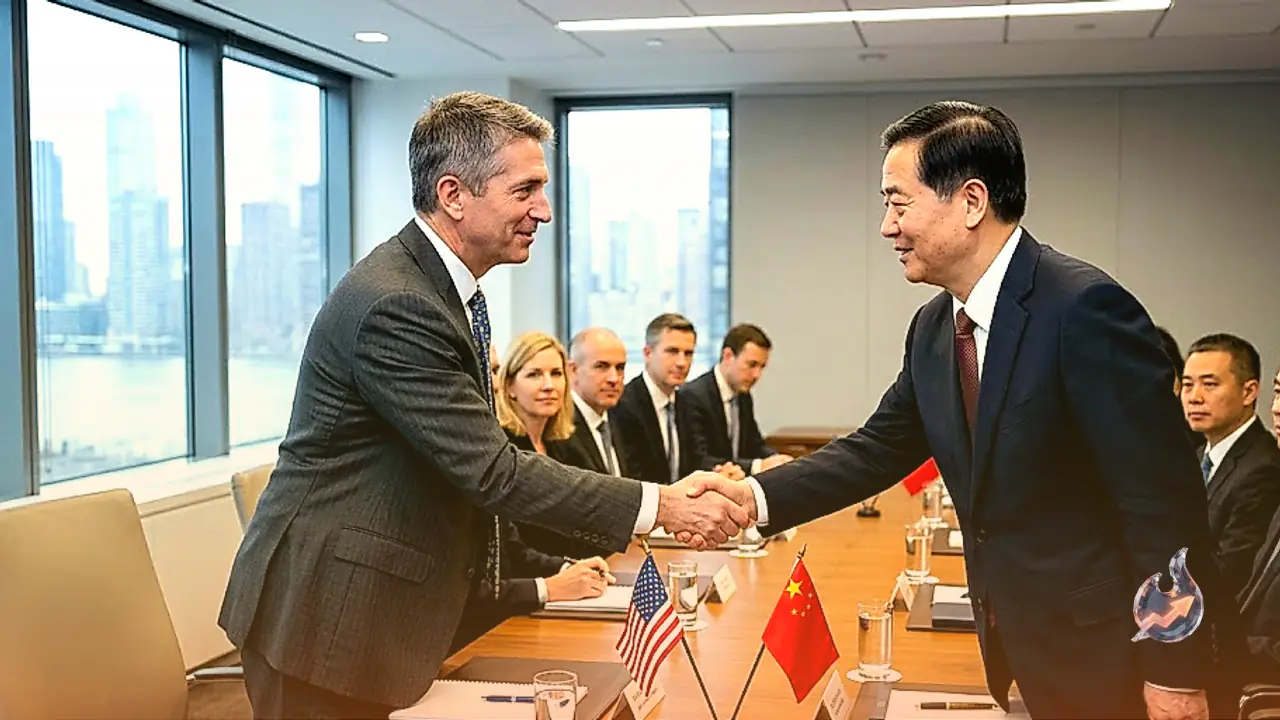
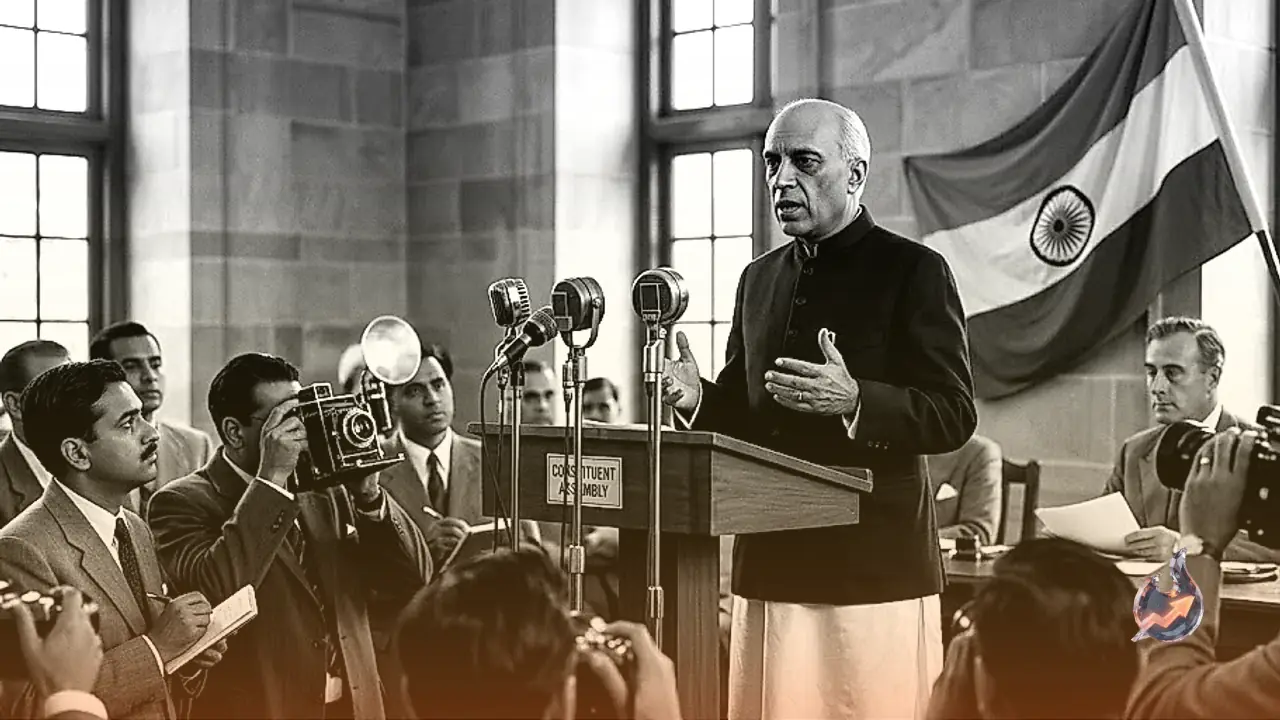
While Gandhi worked to restore peace in Lahore Pandit Jawaharlal Nehru was at his 17 York Road residence in Delhi on August 6 1947 preparing a detailed response to a letter from Lord Mountbatten. The British Viceroy had proposed that on specific ceremonial occasions the British national flag the Union Jack should be flown alongside the Indian Tricolor on Indian government buildings to symbolize ongoing bilateral ties. Mountbatten's suggestion featured nine designated annual dates including World War I Remembrance Day Commonwealth observances and key military anniversaries.
Nehru unequivocally rejected the idea of hoisting the British flag on public buildings within India. In his written reply Nehru specified that if the proposed list implied flying the Union Jack alongside the Indian national flag on government edifices in India he held strong objections. He firmly asserted that on August 15 Independence Day no public building in India should display the Union Jack as only the Indian national flag ought to fly on that momentous occasion. However as a matter of diplomatic protocol Nehru noted he had no objection if the Union Jack were displayed at India House in London on that day.
Ambedkar's Deep Unease Over Partition Escalation
On that same historic date of August 6 1947 Dr. B.R. Ambedkar spent his day receiving delegations and visitors at his residence in Mumbai. Although a continuous stream of visitors met him throughout the day troubling reports of widespread communal clashes and casualties arriving from various regions caused him immense distress. Actively engaged in drafting the national constitution Dr. Ambedkar was acutely concerned about the immediate humanitarian crisis and long-term socio-political instability resulting from Partition recognizing that the division of territories posed severe challenges to millions of displaced citizens.