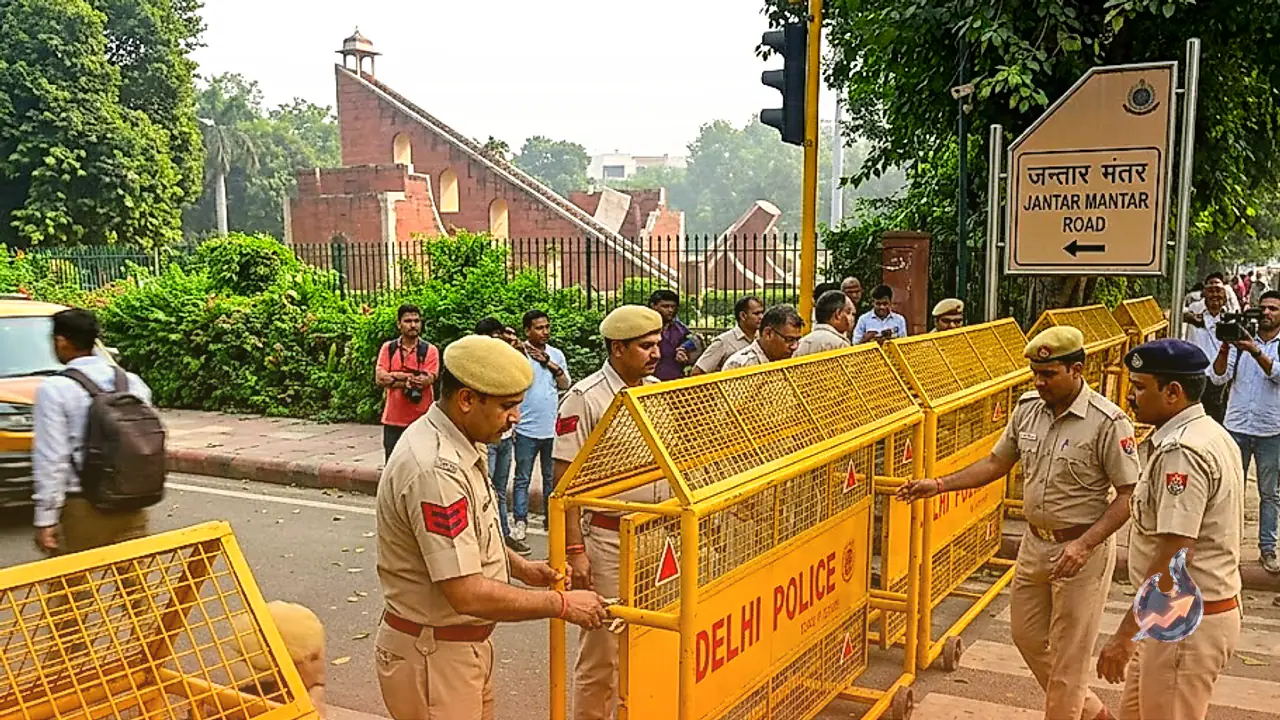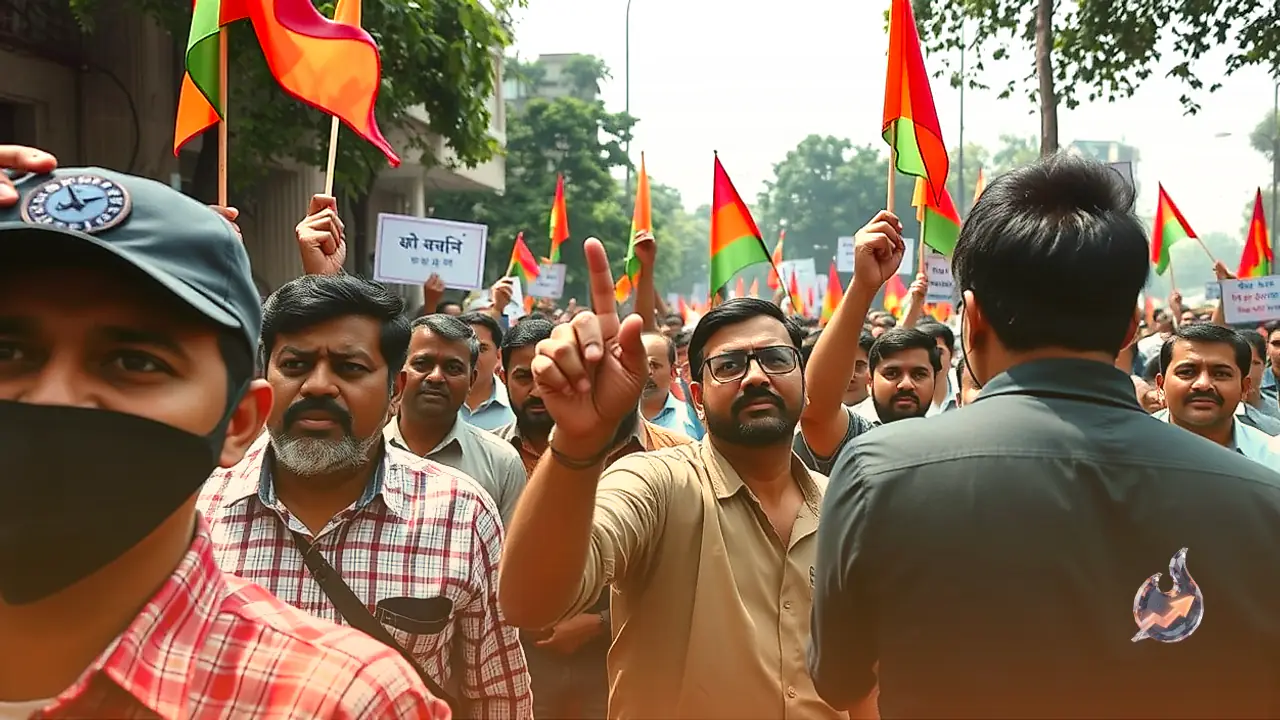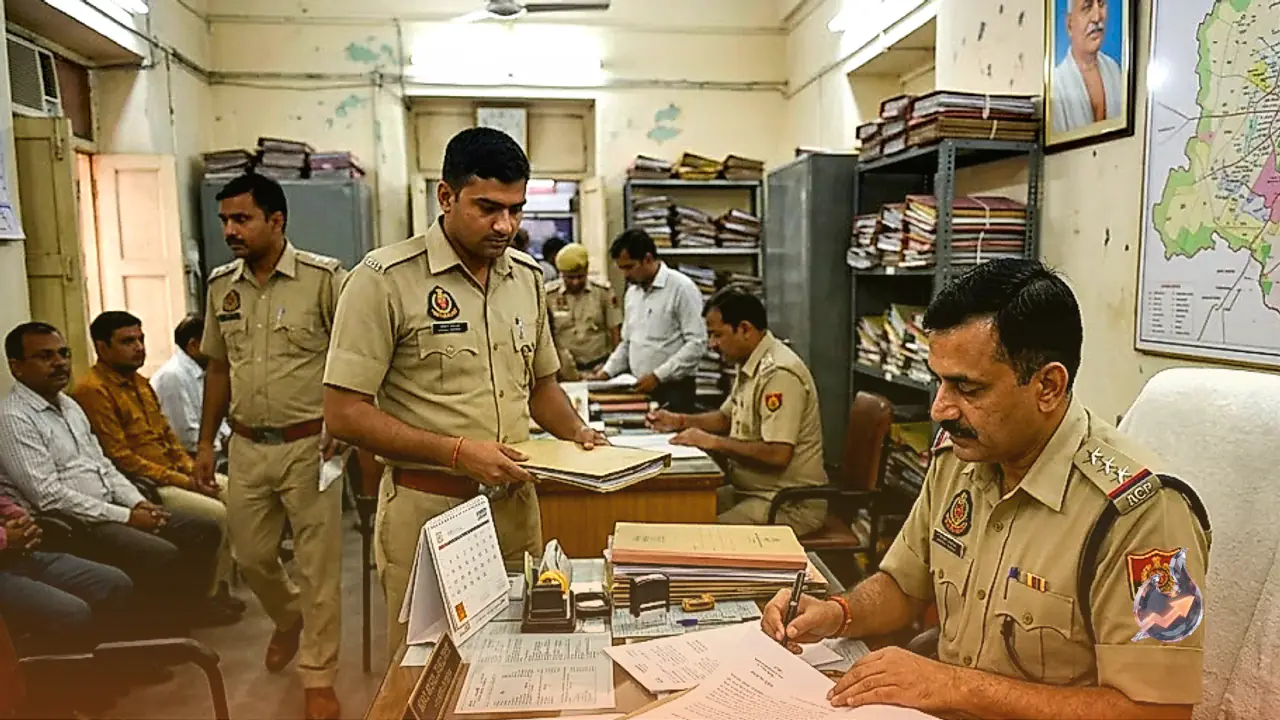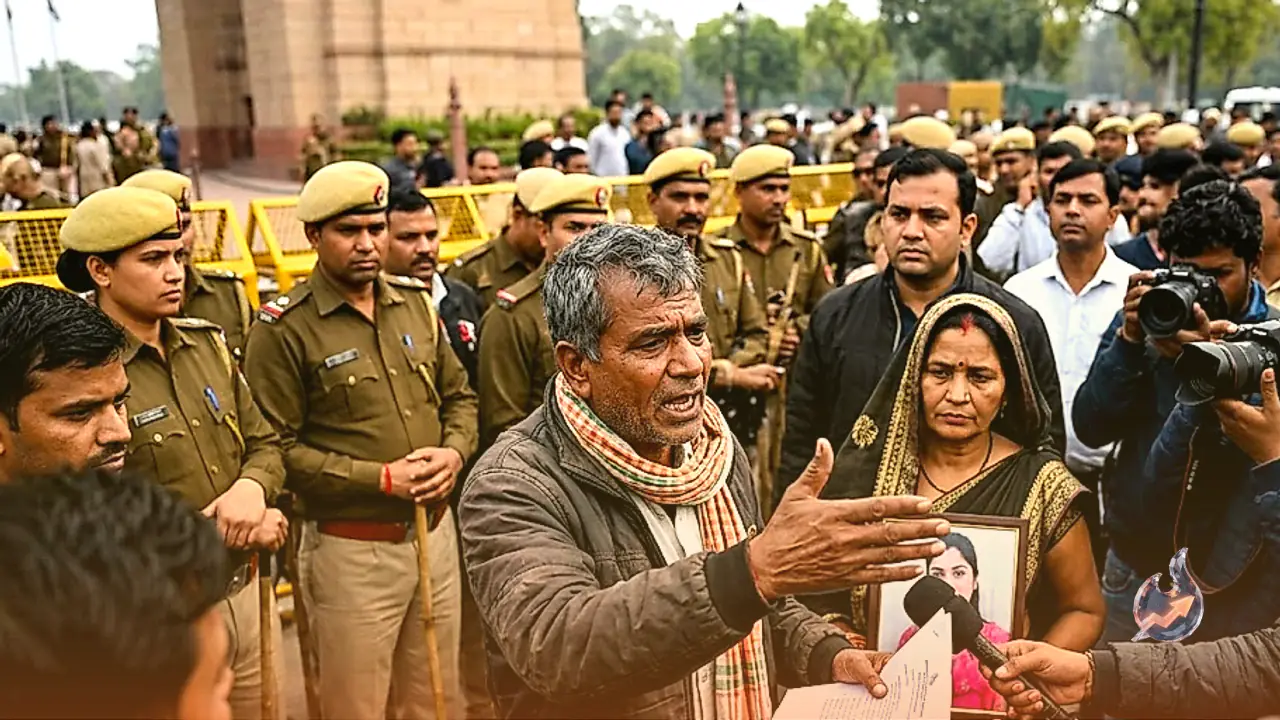






















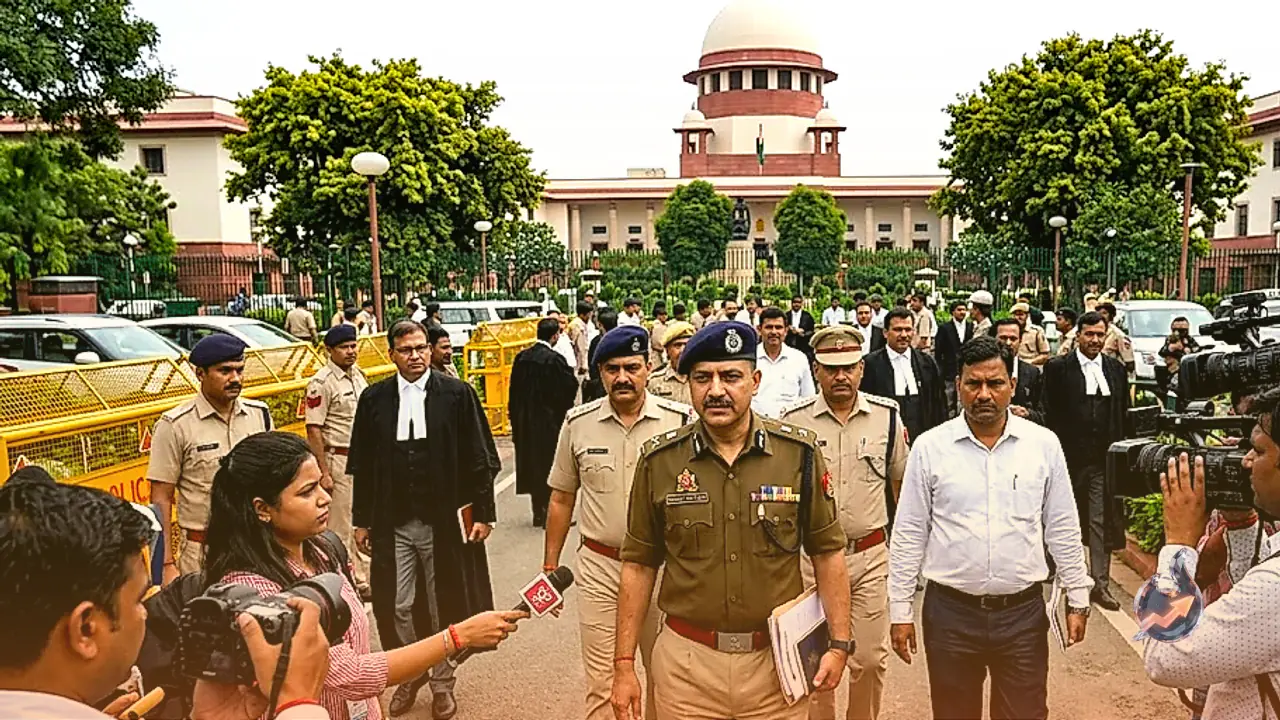

Defending its administrative refusal to grant permission for an October 10 protest march organized by CJP at Jantar Mantar, the Delhi Police submitted a comprehensive affidavit before the Supreme Court. Delhi Police Commissioner Anurag Kumar justified the decision as an indispensable measure aimed at preserving public order, maintaining law and order, and protecting the lives and property of citizens. The police maintained that earlier demonstrations organized by CJP had degenerated into violence, substantial property damage, and severe physical injuries to security personnel. Under such prevailing circumstances, the administration argued that it could not permit an escalation of unrest within the national capital.
July Protest Resulted in Violent Clashes and Injuries
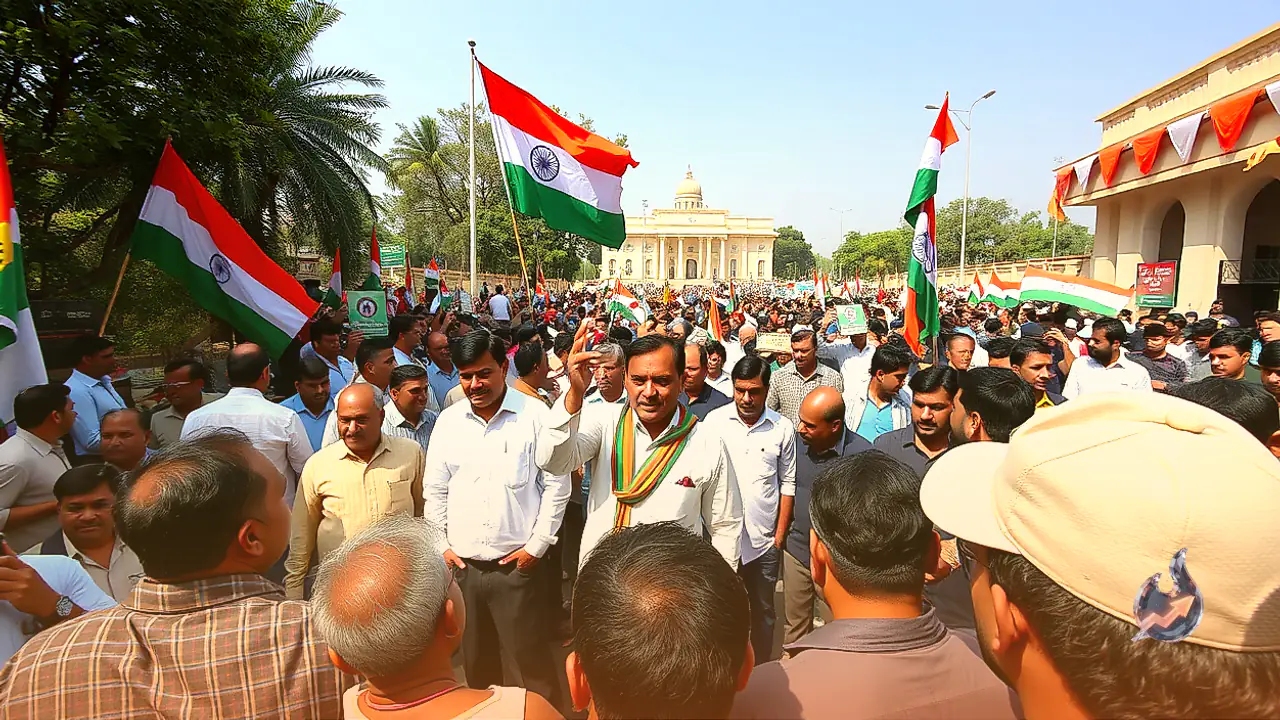
In its formal submission to the apex court, the police highlighted the events surrounding the July 20 'Chalo Sansad' march convened by CJP over the NEET-UG examination paper leak controversy. The department characterized that march as entirely unauthorized, unlawful, and illegal. The affidavit alleged that the July gathering formed an unlawful assembly where protesters launched targeted physical attacks on deployed police personnel. According to official figures submitted in the affidavit, over 240 police officers and personnel sustained injuries during those violent confrontations. To substantiate these assertions before the bench, the police cited extensive video footage, photographs, and supplementary documentary evidence.
Breach of Written Assurances Given Ahead of June Gathering
The affidavit placed significant emphasis on the previous conduct of the organizers, detailing how CJP had provided explicit written assurances prior to a demonstration in June. In that formal undertaking, the organizers had pledged that the protest would remain strictly peaceful and that participation would not exceed 1,000 individuals. Additionally, the group had agreed that no march toward Parliament would be undertaken without prior administrative clearance. However, the police pointed out that these binding conditions and assurances were subsequently disregarded and violated. Commissioner Kumar explained that the unauthorized events of July 20, combined with this documented history of non-compliance, formed the concrete rationale for rejecting the October 10 assembly request.
Severe Traffic Gridlock and Disruption Across Central Delhi in October
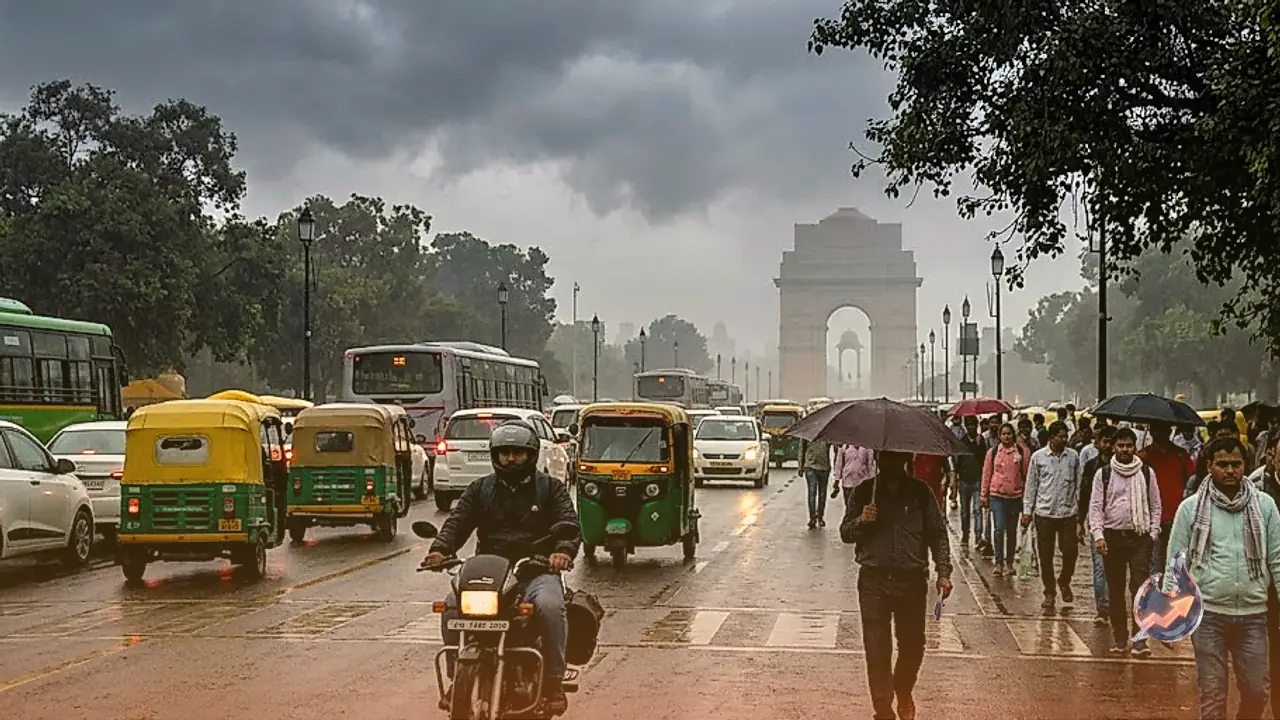
The police document further documented the disruptions caused by demonstrations conducted on October 6, 7, and 8. On October 6, participants marched toward the Election Commission office; on October 7, an assembly took place along the route from Janpath to Jantar Mantar; and on October 8, a march proceeded from the Outer Circle of Connaught Place toward Rajghat. These successive protest events paralyzed traffic across Central Delhi for hours at a time. The resulting gridlock inflicted immense hardship on daily commuters, office workers, and students, with several individuals missing scheduled train departures and flight connections. The police also stated that certain demonstrators engaged in physical abuse against police personnel, mistreated female police officers on duty, and inflicted injuries on more than a dozen police personnel across those three days.
Security Apprehensions Around High-Profile Establishments
Explaining the decision-making process, Commissioner Anurag Kumar noted that a detailed threat assessment was conducted in light of the July violence and the unrest witnessed during the early October demonstrations. This assessment indicated a high probability of fresh violence, confrontation with enforcement personnel, and widespread disruption of public order if the October 10 march went ahead. The submission stressed the strategic need to protect vital national institutions, including Parliament House, the Supreme Court, Rashtrapati Bhavan, and various diplomatic missions located in New Delhi. While recognizing the constitutional right to protest, the police emphasized their concurrent duty to protect public safety and keep critical transit arteries functioning.
Custody Procedures and Compliance with Statutory Powers
Addressing the detention of demonstrators, the Delhi Police maintained that their field actions were guided strictly by dynamic intelligence inputs and shifting ground realities. Enforcement took place within designated zones where prohibitory orders under Section 163 of the BNSS were in active force. The removal of individuals from the demonstration site was carried out pursuant to Section 65 of the Delhi Police Act, which empowers officers to remove individuals who defy or resist lawful directives. The affidavit clarified that detainees were neither placed into lockups nor sent to jail facilities. Instead, individuals were kept in police station premises, provided with meals, tea, coffee, and basic amenities, and released within a few hours once surrounding conditions normalized. Political leaders detained during the action were accommodated inside administrative office spaces within the stations. Commissioner Kumar described the police intervention as timely, proportionate, and strictly lawful, asserting that it averted a major breakdown of law and order, and requested the Supreme Court to discharge the contempt notice issued against him.