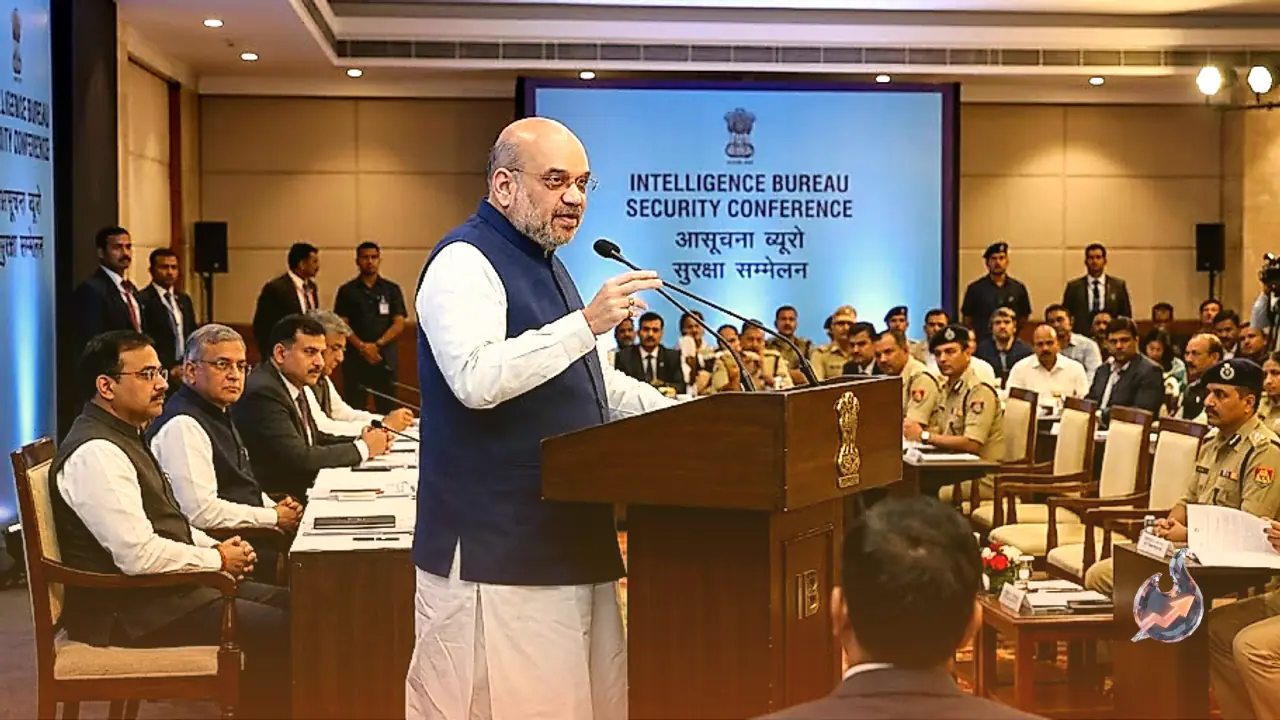





















In connection with the 2020 North-East Delhi riots conspiracy case, Delhi Police has submitted a comprehensive response to the Delhi High Court strongly opposing the fresh bail applications filed by Umar Khalid and Sharjeel Imam. In its formal submission, the police categorized both individuals as the primary masterminds behind the organized violence. Asserting that the newly filed bail pleas are legally unsustainable and misleading, law enforcement authorities urged the court not to entertain the petitions at the present procedural stage.
Police Arguments and Strategic Conspiracy Allegations
The submission came during the High Court hearing following instructions issued on July 31, which directed Delhi Police to file their official stance. Addressing the bench, police counsel stated that investigative agencies possess substantial documentary and testimonial evidence showing that Umar Khalid and Sharjeel Imam executed strategic blueprints for the unrest. The police emphasized that their actions extended far beyond peaceful demonstrations, involving deliberate crowd mobilization, logistical organization, and tactical coordination to ignite violent clashes.
Supreme Court January Mandate and Stringent UAPA Provisions
Bolstering its objections, Delhi Police cited the Supreme Court order delivered earlier this year in January. The police highlighted that while the apex court granted bail to several co-accused individuals in the same matter, it explicitly denied relief to Khalid and Imam after determining that their structural involvement was significantly different and more severe. Furthermore, police pointed out that the prosecution is anchored under Section 43D(5) of the Unlawful Activities Prevention Act (UAPA), a statutory provision that imposes exceptionally strict criteria and legal hurdles against granting bail.
Unfulfilled Preconditions and the Context of 2020 Delhi Violence
A central pillar of the police opposition relies on procedural preconditions set by the Supreme Court during its January ruling. The highest court had specified that fresh bail applications could only be introduced under two distinct circumstances: either after the completion of depositions by key prosecution witnesses or upon the passage of one full year from the date of the Supreme Court judgment. Delhi Police maintained that neither condition has been fulfilled as of today. The underlying legal proceedings stem from the 2020 riots in North-East Delhi triggered during protests against the Citizenship Amendment Act (CAA), which resulted in over 50 deaths and left hundreds injured. Both accused have remained incarcerated since their initial arrest.