















India has strongly pushed back against concerns voiced by the Office of the United Nations High Commissioner for Human Rights (OHCHR) regarding the detention of demonstrators in New Delhi, dismissing the statements as unjustified and an unwanted intrusion into the nation's domestic affairs. In its response, India urged the global human rights body to adhere to its core mandate of impartiality and non-discrimination by directing equal attention to large-scale demonstrations unfolding in other parts of the world. The diplomatic exchange followed street protests organized in the capital over alleged discrepancies in voter lists and calls for the resignation of Chief Election Commissioner Gyanesh Kumar, after the United Nations had appealed for the protection of civil society actors and respect for peaceful assembly.
India Rejects Global Criticism as Domestic Meddling
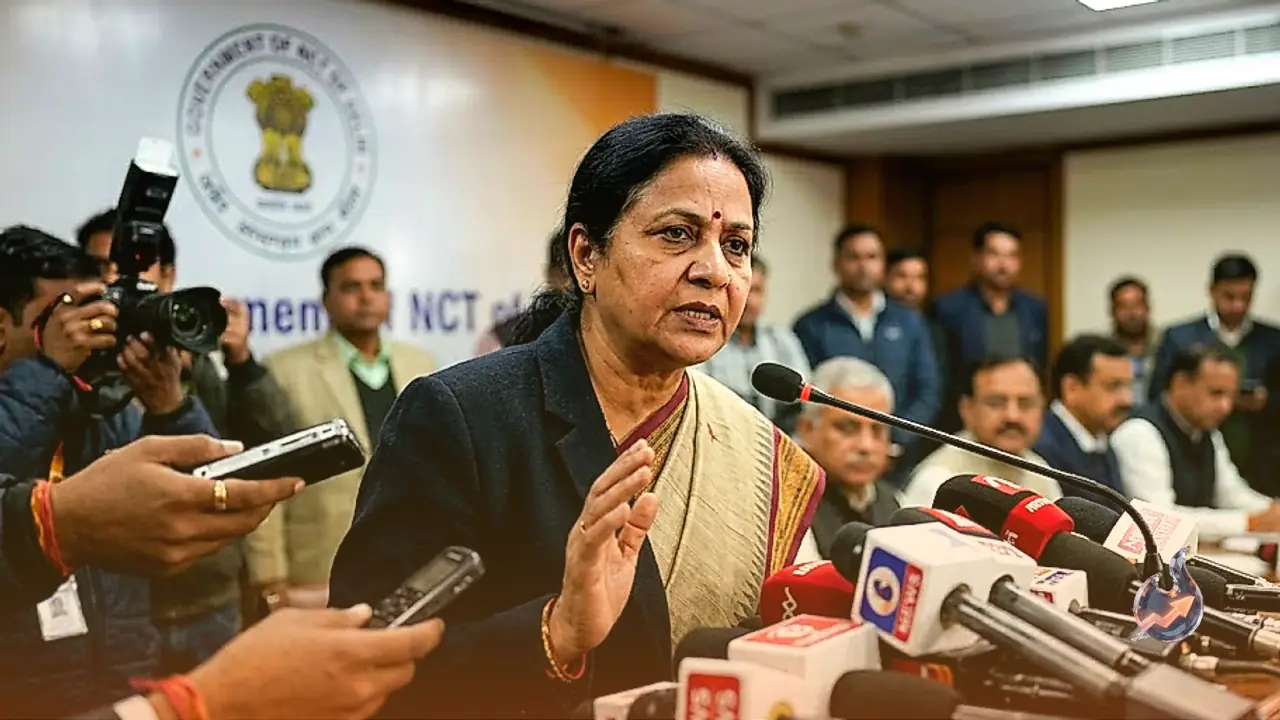
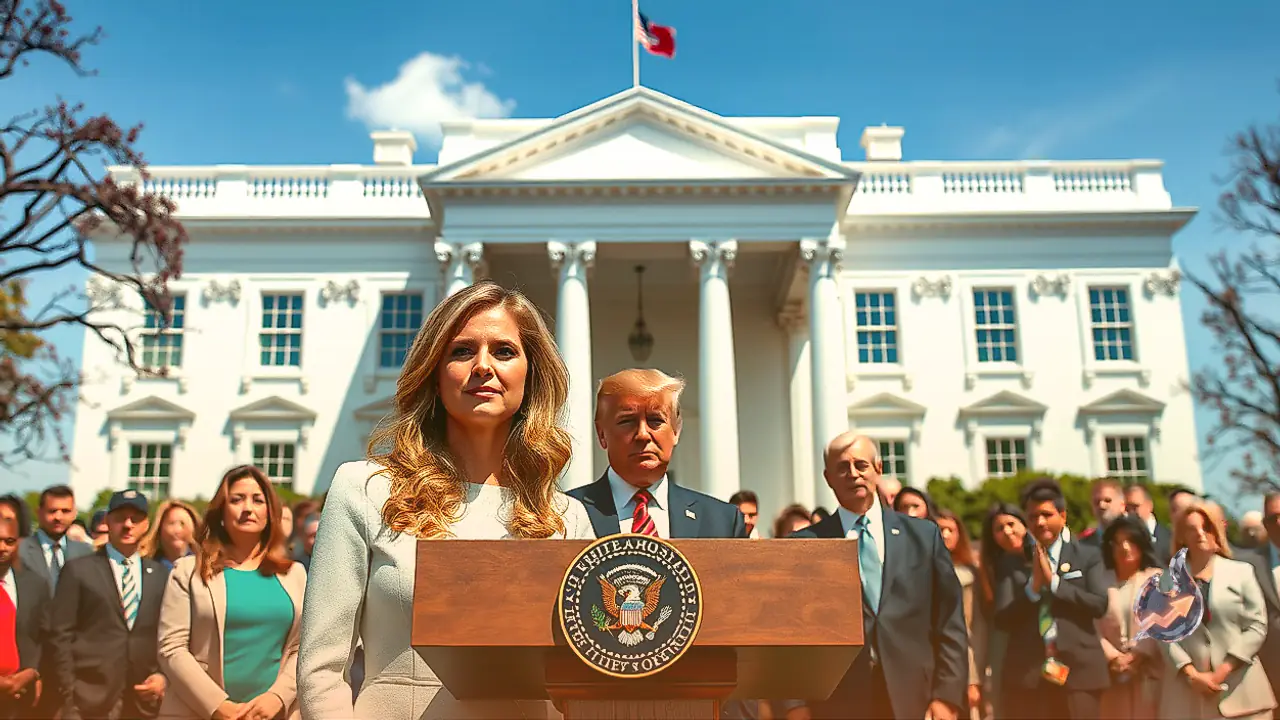
Addressing the specific observations made by the OHCHR on the incidents in New Delhi, India maintained that the agency's apprehension lacked merit and overstepped acceptable boundaries. The response highlighted that such remarks amount to unwarranted interference in sovereign administrative matters. India pointed out the pressing need for the human rights office to function with complete objectivity and fairness. It underscored that rather than singling out specific administrative handling, the agency ought to apply consistent standards by examining massive demonstrations taking place across various international regions with identical rigor.
Constitutional Safeguards and the Rule of Law
Reaffirming its democratic credentials, India described itself as the world's largest democracy, where the right to assemble peacefully is explicitly safeguarded and guaranteed by the Constitution. This constitutional liberty is actively preserved through resilient democratic institutions, an autonomous judiciary, and a free press that operate without executive compromise.
India further clarified that the constitutional freedom of peaceful assembly is not absolute and remains subject to reasonable restrictions imposed in the interest of maintaining public order. Law enforcement authorities are mandated to operate strictly within statutory boundaries, and the Indian judicial framework remains readily accessible to all individuals seeking redress for any perceived administrative grievances or enforcement excesses.
Concerns Raised by the UN Human Rights Office
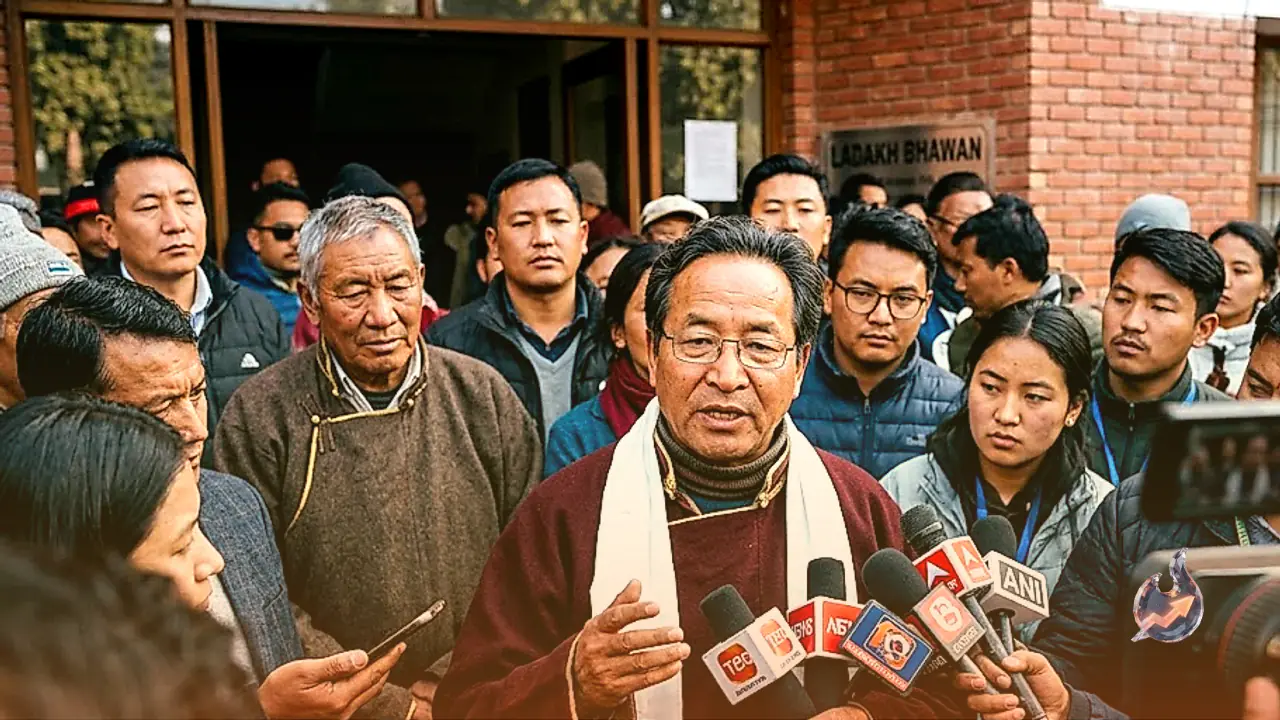
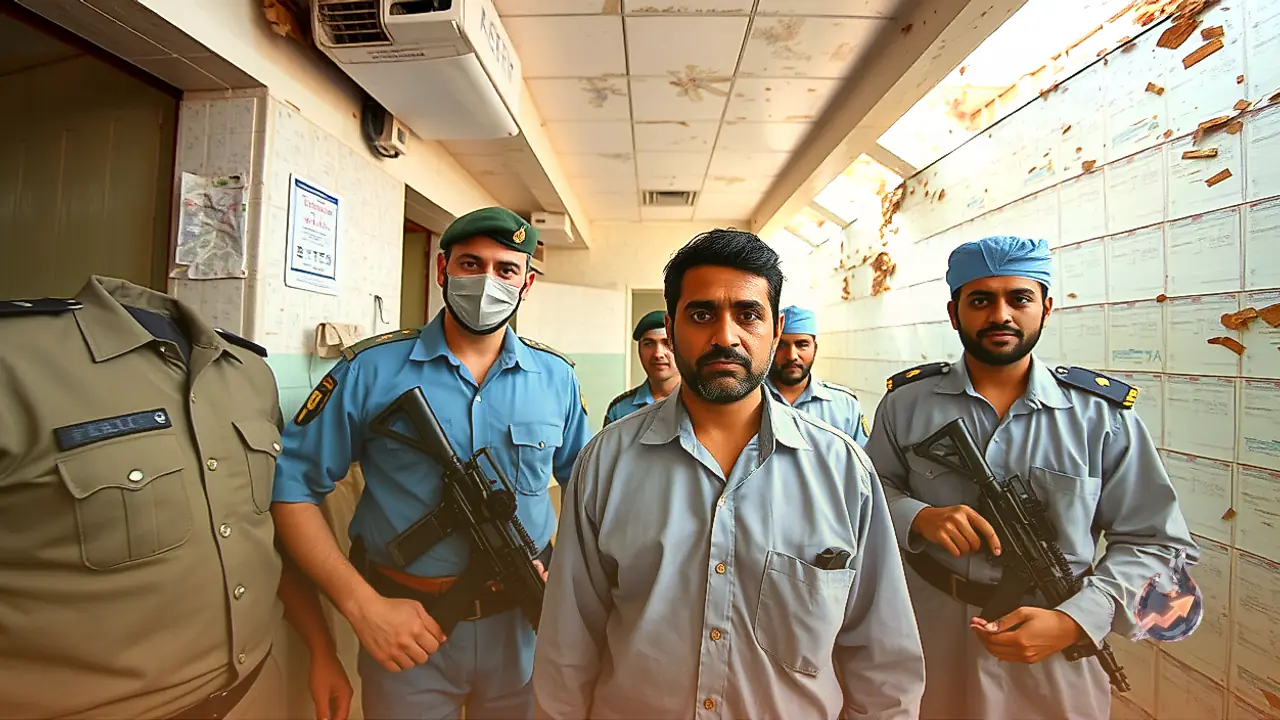
The pushback was prompted by statements from Thameen Al-Kheetan, spokesperson for the UN Human Rights Office, who expressed apprehension over widespread detentions during the October 10 demonstrations in Delhi. The spokesperson described the pre-emptive and ongoing detention of protesters, movement organizers, civil society figures, legal professionals, and journalists as deeply troubling.
The OHCHR called on Indian authorities to fully protect and guarantee the fundamental right to peaceful assembly, while urging law enforcement personnel to exercise the utmost restraint when dealing with non-violent assemblies. Additionally, the United Nations body called for the immediate and unconditional release of individuals subjected to arbitrary detention, while advocating for meaningful dialogue between official administrators and concerned stakeholders to resolve broader systemic grievances.
Security Measures Halt March Toward Jantar Mantar
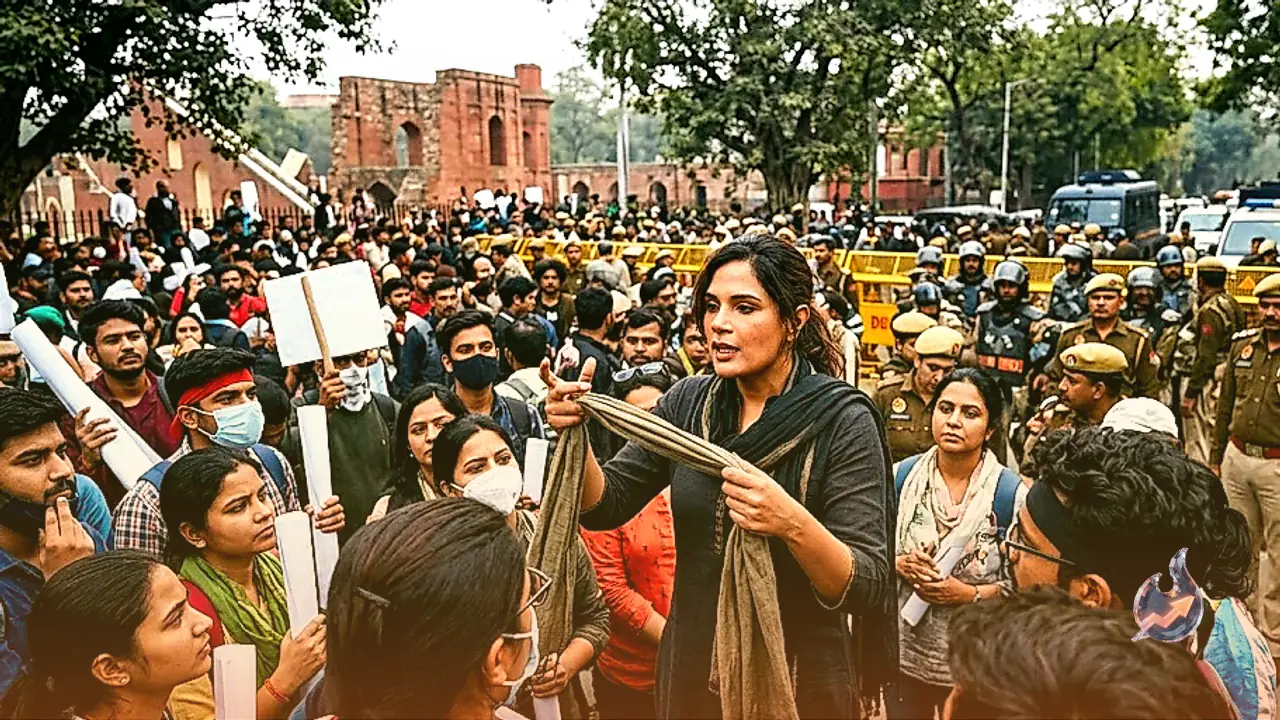
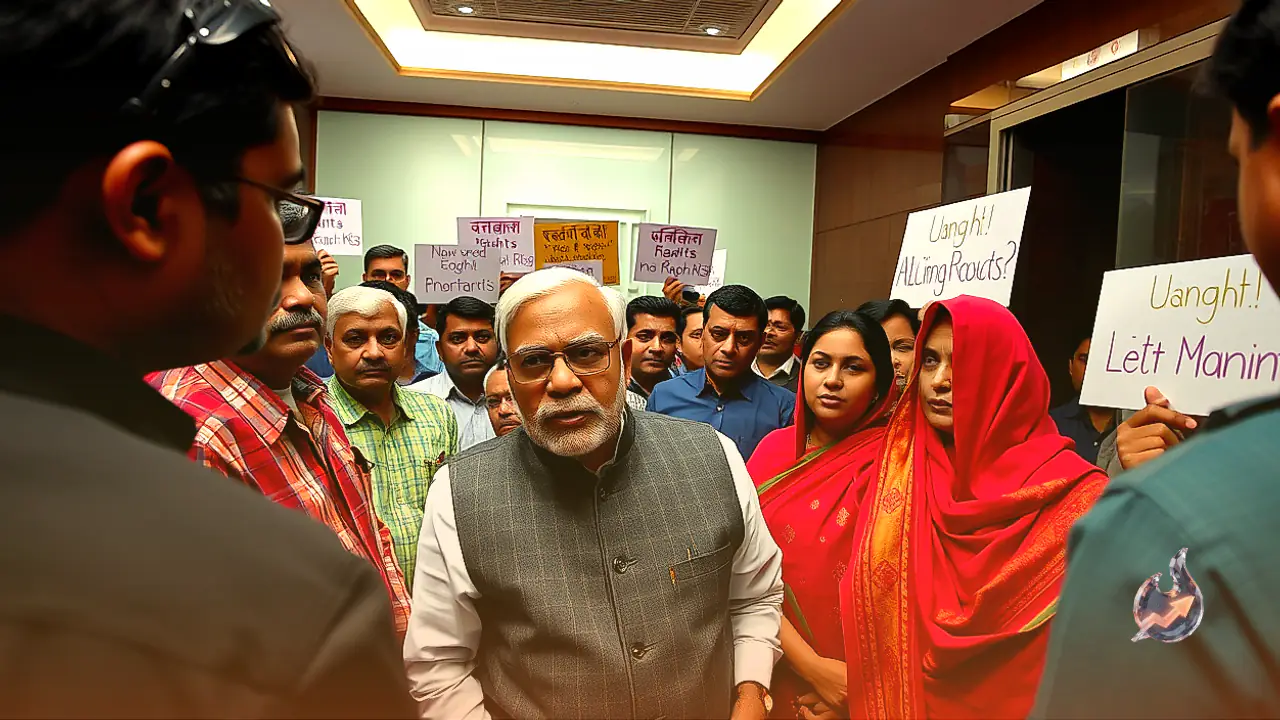
The underlying protest had been planned by the Cockroach Janta Party (CJP), which intended to stage a demonstration at Jantar Mantar in central Delhi. The agitation was aimed at pressing for electoral reforms amidst allegations of irregularities in voter rolls, accompanied by a public call for Chief Election Commissioner Gyanesh Kumar to step down from his post.
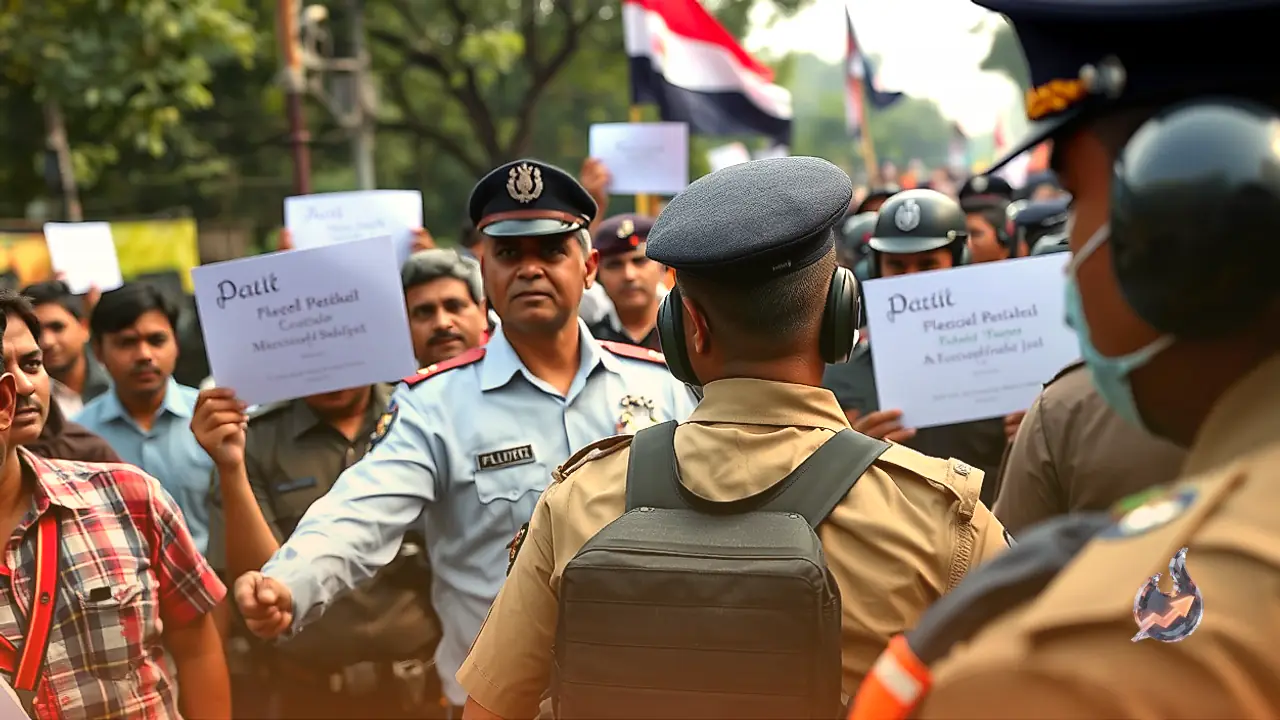
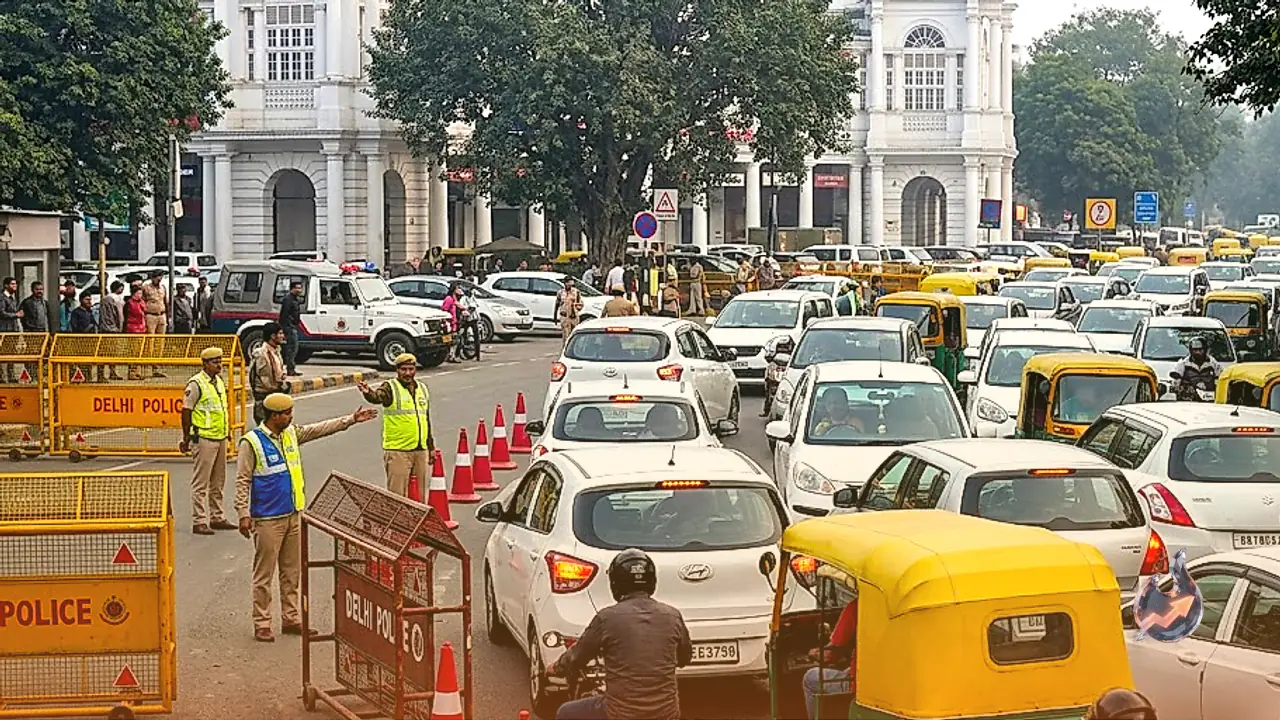
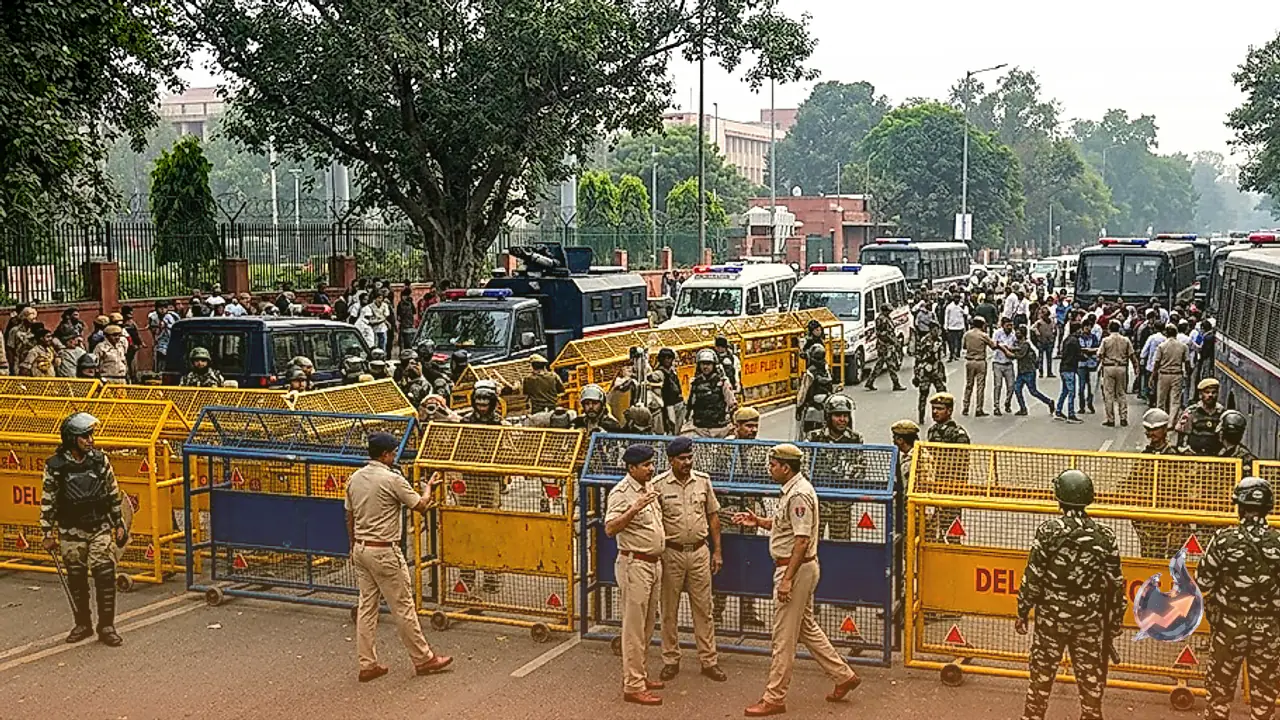
Delhi Police declined to grant permission for the gathering, citing security protocols. Heavy security deployments and extensive road barricades prevented the vast majority of demonstrators from reaching the designated protest site at Jantar Mantar. Security forces intercepted marching crowds and took hundreds of participants into preventive custody. CJP claimed that its founder, Abhijit Dipke, alongside associates Sourav Das and Ashutosh Ranka, were detained immediately after their flight from Mumbai touched down in Delhi.