















Delhi's Karkardooma Court has expressed strong disapproval regarding the conduct of Sharjeel Imam during his temporary release on interim bail. The judicial bench observed that he failed to comply with a binding condition barring him from communicating with or approaching the press. Despite recording this clear breach of bail guidelines, the court chose not to formally revoke the interim relief, taking into account that he was already mandated to surrender back to judicial custody on that very day, rendering a cancellation order unnecessary.
Judicial Scrutiny Over Media Presence in Private Quarters
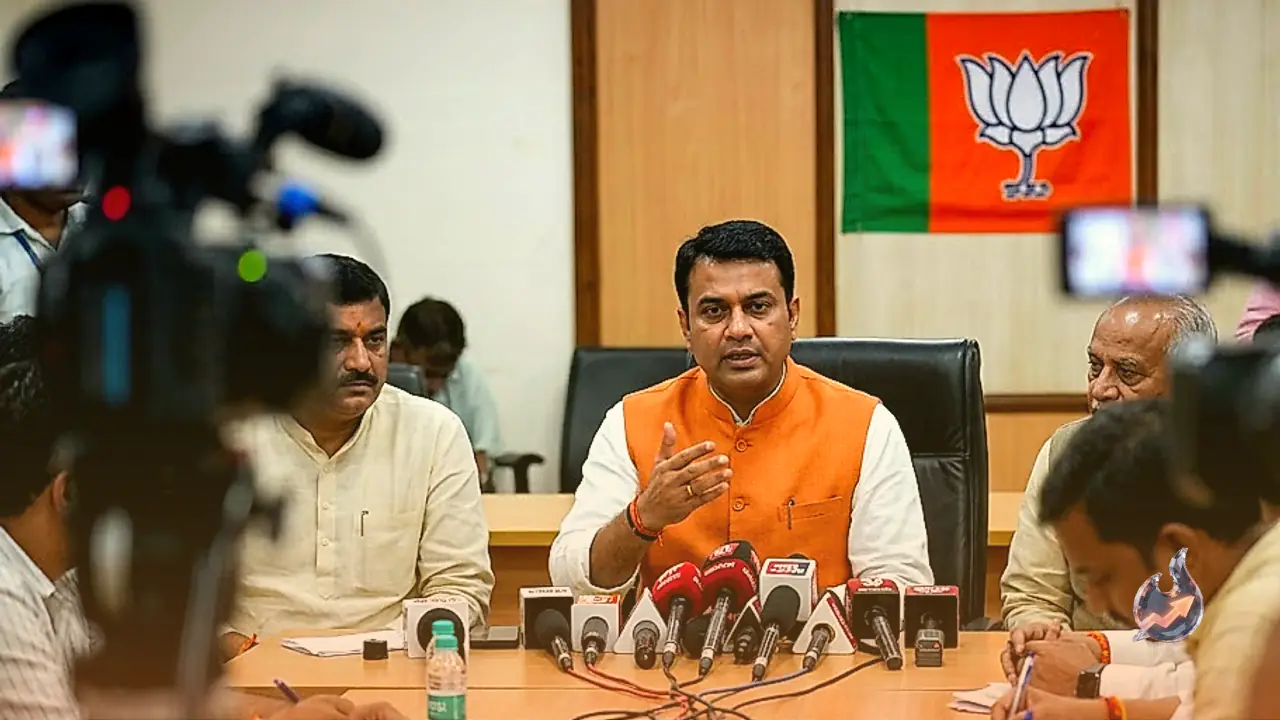
In its formal order delivered on 10 October 2026, the court reviewed video footage concerning the incident. The visual material showed that while Sharjeel Imam was present inside a room, a media representative from ANI was actively conducting an interview with his brother in that same space. According to the bench, permitting such an interaction directly violated the strict terms established on 22 September 2026 when his interim release was authorized, which had expressly barred him from any media contact whatsoever.
Seven-Day Respite Granted for Family Wedding
The temporary release had been sanctioned exclusively to allow Sharjeel Imam to attend the wedding celebrations of his cousin. The court had granted a 7-day window of interim bail spanning from 4 October to 10 October. It was during this brief spell of liberty that the questionable media interaction unfolded. Given that 10 October marked the concluding day of his sanctioned leave, the judicial authority decided against a formal annulment of the bail order.
Evening Surrender Deadline and the 2020 Delhi Riots Background
The bench directed that Sharjeel Imam must turn himself in to prison authorities by Saturday evening. Addressing the timeline, his legal counsel informed the court that he had already boarded his flight and would touch down in Delhi well in time to execute the formal surrender. The underlying legal proceedings stem from FIRs registered following the communal clashes in North-East Delhi during 2020, involving charges framed under various provisions including the Unlawful Activities Prevention Act, commonly referred to as UAPA. The violence had erupted in early 2020 amid demonstrations against CAA and NRC across North-East Delhi, claiming 53 lives and leaving more than 700 individuals injured.