

















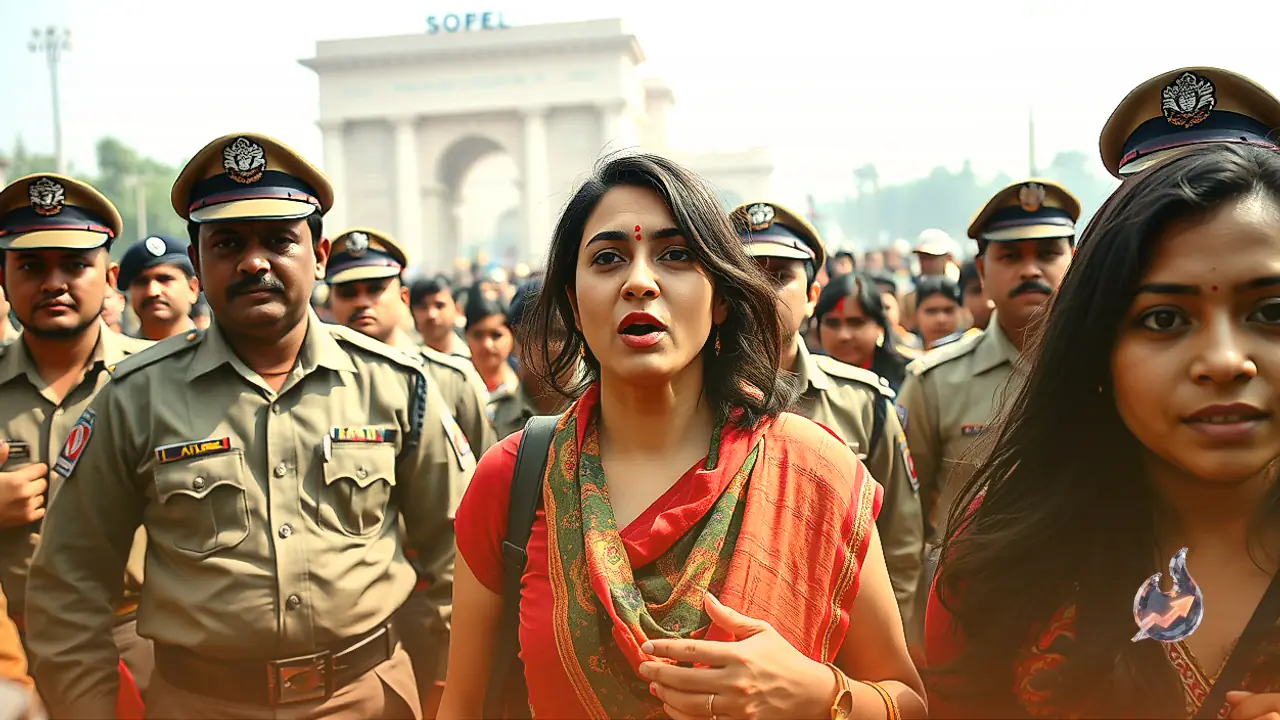

A fresh video circulating widely across digital platforms has split internet users into two polarized camps. The footage features an individual identifying herself as the spouse of an Indian Army officer, directly addressing Delhi Police to lecture personnel on constitutional accountability, statutory boundaries, and the professional sanctity of official uniforms. By holding up her husband's military attire before the recording lens, she delivered a stern message that immediately triggered intense disputes across digital discussion boards.
Military uniform displayed on camera to question administrative conduct
In the widely circulated video, the woman appears holding her husband's service dress in her hands, attempting to impart lessons on the ethical core of service dress to personnel of Delhi Police. Addressing the department directly, she stated that as the wife of a military officer, she wanted to use her husband's attire to explain what uniform service truly means. She remarked that a uniform is not merely stitched fabric, emphasizing that the Ashoka pillar emblem placed upon it indicates that legitimate authority originates strictly from the constitution rather than from any ruling government.
Continuing her remarks, she reminded personnel that the badges and decorative stars adorning a police officer's shoulder straps are more than just tokens of state power. In her view, these insignia represent direct accountability to citizens and an obligation to protect the public in alignment with constitutional principles. The crux of her message urged law enforcement agencies to remember their constitutional duties rather than functioning as mere instruments of executive will.
Intense online backlash over the politicization of military attire
The circulation of the clip provoked a sharp divide among internet audiences, with comment threads rapidly filling with heated arguments. A substantial section of viewers took strong exception to using an official military uniform as a prop for public preaching and unsolicited advisory messages. Critics stressed that armed forces uniforms embody exceptional dignity and institutional discipline, arguing that dragging military symbols into administrative or social disputes involving civilian police forces is entirely unacceptable.
Displeased commentators contended that private family members should not leverage military emblems to validate personal political expressions. Articulating this viewpoint, an online user named Rohit Vats questioned who granted her permission to exploit her spouse's uniform to propagate private viewpoints. He pointed out that legitimate governments exercise power through constitutional frameworks and that uniformed personnel remain bound by oath to execute lawful directives. Expressing concern over potential ramifications, he noted that such rhetoric could tomorrow be cited to question soldiers tackling counter-insurgency or terrorism operations in Kashmir and the Northeast, warning of the potential harm such public displays could bring to her husband's professional career.
Voices of support amid recent demonstrations at protest venues
Conversely, several social media users stepped forward to endorse the woman's remarks, asserting that she merely provided a timely reminder of constitutional values and professional duties. Backers maintained that law enforcement personnel must operate within statutory limits while safeguarding democratic rights, arguing that reiterating constitutional loyalty carries no malicious intent.
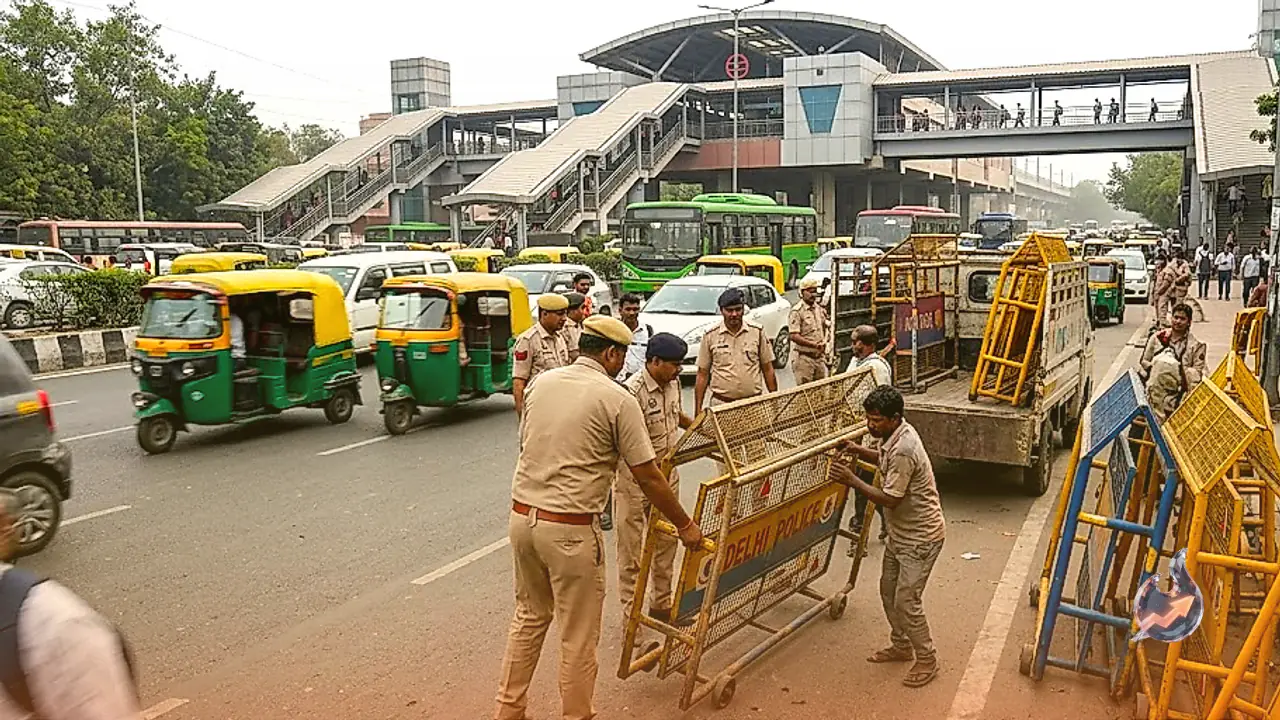
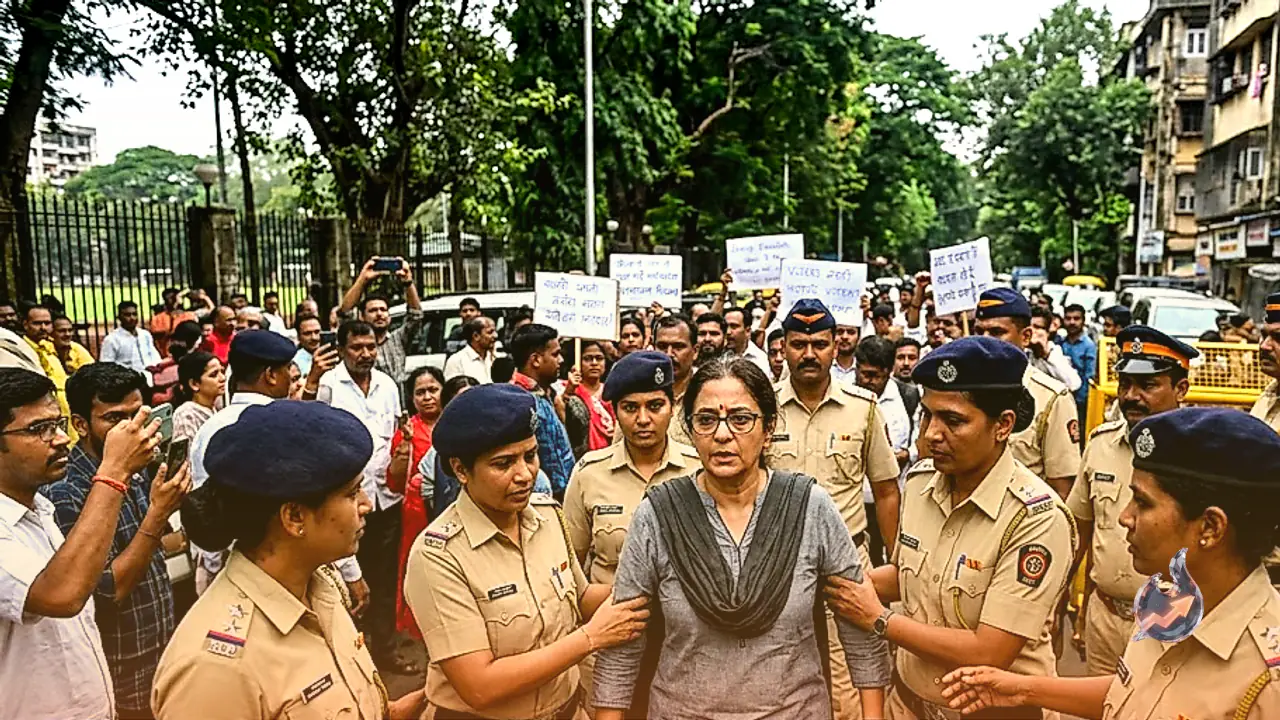
This public debate unfolded amid heightened scrutiny surrounding administrative actions and security arrangements at Jantar Mantar during recent public agitations. Given that ongoing demonstrations in the capital had already provoked discussions concerning security enforcement and civil liberties, an outspoken open letter from a military family added fuel to the fire. Ultimately, the incident has ignited serious discussions surrounding police ethics, the sanctity of service uniforms, and the boundaries of military decorum in public discourse.