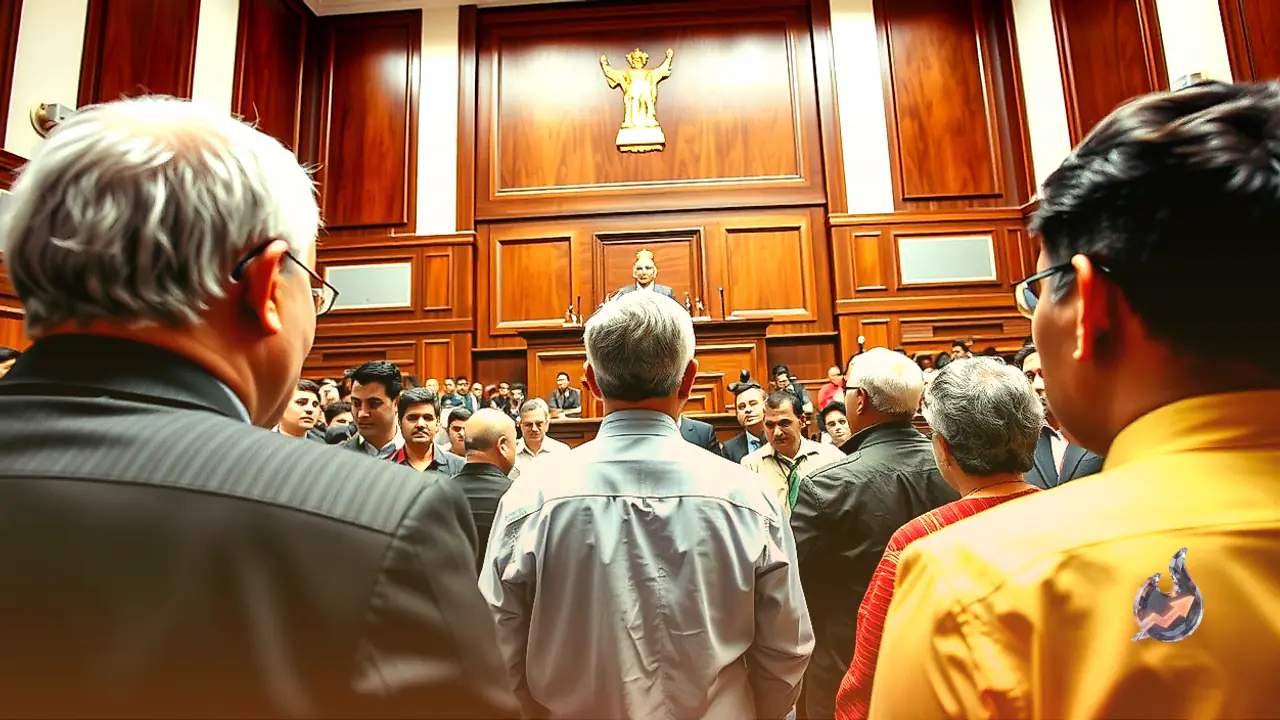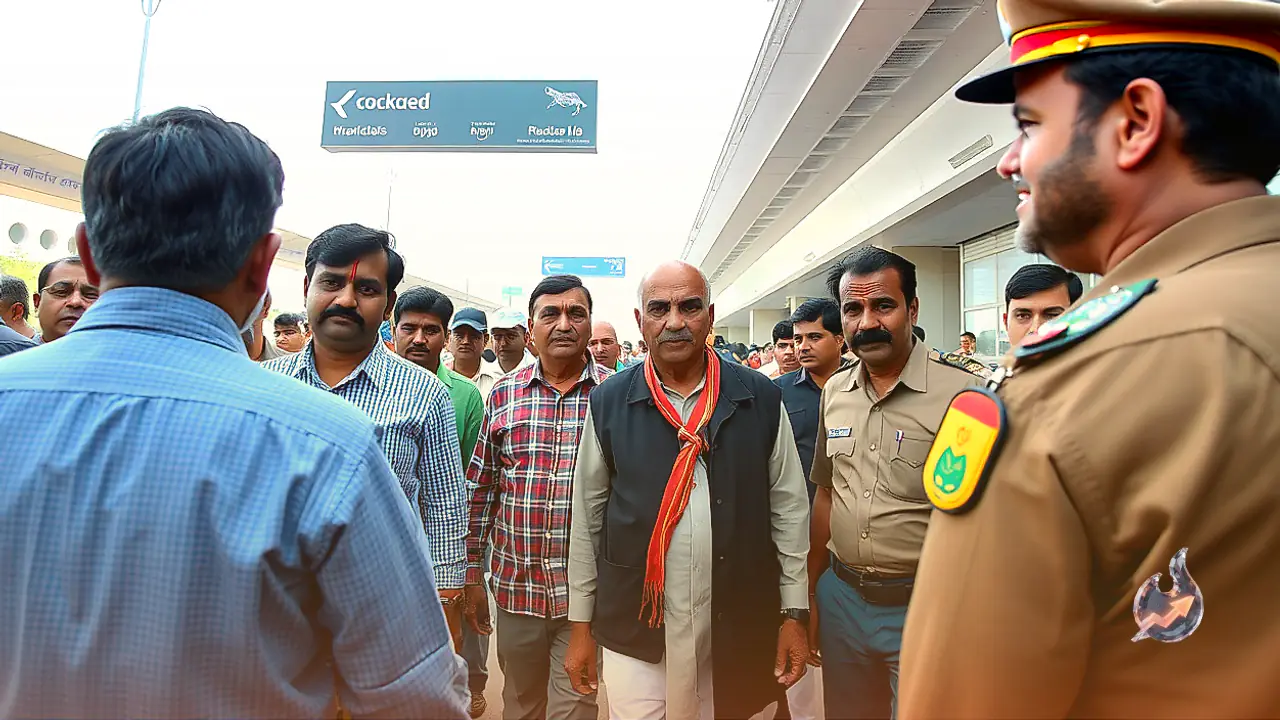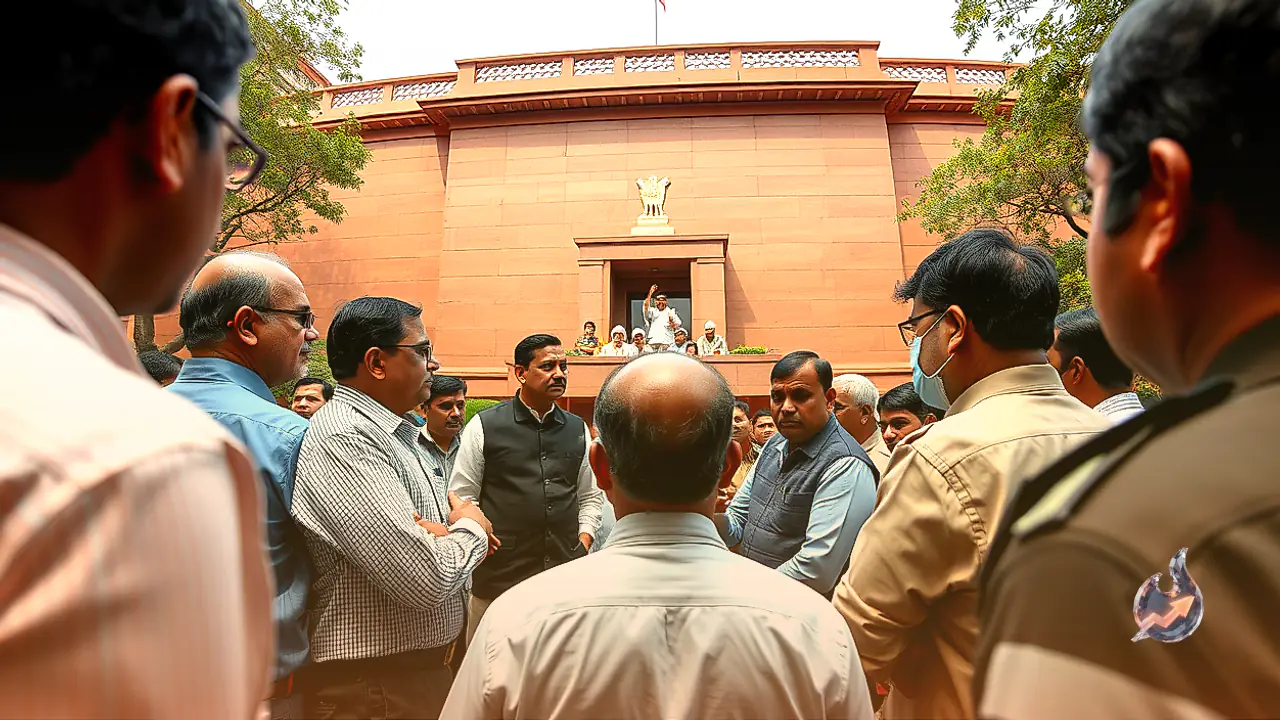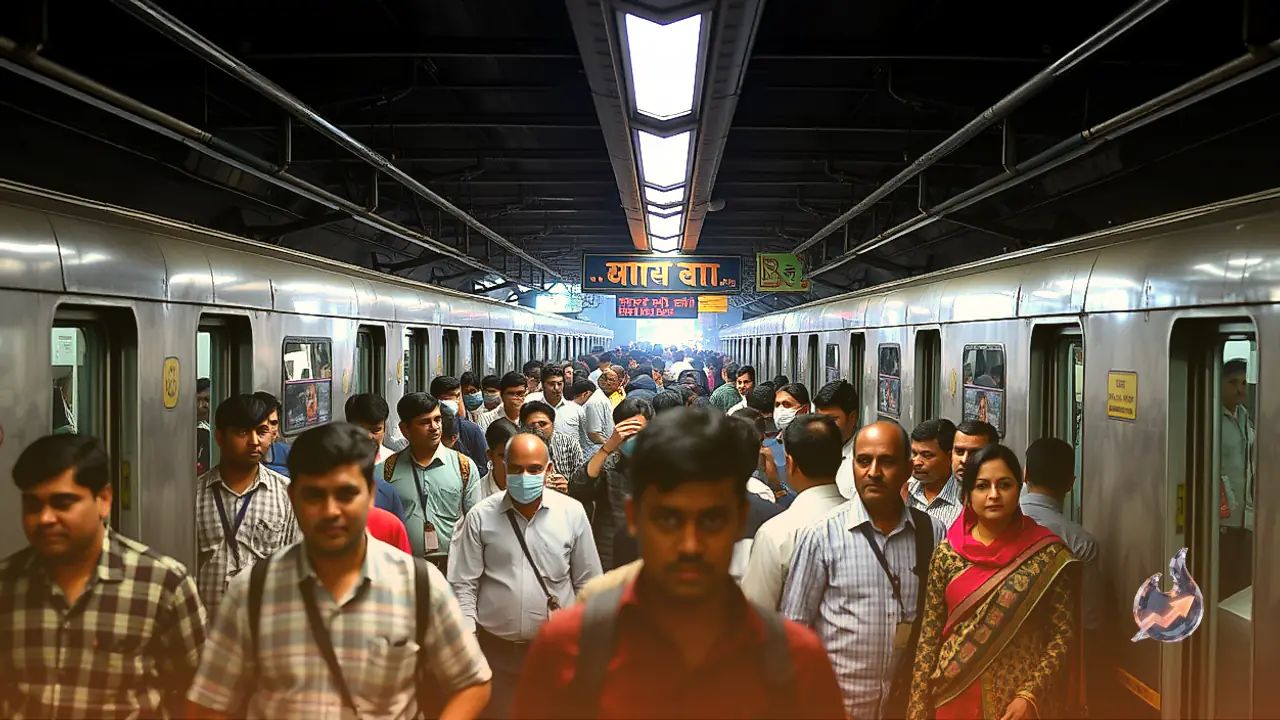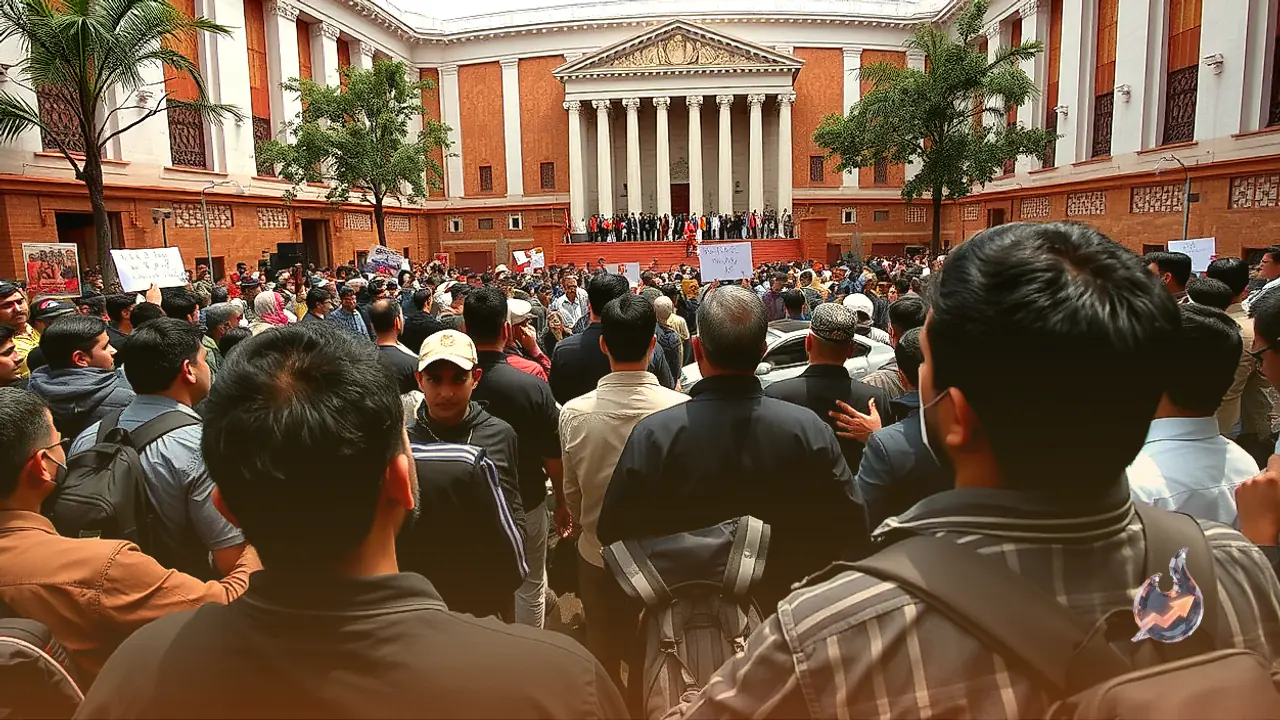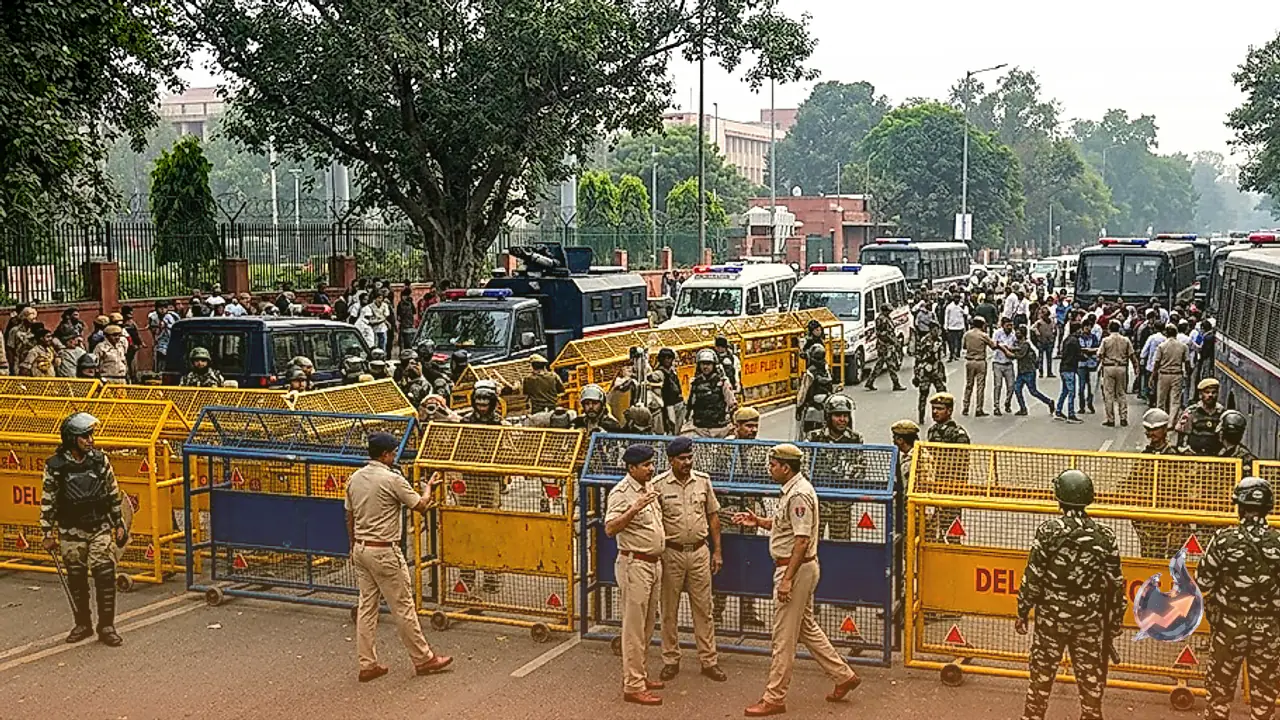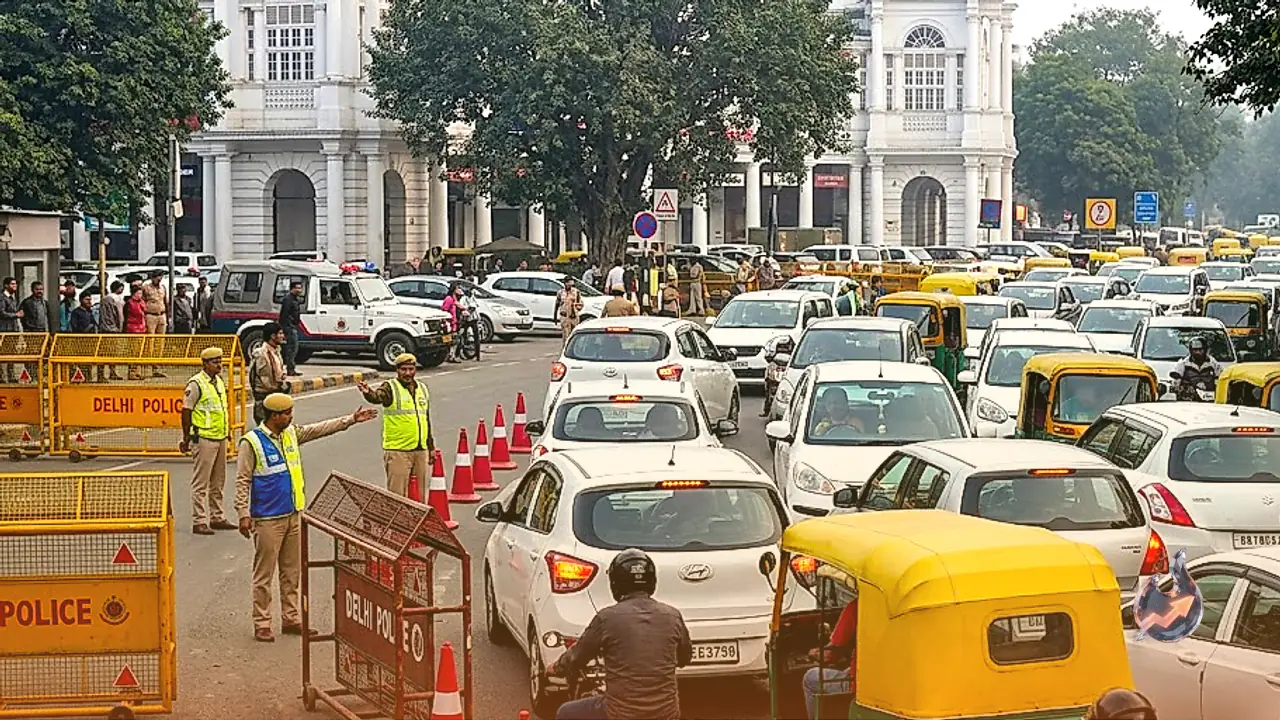















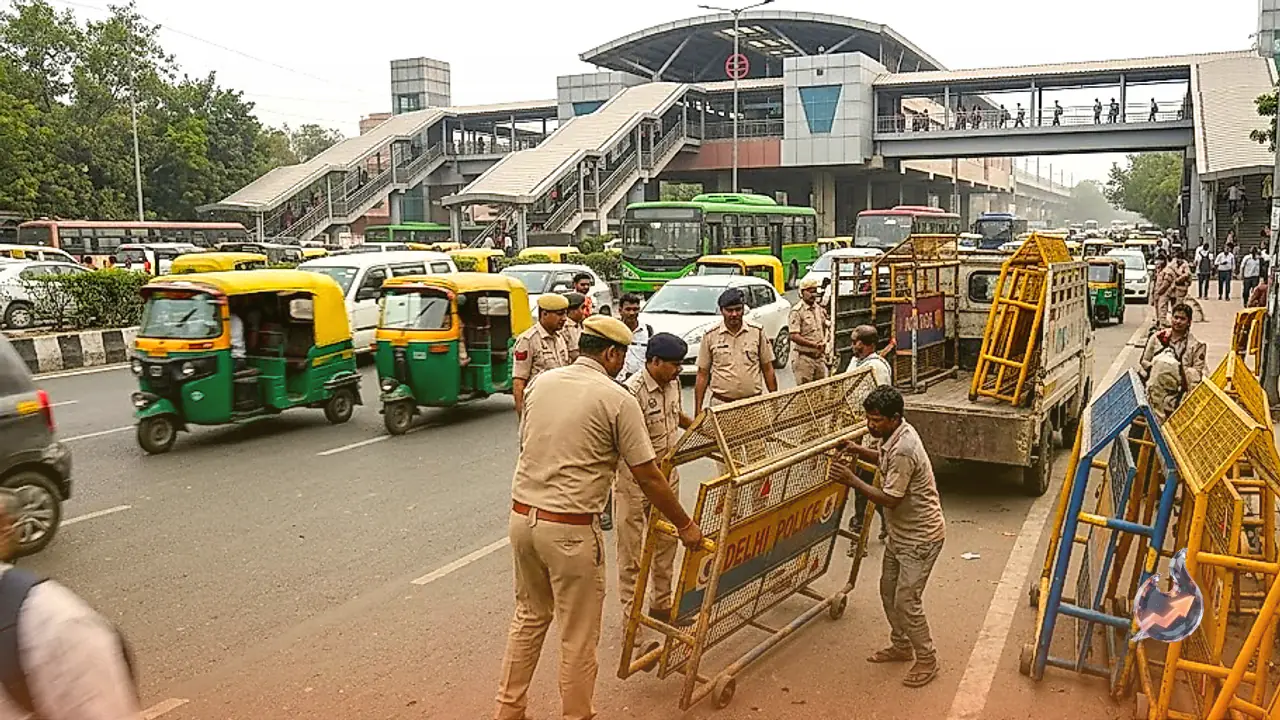

Taking a firm stance on the widespread civic disruption triggered during the CJP protests in the national capital, the Supreme Court has issued clear directives to lift restrictions and restore normalcy across the city. The top court ordered the immediate removal of all barricades erected across the city and instructed authorities to restore internet services to standard functioning. The court underlined that Delhi Metro services must operate strictly according to their regular timetable and that public movement throughout the capital should be completely restored. This framework, the bench noted, remains subject to prevailing public order conditions. The directives follow multiple petitions filed in the wake of police actions and public transport curbs during the demonstration on October 10.
Petitioners Raise Concerns Over Detentions and Transit Curbs
The petitions filed before the court alleged severe disruptions to daily life, stating that essential metro and railway operations were hindered during the demonstrations. Aggrieved parties claimed that widespread detentions took place and commuting across the capital became nearly impossible for ordinary citizens. The Supreme Court convened an urgent hearing to examine these claims, which centered on the alleged defiance of its earlier judicial order delivered on October 9. The proceedings focused heavily on balancing public assembly with civic mobility and administrative restraint.
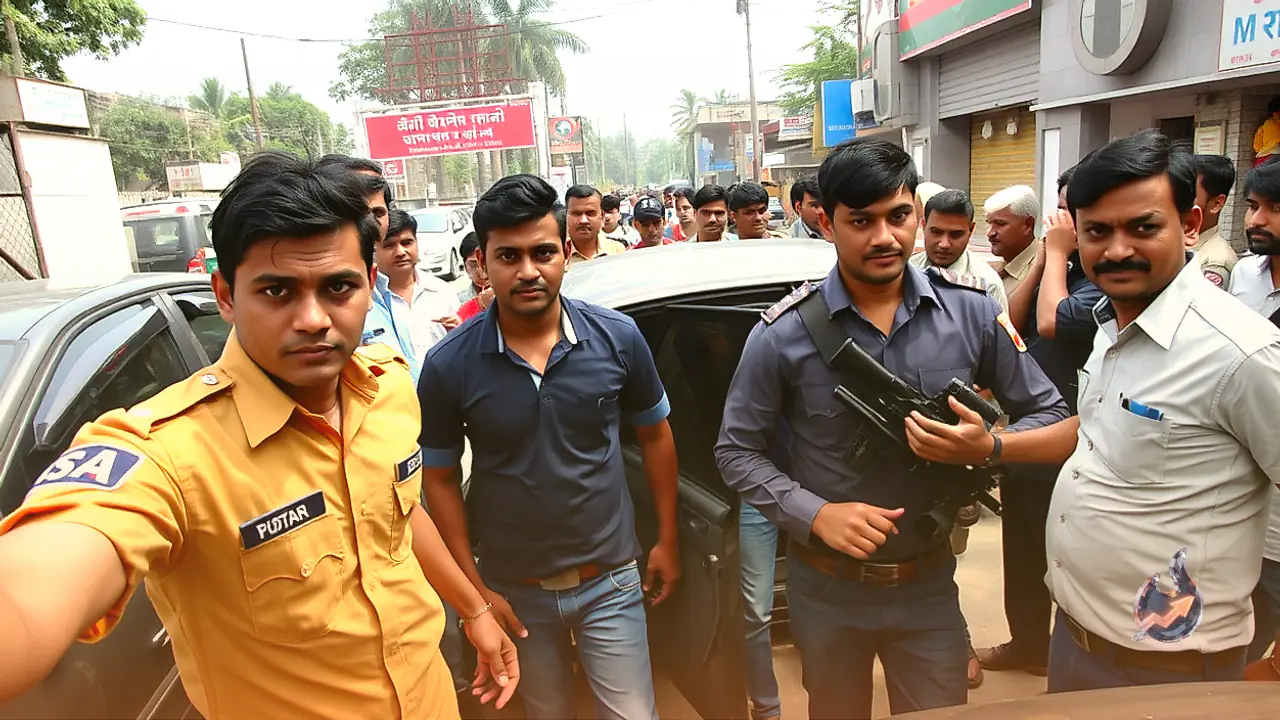
During the courtroom arguments, counsel representing the petitioners informed the bench of allegations that approximately 7,000 individuals were detained across Delhi. The petitioners further asserted that numerous people were taken into custody from zones outside the designated areas where prohibitory orders were officially enforced. They argued that such sweeping measures disproportionately curtailed personal freedom and disrupted civic routine without lawful jurisdiction.
Solicitor General Tushar Mehta Presents the Government's Stand
Appearing on behalf of the administration, Solicitor General Tushar Mehta strongly contested the claims made by the petitioners. He submitted that the Delhi Metro network had continued running normally, clarifying that out of 303 stations, curbs were placed only on select entry and exit gates at 45 stations to manage crowd movement. Mehta further informed the court that by 10 PM on Saturday night, gates across all metro stations had been reopened and internet connectivity was restored. Following these submissions, the Supreme Court directed the central government to file formal replies to all petitions. The bench also stated unambiguously that practicing advocates must not be hindered from executing their professional duties.
Key Directives Issued by the Supreme Court
To ensure unrestricted public life, the Supreme Court laid down specific instructions for enforcement agencies. The bench directed that security barricades placed across the city be dismantled and that internet access be maintained without disruption. Unhindered movement of citizens must be preserved at all costs. The court maintained that metro rail operations should run uninterrupted according to schedule, while clarifying that authorities retain the legal power to act under the law if grave public order situations emerge. The bench emphasized that legal practitioners must not encounter obstacles while discharging their professional responsibilities. During the hearing, the court also sought clarity regarding traffic and advisory notices linked to railway operations.
Allegations of Defying the October 9 Order
The Supreme Court observed that the applications before it specifically alleged non-compliance with its judicial order dated October 9, 2026. According to the petitioners, metro transit was halted and access to critical railway hubs, including New Delhi and Hazrat Nizamuddin railway stations, was severely affected. The court was apprised that a barrage of traffic advisories caused intense hardship for regular commuters. Petitioners argued that a blanket suspension of internet services coupled with transport curbs created curfew-like conditions throughout the city. The bench observed that while these remain serious allegations raised by the petitioners, final legal conclusions on the matter are yet to be determined.