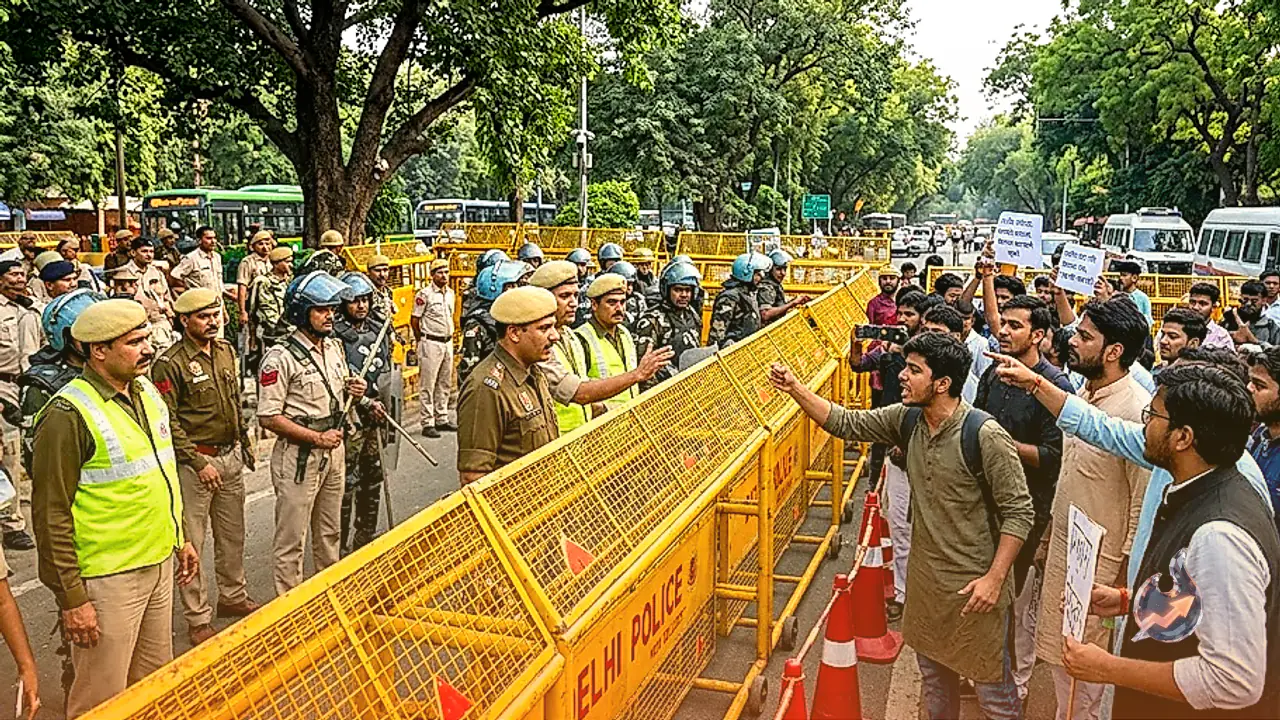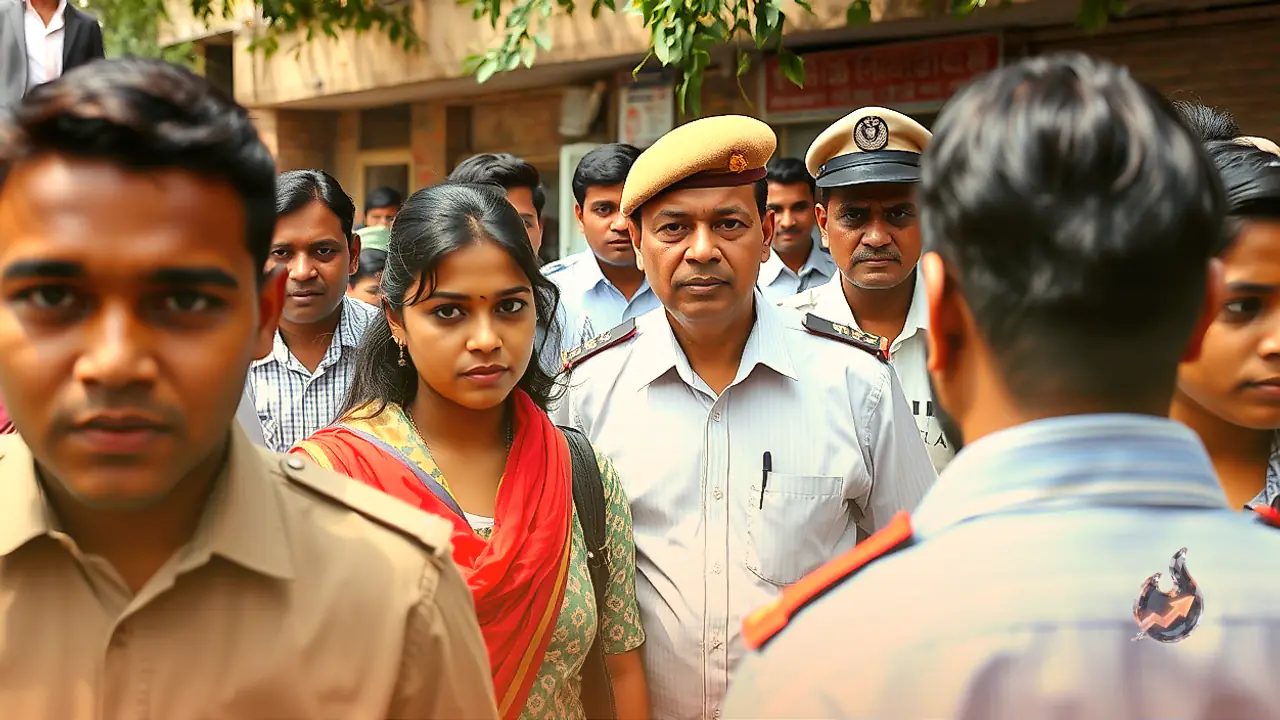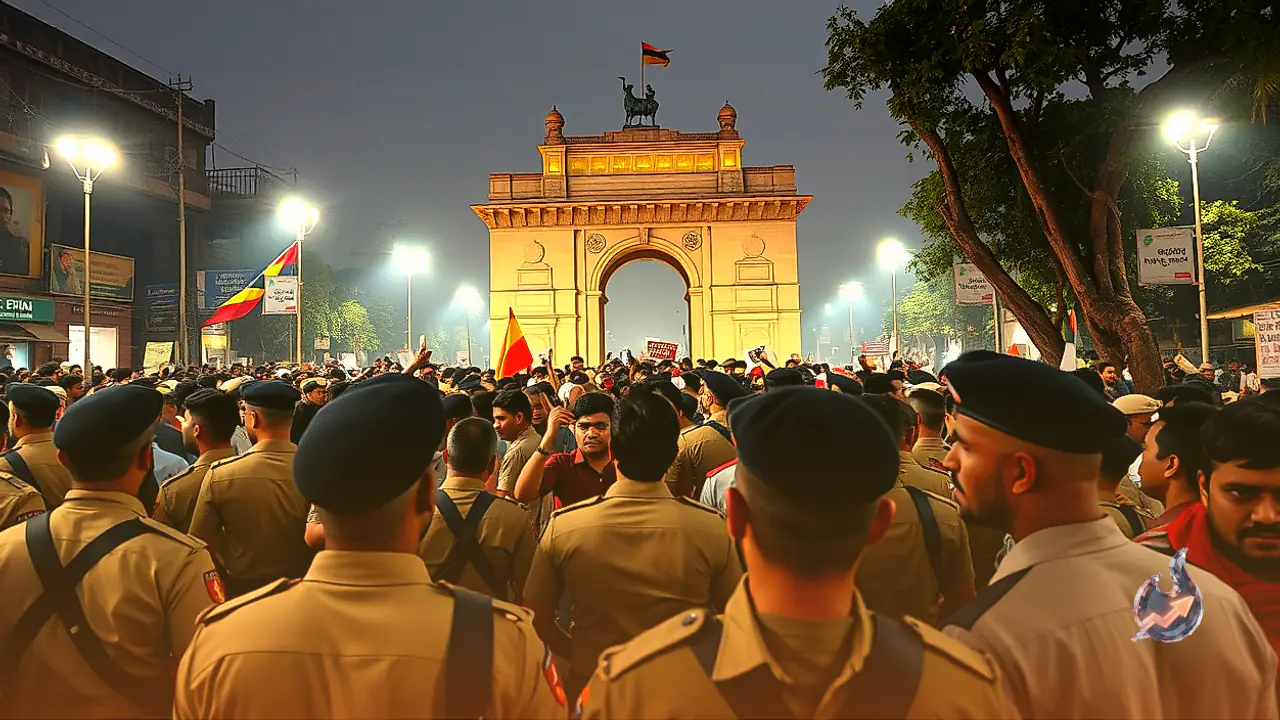

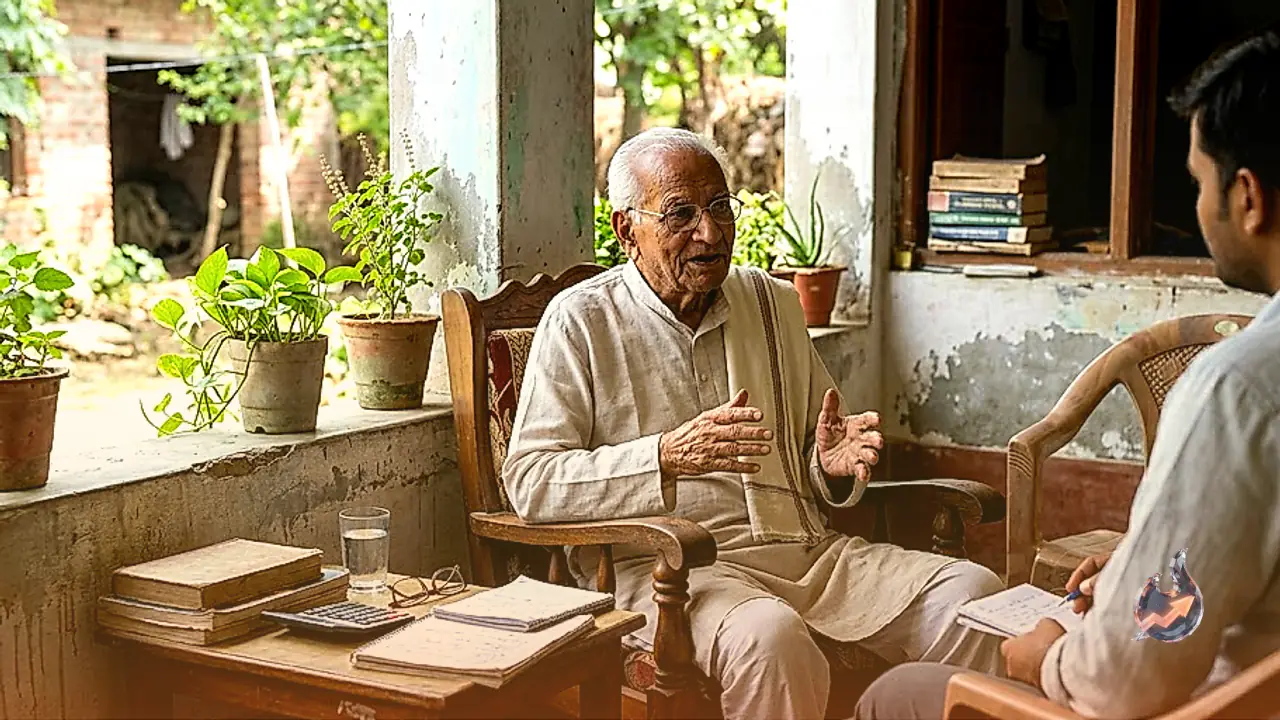
















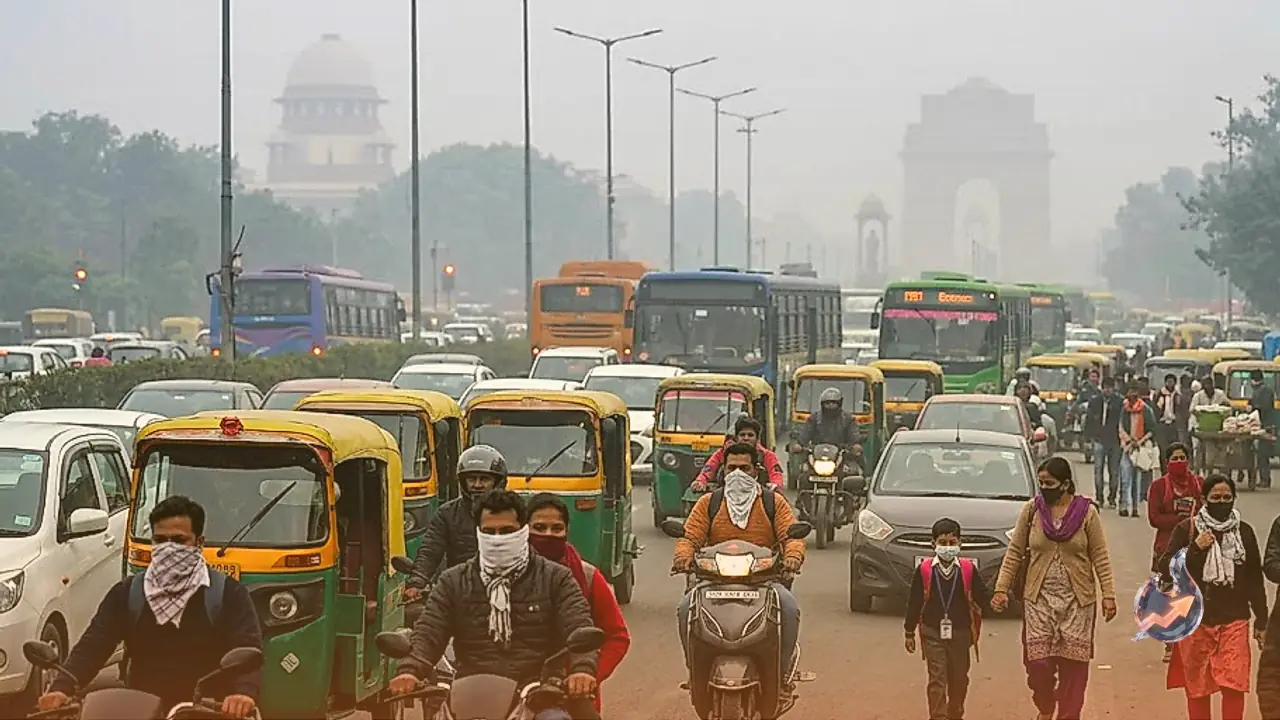

Right before the onset of Diwali, the specter of severe air pollution has once again reared its head across the Delhi and National Capital Region, choking the air quality. Amidst this grim scenario, the Supreme Court has adopted a notably strict and stern stance. During a court hearing regarding the ban on firecrackers and public health concerns, Justice Joymalya Bagchi raised a sharp and pointed question asking what bursting crackers has to do with religion. The bench clarified that it has no intention of dampening festive joy or hurting religious sentiments, but emphasized that citizens must also step forward and exercise responsibility to protect public health. This firm observation from the apex court makes it clear that those who pollute the air under the guise of faith must rethink their actions, or else face strict judicial intervention.
Amicus Curiae Highlights Child Health and Enforcement Hurdles
During the proceedings, the amicus curiae brought up the hazardous impact of air pollution on children while also detailing the practical difficulties in enforcing blanket bans on the ground. Prompted by this, Justice Bagchi posed his sharp query about what religious element is involved in bursting firecrackers. Responding to this, the amicus stated that a delicate balance between public health and religious sentiments is essential, as even God would not desire children to fall ill in His name. However, the amicus added that mere judicial orders do not change realities on the ground because police cannot maintain round-the-clock surveillance in every single lane. Chief Justice Surya Kant concurred, noting that the judiciary should avoid issuing orders that cannot be effectively implemented on the ground.
Practical Solutions and Implementation Challenges
Elaborating further, the amicus pointed out that while fixing a one or two-hour window for lighting firecrackers sounds simple in theory, enforcing it universally is immensely difficult. Law enforcement personnel cannot be physically present in every neighborhood at all hours, meaning bans alone will not eradicate the problem. Chief Justice Surya Kant also underscored the need for pragmatic solutions, reiterating that courts should refrain from handing down unfeasible mandates. He suggested that raising public awareness and encouraging citizens to voluntarily adopt safer alternatives would yield much better results than strict prohibitions alone.
The Supreme Court deliberated on potentially restricting the sale of high-emission firecrackers while actively promoting less harmful alternatives. Discussions revolved around setting fixed time frames for celebrations and running extensive public awareness campaigns. The core message emphasized that while celebrating festivals is important, safeguarding the health of fellow citizens is equally critical. The bench urged people to reduce reliance on firecrackers and instead embrace traditional practices like lighting earthen lamps. However, no fresh absolute ban orders were issued during the Monday hearing.
Stubble Burning Discussed With Next Hearing Set for October 15
The bench also addressed the persistent issue of stubble burning and measures required to curb it. Justice Bagchi highlighted the potential for purchasing agricultural residue and exploring its commercial utility. The Chief Justice noted that stubble could actually become a source of financial gain for farmers if an appropriate commercial market is successfully established. Representing the central government, Additional Solicitor General Aishwarya Bhati informed the court that existing policies for stubble management are already in place. The government will submit a comprehensive report detailing steps already taken and future action plans. The matter has been scheduled for further hearing on October 15.