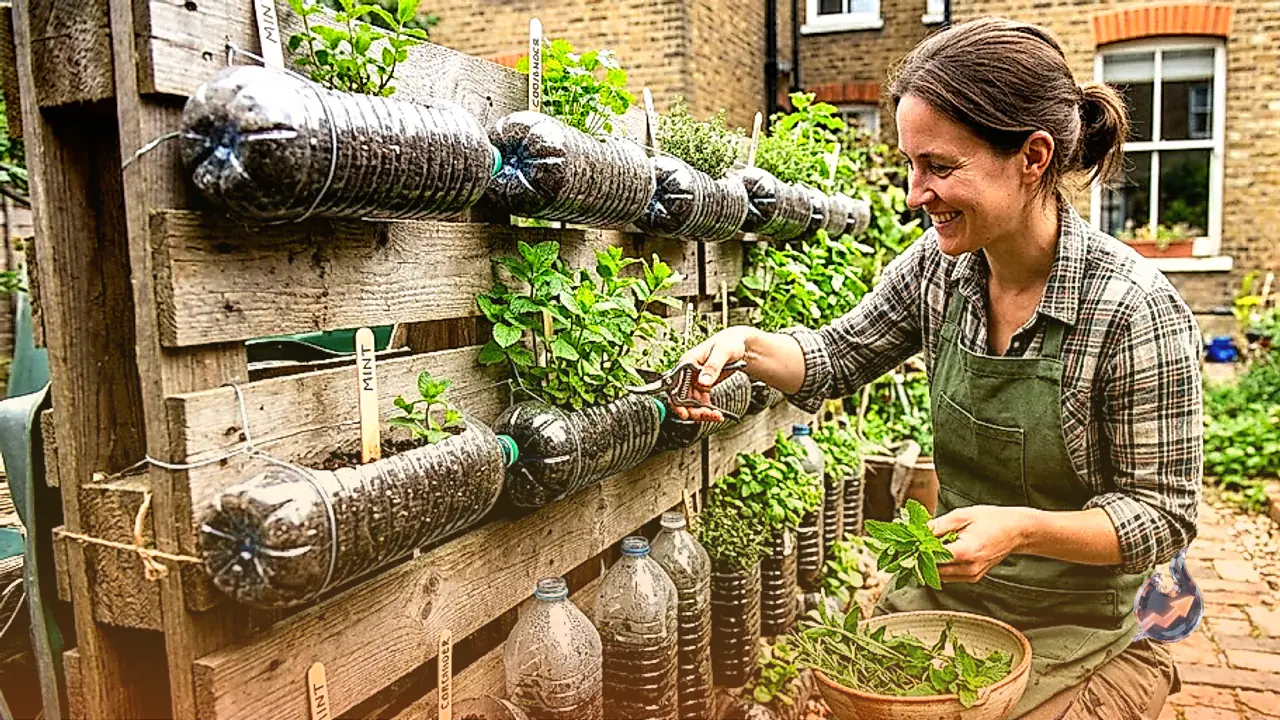




















Empty plastic bottles from water and cold drinks are frequently discarded as household waste, but with a bit of creativity, they can become valuable assets for a home kitchen garden. By repurposing these containers as improvised planters, residents can easily cultivate fresh herbs and small vegetables such as coriander, mint, green chillies, spinach, and fenugreek. This sustainable practice not only promotes upcycling of domestic waste but also eliminates the need to purchase expensive ceramic or terracotta pots from the market.
Preparing the Bottle and Soil Mixture
The process begins by thoroughly washing and cleaning the plastic bottle to ensure no sticky residue or leftover liquid remains inside. Next, the upper portion of the bottle is carefully cut away, and small drainage holes are pierced at the bottom to allow excess water to escape freely. A balanced potting medium consisting of quality garden soil, organic compost, and coco peat is then filled inside the container. Once placed on a firm surface or balcony floor, adequate sunlight and ventilation must be ensured for optimal plant growth.
Designing a Vertical Garden for Compact Spaces
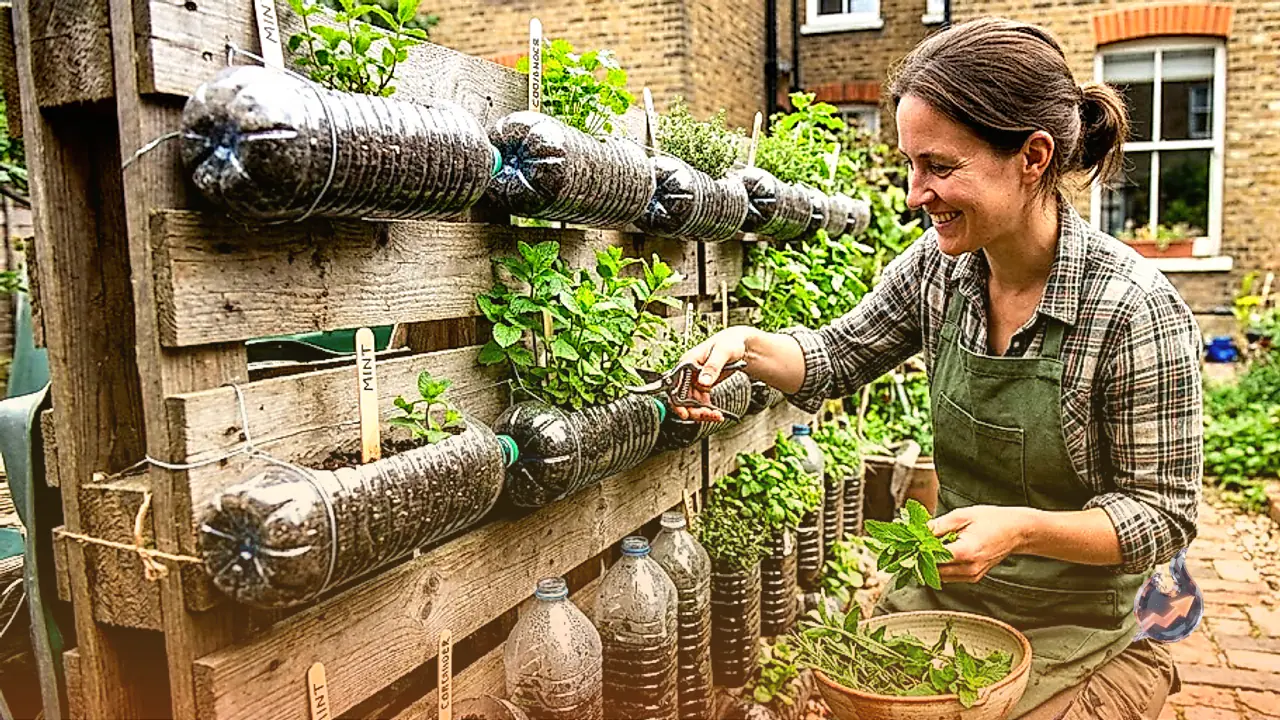
For homes where floor space is limited, empty bottles can be deployed to construct an efficient vertical kitchen garden. The bottle is cut lengthwise along the side to create an open trough, which is filled with soil and securely suspended using sturdy ropes or wires. By arranging multiple bottles at different heights along a wall, balcony railing, or near a window, gardeners can maximize small areas to grow shallow-rooted crops like mint, coriander, and fenugreek without cluttering the living space.
Implementing a Slow Watering Mechanism
Plastic bottles can also double as a slow-release watering device for delicate plants. This is achieved by piercing one or two very fine holes in the bottle cap, filling the container with water, and placing it upside down near the root zone so moisture trickles into the soil gradually. This method proves especially useful during busy days when frequent manual watering is impractical, though the water flow rate requires periodic checking to prevent over-saturation or drying out.
Aesthetic Customization and Safety Precautions
The primary advantage of utilizing discarded bottles in gardening is giving otherwise useless items a productive second life. These planters can be painted with bright, cheerful colors to enhance the visual appeal of balconies, windowsills, and compact urban apartments. Nevertheless, caution must be exercised while cutting the plastic to protect hands, and the sharp edges should be smoothed down or taped over to prevent accidental cuts or injuries during daily gardening maintenance.