





















When weather conditions fluctuate rapidly between intense sunlight and unexpected rainfall, home air conditioning systems face severe operational stress. In places like Noida where bright sunshine at 34 degrees Celsius can quickly give way to rain, running an air conditioner inefficiently can cause major problems. Many individuals make the mistake of setting their thermostat straight down to 18 degrees Celsius as soon as they feel warm. When severe heatwaves above 40 degrees Celsius strike outdoors, maintaining the thermostat between 24 and 26 degrees Celsius is the safest and most efficient approach. This prevents the compressor from taking on excessive strain while keeping power consumption under control. Moreover, walking into extreme outdoor heat after sitting in an overly chilled room exposes the human body to thermal shock, which can lead to sudden illness.
Cooling Strategy for Severe Heat and Heatwaves
During intense heatwaves, setting the fan speed to high initially helps distribute cold air into every corner of the room in rapid fashion. Once the living space reaches a comfortable ambiance, lowering the fan speed to medium maintains that level without waste. In dry, hot weather, keeping the system strictly on cool mode is essential. Running dry mode during a heatwave is harmful because outdoor heat already strips moisture from the environment. Activating dry mode under these conditions removes even more moisture from indoor air, creating excessive dryness that irritates both skin and throat tissues.
Retaining chilled air within the room requires keeping all exterior windows and doors firmly shut. Placing thick curtains over windows facing direct sunlight keeps radiant heat from penetrating the room. For those returning from work or outdoor errands, relying on the appliance's built-in timer offers a practical solution. Programming the unit to turn on roughly 20 to 30 minutes before arrival cools down the home in advance, eliminating the urge to blast the unit at minimum temperature settings immediately upon entering.
Managing Rain, Humidity, and Power Disruptions
Rainfall typically pushes outdoor readings down to a range between 25 and 30 degrees Celsius, but relative humidity spikes dramatically. Under such sticky atmospheric conditions, dry mode serves as the primary operational setting. Most remote controls designate this feature with a water droplet symbol. Setting the thermostat to 28 degrees Celsius or shifting to dry mode absorbs excess indoor moisture without pulling temperatures uncomfortably low. Running the system in this manner delivers steady comfort while drawing significantly less electrical power.
Frequent electrical outages often accompany rainy periods, making voltage fluctuations a serious hazard. Installing a dependable voltage stabilizer shields delicate components from sudden electrical surges. When power cuts out and returns almost immediately, avoid restarting the appliance instantly. Waiting at least 5 minutes allows pressure inside the compressor mechanism to stabilize before restarting. Closing all windows the moment rain arrives is equally vital, as admitting damp outside air forces the unit to work twice as hard to dehumidify the interior, wasting significant electricity.
Efficiency Rules, Maintenance, and Compressor Care
Operating an air conditioner at 24 degrees Celsius remains the most economical benchmark across all seasons. Research demonstrates that raising the temperature setting by just 1 degree Celsius reduces electricity consumption by roughly 6 percent. Selecting sleep mode overnight gradually increases temperature levels throughout the sleeping hours, preventing morning chills and conserving energy. Furthermore, cleaning the air filters every two weeks is crucial, given that clogged and dirty filter screens can inflate electricity usage by 15 to 20 percent.
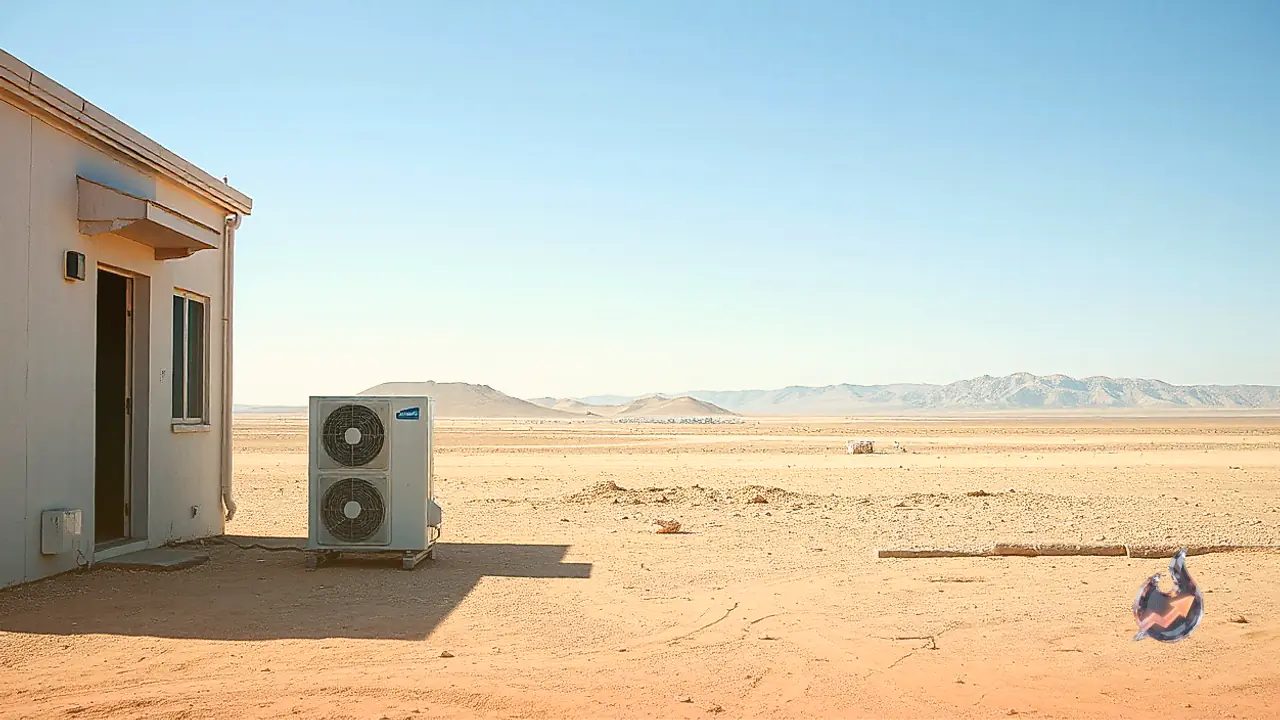
Adapting usage patterns as environmental conditions shift protects mechanical health. If a scorching heatwave transitions into sudden rain, switch off the appliance and wait 10 minutes before turning it back on in dry mode. Once rain ceases and dry heat returns, switch back to regular cool mode. Ensuring that the outdoor condenser unit is shaded from direct sunlight enhances heat dissipation and improves cooling performance. Gas leaks also become common during fluctuating weather patterns, requiring prompt servicing by a certified technician if cooling output drops. Preventing rainwater from pooling around the outdoor condenser and granting the machine a 1-hour rest after 8 hours of continuous operation in severe heat will preserve unit longevity and curb utility bills.