






















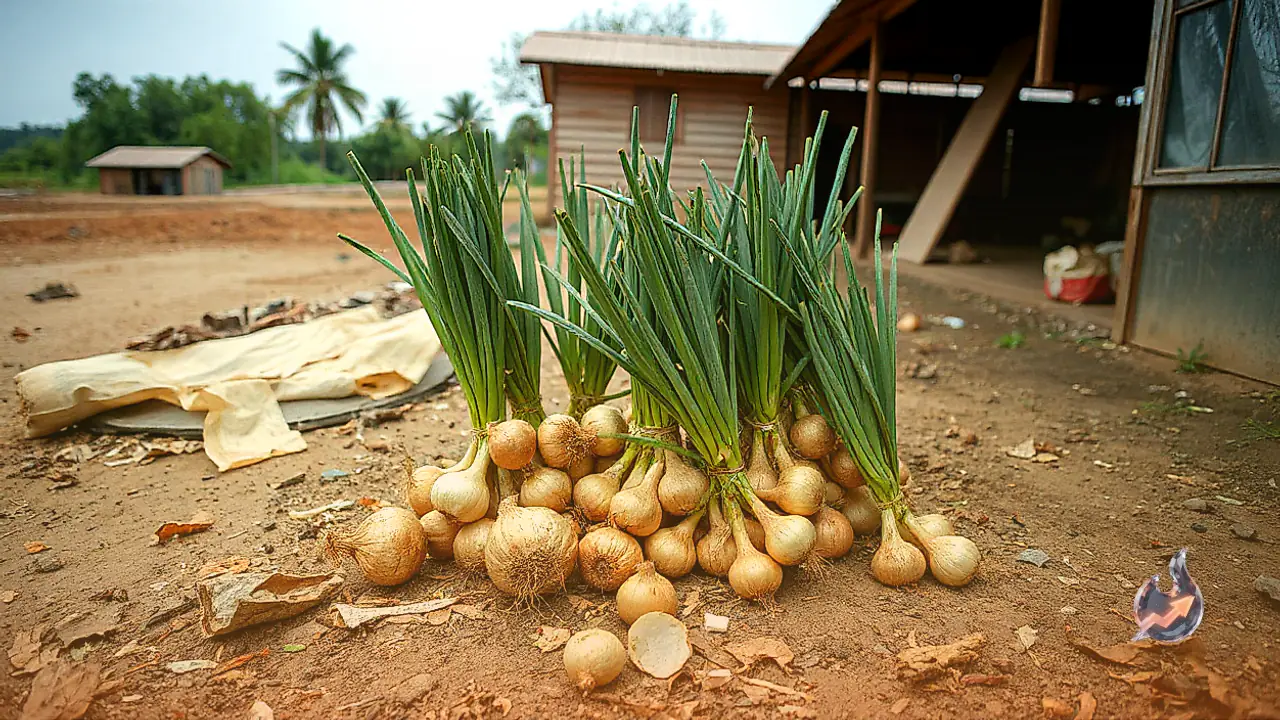

Onions are an indispensable staple in everyday home cooking, yet the bottom root section almost always ends up tossed into the garbage bin. That small, discarded piece holds the potential to regenerate an entirely new plant right at home. Gardening enthusiasts do not need to spend money on commercial seeds or nursery saplings to cultivate onions. By simply planting this leftover root base into a container, anyone can harvest fresh green shoots within days and watch a mature onion bulb develop beneath the soil over time.
Step-by-Step Planting Process for Onion Root Offshoots
Regrowing onions begins right at the kitchen cutting board. When prepping an onion, slice off the base in a way that preserves the root system along with a small portion of the onion flesh. Leaving that bit of bulb attached is essential, as it supplies the initial energy the roots require to establish themselves. Next, prepare a suitable gardening pot filled with loose, nutrient-rich potting soil.
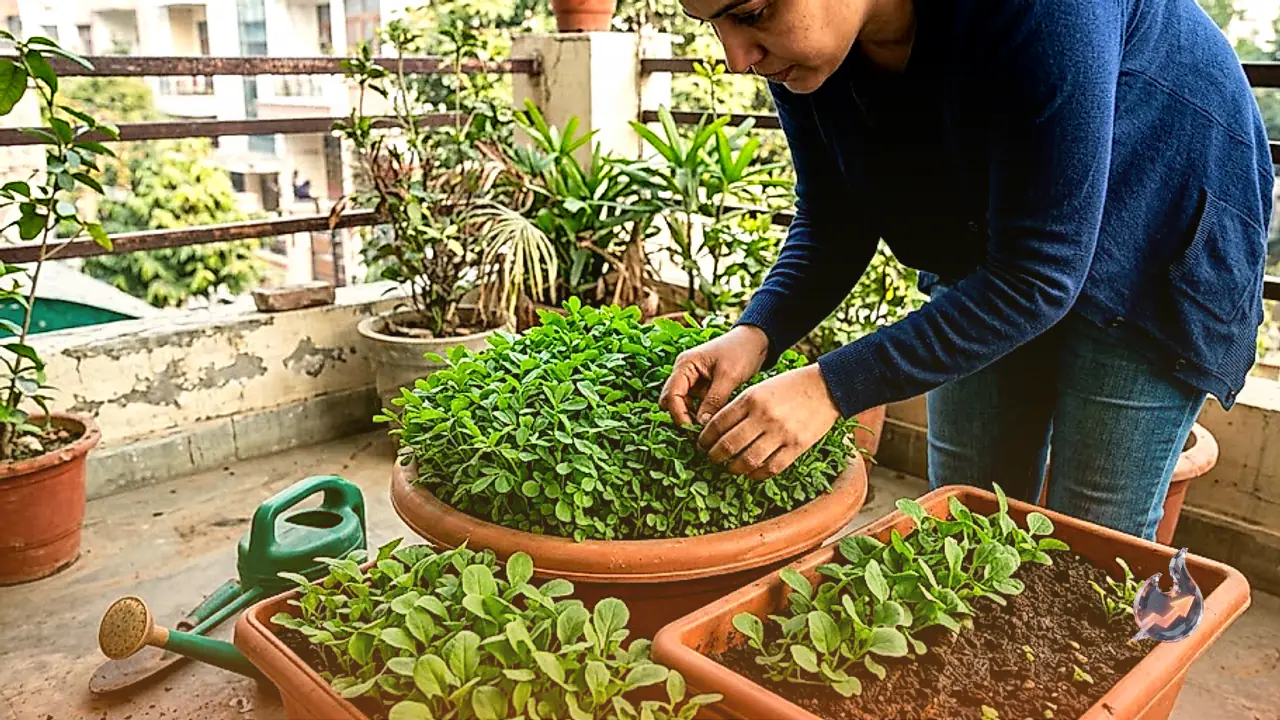
Place the cut onion piece into the soil with the roots pointing downward and the sliced flat surface facing upward. Cover the fragment with a thin layer of soil so it rests securely beneath the surface, and follow up with a gentle sprinkle of water to settle the soil. Within just a few days, new green shoots will pierce through the dirt, confirming that the regrowth process is underway.
Essential Nutrition and Organic Fertilizers for Vigorous Growth
Proper nourishment becomes vital once the green shoots emerge and begin demanding more sustenance. To maintain healthy plant vigor, regular additions of organic matter are necessary throughout the growing period. Gardeners should periodically enrich the potting mix with vermicompost, well-aged cattle manure, or leaf-mould compost made from dried foliage.
These organic amendments steadily supply trace minerals, improve overall soil texture, and help retain moisture. Alongside regular feeding, monitoring soil dampness is crucial because completely dry soil can stunt the fragile young roots and halt foliage progression.
Managing Moisture Levels and Routine Soil Aeration
Onion plants require a steady supply of moisture to flourish, making regular watering an essential part of the care routine. The soil should remain consistently damp to the touch, yet waterlogging must be avoided at all costs. Standing water in the container suffocates the root system and causes the underground onion base to rot rapidly.
To complement proper watering, gardeners should lightly aerate the top layer of soil every 15 to 20 days. Loosening the soil prevents compaction, improves aeration around the root zone, and provides the underground system ample room to expand freely without resistance.
Protecting Foliage for Bulb Development and Harvesting Signs
As the plant matures, the tissue right above the root cluster begins swelling into a dense bulb. During this active formation phase, gardeners should resist the urge to pluck or prune the green leaves. These vibrant blades act as the plant's solar panels, synthesizing energy that directly feeds bulb enlargement underground. Removing foliage prematurely deprives the bulb of essential nutrients.
If the plant sends up a central flowering stalk or seed stem, it should be trimmed off immediately to redirect resources toward the bulb rather than seed production. Over time, when the onion bulb reaches full size, the upright leaves will naturally turn yellow, dry out, and flop over. This foliage collapse signals that the homegrown onion is mature and ready for harvesting, proving that ordinary kitchen discards can easily yield fresh produce.