























With the arrival of the monsoon season, the earthy aroma of fresh rain naturally inspires people to bring a touch of refreshing greenery into their living spaces. Transforming a balcony, windowsill, or tiny outdoor spot into a flourishing garden does not require a large yard or expensive trips to a plant nursery. Everyday ingredients readily available in your kitchen can serve as the perfect foundation for a compact home herbal garden. A sprouted piece of ginger, mint sprigs rooted in water, or a healthy basil plant can easily be propagated into thriving greenery with basic care.
Why Monsoon Is Ideal for Kitchen Gardening and Key Precautions
The rainy season provides optimal conditions for propagating new plants at home. Atmospheric humidity stays consistently high, enabling young cuttings and sprouted roots to establish quickly without drying out. However, proper care must be taken regarding drainage. Excess rainwater should never be allowed to accumulate inside containers, as stagnant water causes delicate root systems to rot. As long as your balcony or window area receives adequate natural light, you can easily start your gardening journey using six common kitchen staples.
1. Holy Basil (Tulsi): The Essential Aromatic Herb
Holy basil holds a cherished place in Indian households and is commonly grown near courtyards, balconies, or sunny windows. Its fresh leaves are widely used in daily teas and homemade herbal brews. While monsoon weather accelerates the growth of holy basil, overwatering can quickly harm the plant. It is essential to use well-draining soil mix that allows excess water to escape freely. Keep the pot in a bright area where the soil remains gently moist. Whenever dense flower spikes begin to appear on top, pinch off their upper tips regularly. This practice prevents premature seeding and encourages the plant to branch out into a lush, bushy bush.
2. Sprouted Ginger: From Kitchen Basket to Planter
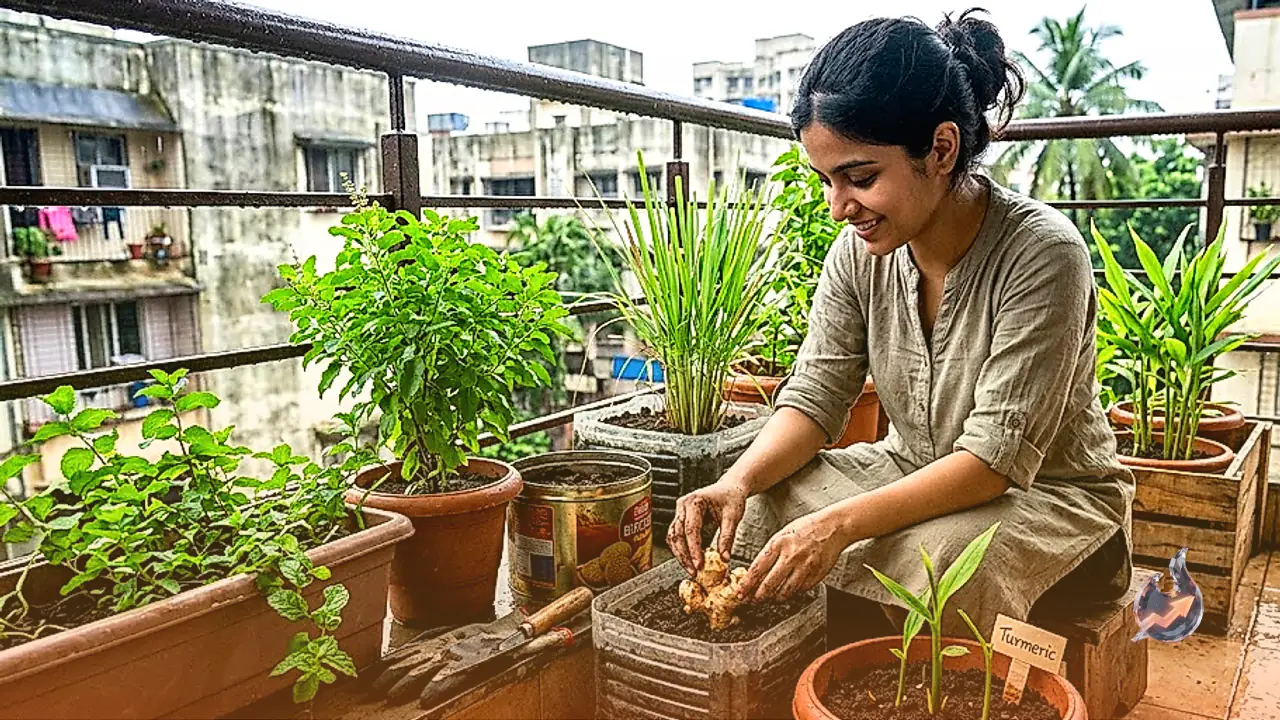
Ginger rhizomes kept in kitchen baskets often begin sprouting small nodes after a few days. Instead of discarding these sprouted pieces, they can be planted in containers. Select a ginger piece featuring visible green or pale growth buds. Insert the rhizome into loose, aerated soil with the sprouting buds pointing upward. Place the container in a warm area with indirect sunlight, avoiding harsh direct sun during the early stages. Water only when the top layer of soil begins to feel dry to the touch.
3. Turmeric: Cultivating Fresh Medicinal Rhizomes
Turmeric is an indispensable spice in culinary traditions, and its rhizomes grow under conditions very similar to ginger. Warm monsoon temperatures combined with high humidity create ideal conditions for early rhizome development. Choose a healthy turmeric knob and bury it a few centimeters deep into loose soil, keeping the growth buds facing up. Ensure the container features functional drainage holes, as persistently soggy soil will decay the underground rhizomes before they sprout fully.
4. Fresh Mint: Propagating Fast-Growing Sprigs in Water
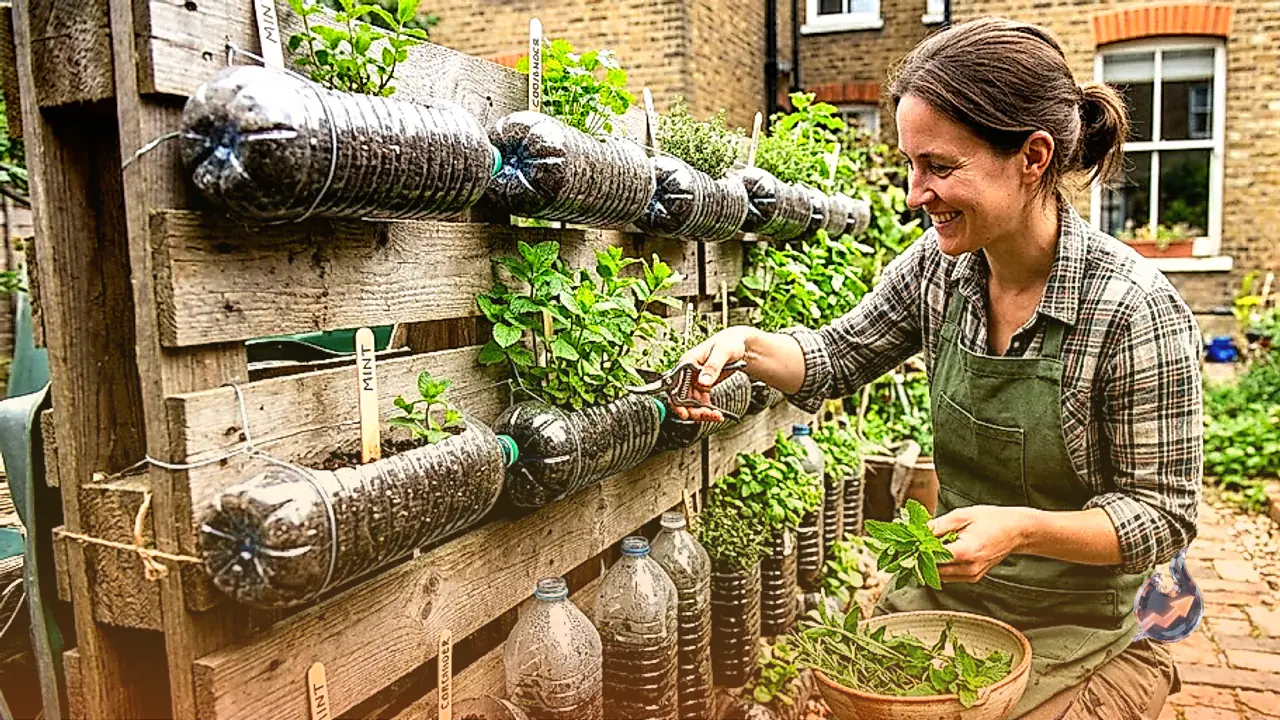
Mint is among the easiest herbs to cultivate at home using simple stem cuttings. Prized for its cool fragrance in chutneys, beverages, and tea, mint spreads rapidly. Take several fresh green mint stems from your kitchen, strip the lower leaves, and submerge their bases in a small glass of water. Within a few days, bright white roots will emerge from the submerged stems. Once roots develop, transplant the cuttings into a soil-filled pot. Because mint roots spread aggressively, it is best to allocate a dedicated container exclusively for mint.
5. Carom Seeds (Ajwain): Turning Kitchen Spices into Plants
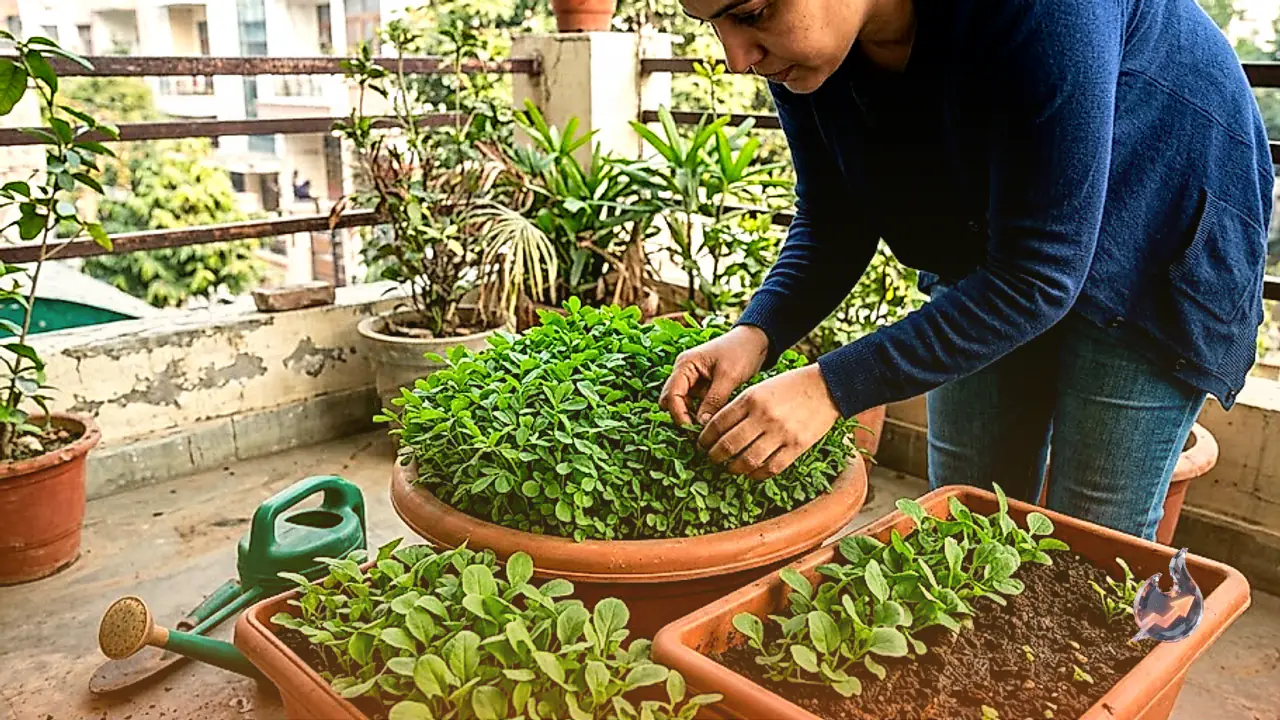
Carom seeds are a pantry staple in almost every home, yet few realize these seeds can be grown into attractive aromatic plants. If you have spare pots available, sowing carom seeds is an effortless way to expand your kitchen garden. Scatter the seeds over light, crumbly soil and cover them lightly with a thin layer of earth. Position the container where it can receive a few hours of direct daily sunlight. Exercise caution when watering during rainy weather, as over-moist soil can rot delicate seeds before germination.
6. Lemongrass: Rooting Market Stalks for Aromatic Brews
Lemongrass is celebrated for its citrusy aroma in herbal teas and infusions. Fresh lemongrass stalks purchased from the market can easily sprout new roots if propagated correctly. Trim the stalk and submerge the lower base in water until new root structures develop. Once a healthy root system appears, transplant the stalk into a soil container. Lemongrass thrives in well-lit spots with indirect sunlight, provided the container maintains proper water drainage.
Smart Beginner Tips for Container Gardening
Building a home garden does not require purchasing numerous containers at once. Beginners can start comfortably with just two or three pots for instance, growing holy basil in one, mint in another, and ginger in a third. Once you become familiar with watering schedules, sunlight needs, and soil moisture levels, you can gradually expand your collection to include turmeric, carom seeds, and lemongrass for a diverse herbal corner.