






















Monsoon conditions generally offer an ideal growth window for Jasmine plants. While peak flowering naturally takes place between March and June, certain specialized varieties continue to bloom reliably through September or October. When a container-grown plant stops developing fresh buds or exhibits stunted growth during the wet season, it signals that new branch formation has stalled. Restoring its vigor requires a systematic approach to pruning, root management, and organic soil enrichment tailored to the specific biological needs of the plant.
Distinguishing Jasmine from Related Varieties
Gardeners frequently confuse Bela, Juhi, Chameli, and Mogra due to their shared membership in the Jasmine family and their distinctive, intense fragrance. However, clear botanical differences exist in their leaf structure and floral habits. Common Jasmine carries the scientific name Jasminum, whereas Mogra is classified as Jasminum sambac. Jasmine blossoms display white, yellow, or pink hues, featuring small flowers that open in clusters and release a sweet, heavy scent that intensifies at night. Its foliage is characteristically long and narrow. In contrast, Mogra features thicker, glossy leaves with small single or double-petaled flowers that carry an exceptionally strong perfume.
Pruning Techniques and Disease Prevention
When bud development grinds to a halt, prompt identification and removal of dormant or non-productive stems is necessary. Pruning encourages lateral branching, creating a fuller canopy that directly correlates with increased flower production. Immediately after making clean cuts, apply a thick paste of turmeric or a targeted fungicide over the exposed stem tips to block fungal spores and insect entry. During rainy periods, position the pot where it receives direct morning sunlight whenever available. Because these flowers are frequently harvested for traditional or ceremonial uses, synthetic chemical fertilizers and bone meal should be strictly avoided.
Drainage Management, Root Trimming, and Aeration
Proper container drainage is imperative during the monsoon to prevent waterlogging, which rapidly leads to root rot. Irrigation should only occur after checking that the top 1.5 to 2 inches of soil has dried completely. Regular soil loosenings, known as weeding and hoeing, prevent compaction. If a plant becomes severely root-bound within its container, nutrient absorption drops, halting blossom production. Severe root pruning or transplanting into a 12-inch terracotta pot restores root vitality. Hoeing introduces essential oxygen and light to the root zone, and should always be followed by an application of well-rotted cow dung manure or organic compost along with adequate watering.
Acidic Soil Adjustments and Potassium Rich Organic Feeds
Jasmine thrives in slightly acidic soil conditions and benefits from a refreshed nutrient cycle every 20 days. A diluted alum solution or soaked orange peel water effectively maintains the desired soil pH. Dried banana and potato peels ground into a fine powder provide an exceptional natural source of potassium and trace minerals essential for bud setting. Liquid extracts made from banana peels can also be applied directly. Integrating two to three tablespoons of neem cake after hoeing serves a dual purpose: it supplies natural NPK (nitrogen, phosphorus, and potassium) while offering potent antifungal protection. Following this regimen usually triggers fresh blooms within 15 to 20 days.
Enhancing Leaf Shine and Accelerating Bud Growth
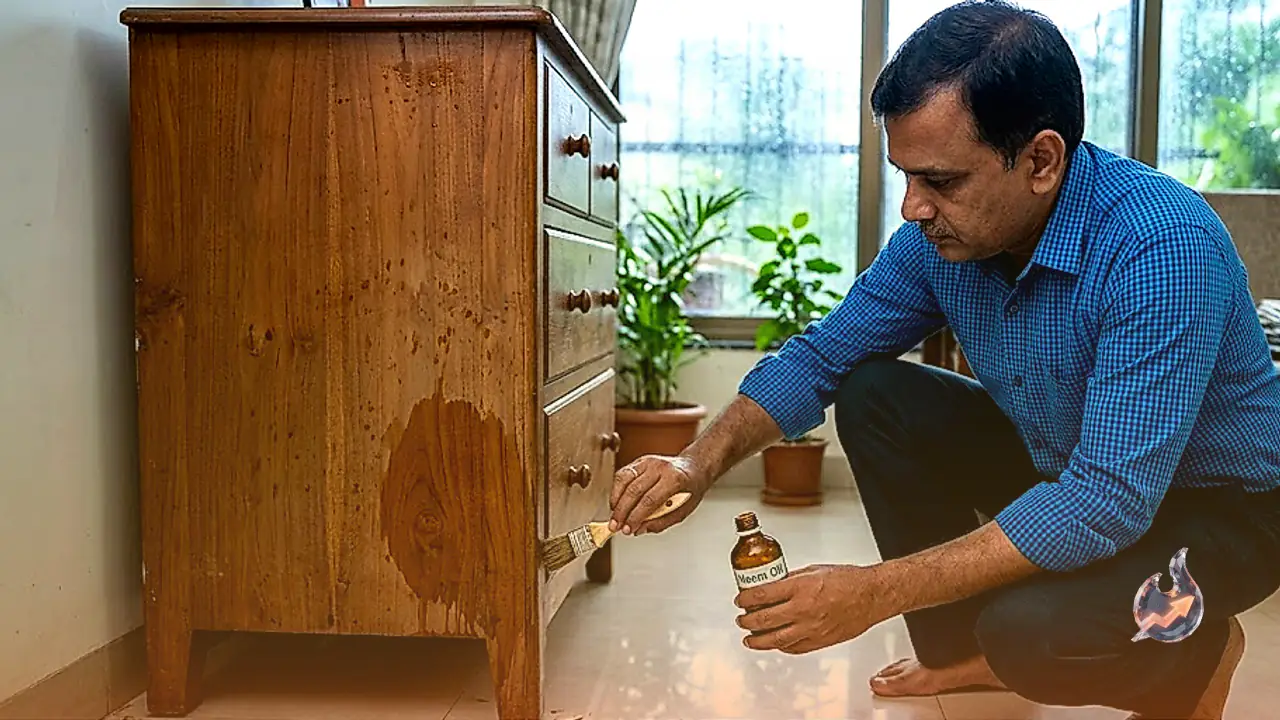
Alternating organic fertilizers prevents soil saturation of any single mineral and keeps growth uniform. To protect tender leaves and buds from rain-induced pest infestations, periodic sprays of diluted neem oil are recommended. Adding two tablespoons of Epsom salt improves chlorophyll production, making leaves noticeably glossier and supporting heavier flowering. Clean, unused tea leaves or coffee grounds can also be incorporated into the topsoil. For an advanced growth boost, mix four to five tablespoons of four to five-day-old curd into one liter of water, allow the solution to rest for three to four days, and apply it to the soil once a month to stimulate soil microbes and accelerate budding.