

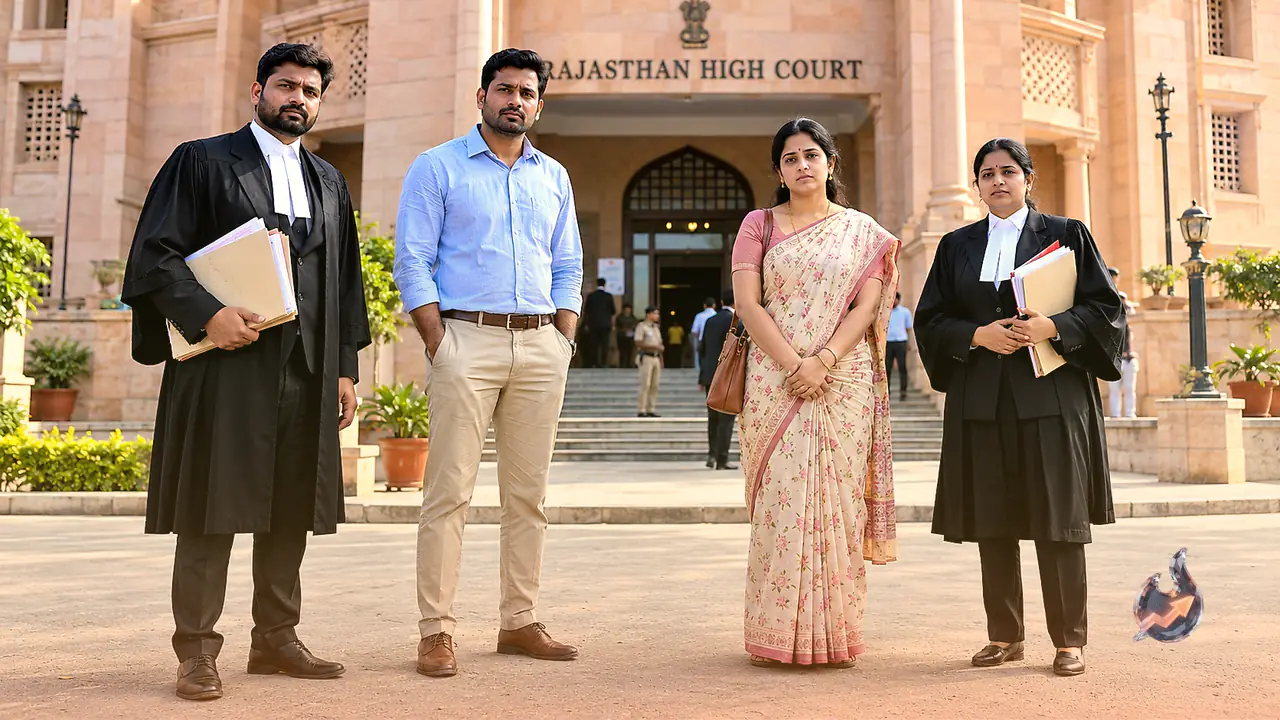
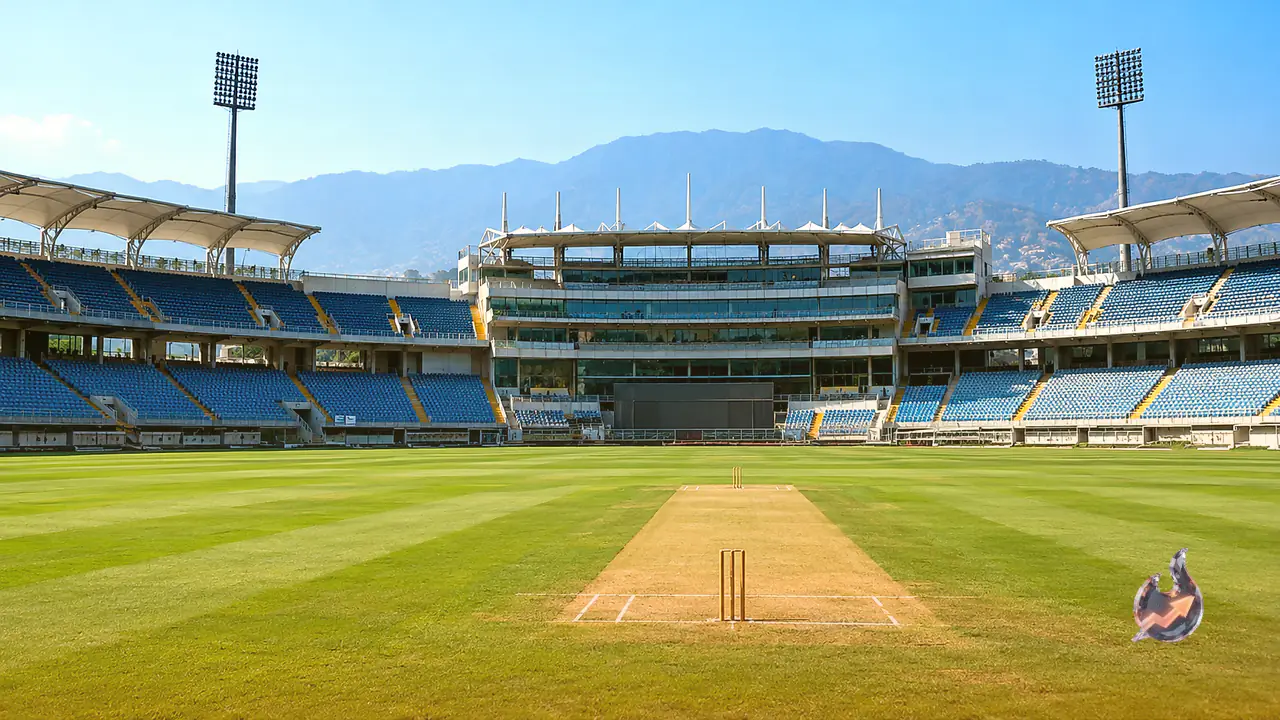















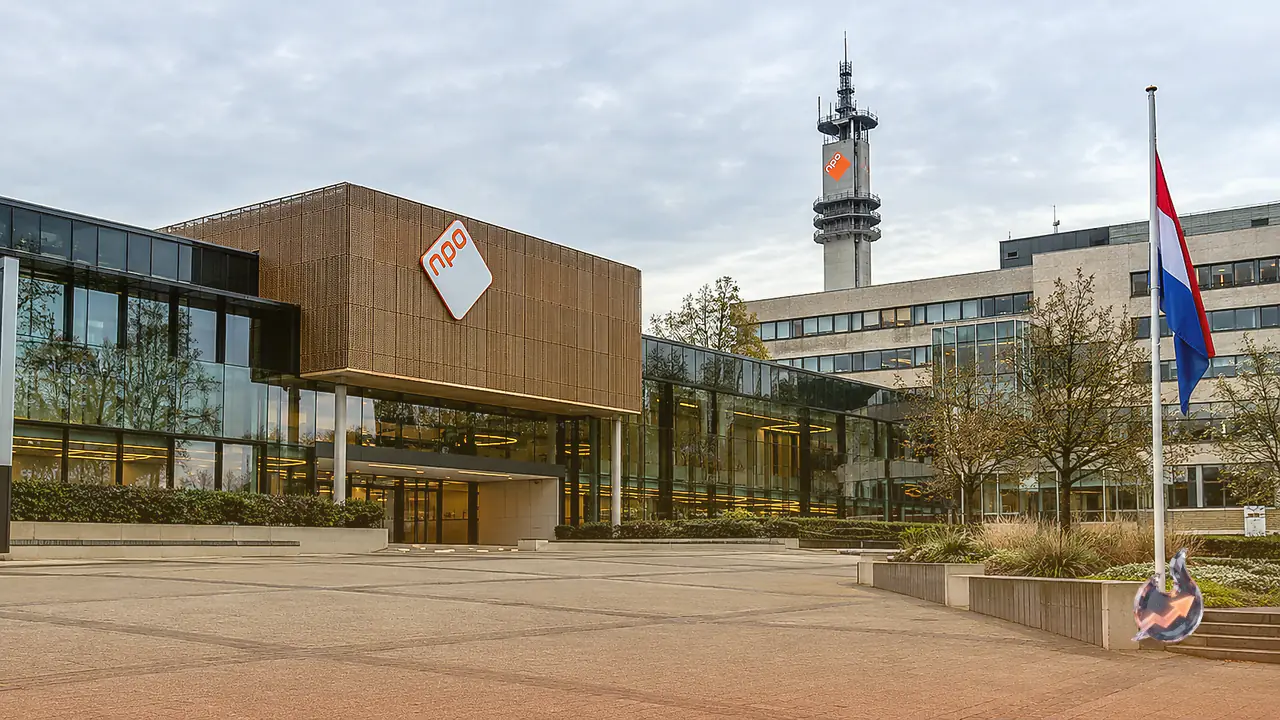

Dutch public network NPO has reversed an earlier intention to participate and confirmed that the Netherlands will not enter the Eurovision Song Contest in 2027. Media officials pointed to intense societal unease and polarising domestic debates surrounding the ongoing inclusion of Israel as the primary justification for stepping away from the international musical stage.
Deliberations and Broadcaster Stance
The latest withdrawal follows a turbulent chapter in which Dutch broadcaster Avrotros stepped back, prompting the Netherlands and four other nations to boycott this year's staging of the competition. Seeking a path forward, NPO leadership initiated formal consultations across television partners to gauge sentiment regarding a prospective comeback. Media director Jurre Bosman noted that Israel's presence continues to generate wide-ranging public reactions that fuel friction and polarisation, leading the network to forgo its place in the 2027 lineup.
Broadcaster chair Jet de Ranitz explained that discussions were initially optimistic regarding an eventual return to the contest stage. However, the involved parties found it impossible to design an acceptable arrangement under current circumstances. "Due to the sensitivities surrounding the themes currently at play, we have decided to take a step back for the time being," she stated. Network leaders acknowledged that while domestic enthusiasts might feel let down by the withdrawal, viewers across the Netherlands will still be able to watch the live television broadcast of the event.
Contest Leadership Response and Unity Mission
Contest organisers expressed sorrow over the Dutch exit while acknowledging the complex political and social undercurrents involved. Event director Martin Green stated, "We understand their decision, and we respect the strength of feeling behind it." He emphasised that leadership recognises how perspectives regarding the competition diverge sharply across participating societies and between different countries.
At the same time, tournament organisers defended the cultural role of the gathering, arguing that music and collaborative creativity offer rare opportunities to foster connection in an increasingly fragmented world. Management underlined its commitment to maintaining the event's historical ethos of collective unity, adding that a future Dutch delegation will be warmly welcomed whenever national broadcasters deem the timing appropriate to return.
Widening Boycotts and Policy Overhauls
The friction surrounding Israeli involvement traces back directly to intense international criticism directed at its armed campaigns across Gaza and the broader Middle East. During the 2026 edition, a bloc of five nations comprising the Netherlands, Iceland, Spain, Ireland, and Slovenia refused to take part over these unresolved ethical and geopolitical concerns. Seeking to de-escalate tensions, competition supervisors introduced structural reforms, such as disqualifying any nation embroiled in an active armed conflict from hosting duties and restructuring public voting mechanisms.
Despite those official rule modifications, resistance among European television networks continues to spread ahead of the upcoming tournament. Ireland has formally confirmed it will join the Netherlands on the sidelines in 2027, while the leadership of Spain's public network has voiced strong backing for an organized walkout. Meanwhile, the public broadcaster of the Czech Republic has similarly exited the 2027 roster, though it attributed its departure to institutional spending cuts rather than foreign policy controversies.
Eurovision 2027 is scheduled to be staged in Burgas, Bulgaria, on 15 May, earned after performer Dara secured victory in Vienna earlier this year with the high-energy dance anthem Bangaranga. Nevertheless, the steady wave of broadcaster defections threatens to cast a substantial shadow over the continental showcase.