





















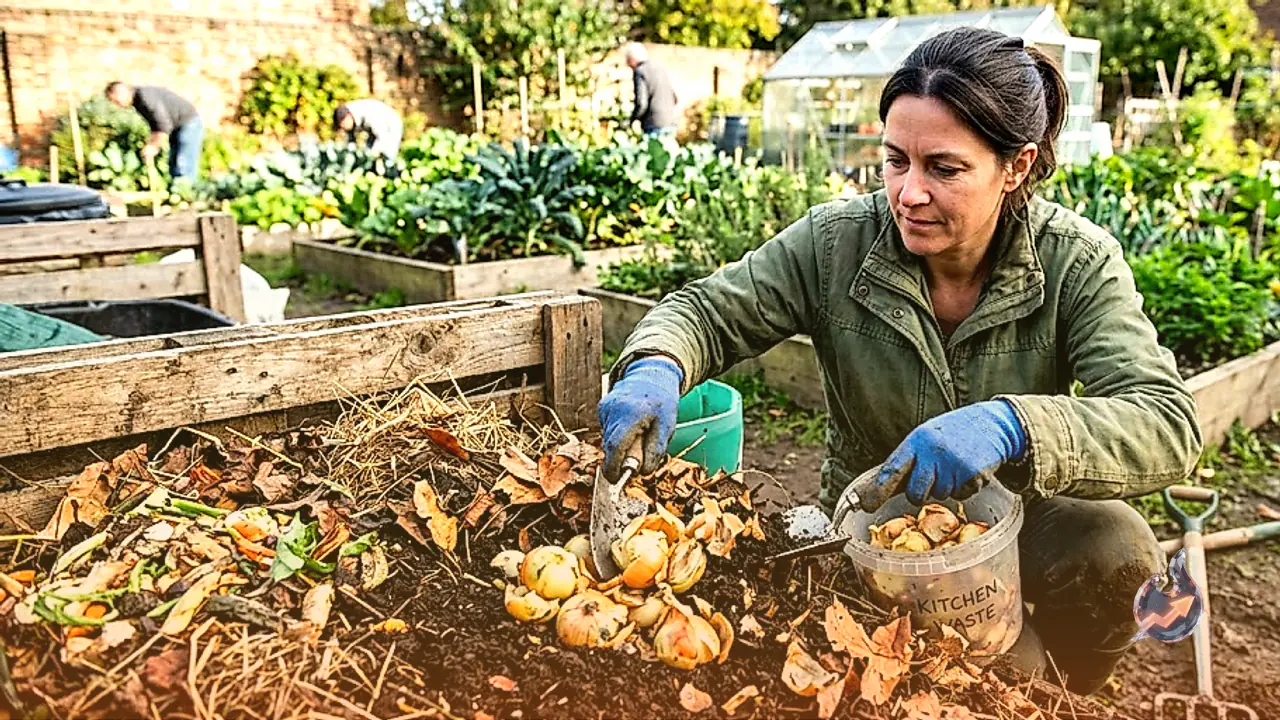

When onions stored in large quantities at home are left unused for prolonged durations, they inevitably begin to decay and soften. Based on practical insights from Bhilwara, discarding these spoiled onions directly into municipal garbage can be completely avoided by converting them into organic compost. This domestic method serves as an excellent resource for households where surplus onions have started rotting before they could be consumed. Repurposing these kitchen staples not only curbs household waste but also turns everyday biodegradable discards into a valuable resource for gardening.
Initial Preparation and Blending of Decaying Onions
The procedure for transforming deteriorated onions into potent organic fertilizer begins with fundamental kitchen prep. The spoiled onions should first be chopped down into relatively small fragments. Slicing them down exposes a wider surface area, which dramatically speeds up the natural breakdown of the organic matter. Following this, the sliced onion bits must be thoroughly blended with garden soil, fallen dry leaves, and other vegetable scraps gathered from the kitchen.
Once properly combined, this whole organic mix should be placed inside a covered container, such as a designated composting tub, an unused bucket, or an empty earthen pot fitted with a secure lid. Covering the container safeguards the mixture and allows the onions, along with complementary kitchen waste, to smoothly transition into the natural decomposition cycle.
Managing Moisture Levels and Ensuring Essential Aeration
Maintaining the proper moisture balance inside the composting container is essential for successful decomposition. The mixture must retain adequate dampness throughout the process. A modest amount of water can be sprinkled whenever the contents feel dry, but excessive watering must be strictly avoided to prevent the pile from becoming waterlogged or foul.
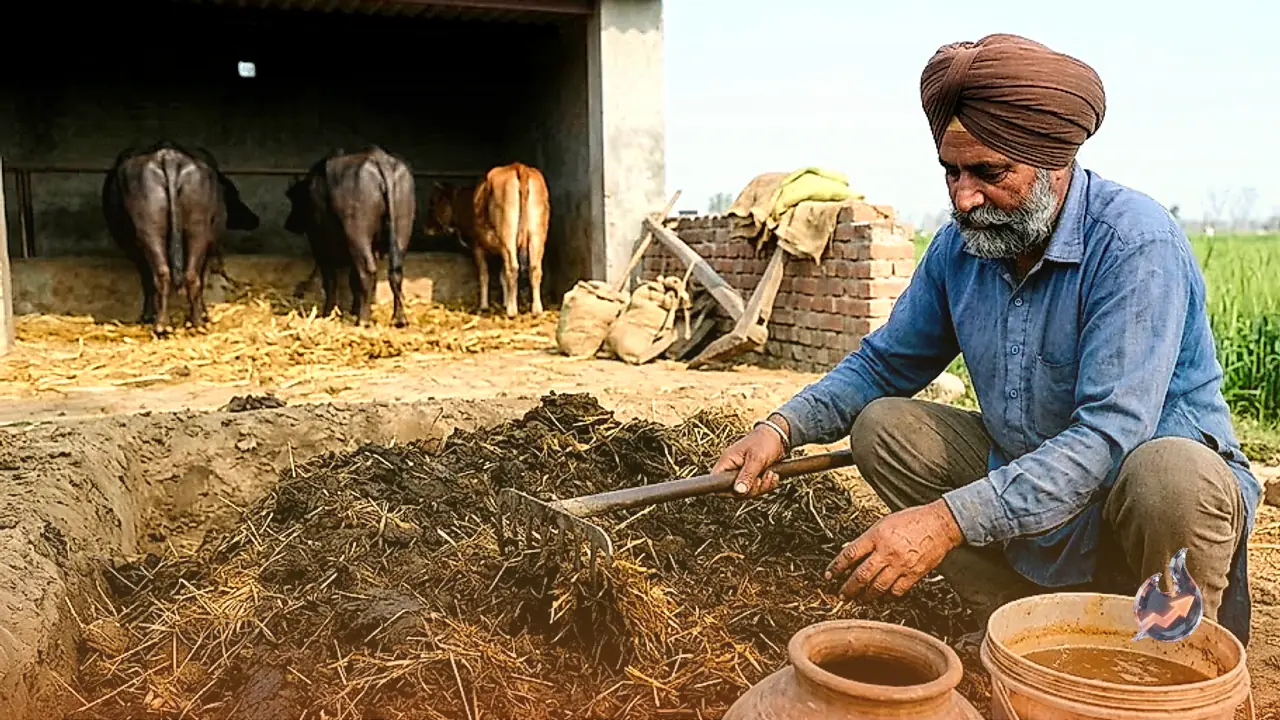
In addition, the entire heap should be turned over every few days using a sturdy stick or garden tool. Routine turning introduces oxygen right into the heart of the mixture. This continuous flow of fresh air supports beneficial decomposition microorganisms, ensuring that the onions and accompanying organic residues break down uniformly and efficiently.
Precautions Against Inorganics and Identifying Mature Compost
While formulating this homemade organic feed, strict caution must be exercised to keep foreign materials entirely out of the container. Non-biodegradable items such as plastic wrappers, glass shards, metal bottle caps, and synthetic waste must never be tossed into the composting vessel, as they do not disintegrate and will compromise the final compost.
Over a span of time, the chopped onions, dry foliage, soil, and organic kitchen leftovers steadily dissolve into a loose, crumbly texture. Gardeners can confirm the fertilizer is ready when the entire blend resembles dark, crumbly earth and the initial pungent onion odor is replaced by a mild, earthy fragrance similar to fresh rain on soil. The exact timeframe needed for full maturation varies according to ambient weather conditions and the starting state of the organic materials.
Application Across Home Pots and Kitchen Gardens
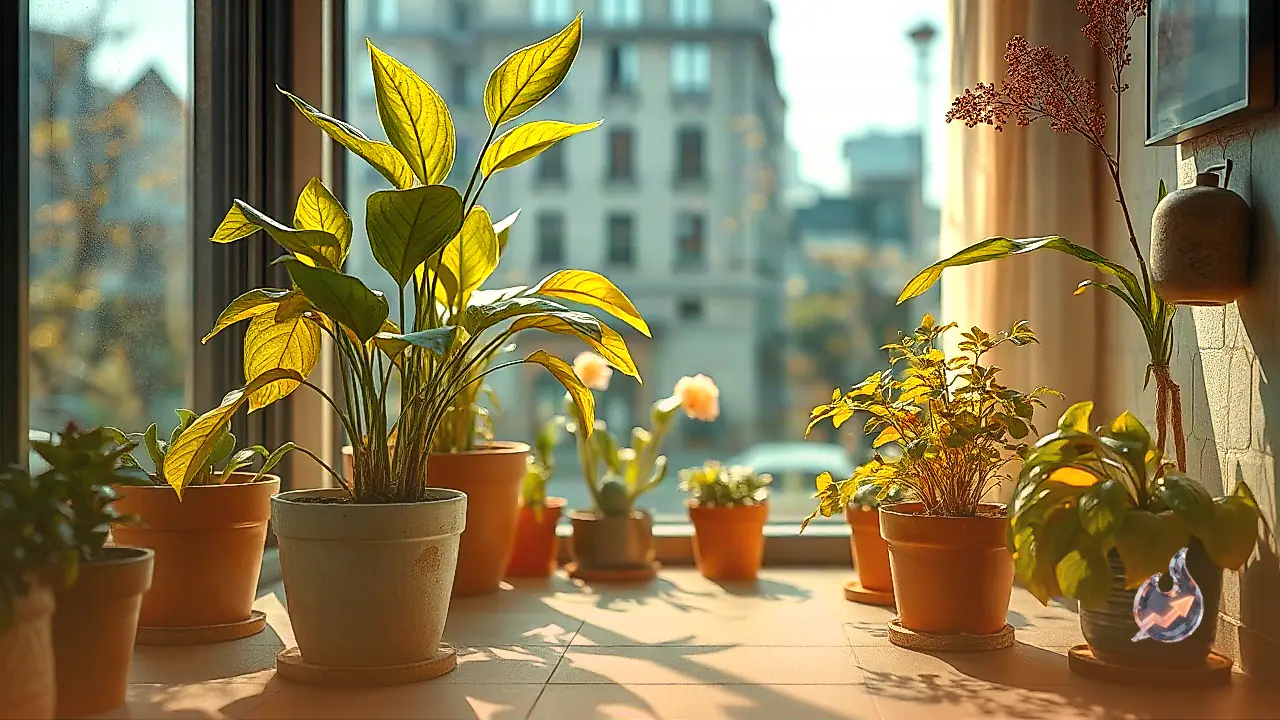
Once mature, this homemade organic compost can be applied across decorative flowerpots, kitchen garden plots, and terrace planting containers. Incorporating this dark organic material into the surrounding topsoil gives rotting onions and daily kitchen waste a productive second life, offering plants an all-natural soil amendment without relying on synthetic alternatives.