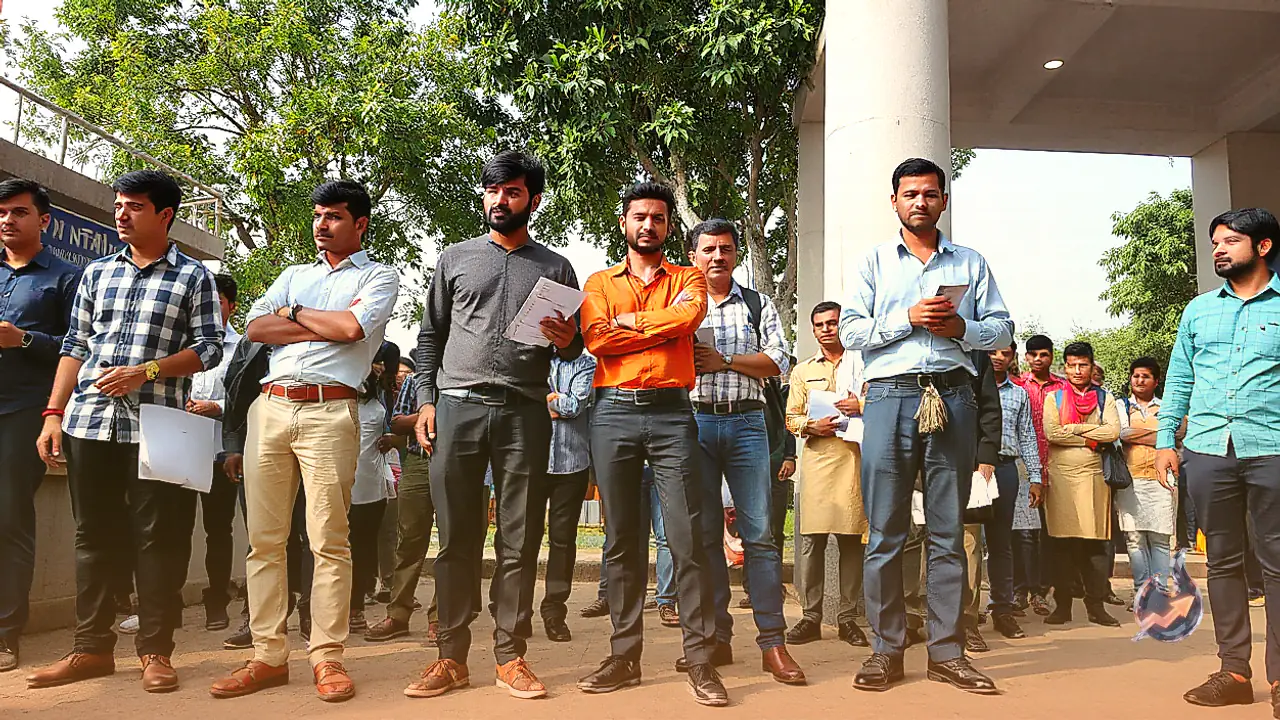




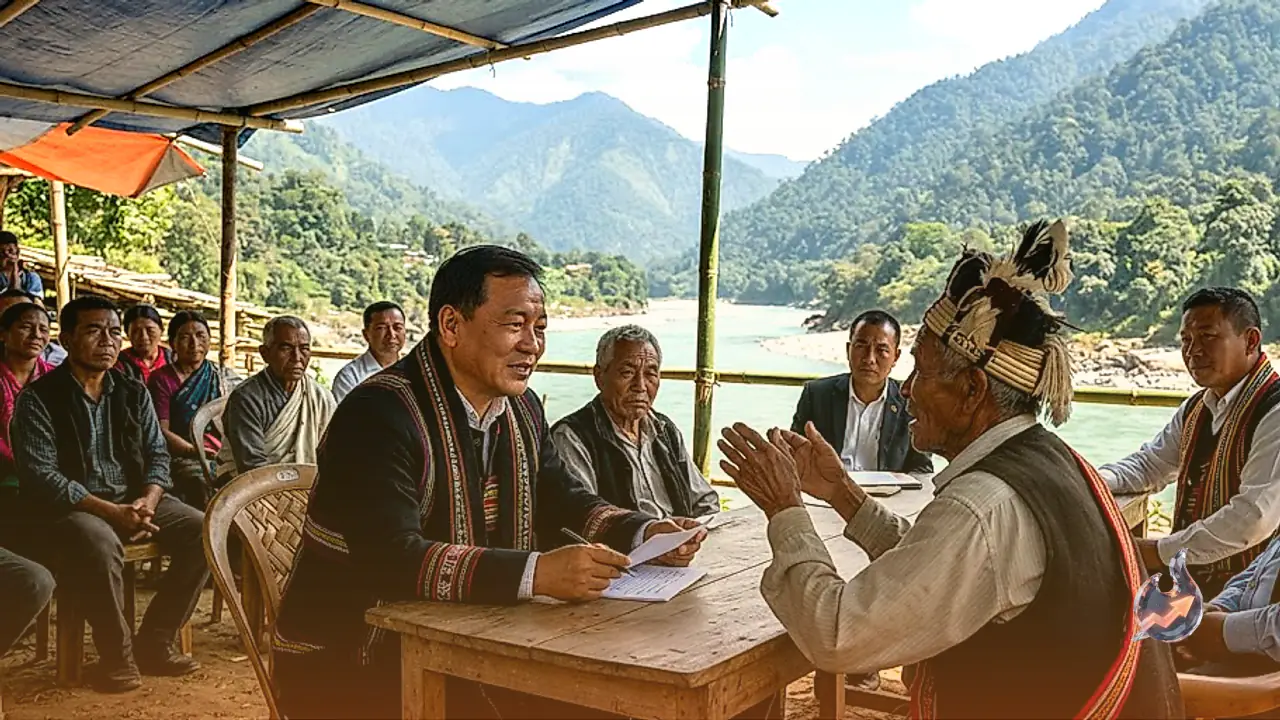
















State-level assistance for competitive examination candidates in Meghalaya received a major boost as Chief Minister Conrad K Sangma spearheaded a specialized seminar dedicated to civil service preparation. Gathered at the Meghalaya Administrative Training Institute (MATI) campus situated in Mawdiangdiang, Shillong, state officials and young scholars convened for 'Ascent 2026', a structured effort to establish a robust support framework for candidates taking national and state competitive tests.
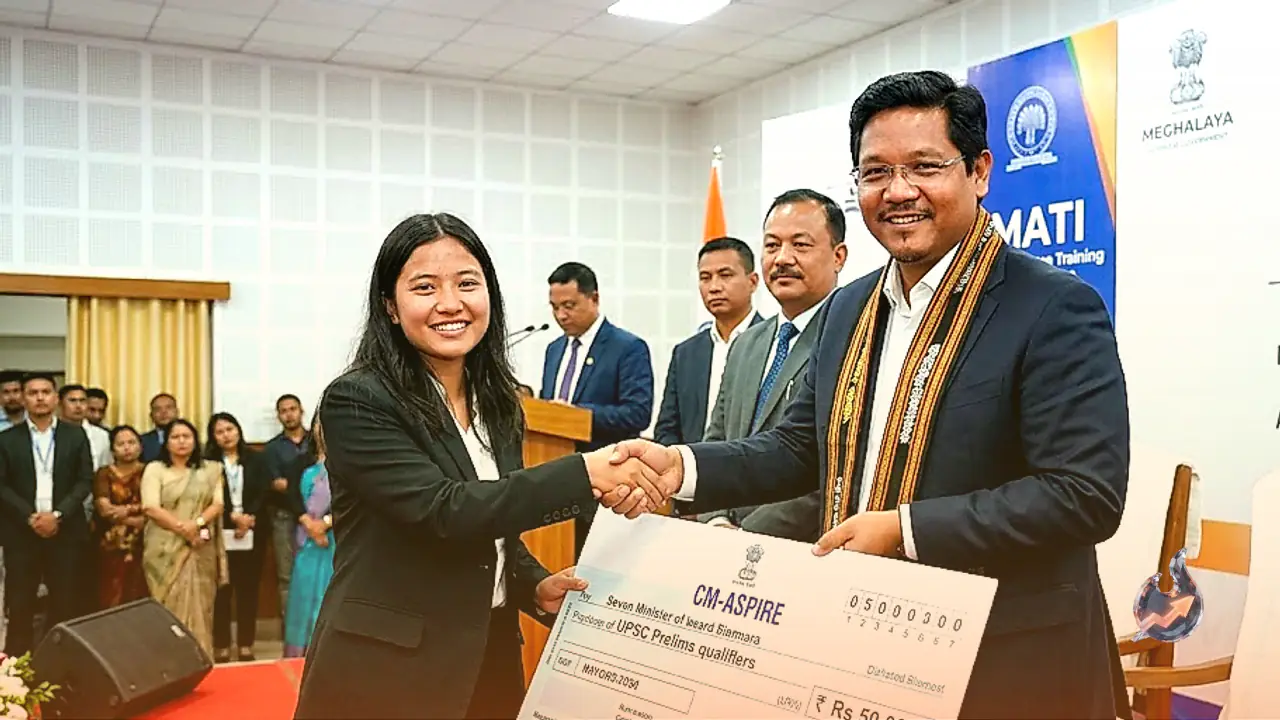
During this session, Sangma distributed CM-Aspire financial assistance cheques worth Rs 50,000 each to seven successful candidates who cleared the UPSC Civil Services Preliminary Examination. Alongside honoring these qualifiers, the Chief Minister inaugurated a state-of-the-art Digital Learning Lab inside the MATI campus, providing modern digital infrastructure to assist upcoming candidates with study resources and technology-driven learning.
Building an Ecosystem for Civil Services
Addressing the gathering of aspirants, parents, and educators, Chief Minister Sangma pointed out that the state of Meghalaya possesses an abundance of raw talent among its youth. However, he observed that young scholars previously lacked a unified platform or ecosystem capable of bringing them together while offering systematic guidance, mentorship, and resources. Sangma commended MATI leadership, including Director General Cyril Diengdoh and Director Swapnil Tembe, for putting together the 'Ascent 2026' seminar, calling the initiative a vital and noble step toward guiding youth vision for competitive exam success.
To illustrate how structured state support yields results, Sangma drew a clear parallel with Meghalaya's ongoing STAR sports programme. Under that sports initiative, state evaluators screened around 30,000 young individuals to pinpoint promising athletic talent, subsequently supplying selected candidates with specialized training, proper nutrition, and educational backing. The long-term goal of the sports framework is to prepare local athletes for national and international contests, targeting Olympic podium finishes by the year 2036. The Chief Minister explained that the CM-Aspire framework works on an identical philosophy, giving civil service candidates multi-stage guidance, training programs, and direct financial help to navigate the demanding stages of the examination process.
Role of Governance, Bureaucracy, and Continuous Monitoring
Delving into broader concepts of governance, Sangma outlined the complementary roles of elected leadership and administrative bureaucracy. He explained that political leaders are responsible for establishing a clear vision and providing firm policy directions. In turn, civil servants and administrative officers must leverage their technical expertise and field knowledge to translate those policy visions into practical, ground-level actions. Furthermore, he emphasized that government schemes require ongoing monitoring and flexible adjustments to ensure they fulfill their intended missions effectively.
Speaking candidly to the audience of students, parents, and teachers, the Chief Minister shared personal reflections regarding resilience, overcoming failures, and maintaining an unyielding sense of purpose. He urged aspirants to define their inner motivations clearly and stay dedicated to their long-term objectives despite setbacks. Beyond exam preparation, Sangma advocated for cultivating a broader state ecosystem that simultaneously fosters innovation, sports, entrepreneurship, and public service. He stressed that youth from Meghalaya have a major role to play in nation-building, encouraging them to strive for administrative and leadership positions in government.
Feedback Mechanism and Addressing Candidate Challenges
Acknowledging that no public scheme is static, Sangma actively requested feedback and practical suggestions from the candidates, parents, and educators present at the event to refine the CM-Aspire program. He underscored that continuous improvement remains essential for public programs. Offering final words of encouragement to the candidates, Sangma remarked, "Success or failure is not in our hands, but to regret that we have not tried and given our best efforts is definitely in our hands."
MATI Director Swapnil Tembe also spoke during the seminar, highlighting the specific hurdles and logistical challenges faced by candidates preparing for civil services within Meghalaya. Tembe outlined comprehensive strategies designed to enhance candidate preparation, improve study methodologies, and boost overall selection rates for Meghalaya youth in upcoming UPSC examinations. Top administrative officials including Director General Cyril Diengdoh reinforced the institute's commitment to supporting candidates through all stages of their preparation.