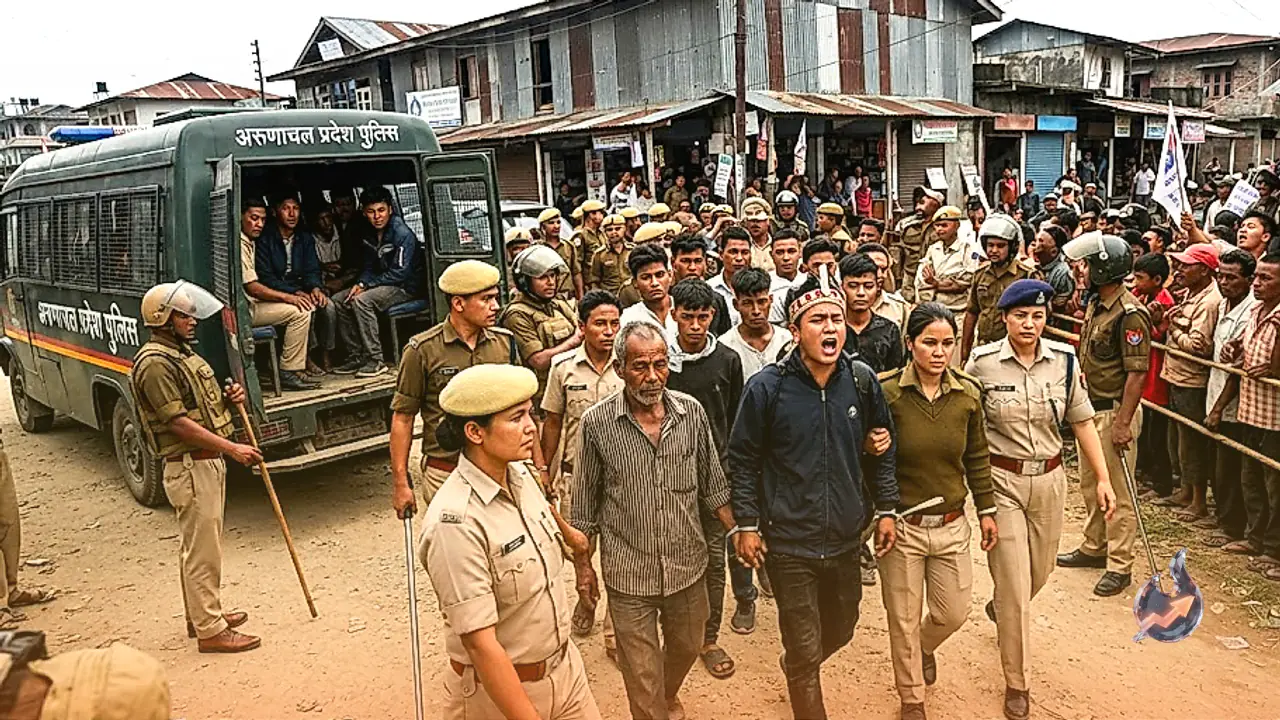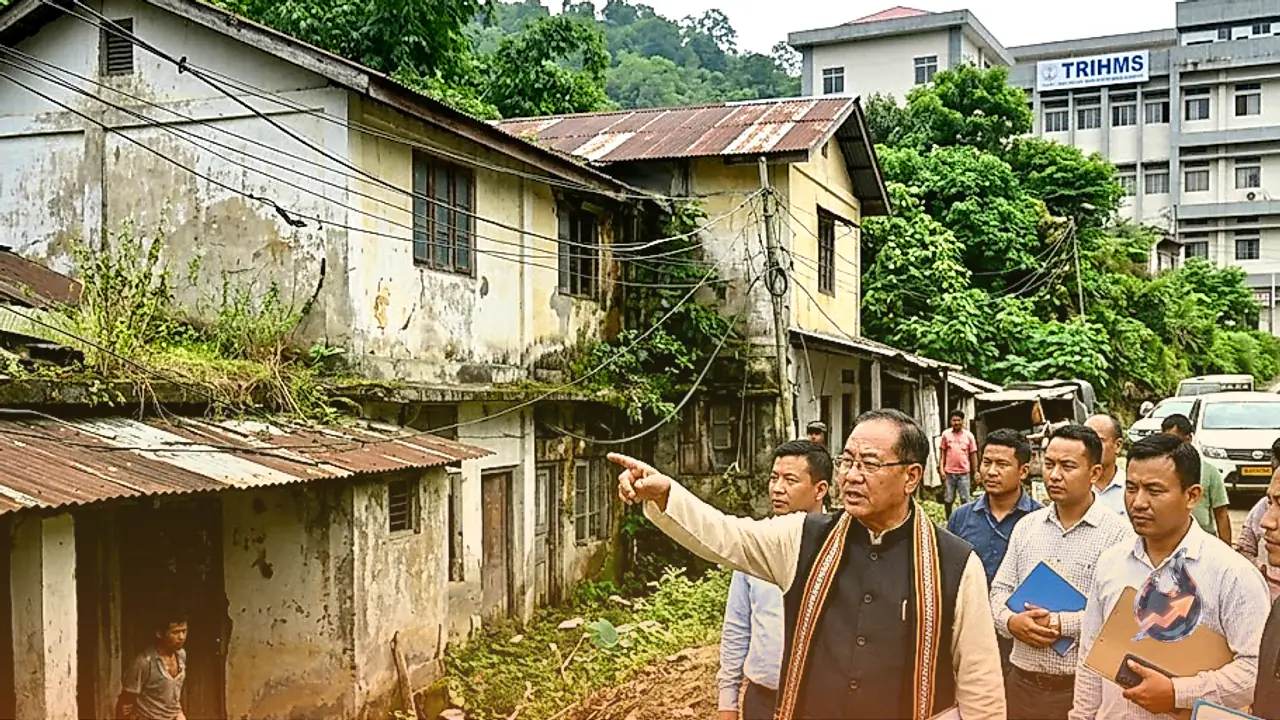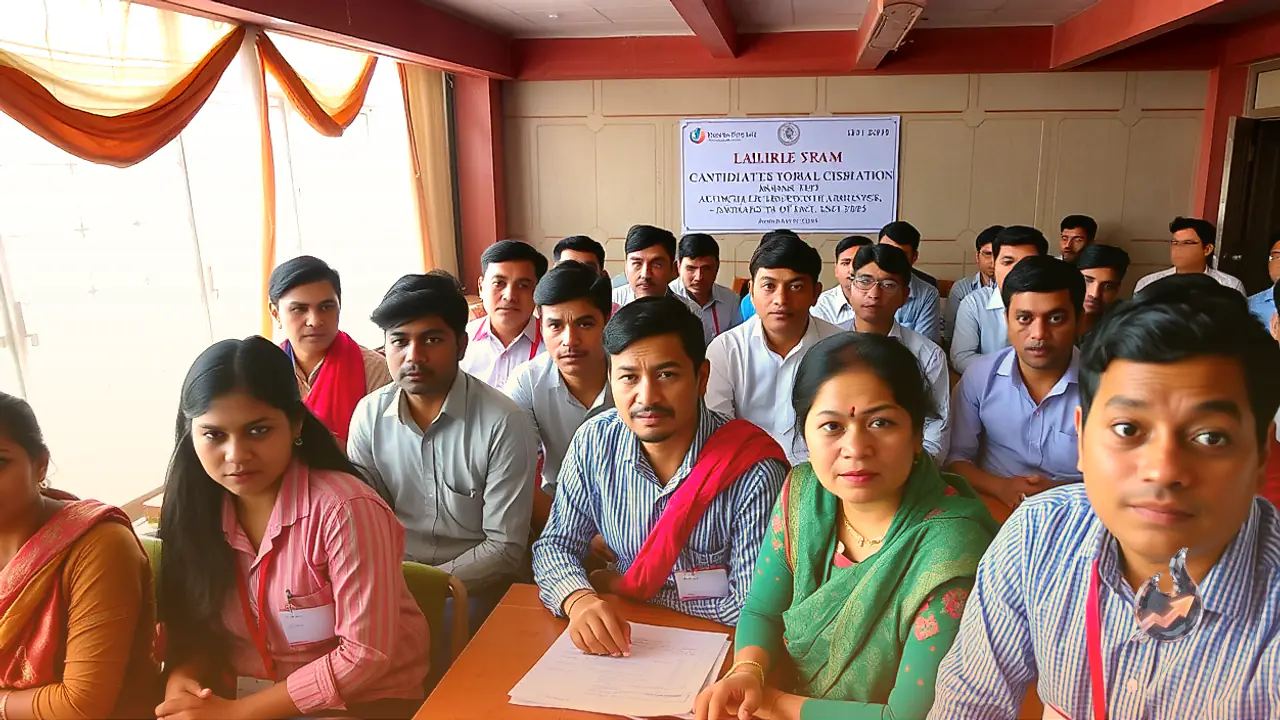


















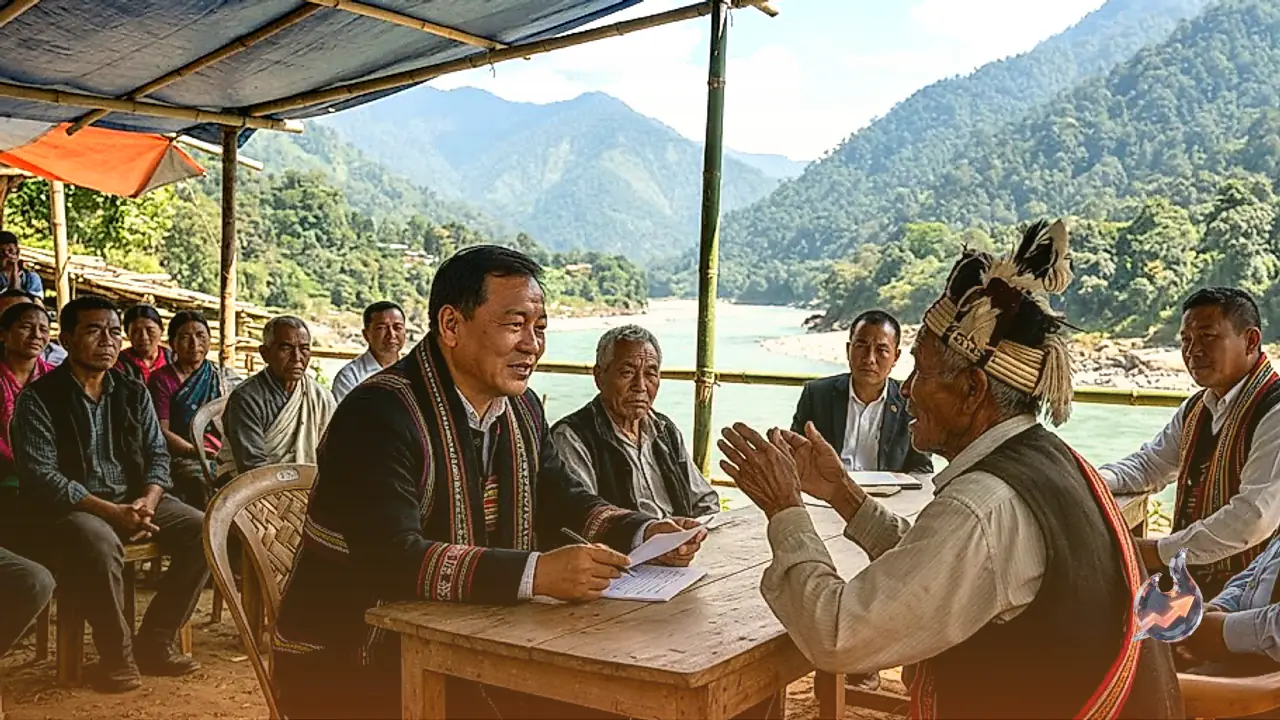

A senior minister in Arunachal Pradesh recently held discussions with community representatives to address apprehensions surrounding a major proposed infrastructure development. The meeting aimed to foster open communication and ensure that the perspectives of local residents are integrated into the preliminary stages of assessment for the massive energy initiative.
Addressing Downstream Concerns
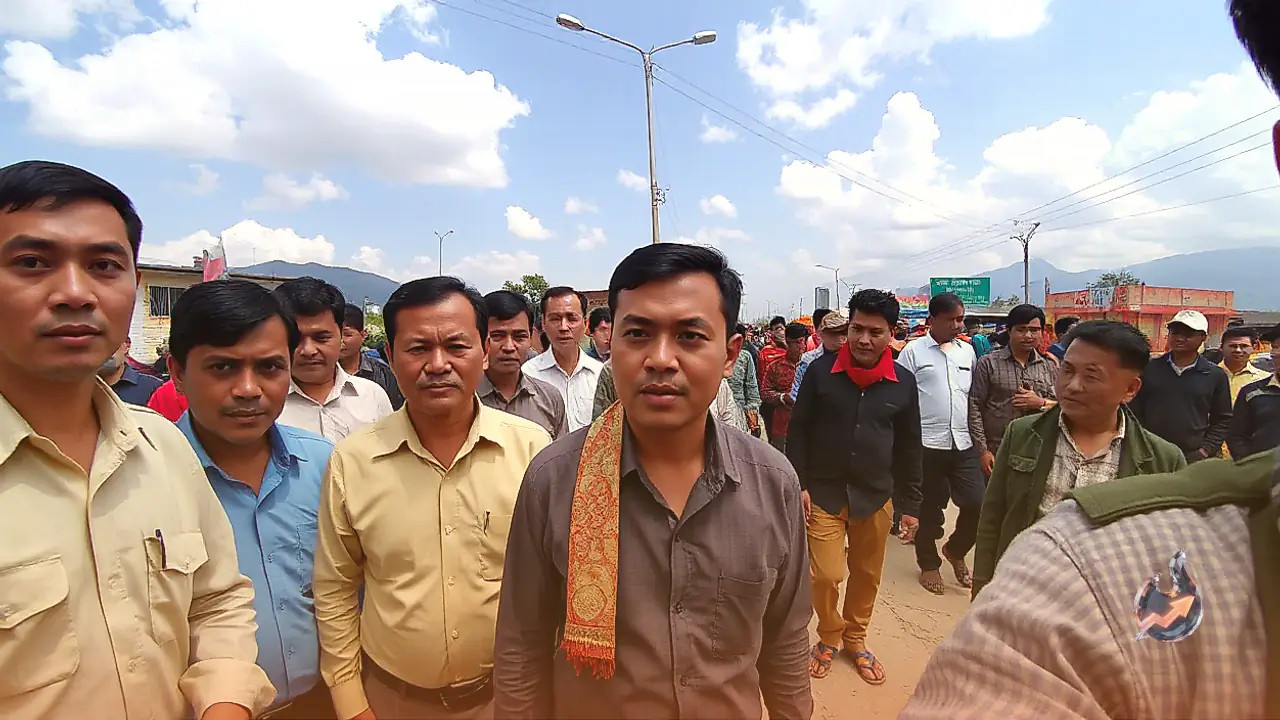
The delegation representing local interests brought attention to the potential implications for communities residing across 72 villages in the East Siang district. Led by forum president Oni Tamuk and general secretary Jobomchang Mengu, the group engaged in talks to voice the fears and expectations of those whose lands and livelihoods could be altered by the massive undertaking.
Emphasizing Transparency and Trust
Ojing Tasing highlighted that public participation and absolute transparency remain fundamental to evaluating the Pre-Feasibility Report of the initiative. He noted that building collective understanding is just as critical as the technical goals of the infrastructure plan itself. Emphasizing the need for open dialogue, he shared online that development and national security must advance alongside the trust and confidence of the people.
Strategic and National Importance
The proposed Siang Upper Multipurpose Project (SUMP) envisions a massive hydropower and water-storage structure along the Siang River, designed with a capacity of approximately 11,200 MW. Proponents view the undertaking as a vital step toward enhancing national energy security, managing regional floods, and addressing strategic concerns tied to upstream activities within the Brahmaputra basin.
Balancing Progress and Welfare
Despite its strategic goals, the initiative has sparked anxiety among various local factions regarding potential environmental and social consequences for downstream settlements. The ongoing pre-feasibility assessment serves to evaluate technical viability before any definitive choices regarding construction are finalized, ensuring that community rights remain central to official decision-making.