


















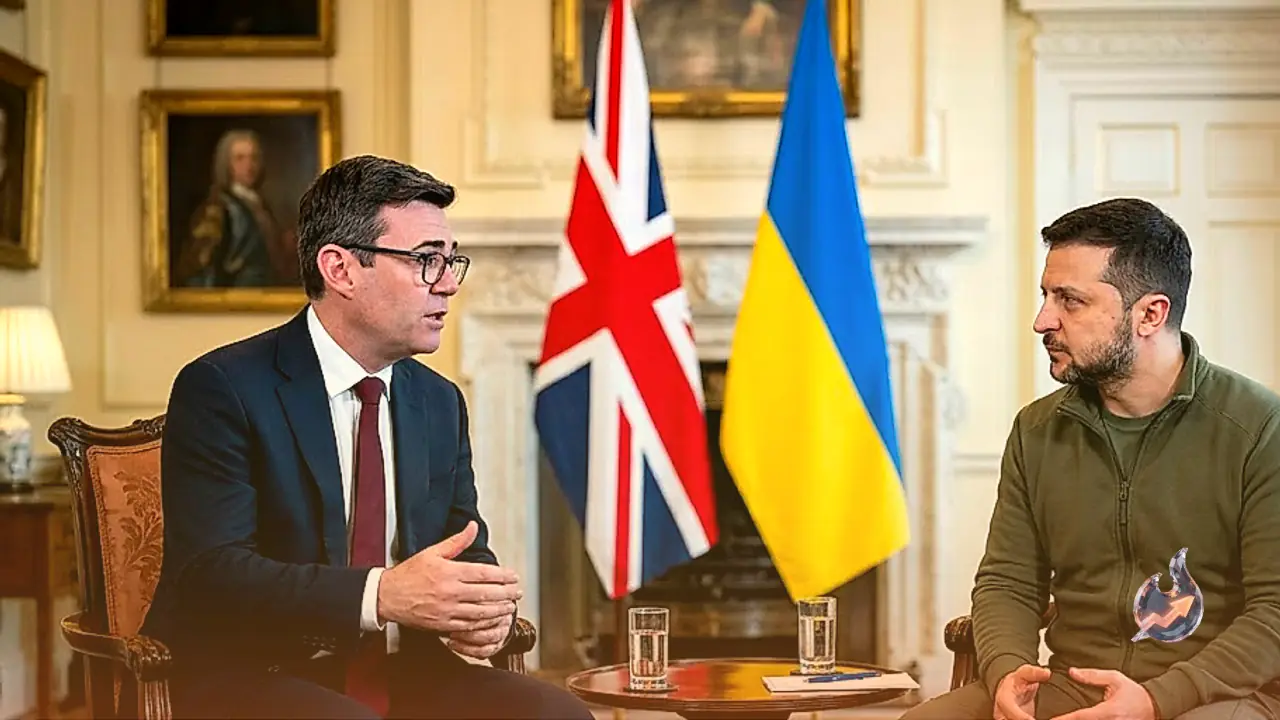

With the conflict now entering its fifth year, Ukrainian President Volodymyr Zelensky has returned to London along a well-trodden diplomatic route, aiming to maintain European support at a critical juncture. The Ukrainian leader's diplomatic mission takes him from London to Brussels as Kyiv seeks to shore up defense commitments from European partners. Against a backdrop of shifting transatlantic policy and the looming hardship of another war winter, Zelensky and British Prime Minister Burnham held direct talks following an earlier bilateral exchange in New York City last month.
Downing Street Welcome and Fresh Arms Commitments
A military guard of honour stood at Downing Street to welcome the Ukrainian president, followed by a tightly controlled photo opportunity capturing the opening moments of the meeting. In line with the format seen during several of Zelensky's previous travels to the United Kingdom, no open, full-scale joint press conference was held where reporters could question both leaders on contentious geopolitical developments. Instead, Downing Street circulated an embargoed overnight statement expressing firm support for Ukraine's wartime leadership.
The British government pledged to move further and faster in providing Kyiv with both financial and military backing. Central to this assistance package is a commitment by the prime minister to accelerate the delivery of lightweight multirole missiles. These specialized munitions are designed to counter rapid jet-powered Russian drones, offering critical defense capabilities against persistent aerial attacks on Ukrainian infrastructure and population centers.
House of Commons Scrutiny Over US Sanctions Policy
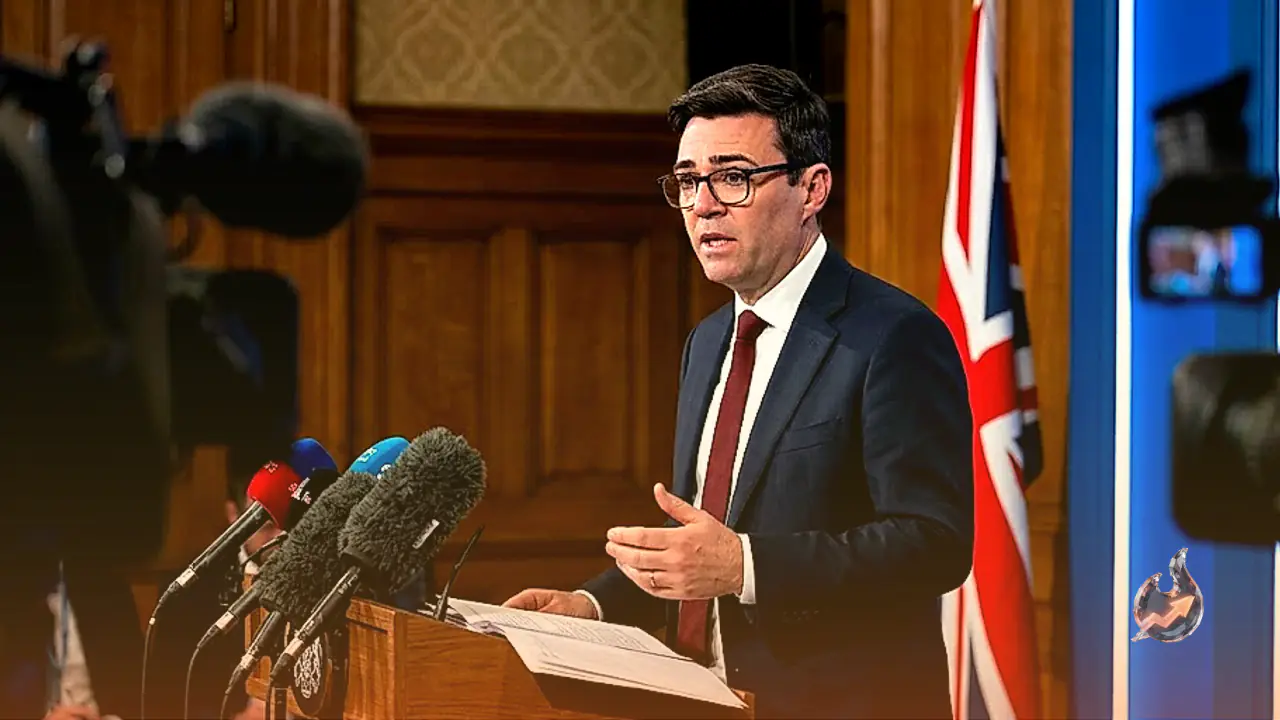
Inside the House of Commons, during the opening of his weekly question session, Burnham reaffirmed what he described as unwavering solidarity with Zelensky, promising expanded defensive and economic support moving forward. The legislative setting, however, quickly brought to the fore the political tensions surrounding the transatlantic alliance.
Liberal Democrat leader Sir Ed Davey seized on the occasion to challenge the prime minister on matters excluded from official statements. Sir Ed pointed out that Burnham had deliberately refrained from publicly addressing US President Donald Trump's choice to tear up international sanctions previously placed on Russia. Addressing the chamber, Sir Ed stated that the House of Commons, President Zelensky, and Ukrainian forces were entitled to know the British government's exact stance, asking directly whether the prime minister viewed Trump's policy as a shameful betrayal of Ukraine and wider European security architecture.
Refusing to Condemn Washington While Seeking a Bridge-Building Path
Responding to the challenge, Burnham acknowledged the immense pressure facing the Ukrainian leadership, noting that Zelensky was navigating a very dark and difficult moment while bearing an extraordinarily heavy burden. Even so, the prime minister consciously declined to criticize Trump, distancing himself from the vocal condemnation emerging across other European capitals.
Burnham told members of parliament that his primary responsibility was to mend strained connections so that vital international backing could be restored. He emphasized the necessity of proceeding with caution to lay the groundwork for bringing key allies back into alignment, stating that this conciliatory approach represented the appropriate role for the United Kingdom at this specific time. While committing to hear Zelensky's requests thoroughly, Burnham assured lawmakers that the visiting president would not leave Britain empty-handed.
The Diplomatic Balancing Act Facing Kyiv Ahead of Winter
Behind the scenes, National Security Adviser Jonathan Powell has served as an essential intermediary, shuttling between Washington and Kyiv in an effort to calm turbulent waters and maintain open channels. Burnham appears intent on positioning Britain as an indispensable bridge-builder capable of engaging both Washington and Kyiv without severing critical relationships.
The diplomatic maneuvering follows a prolonged period during which Trump had maintained a comparatively benign posture toward the war, offering Ukraine broader access to advanced American air defense hardware and threatening tighter economic measures against Moscow. With those positions now thrown into uncertainty and US backing potentially diminished, millions of Ukrainians face an increasingly bleak winter, rendering immediate European commitments more urgent than ever.