















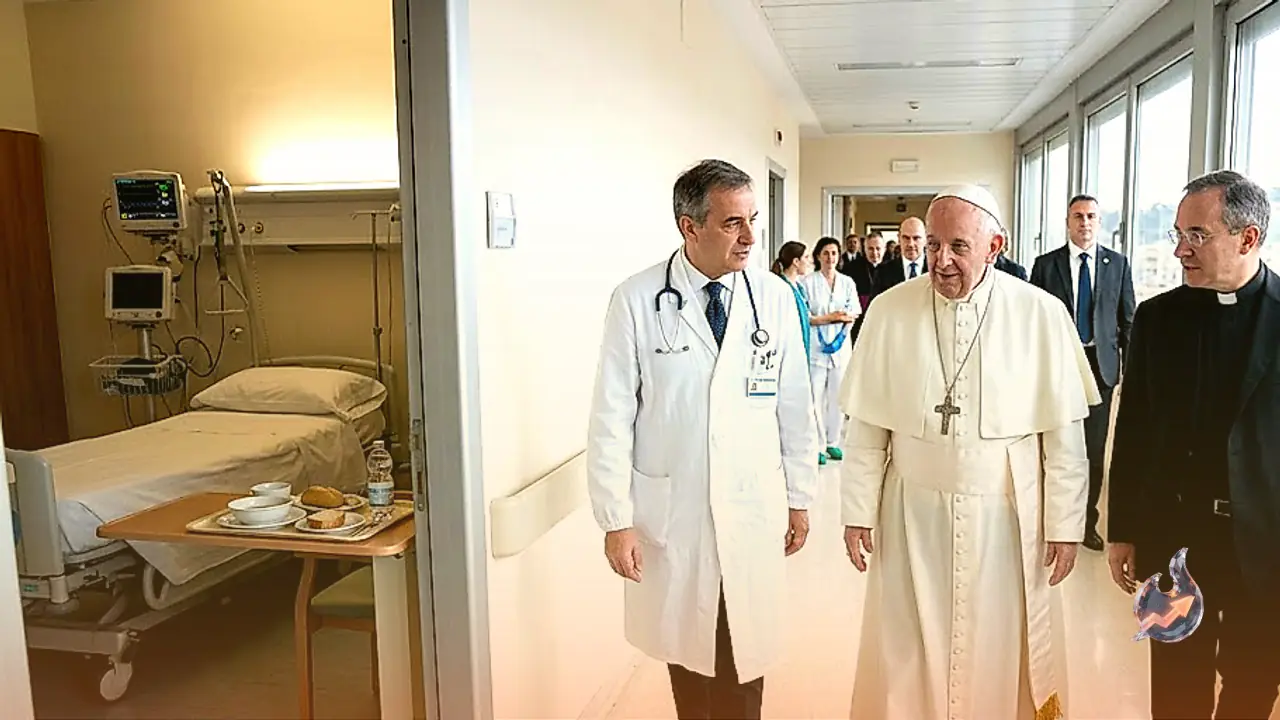

Pope Leo is making steady medical progress following a surgery to extract the lower lobe of his right lung, according to clinical bulletins released by the Vatican. The 71-year-old pontiff has already started walking and has resumed a regular diet following the 90-minute surgical procedure performed at Gemelli Hospital in Rome on Tuesday afternoon. The intervention, which medical teams confirmed was completely successful and devoid of complications, was followed by a definitive diagnosis of lung cancer that had been detected at an initial stage.
Post-Operative Progress and Physical Therapy
A series of diagnostic evaluations conducted early Wednesday morning, including regular blood panels and chest X-rays, affirmed that the recovery process is advancing entirely within clinical expectations. To restore pulmonary strength and prevent any respiratory stagnation, medical staff have initiated respiratory physiotherapy sessions. Earlier bulletins noted that the pontiff regained consciousness smoothly after leaving the operating theater and returned to his private medical room following a brief observation interval, subsequently passing an uneventful and calm night at the hospital facility.
Complete Lower Lobe Resection and Pathology Findings
Surgeons opted to excise the entire lower lobe of the pontiff's right lung to guarantee a radical outcome, ensuring that no malignant margins remained. While pulmonary nodules are frequently encountered and benign in many instances, subsequent pathological analysis of the extracted tissue confirmed the presence of lung adenocarcinoma, aligning with findings suggested by pre-operative assessments. Additional clinical screenings have been conducted to definitively verify whether the malignant cells remained strictly localized or spread elsewhere. Prior to this procedure, the pontiff had been considered in robust health, displaying zero outward symptoms of infection or respiratory illness.
Public Disclosure During Sunday Prayers
The surgery came shortly after the Pope disclosed the upcoming hospital admission directly to crowds gathered for weekly Sunday prayers in St Peter's Square. During his address, he explained that routine medical evaluations had identified a well-contained nodule within his lung tissue at an early stage, prompting his doctors to recommend immediate surgical removal. Observers and faithful worldwide have reacted with deep concern, recalling the recurring medical struggles of Pope Francis. The late predecessor, who died last year, similarly had part of a lung excised during his youth and consequently endured numerous acute respiratory infections in his later life.
Understanding Adenocarcinoma and Clinical Outlook
Adenocarcinomas, which originate in cells responsible for secreting mucus, represent one of the most widely documented classifications of lung malignancies. A patient's long-term prognosis hinges fundamentally on the precise clinical stage at diagnosis and baseline physical resilience, with early detection significantly improving survival rates and clinical outcomes due to substantial advances in modern therapies over recent decades. While incidental nodules are often uncovered during routine health checkups before symptoms emerge, more advanced iterations of the disease typically manifest through chronic coughing, severe breathlessness, unexplained weight reduction, and persistent bodily fatigue. The pontiff is scheduled to remain hospitalized for approximately one week before returning to his official residence.