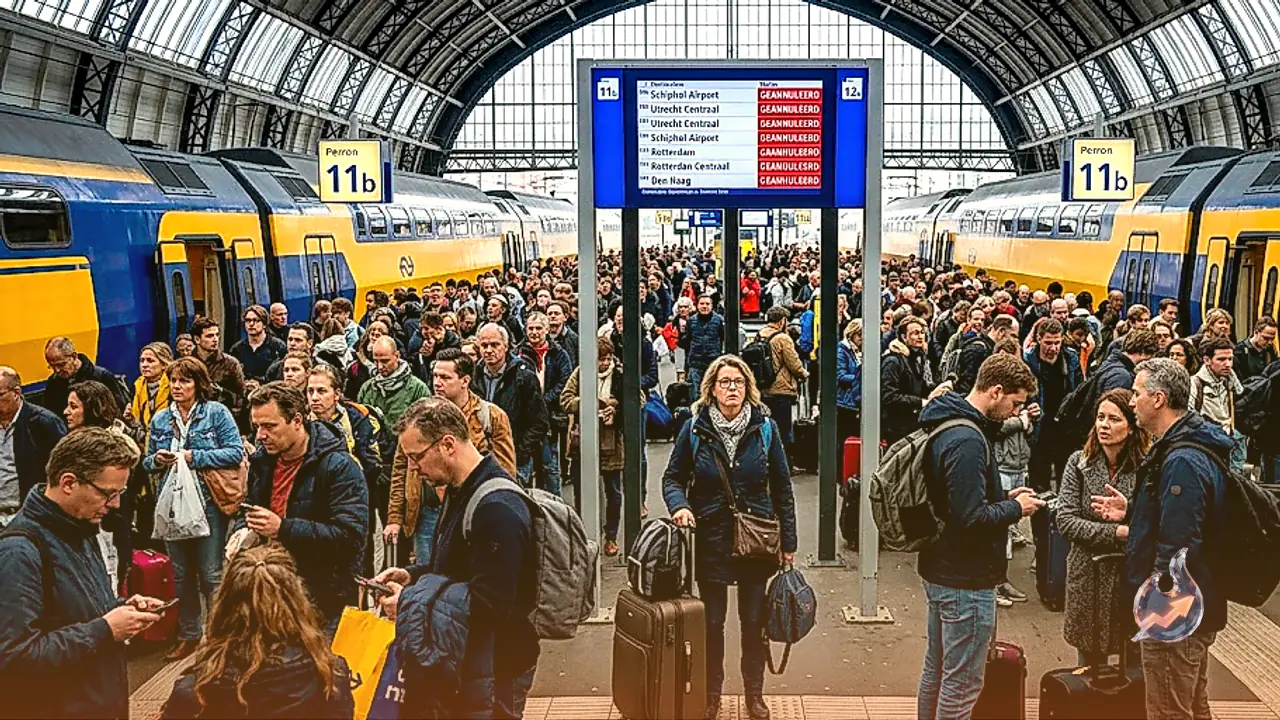






















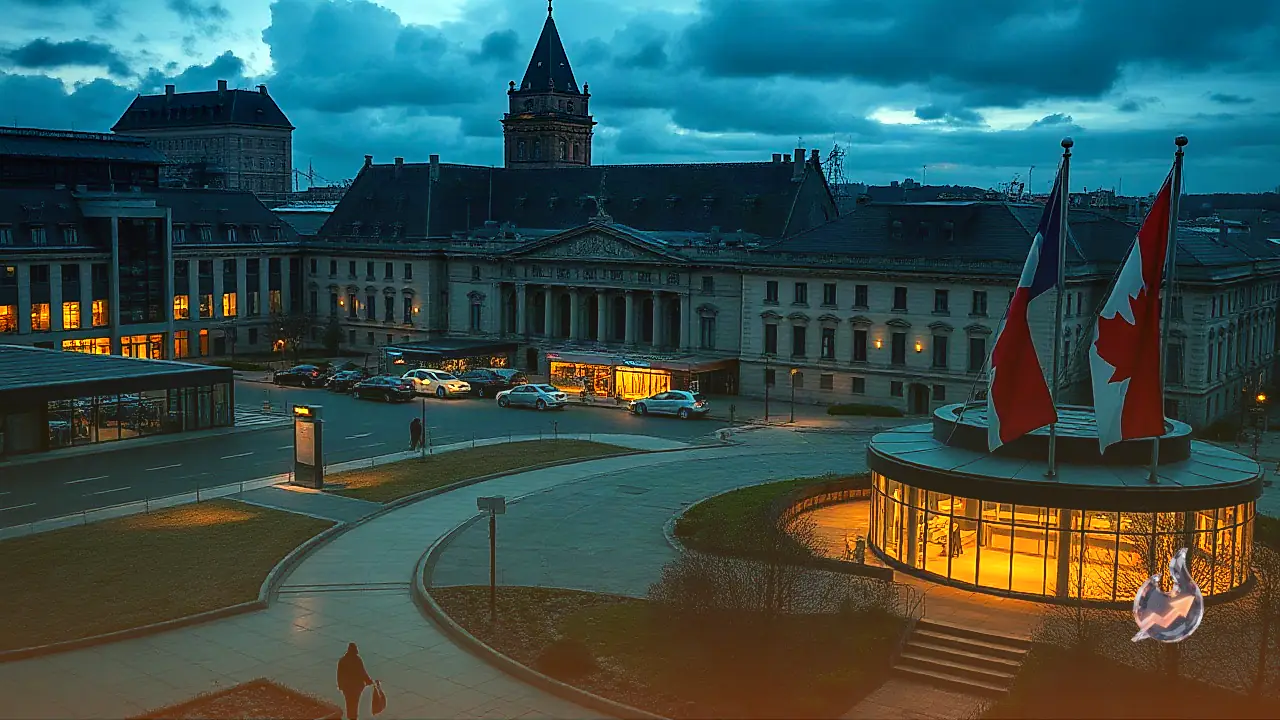

In a significant geopolitical realignment, the European Commission has thrown its weight behind proposals to make Canada the European Union's very first associate member. Delivering her annual State of the Union address to the European Parliament in Strasbourg, Commission President Ursula von der Leyen expressed her intention to actively open doors for Ottawa. The envisioned status aims to weave tighter structural links across several vital economic and strategic domains, arriving at a juncture when both jurisdictions are seeking resilient allies in an increasingly fragmented global landscape.
Shared Values and Strategic Convergence
Addressing European lawmakers, von der Leyen remarked that the European Union and Canada view the broader international landscape through a shared lens. This alignment extends across pivotal modern challenges, spanning artificial intelligence, climate policy, and overarching geopolitics. Highlighting the track record of collaboration between both sides, she pointed out that Europe and Canada have consistently maintained solidarity on Ukraine, continental defence, critical raw materials, and international supply chain resilience. Above all other considerations, she emphasized their common and uncompromising commitment to democratic governance as the core foundation of the relationship.
Expanding Frontiers in Tech, Energy, and Critical Minerals
The proposed framework for an associate partnership extends far beyond symbolic diplomacy, targeting key sectors crucial for long-term competitiveness. Von der Leyen outlined an ambitious scope of cooperation covering clean and conventional energy, critical minerals, advanced battery manufacturing, artificial intelligence capabilities, cybersecurity, and comprehensive economic security. By establishing closer policy and industrial integration, the arrangement seeks to safeguard vital resource corridors while ensuring that technological standards and commercial supply chains remain insulated against external shocks and market disruptions.
Trade Pressures and Tariff Headwinds Across the Atlantic
The initiative comes against the backdrop of strained transatlantic commercial relations. Canadian Prime Minister Mark Carney indicated last week that his government was pursuing a unique alliance with the European bloc, a positioning that unfolds alongside fraught ties with the United States and Donald Trump. Comprehensive bilateral trade discussions between Ottawa and Washington collapsed last month, triggering an immediate sequence of punitive tariff measures. Simultaneously, European Union member states have also faced heightened trade duties under the Trump administration, making closer bilateral economic integration an attractive hedge for both economies against escalating protectionism.
Reinforcing the Rules-Based Order
Without referencing the American president directly by name, von der Leyen framed the prospect of offering Canada a dedicated tier of European Union affiliation as an effort aimed at mutual empowerment rather than confrontation. She stated that the initiative was not directed against any external party, but rather designed to enhance collective resilience. She further articulated that building durable international partnerships represents a deliberate strategic choice for Europe, particularly as a constructive response to the fractures appearing across the international rules-based order. Prime Minister Carney attended the address in Strasbourg and is scheduled to deliver a formal speech to the European Parliament on Thursday.
A Blueprint for a Continental Security Council
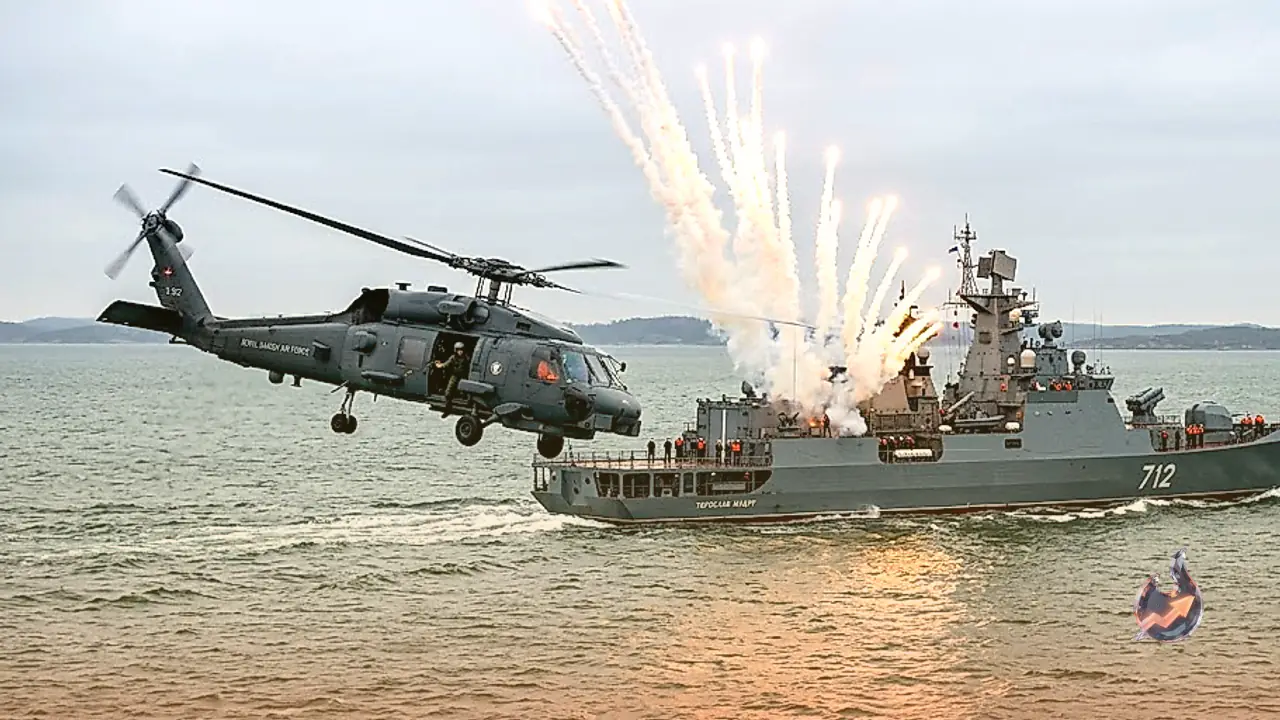
Broadening the discourse to defence architecture, von der Leyen also put forward a proposal to establish a dedicated European Security Council to counter persistent regional risks, particularly the ongoing threat posed to the continent by Russia. She noted that a leadership format focused on continental security has long been under discussion with key international partners, including Canada, Norway, Ukraine, and the United Kingdom. Emphasizing that current security dynamics and escalating risks make this institutional framework far more urgent, she affirmed that concrete concepts will soon be presented to turn the European Security Council into an operational reality.