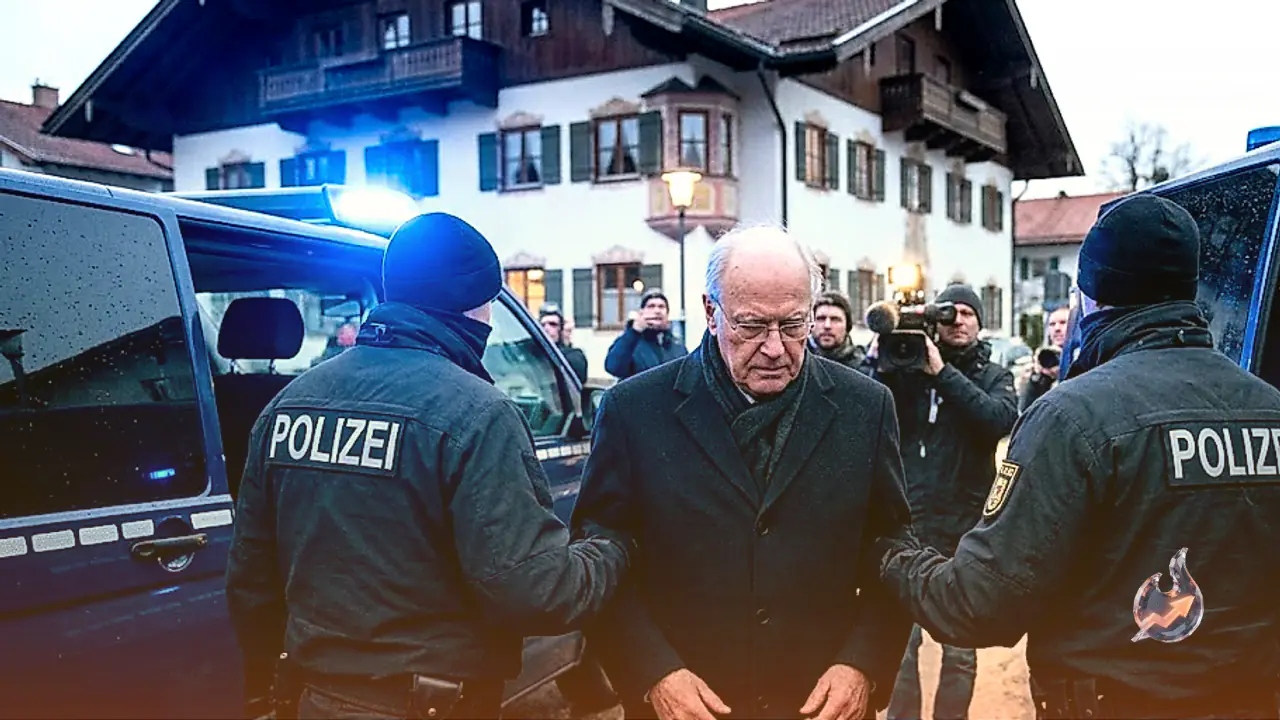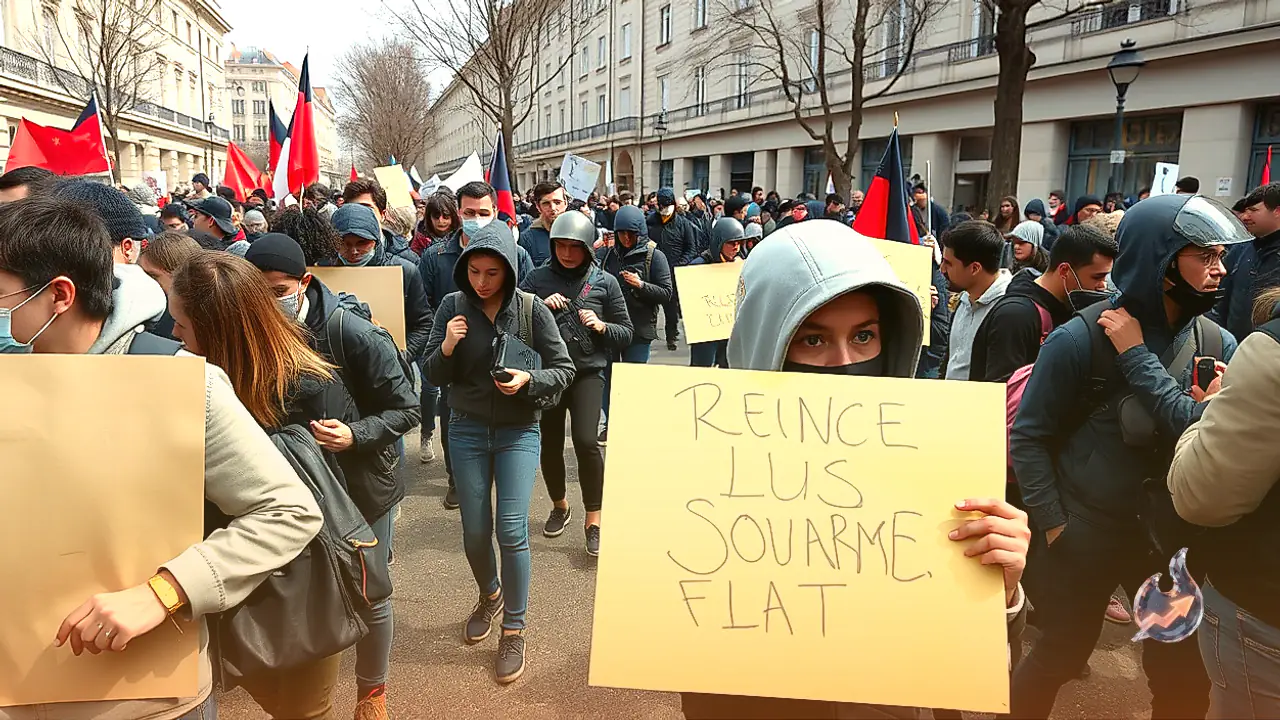
















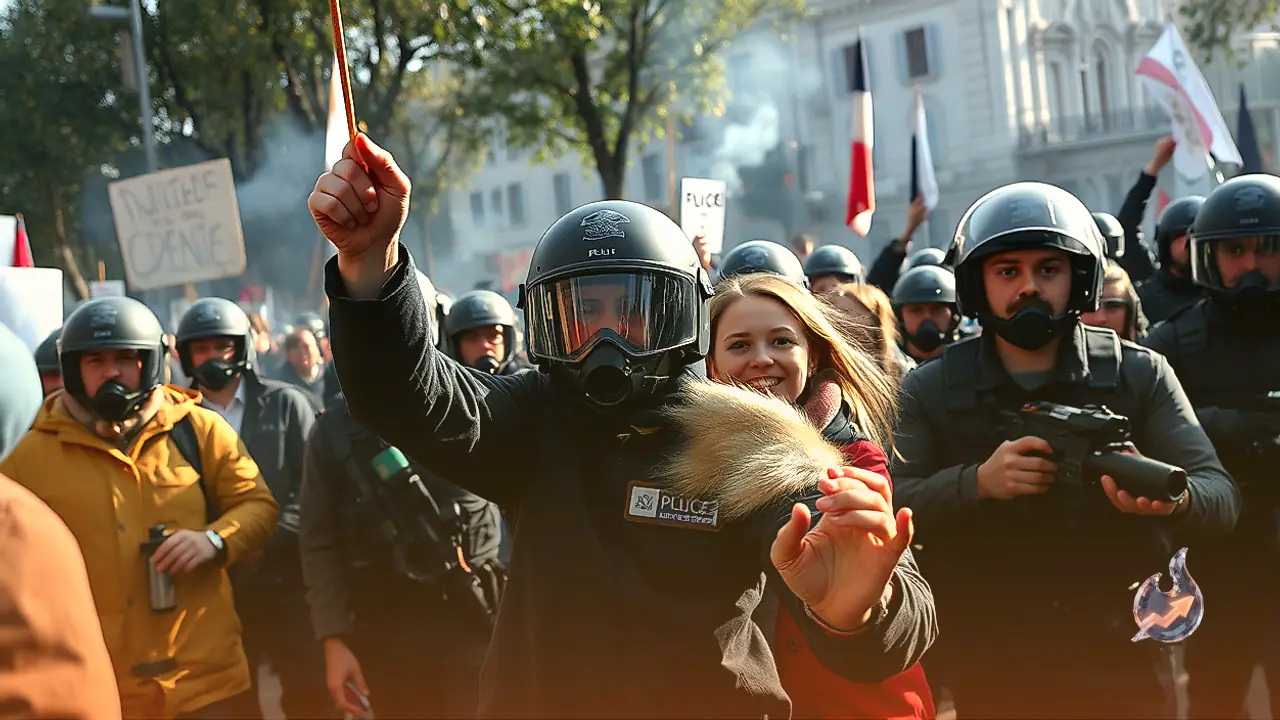

French authorities have temporarily halted the use of stun grenades in policing nationwide student demonstrations following an incident in which a 15-year-old boy had his hand blown off earlier this week. The incident occurred on Monday in the northern city of Lens, generating sharply conflicting accounts between demonstrators and local officials. In response, rights advocates and educational groups have raised serious complaints regarding the disproportionate use of physical force against teenage demonstrators across several French cities.
The Lens Incident and Grenade Suspension
Interior Minister Laurent Nuñez announced that he requested an immediate pause on stun grenade deployment until the exact circumstances surrounding the Lens case are fully clarified. According to the local prefect, the severe injury occurred when law enforcement officers encountered a gathering of 200 to 250 students who were launching stones and fireworks. Although classified as non-lethal crowd-control equipment, stun grenades release rubber pellets upon detonation, posing substantial physical risks at close range. Nuñez emphasized that any suspicion of disproportionate force automatically triggers judicial proceedings, adding that the administration's primary role remains the protection of secondary school students.
Police Oversight and Disproportionate Force Inquiries
Scrutiny over police conduct has escalated as police watchdog IGPN initiated 18 separate inquiries to evaluate whether officers responded proportionately during the widespread unrest. The movement, which initially began among high school pupils, has expanded to incorporate university students, parents, and major labor unions. Speaking to French radio RTL, Nuñez acknowledged that the specific police operation in Lens raised profound internal questions within the Ministry of the Interior. Responding to the escalating tensions, Ryad Rani, head of the USL high school union, publicly called on the interior minister to enforce restraint among front-line officers.
Escalating Nationwide Disruptions and Arrests
Educational disruption widened significantly on Wednesday, leaving more than 500 schools completely or partially closed across the country. On Tuesday, hundreds of thousands of people marched through urban centers, including the capital Paris, to demand improved conditions in schools. Security personnel deployed tear gas and water cannon in several municipalities to disperse crowds. According to interior ministry figures, Tuesday's unrest resulted in 488 arrests and left 43 members of the security forces injured. Government assessments placed overall turnout at over 250,000 demonstrators, whereas student unions estimated that up to 450,000 individuals participated.
Government Crisis Response and Planned Actions
With nearly a quarter of all lycées disrupted by Tuesday's actions, President Emmanuel Macron convened an emergency late-night meeting with Prime Minister Sébastien Lecornu and senior cabinet members to formulate a strategy out of the impasse. Denouncing the violence that has accompanied the wave of protests since mid-September, Lecornu noted that 215 students, 85 school staff members, and 715 police officers had sustained injuries over that period. Furthermore, interior ministry records indicate that over 6,500 individuals have been stopped or arrested since the onset of the movement. While Lecornu prepared an evening address regarding the crisis, student unions affirmed their intention to launch a fourth round of nationwide demonstrations on Thursday in Paris and other cities.