




















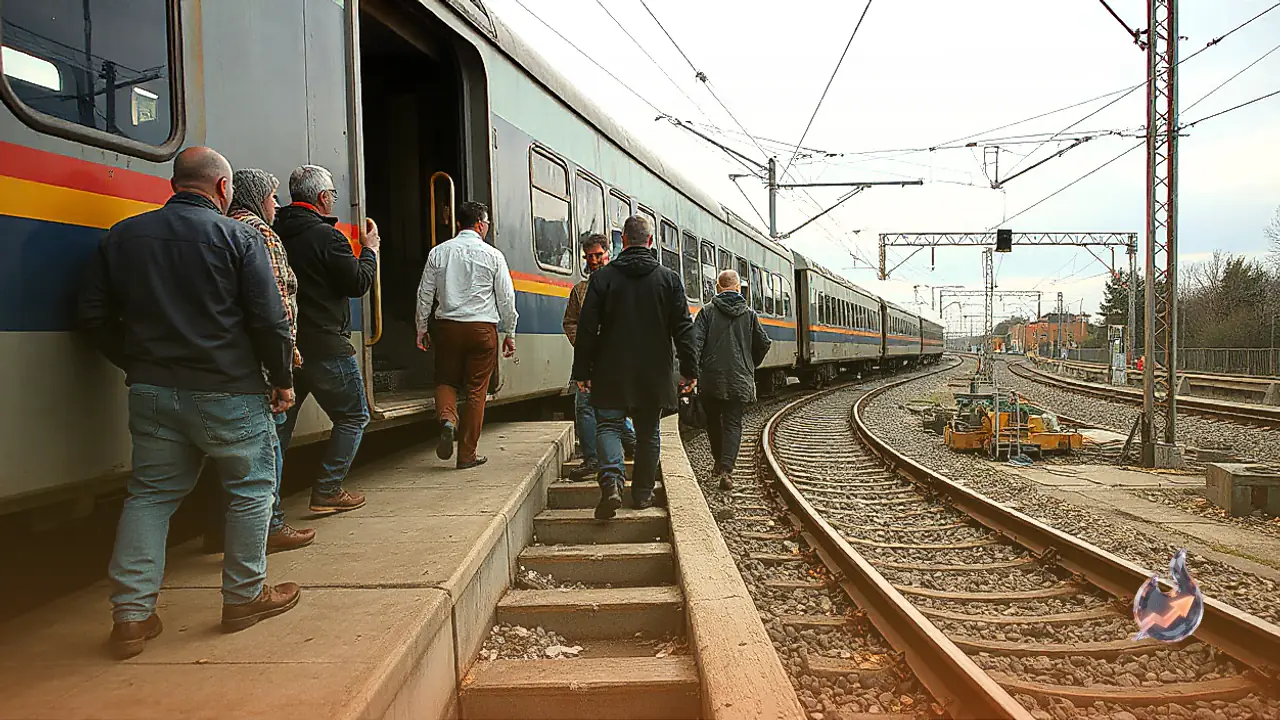

Political accountability has taken centre stage in Spain following one of its worst modern rail disasters. Transport Minister Óscar Puente has officially stepped down from his role, six days after a devastating high-speed train collision near the town of Urda, situated south of the capital Madrid, claimed at least 69 lives and left dozens of passengers injured.
Resignation Announcement in Congress Under Intense Scrutiny
Puente delivered his resignation at the conclusion of a parliamentary session in Congress, where he had been summoned to detail the exact circumstances of the disaster that took place on 28 October. Facing intense questioning from opposition lawmakers throughout the session, Puente also presented an outline of urgent railway safety reforms before confirming his departure from the ministry.
The minister explained that he had privately resolved to resign immediately following the catastrophe, though he deferred the public announcement for several days to manage immediate emergency proceedings. Pressure had been mounting relentlessly from opposition benches, alongside growing calls from within the governing coalition's own allies demanding his departure.
Addressing lawmakers directly, Puente remarked that a transport minister in a country such as Spain cannot reasonably remain in office following two incidents of such gravity within a span of less than twelve months. His remarks referred back to a fatal rail collision that took place in January in Andalusia, located in southern Spain.
The Urda Rail Disaster and Leaked Control Centre Transcripts
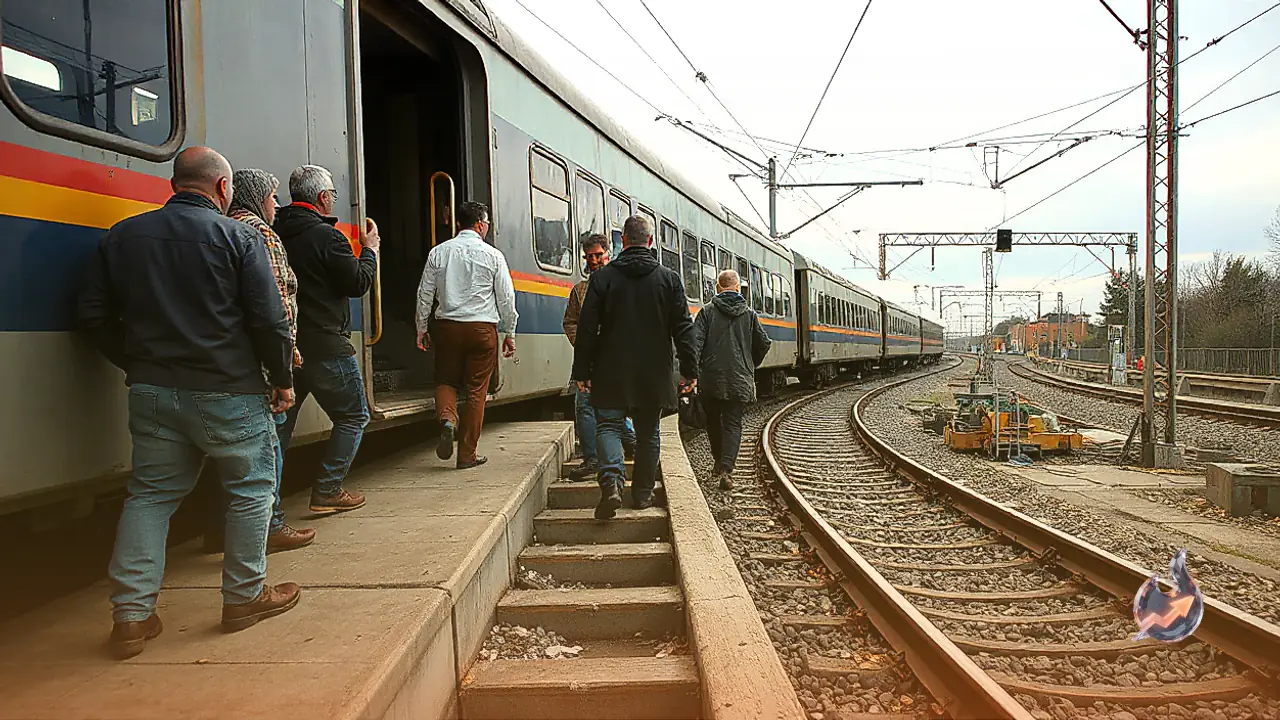
The collision near Urda occurred when a state-run Renfe high-speed train rear-ended a stationary train on the same line operated by the private firm Iryo. The sheer force of the impact destroyed carriages, causing the death of at least 69 people and inflicting injuries on dozens more who required medical care.
Scrutiny intensified after audio recordings leaked to Spanish media exposed critical radio traffic between train crews and railway dispatchers in the moments leading up to the crash. Three distinct audio tracks between Madrid's regional rail control centre and two drivers reveal that the following high-speed service received permission to advance down the line, even though another train was stalled directly ahead on the track roughly 25 kilometres (15 miles) away.
Government Pledges Comprehensive Safety Review
Prime Minister Pedro Sánchez addressed the disaster by pledging that state authorities will investigate every detail to determine precisely what broke down in operational oversight. With two catastrophic rail disasters striking Andalusia and Urda in under a year, the Spanish government now faces severe scrutiny over track management protocols, automated fail-safes, and inter-operator communication lines.