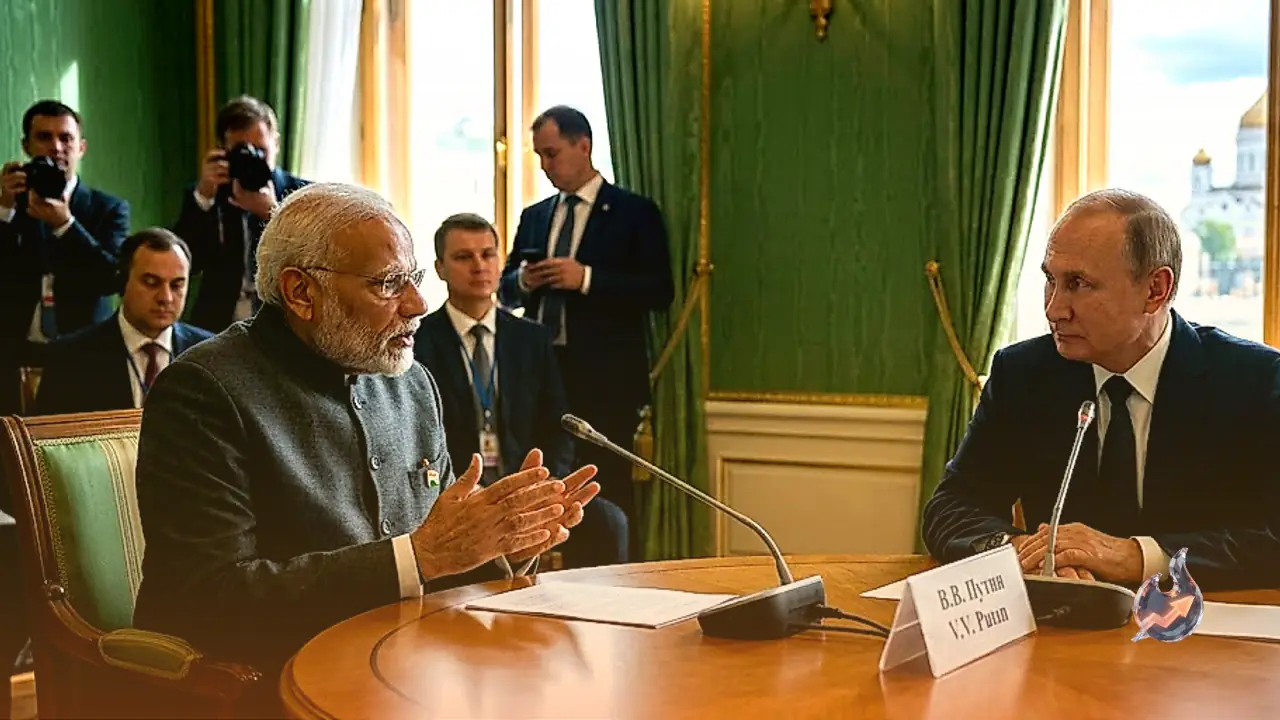
























During a 45-minute press conference held in Bishkek, Kyrgyzstan, Russian President Vladimir Putin delivered a series of sharp geopolitical warnings aimed directly at Britain and Western allies. When asked whether Moscow might target military installations within the UK following British weapons supplies to Ukraine, Putin offered a terse, ambiguous reply, stating that the matter remains a military secret. The strategic refusal to confirm or deny potential strikes creates calculated uncertainty, serving as psychological pressure intended to force British policymakers to reconsider their steadfast military support for Ukraine.
Psychological Pressure and Strategic Uncertainty Over the UK
Putin's succinct characterization of Moscow's potential military response as a secret has intensified security debates across Western capitals. By leaving the question unanswered, the Kremlin maintains strategic ambiguity, ensuring that decision-makers in London remain uncertain about Russia's ultimate boundaries. This tactic aligns with messaging seen in Russian media outlets like Moskovsky Komsomolets, which recently remarked that UK Prime Minister Andy Burnham should view Russia in his nightmares rather than his dreams. Although such rhetoric lacks explicit operational details, it underscores the escalating verbal confrontation between Moscow and London.
Defense analysts emphasize that while these remarks do not indicate imminent missile strikes against targets inside Britain, they reflect a deliberate escalation in rhetoric. In response to the growing tension, the UK leadership has maintained a resolute position. UK Prime Minister Andy Burnham reaffirmed Britain's commitment to Kyiv, emphasizing that the UK will remain steadfast in supporting Ukraine during its hour of need.
Hybrid Operations and Escalating European Security Concerns
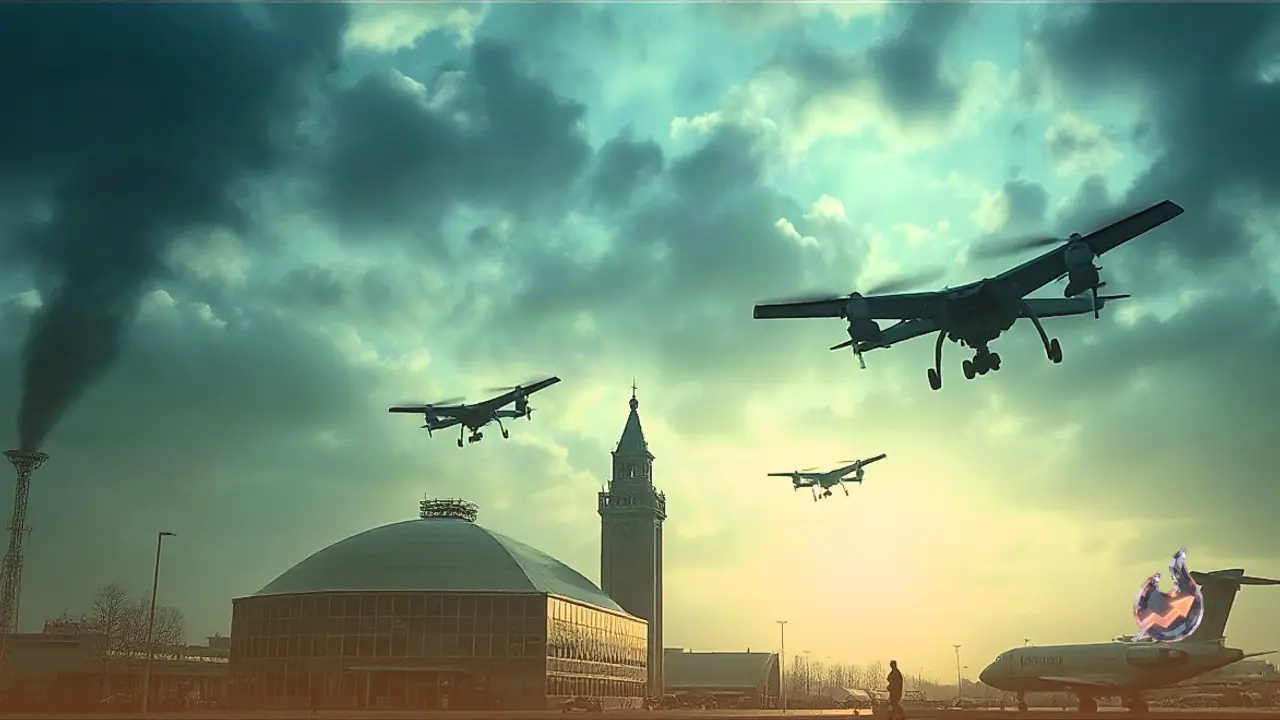
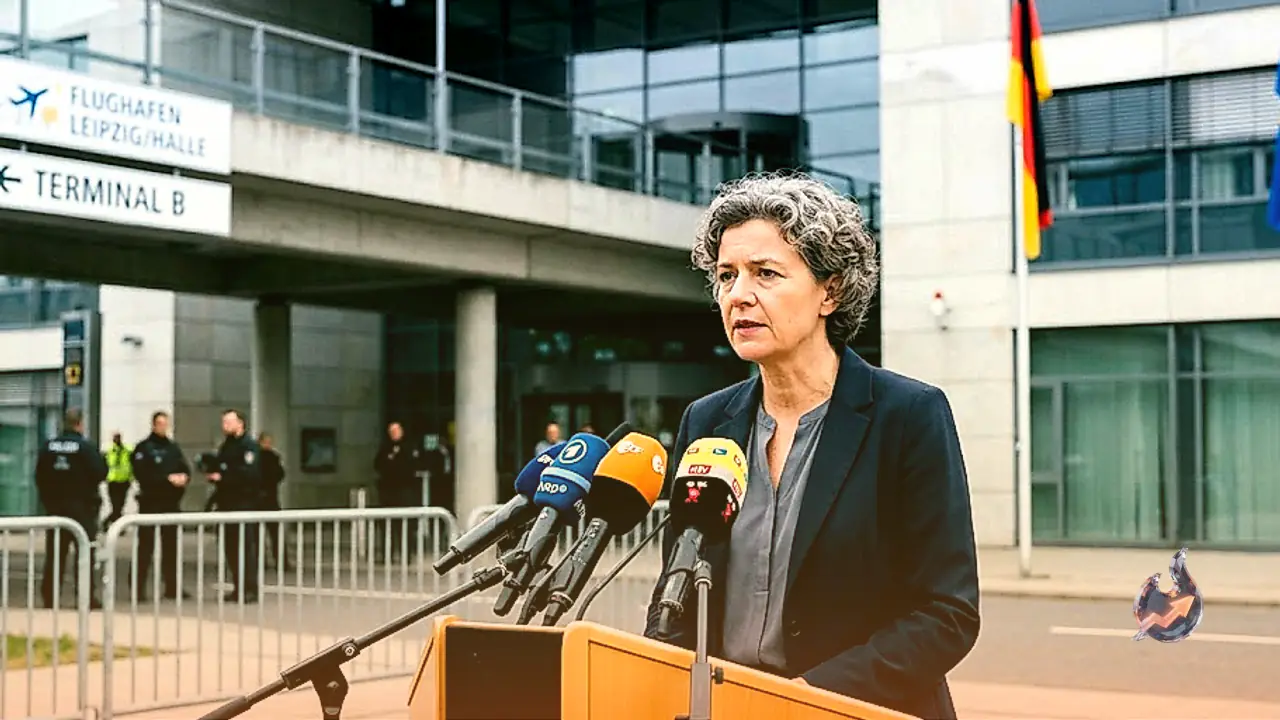
The warnings directed toward Britain coincide with mounting anxieties across Europe regarding Russian covert activities. German authorities recently identified Russia as the party responsible for a drone incident at Leipzig airport last month. German Interior Minister Alexander Dobrindt characterized the event as part of a well-established pattern of Russian hybrid operations operating across the European continent.
Putin explicitly rejected the German findings, accusing Berlin of fabricating evidence to frame Moscow. Nevertheless, security officials across Europe are questioning whether similar hybrid operations could be expanded within the UK. Security experts note that non-traditional warfare, including sabotage, cyber operations, and surveillance, allows states to exert pressure without triggering direct military conflict.
Sharks Metaphor and Broad Warnings to Western Powers
Beyond his specific comments regarding Britain, Putin issued sweeping warnings to Western nations as a whole, employing vivid animal imagery to describe geopolitical rivalries. Characterizing Western powers as predators with expanding appetites, Putin referred to Western countries as sharks. He warned that if any adversary attempts to drag Russia down the food chain or devour the nation, Russia is fully prepared to punch them in the teeth, regardless of how sharp those sharks' teeth may grow.
This rhetoric fits a broader pattern of zoological metaphors utilized by the Russian president during discussions on international security. Putin previously referenced killer whales tearing polar bears apart when rationalizing Russia's military campaign in Ukraine. Such imagery is deployed to frame the current conflict not merely as a regional border dispute, but as an existential struggle against hostile global competitors.
Realities of the Conflict and Observations from Bishkek
Throughout the press conference in Bishkek, Kyrgyzstan, Putin appeared combative, energized, and visibly confident of eventual victory. Taking questions from Russian journalists for three-quarters of an hour, he displayed the greatest intensity when addressing the geopolitical standoff with the West and the operational status of the conflict in Ukraine. However, independent assessments highlight that the war has not unfolded according to Moscow's initial expectations, resulting in substantial battlefield losses and heavy economic strain on Russia.
Despite these ongoing challenges, Putin declared firm confidence that the opposing forces would eventually collapse. While official Kremlin terminology still designates the conflict as a special military operation, Putin explicitly used the word war during the conference, acknowledging that war is inherently brutal and unpredictable. With the armed conflict enduring for over four and a half years, Ukrainian forces continue to maintain active resistance across frontlines.
Diplomatic Channels and Terms for Potential Peace Negotiations
Addressing potential avenues for ending the war, Putin reiterated that Moscow remains open to diplomatic negotiations, while clearly signaling his preference regarding American interlocutors. He expressed an explicit comfort level in dealing with envoys associated with Donald Trump, singleing out Jared Kushner and Steve Witkoff as trusted figures. Putin noted that working with individuals whom Russia knows well is far preferable, stating that Jared Kushner and Steve Witkoff remain welcome guests with whom it is a pleasure to work.
In contrast, the Kremlin maintained a distant posture regarding formal intelligence communications. Following a surprise visit to Moscow last week by CIA Director John Ratcliffe, Kremlin officials confirmed that President Putin did not meet with John Ratcliffe during his stay. While no formal meetings with Trump's envoys are currently scheduled on the official calendar, any future talks involving Witkoff or Kushner would face a Russian leadership steadfastly determined that any peace settlement in Ukraine must strictly reflect Russia's terms.