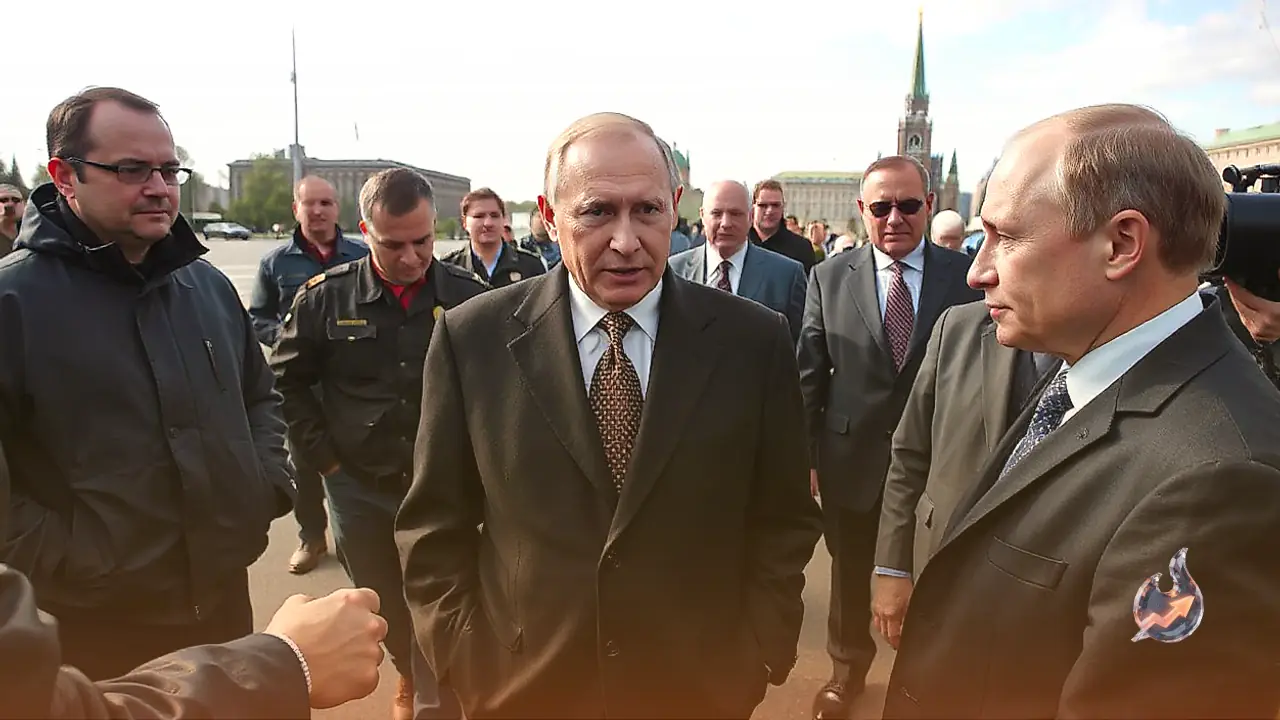
















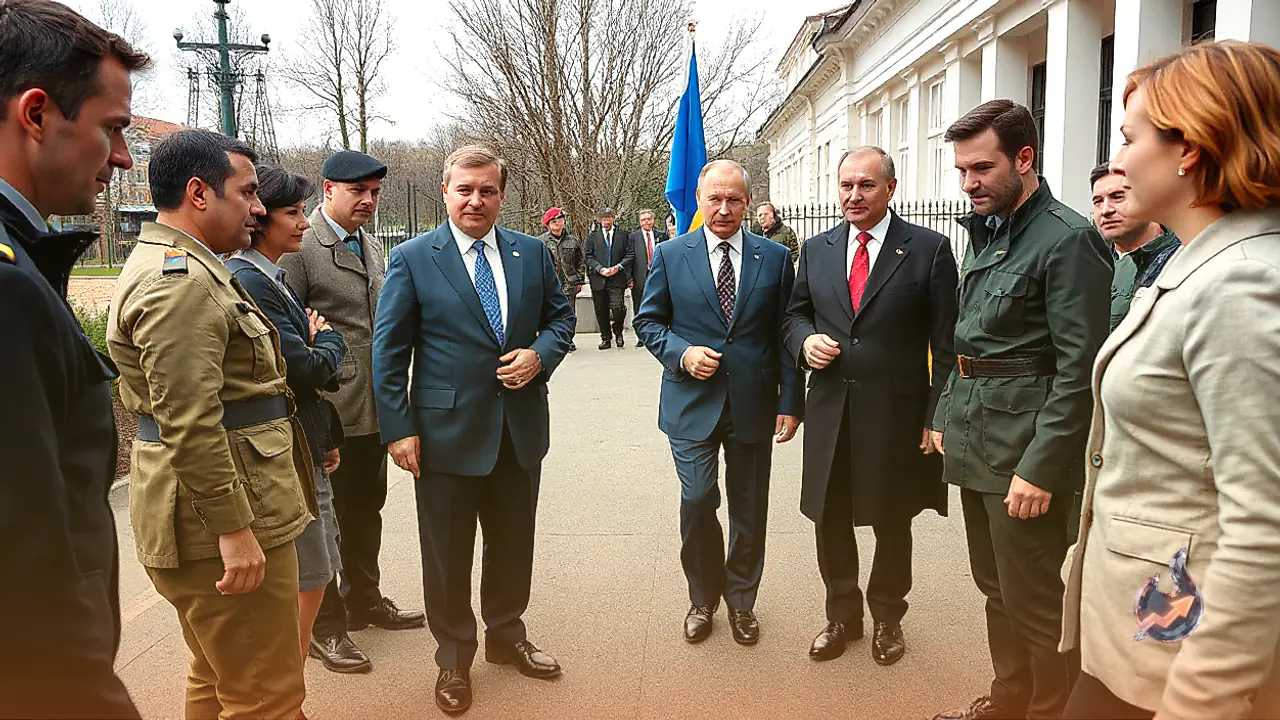

Russia is ready in principle to resume diplomatic negotiations with the United States and Ukraine aimed at bringing the ongoing conflict to a close, according to a top aide to Vladimir Putin. Yuriy Ushakov made these remarks following a crucial three-hour meeting in St Petersburg between Putin and Steve Witkoff, the special envoy of US President Donald Trump. Kyiv has continuously pressed Moscow for an immediate resumption of these trilateral talks, which had been suspended back in February.
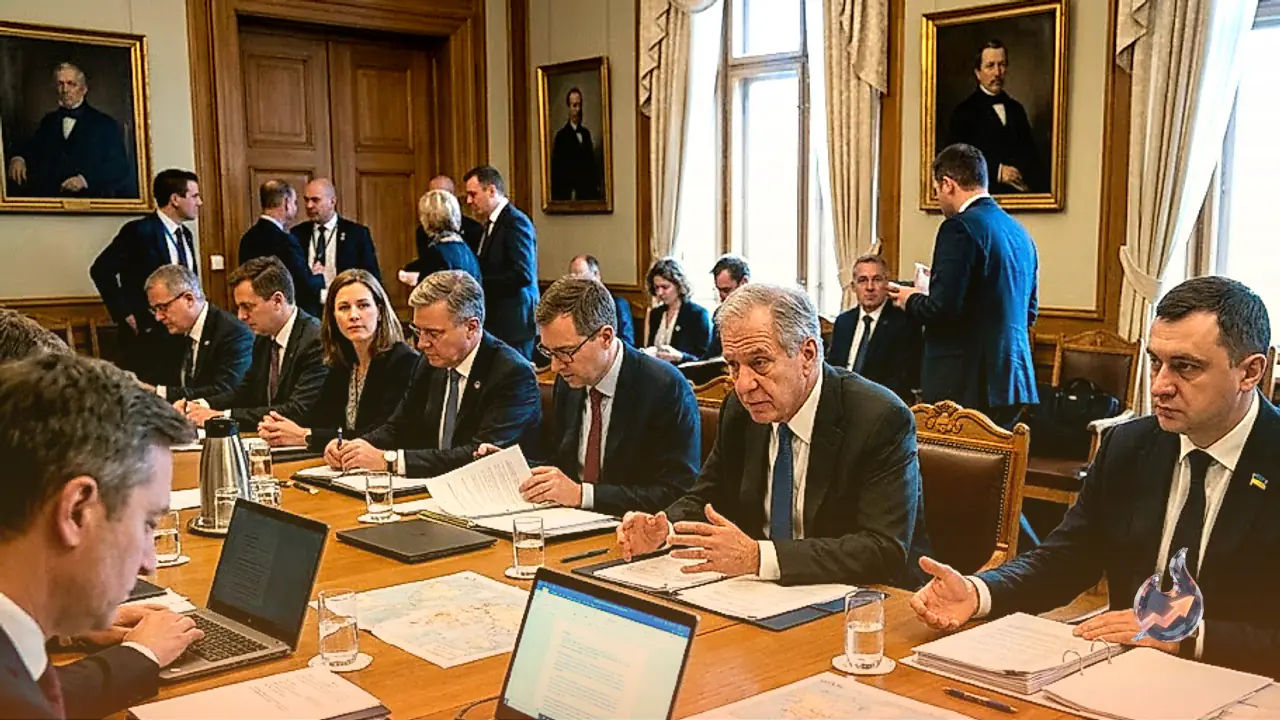
High-ranking officials from Moscow, Kyiv, and Washington have participated in several rounds of discussions since February 2022, when Putin launched a full-scale invasion of Ukraine. However, those diplomatic efforts were put on hold after the Kremlin blamed massive Ukrainian strikes on Russian territory last month for disrupting the process. Both international observers and regional leaders are now closely monitoring whether these upcoming diplomatic overtures can bridge the deep divides between the warring nations.
Potential Timeline and Core Security Focus
Speaking directly to reporters after the extensive talks in St Petersburg, Ushakov suggested that a fresh round of trilateral discussions could potentially take place around 10 November. He strongly emphasized that any forthcoming negotiations must center heavily on building a comprehensive security system for both Russia and Ukraine once the armed conflict finally reaches its conclusion. Moscow maintains that establishing a reliable and balanced security architecture is essential for preventing future escalations in the region.
Before arriving in Moscow, Witkoff held consultations with Ukraine President Volodymyr Zelensky, alongside the leaders of Norway and Finland on Monday. Commenting on those diplomatic exchanges, Ushakov remarked that the ideas brought forward by those European leaders were not particularly useful. Despite differing regional perspectives, the active engagement of US intermediaries indicates an ongoing effort to restart dialogue and find a negotiated political pathway out of the prolonged war.