

















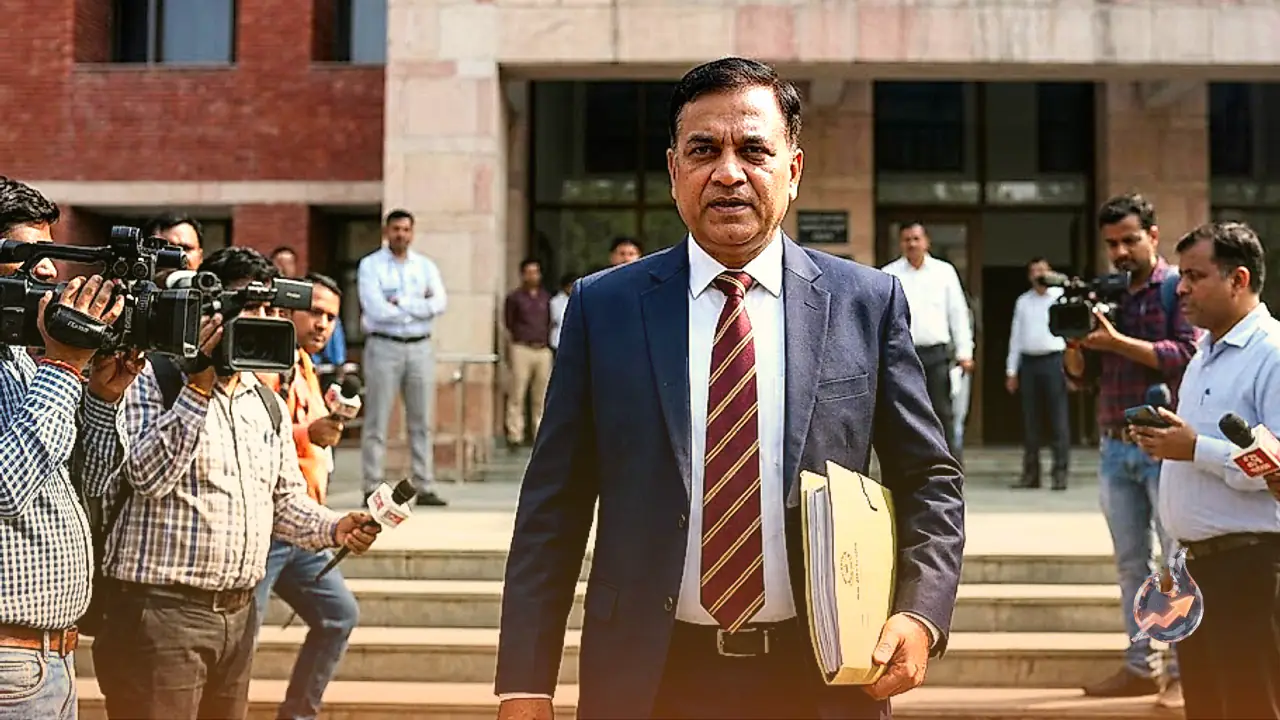

The operational framework of the National Testing Agency has come under intense judicial scrutiny following revelations in the NEET UG 2026 paper leak investigation. A special court in Delhi recently took formal cognizance of the comprehensive charge-sheet submitted on July 28 by the Central Bureau of Investigation. The extensive legal filing names 13 key accused individuals and integrates recorded statements from 360 witnesses. Among these findings, the most critical disclosure focuses on how subject matter experts responsible for setting, translating, and moderating examination papers for India's premier medical entrance test were selected without standard operating procedures or formal policies.
Informal Recommendations Governed Selection of Paper Setters
Witness statements recorded by the central investigating agency reveal that no written qualification criteria or mandatory terms were established by the testing body for appointing examination experts. According to testimony provided by a Physics expert from Maharashtra, the agency relied heavily on personal recommendations from existing panel members. Teachers already associated with the paper-setting process routinely forwarded names of their personal acquaintances and colleagues, who were then assigned tasks such as drafting question items or conducting moderation. This reliance on informal networks bypassed standardized vetting procedures.
Lack of Centralized Supervision Across Multi-Tier Drafting Team
The paper preparation pipeline involves multiple operational tiers, including subject experts, item writers, paper moderators, and translation faculty handling various regional languages. For language translations, a group of 2 to 4 teachers was assigned per language. Despite the involvement of numerous individuals across these stages, there was no robust administrative oversight mechanism to monitor their activities or enforce strict confidentiality. This systemic absence of centralized surveillance created persistent security vulnerabilities, allowing risks of question paper leaks at any point during preparation.
Favoritism and Systemic Gaps in Panel Appointments
The charge-sheet also details disclosures from a Chemistry expert who had been associated with the testing agency for the past 6 to 7 years. Allegations indicate that this individual used personal influence to enroll several friends and acquaintances from Pune into the expert panel. Furthermore, even after a dispute arose with an agency official during the conduct of the Sainik School entrance examination, operational coordination remained under the control of the same individuals. These facts underline a major transparency deficit within the administrative apparatus responsible for conducting high-stakes national examinations.