






















India possesses a rich tapestry of festivals that often reflect deep cultural roots and regional beliefs. While some celebrations are observed nationwide, others remain intimately tied to the faith of specific communities and geographical areas. Goga Navami stands out as one such prominent folk festival, holding immense religious significance across regions spanning from Rajasthan to Haryana, Punjab, and parts of Himachal Pradesh. On this day, people come together to pay their respects to the snake deity and seek blessings for the well-being of their households.
The Legend and Significance of Goga Ji
According to the traditional calendar, Goga Navami falls on the Navami Tithi during the Krishna Paksha of the Bhadrapada month. This year, the festival is observed on Saturday, September 5, with devotees also exploring shubh muhurat details for Goga Navami. Goga Ji is revered predominantly as a snake deity and is widely known by alternate titles such as Jahirveer Goga Rana and Jahirpeer Goga Ji. Backed by legends of spiritual discipline, intense penance, and attained mystic powers, he secured a revered position among the primary folk deities of Rajasthan.
Step-by-Step Rituals for Goga Navami Puja
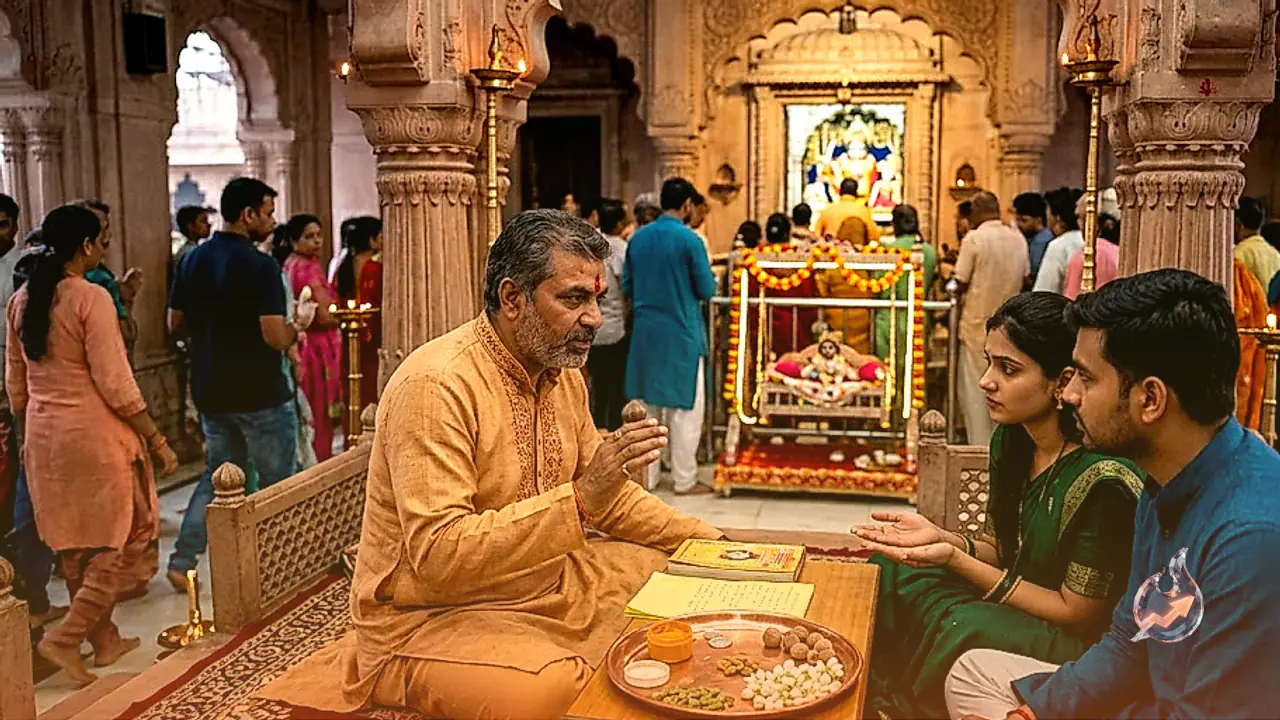
The observance of Goga Navami begins early in the morning with a ritual bath and clean attire, followed by taking a solemn vow of fasting and worship while meditating on Goga Ji. Several customs make up the traditional worship process
- A symbolic representation of Goga Ji is drawn on the kitchen wall using turmeric and sandalwood paste.
- It is customary to fill color into these drawings using soot collected from the bottom of a cooking pan or ordinary coal.
- In many households, women craft handmade clay idols of Veer Goga Ji, while other places feature the worship of an idol depicting Goga Ji mounted on a horse.
- Twigs of the Janti tree or plants locally identified with Goga Ji are brought home and venerated.
- Offerings consisting of traditional delicacies such as kheer, churma, and gulgule are presented to the deity.
- Prayers are also directed toward the worship of snakes to invoke protection and prosperity for the entire family.
- In regions where idols of Goga Ji on a horse are worshipped, a parallel tradition involves feeding lentils to horses.
- Another widely followed custom involves removing the sacred thread or rakhi tied by a brother during Raksha Bandhan and offering it to Goga Ji on this day.
- Family members then offer prayers for the long life and safety of brothers and loved ones.
- Once the daytime rituals conclude, the Janti twig or the Goga plant is immersed in a nearby river or pond during the evening hours.
- In Haryana, the plant associated with Goga Ji is commonly recognized as Apamarg, Latjeera, or Chhirchhita, which holds significant medicinal properties.
- Due to these healing qualities, local tradition integrates the plant directly into Goga Navami worship practices.
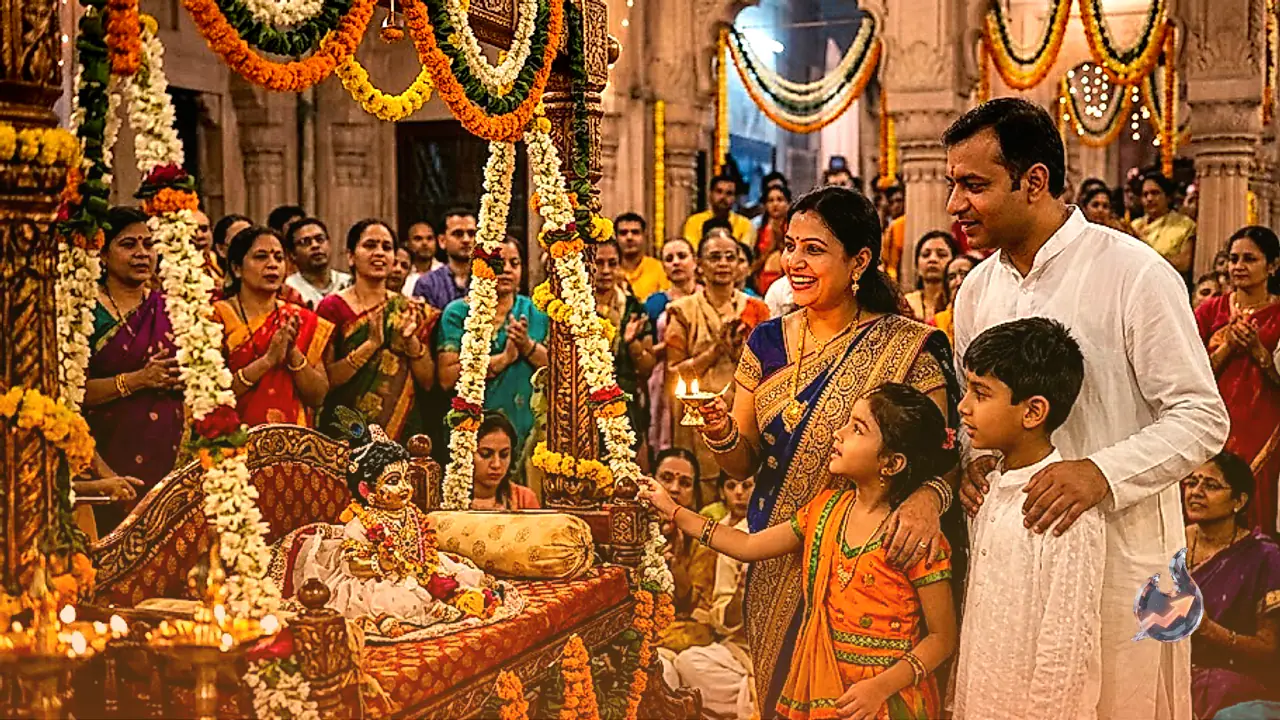
- Women observe strict fasts on this day to pray for the longevity, good health, and overall prosperity of their children.
- Couples desiring children also offer prayers to Goga Ji with the sincere hope of fulfilling their family aspirations.
- Tradition dictates that approaching the deity with deep faith ensures all earnest wishes are granted.
- The main center of celebration is the famous temple located in Gogamedi within the Hanumangarh district of Rajasthan, where a grand annual fair draws massive crowds.
- Processions featuring the sacred staff or chhari of Goga Ji carried on shoulders remain a signature highlight of the regional festivities.