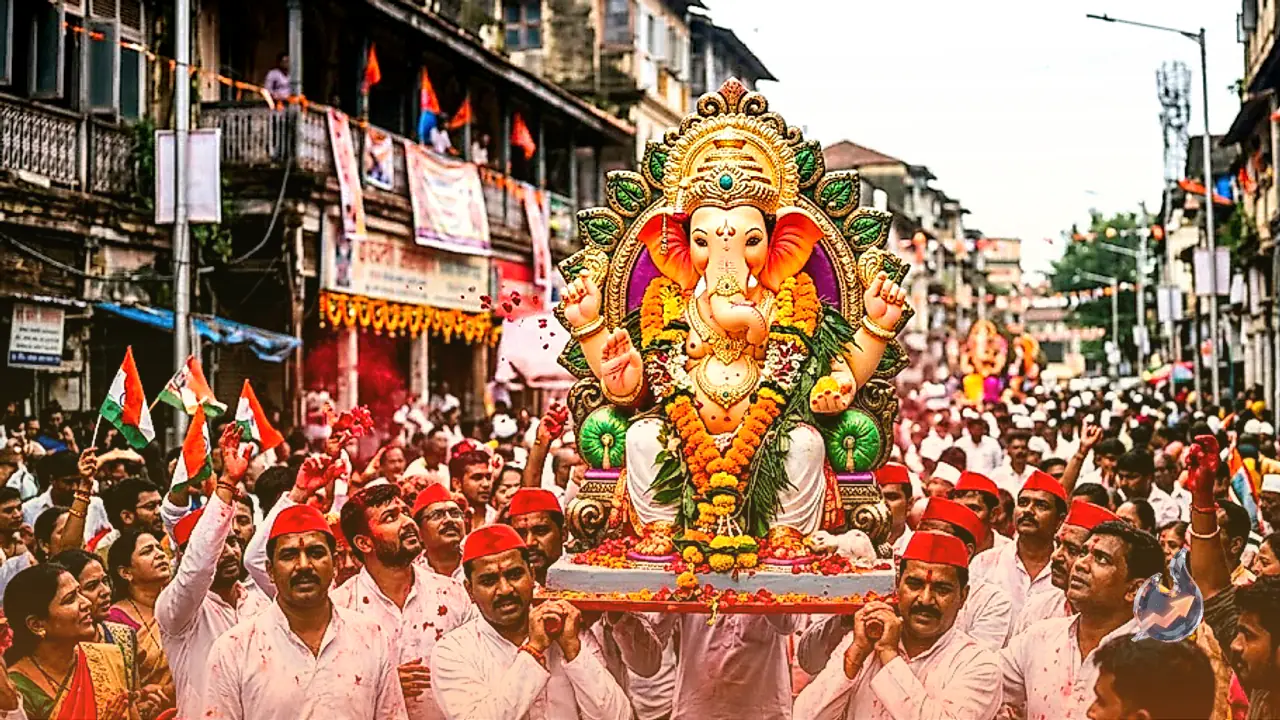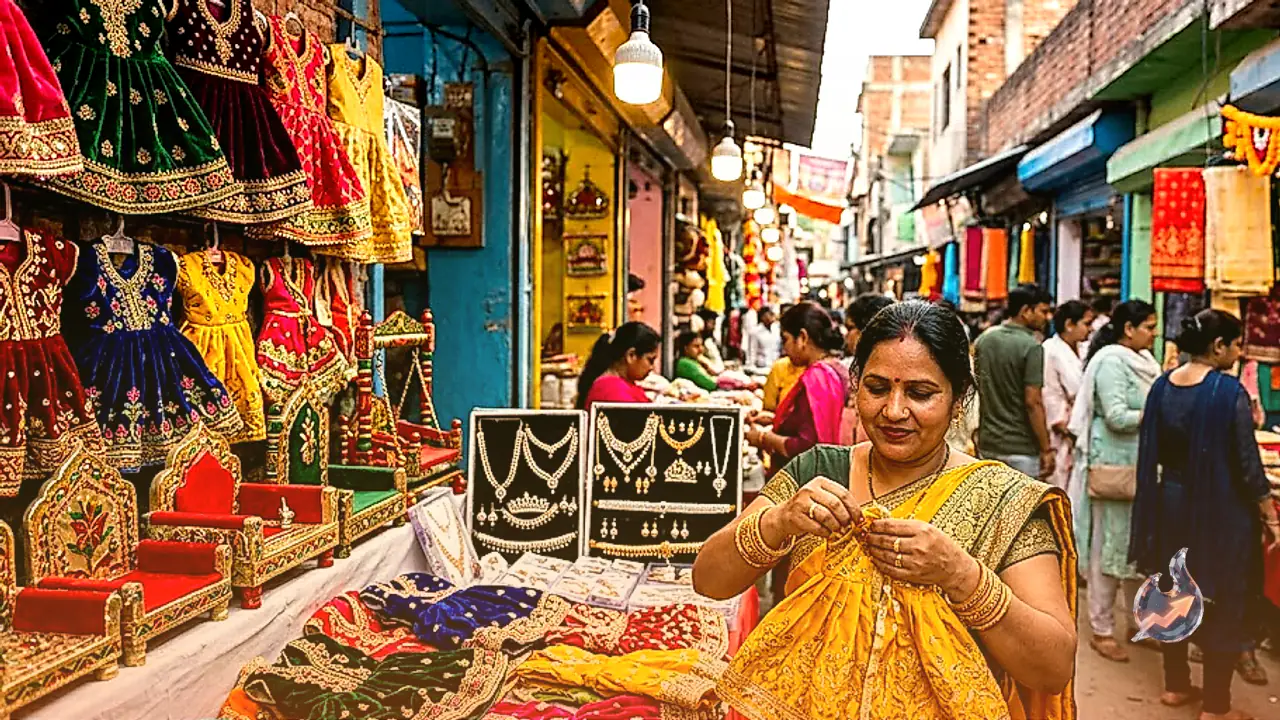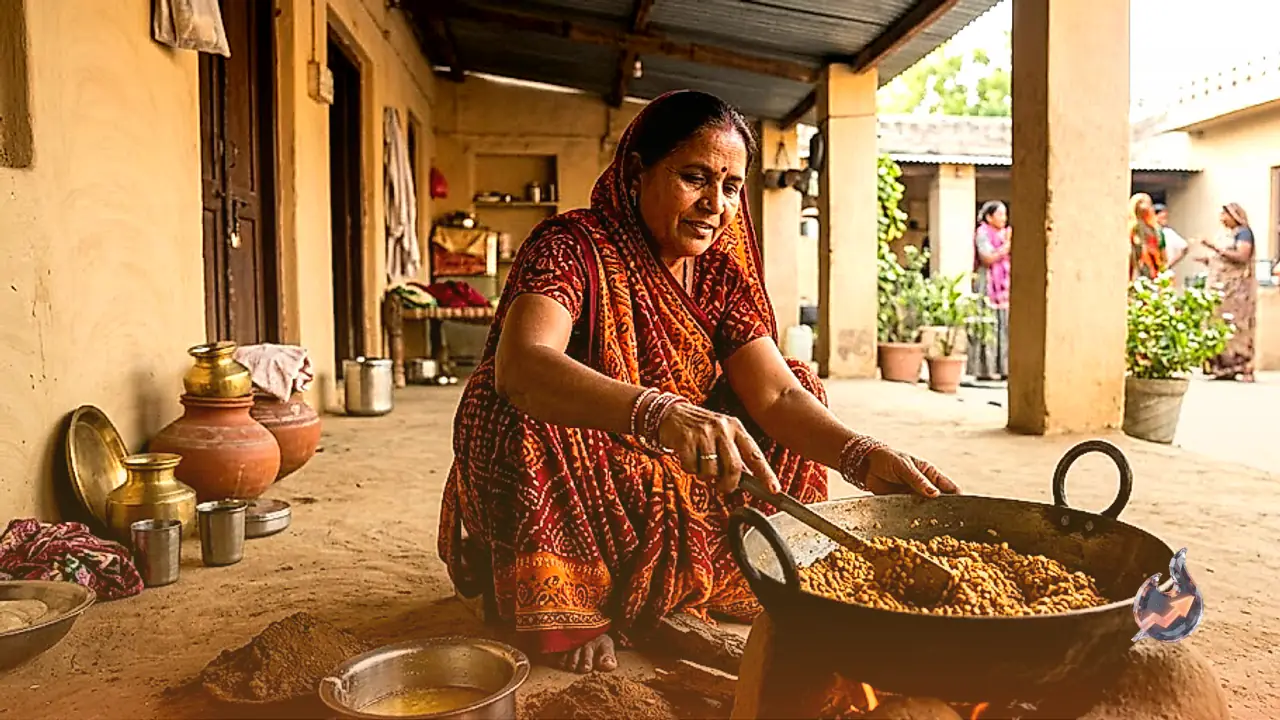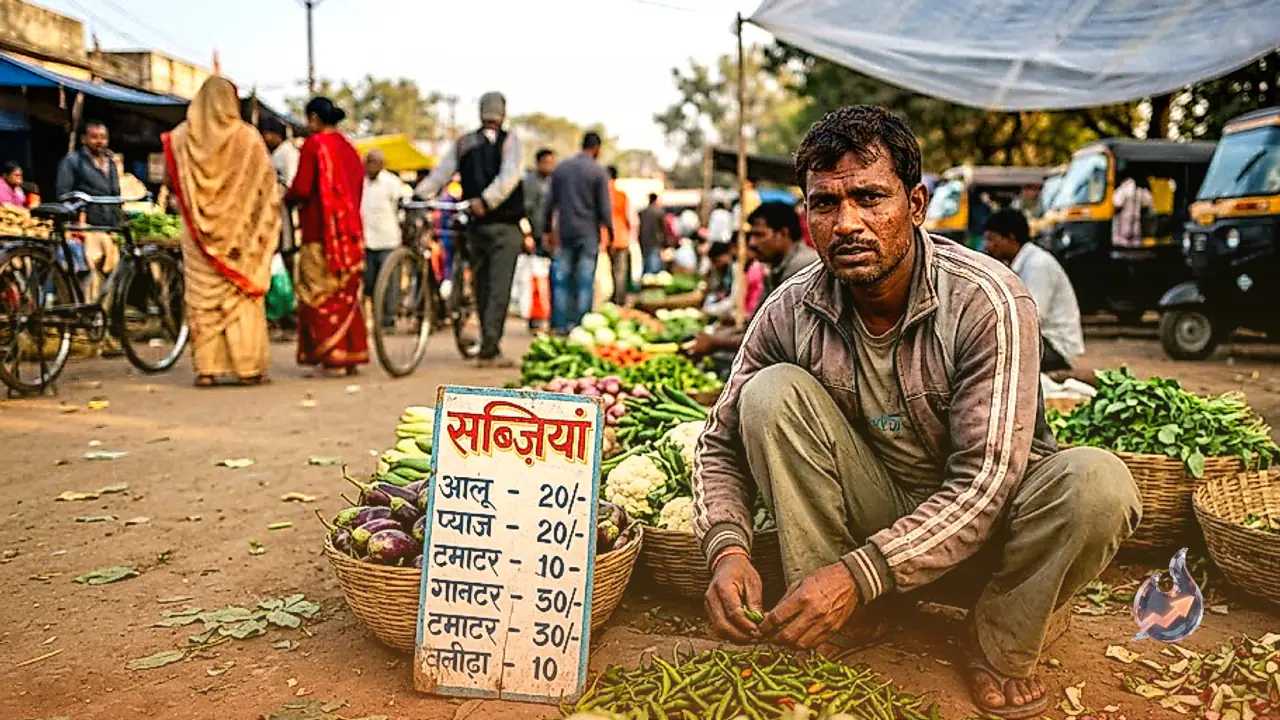
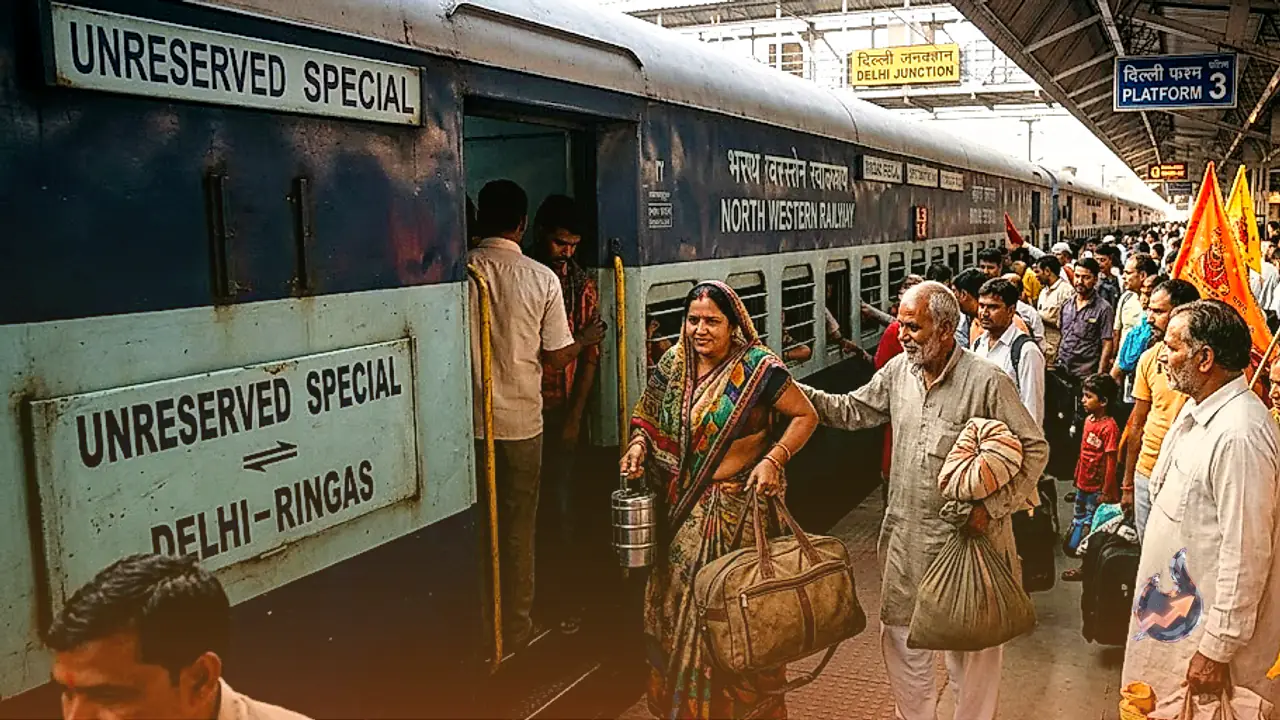




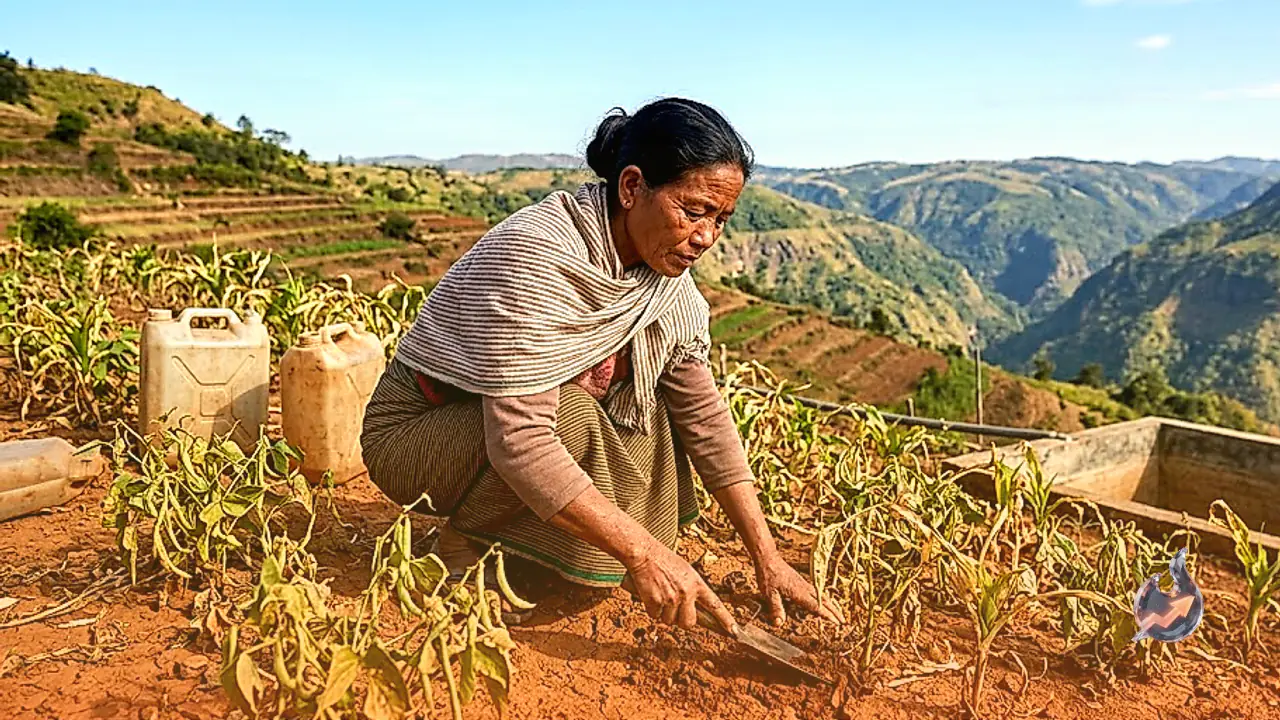















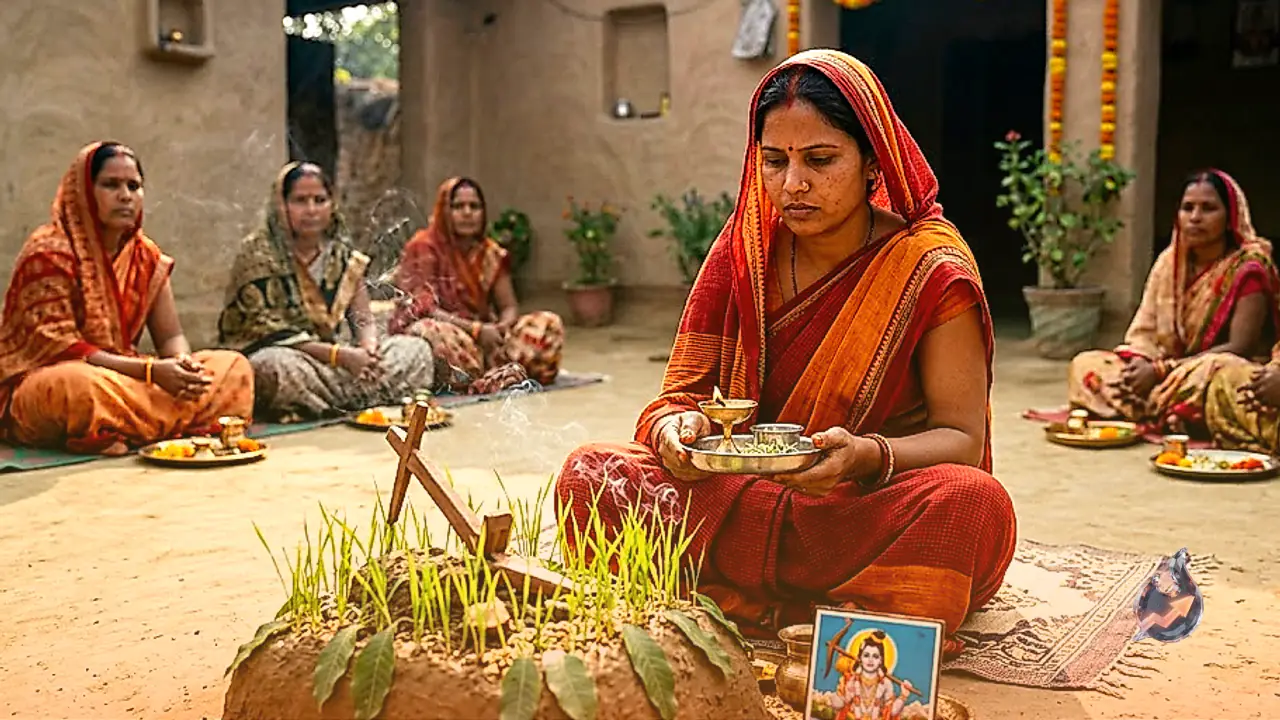

Hal Shashthi holds a deeply revered position among traditional fasting observances carried out by mothers for the longevity, health, and prosperity of their children. In 2026, the Shashthi Tithi of the Krishna Paksha in the month of Bhadrapada commenced at approximately 6:12 AM on 2 September and will remain active until around 4:25 AM on 3 September. Consequently, mothers are observing this sacred fast with complete rituals on 2 September 2026. According to religious belief, the day is dedicated to the worship of Lord Balarama and Har Chhath Mata. A central obligation of this observance is the strict prohibition of consuming any food grain cultivated on plowed land.
Religious Significance and Regional Names of Hal Shashthi
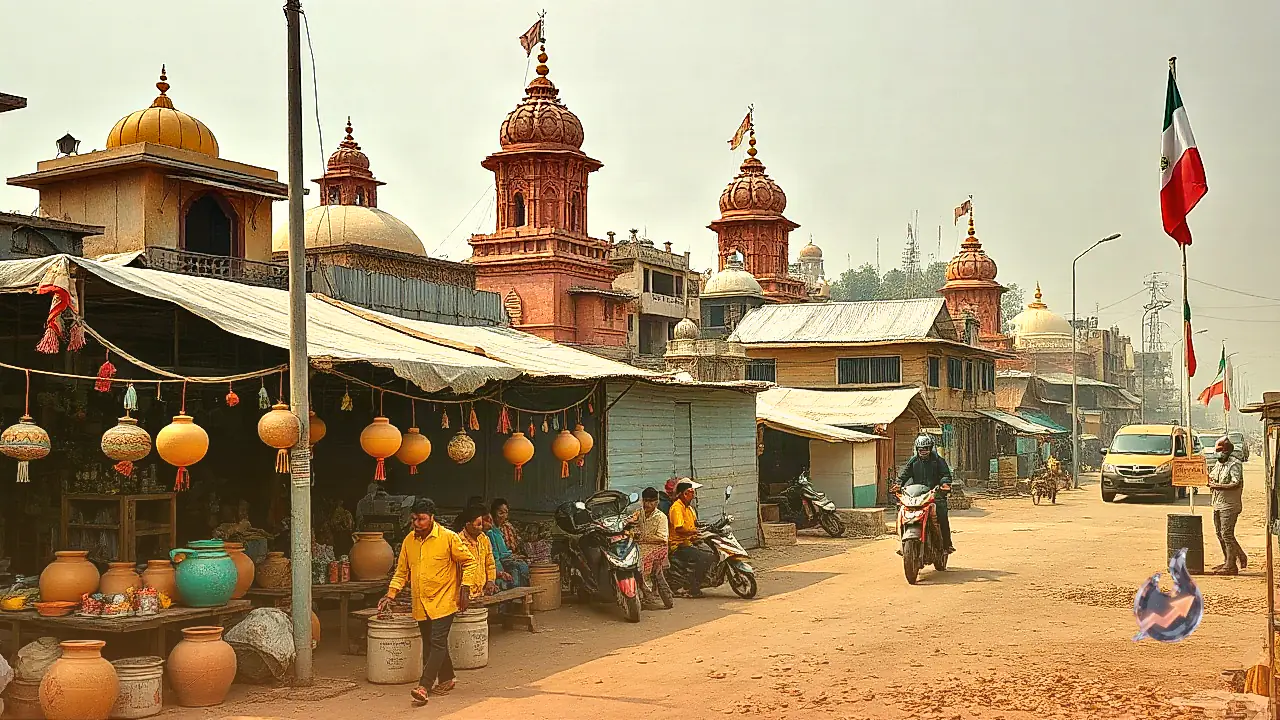
Hal Shashthi is celebrated under various localized names across different regions of India. In Purvanchal, central India, and parts of Rajasthan, it is widely known as Hal Chhath, Har Chhath, or Lalahi Chhath. Mythological accounts associate this day with the birth anniversary of Lord Balarama, the elder brother of Lord Krishna, as well as his signature weapon, the plow (Hal). Lord Balarama is regarded as the presiding deity of agriculture and farming traditions. On this auspicious occasion, mothers observe a rigorous fast, refraining from regular meals to seek extended lifespan, physical well-being, and lasting peace for their families.
Complete Step-by-Step Puja Vidhi and Required Items
The ceremonial rituals of Hal Shashthi differ significantly from everyday worship routines. Rather than simply lighting a lamp before a deity, the ritual incorporates deep-rooted traditions connected to nature, farming, and the earth.
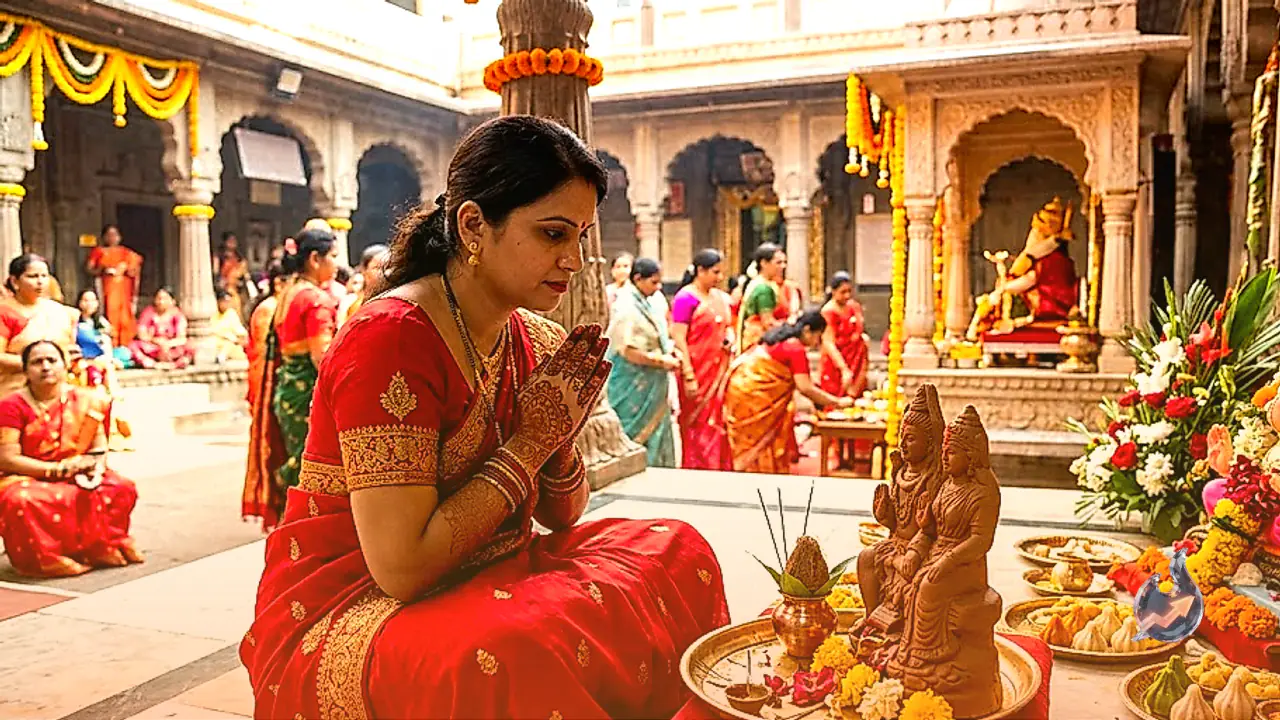
The preparation begins with cleaning the home courtyard or a dedicated prayer space. Devotees then construct a small artificial pond or reservoir using natural clay. In several traditions, twigs from local plants such as Palash, Jharberi, and Kans are brought together to construct the ritual framework. Alongside this, a small symbolic replica of a plow is crafted from wood or clay and worshipped using sacred vermilion (Roli) and rice grains (Akshat).
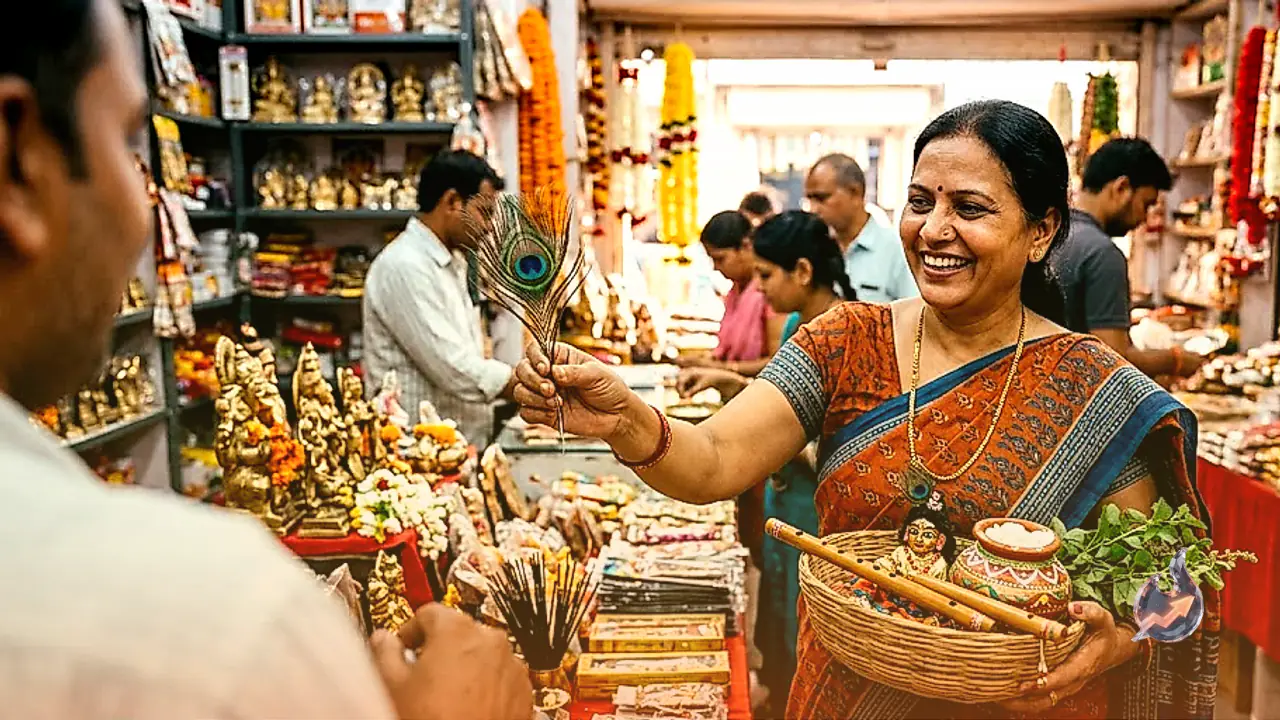
Essential puja items include Roli, Akshat, fresh flowers, incense sticks, a clarified butter lamp, a water filled Kalash, seasonal fruits, and consecrated offerings (Prasad). In many households, a mixture of seven types of grains, known as Satnaja, is also incorporated into the ritual offerings.
Listening to Vrat Katha and Offering Final Prayers
During the primary ritual phase, devotees meditate upon Lord Balarama while venerating his revered weapons, the plow and mace (Hal-Musal). After lighting the incense and lamp, devotees offer Roli, Akshat, and flowers. This is followed by reading or listening to the Hal Shashthi Vrat Katha, a holy legend whose recital is deemed essential for completing the fast successfully.
Upon concluding the legend, mothers fold their hands in solemn prayer, requesting Lord Balarama to bless their offspring with robust health, long life, and family happiness. The ceremony concludes with the performance of Aarti and the distribution of Prasad among family members. As worship guidelines and offerings can vary across regions, adhering to longstanding family customs remains widely encouraged.
Strict Dietary Guidelines: What to Eat and Avoid
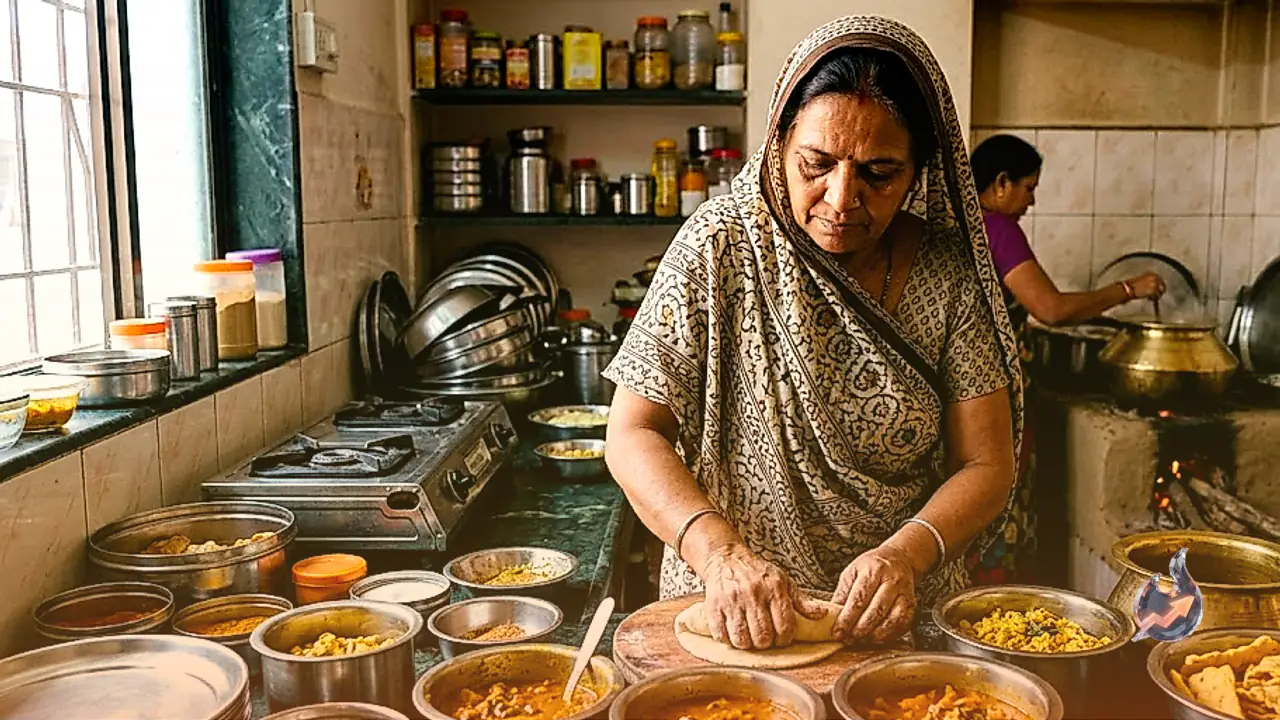
The most distinctive feature of the Hal Shashthi fast lies in its strict dietary restrictions. Traditional guidelines forbid the consumption of any food grains grown in fields prepared by plowing. As a result, staple foods like wheat, cultivated rice, lentils, and all other crops grown through agricultural tilling are completely avoided.
Instead, fasting devotees consume Tinni rice (a variety of wild rice that grows naturally without soil tilling), fruits, and uncultivated produce. In addition, several regional customs mandate the use of buffalo milk, curd, and derived milk products while strictly avoiding cow milk on this day. Nevertheless, specific dietary practices may adapt according to regional and family customs.
A Unique Celebration of Agriculture, Nature, and Motherhood
Hal Shashthi is far more than a routine religious fast; it represents an ancient harmony between Indian agricultural heritage, environmental reverence, and maternal devotion. The clay pond, branches of wild vegetation, symbolic plow, and wild unplowed grains serve as enduring links to agrarian life and gratitude toward mother nature. Though regional names and specific customs may vary across states, the underlying devotion of mothers praying for their children's welfare remains universal.