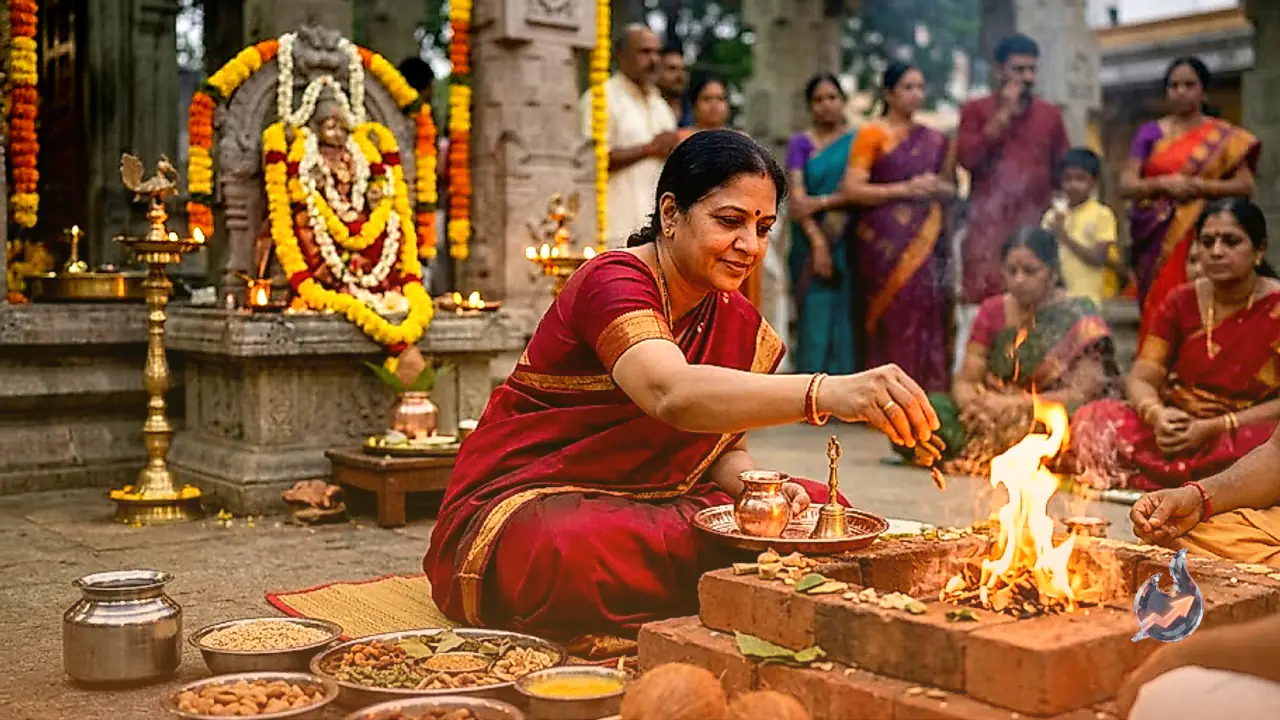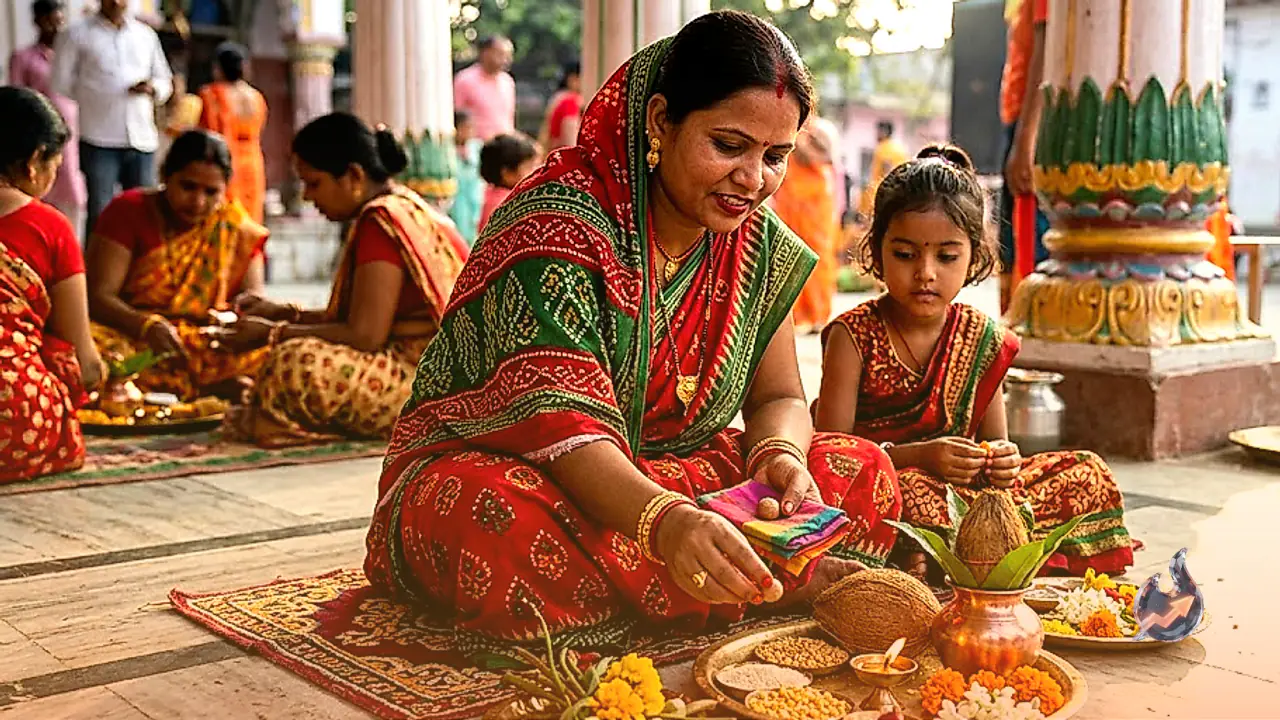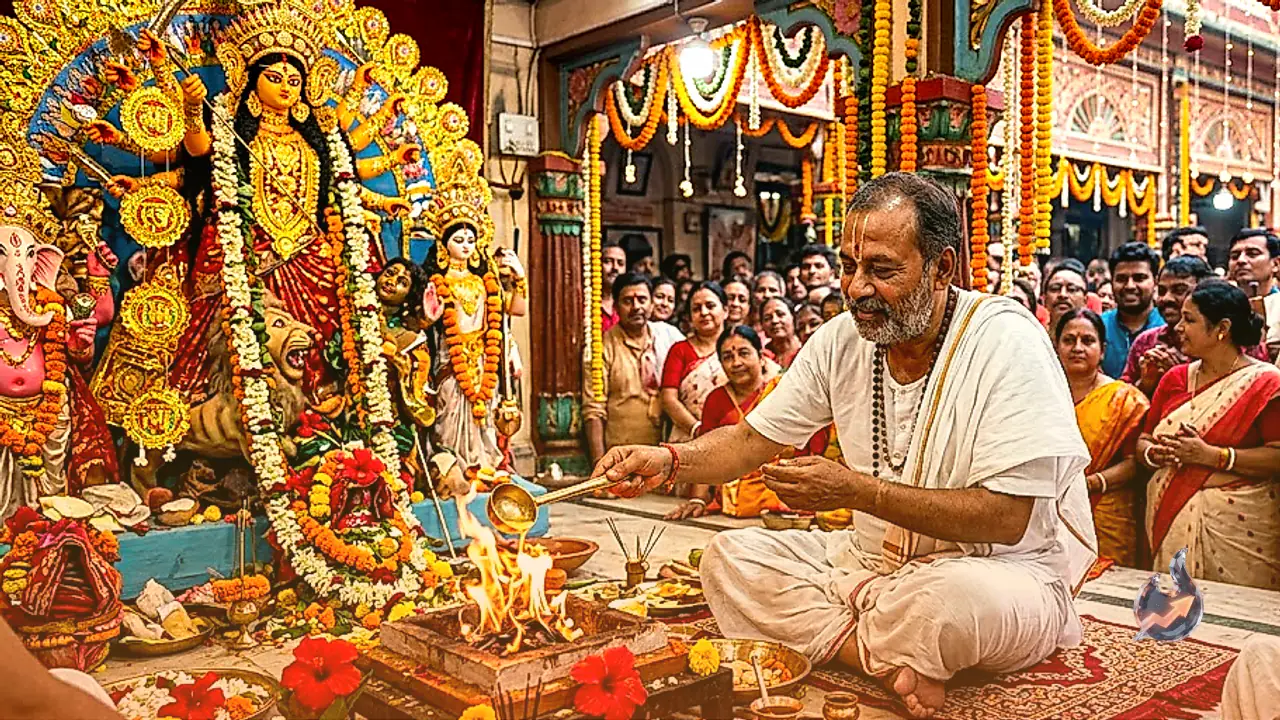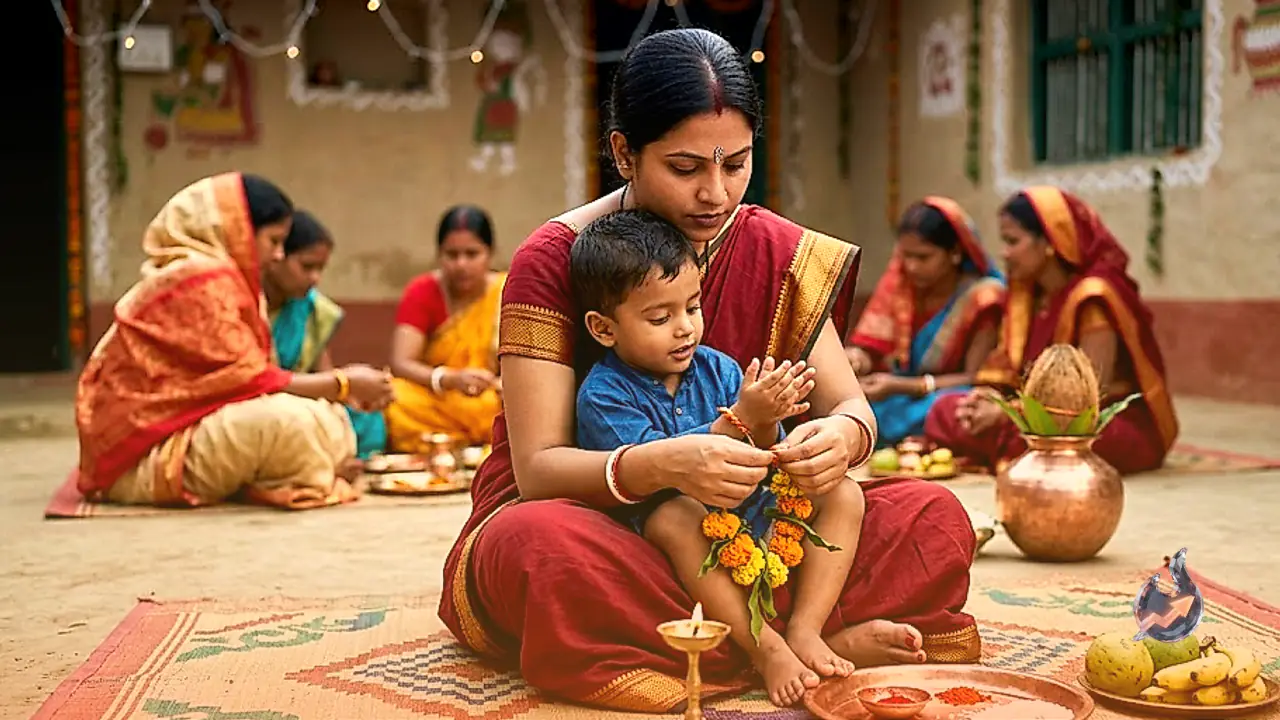























The arrival of Shardiya Navratri marks the beginning of grand celebrations and devotional worship of Goddess Durga across India. While the nine-day Navratri festival is observed nationwide, West Bengal and surrounding eastern regions celebrate this period with the monumental carnival of Durga Puja. According to Bengali customs, the festival officially begins on the day of Sasthi and continues with high devotion until Vijaya Dashami. Following the core rituals of Maha Saptami, Maha Ashtami, and Maha Navami, devotees bid an emotional farewell to the goddess on Dashami. Calendar calculations for 2026 have outlined the precise timings and dates for Sasthi, immersion, and every major ritual in between.
Sasthi Timings, Kalparambha, and Akal Bodhon
The Sasthi tithi holds immense significance in the overall structure of Durga Puja, as it marks the formal awakening and welcome of Goddess Durga into puja pandals and homes. In 2026, Sasthi tithi will be observed on October 16. Astrological calculations indicate that Sasthi tithi begins at 3:25 AM on the morning of October 16 and concludes at 5:54 AM on October 17. The grand festivities will commence on this day with the traditional rituals of Kalparambha and Akal Bodhon. According to Drik Panchang, Sasthi tithi will also remain valid on October 17.
Influence of Local Sunrise and Panchang Variations
The exact timing of festival observances across Hindu traditions relies heavily on regional panchang systems and local sunrise calculations. Because sunrise times vary across different latitudes and longitudes, devotees often notice slight differences in festival dates across various Indian states and cities. For festivities centered in West Bengal, all religious rites, rituals, and ceremonies will follow the local sunrise in Kolkata and the traditional Bengali almanac guidelines.
Maha Saptami and the Nabapatrika Puja
Following the Sasthi rituals, devotees welcome Maha Saptami. The Saptami tithi is scheduled to begin at 5:54 AM on October 17 and will continue until 8:27 AM on the morning of October 18. Consequently, Maha Saptami will be celebrated on October 18. A central tradition of this day is the Nabapatrika Puja, where nine sacred plants tied together to represent the goddess and nature are ceremoniously bathed and consecrated.
Key Dates for Maha Ashtami and Maha Navami
The spiritual climax of the festival takes place during Maha Ashtami and Maha Navami, which draw millions of worshippers to pandals for prayers and offerings. As per Drik Panchang, Maha Ashtami in 2026 will be celebrated on October 19. The following day, October 20, will mark Maha Navami. On both of these sacred days, specialized worship rites, pushpanjali, and grand bhog offerings are conducted to honor the goddess.
Vijaya Dashami, Sindoor Khela, and Idol Immersion
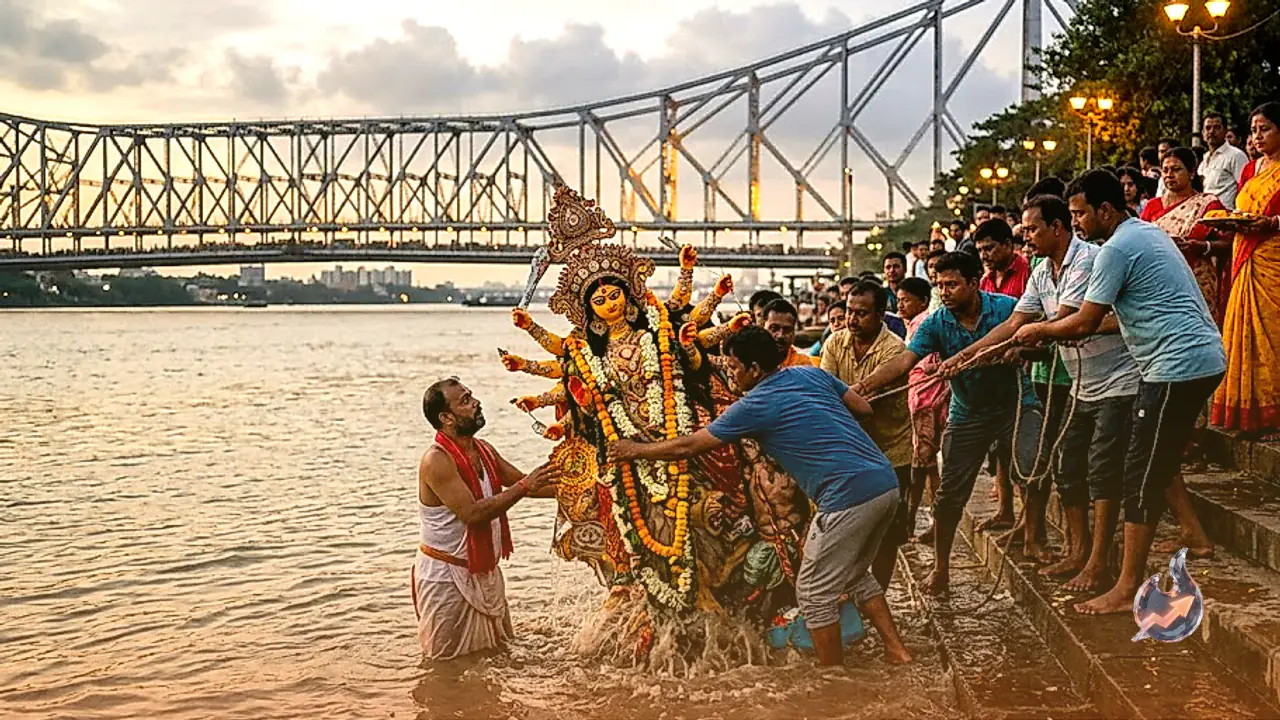
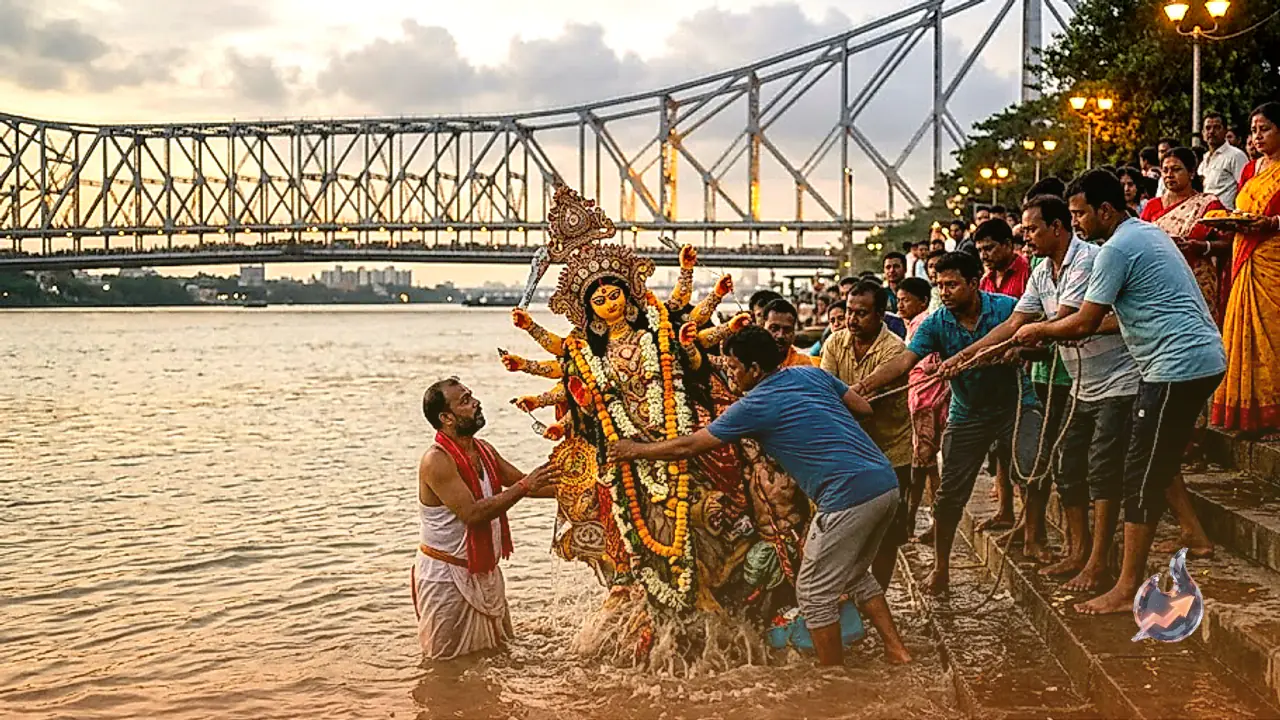
The closing rituals of the festival present a regional variation in dates. Across many parts of North India, Dussehra will be observed on October 20, whereas in West Bengal, Vijaya Dashami will take place on October 21. This day marks the formal culmination of Durga Puja, highlighted by the immersion of Goddess Durga idols into local water bodies. The occasion is celebrated with the vibrant tradition of Sindoor Khela, during which married women smear vermilion on the goddess and on each other as a blessing for prosperity and marital bliss. The grand idols are then carried for immersion amidst the rhythmic beats of dhak drums and devotional chants, concluding the annual festival.