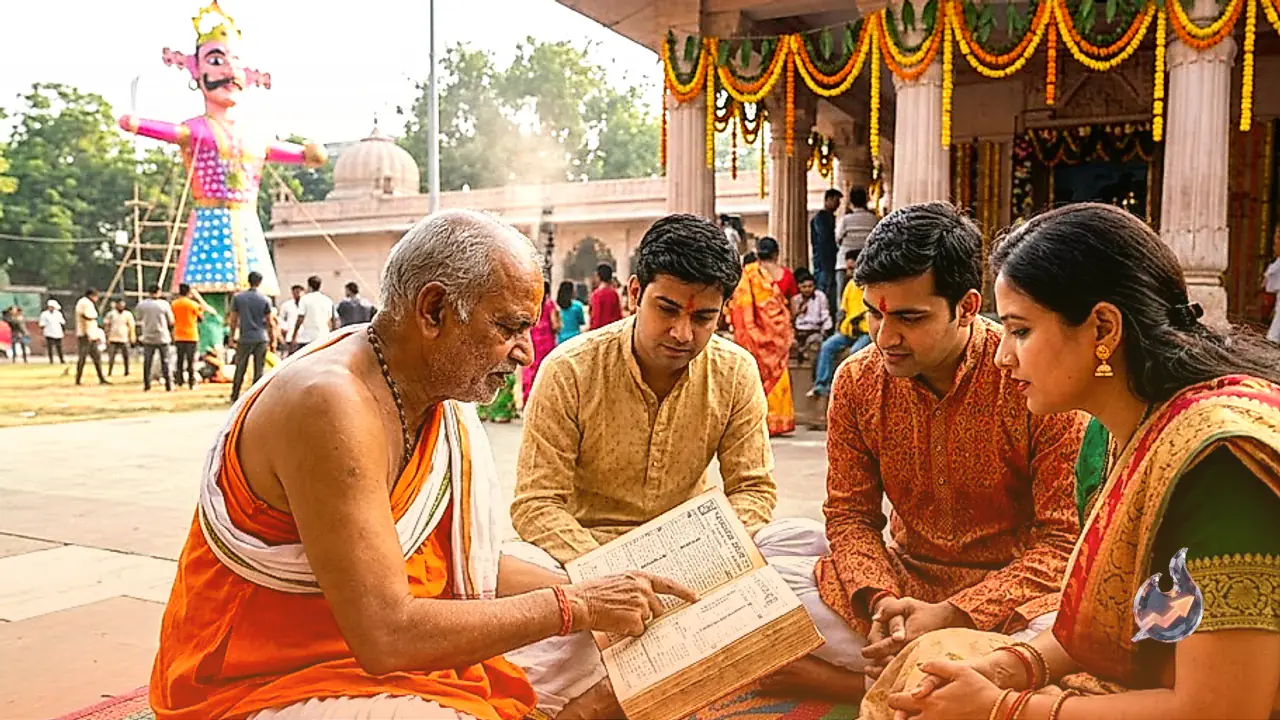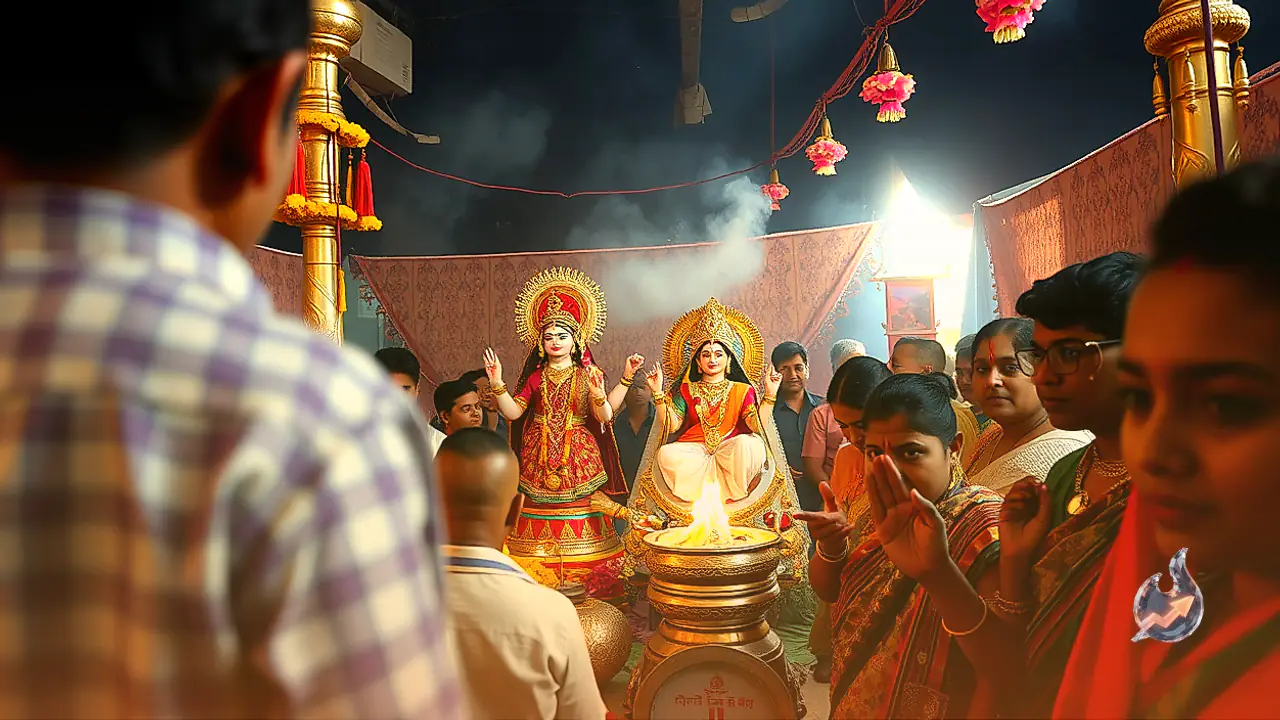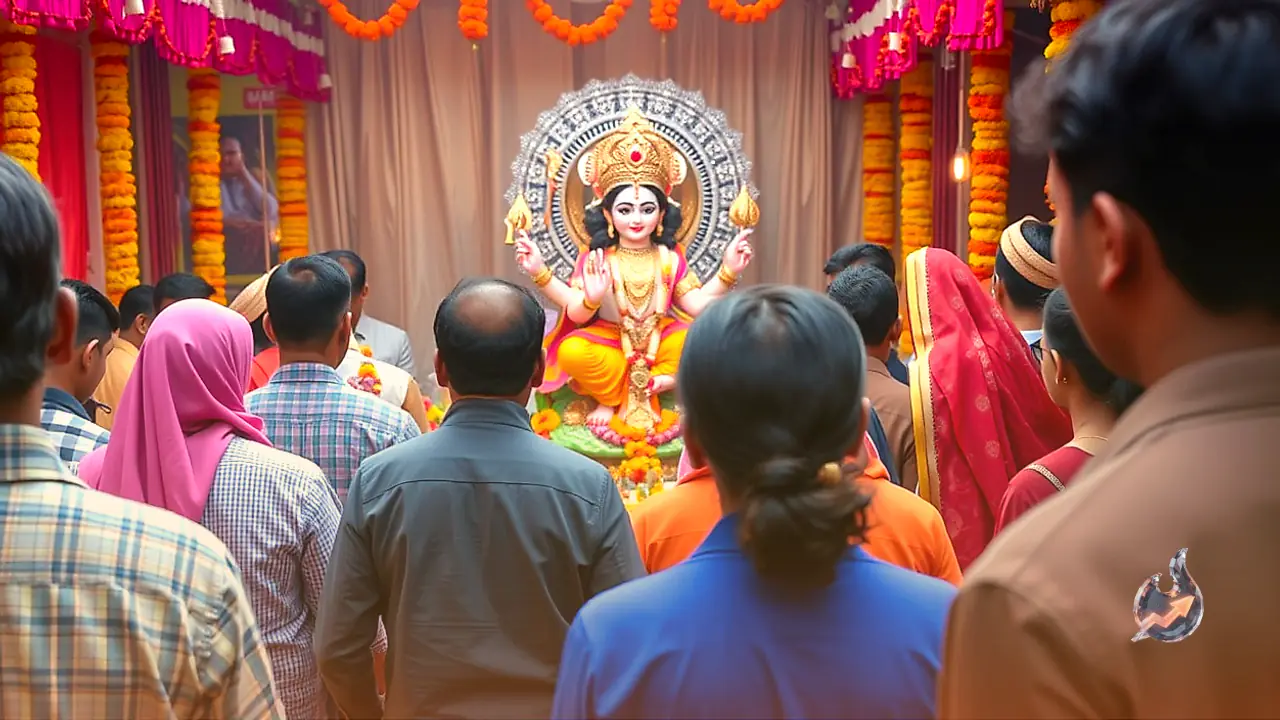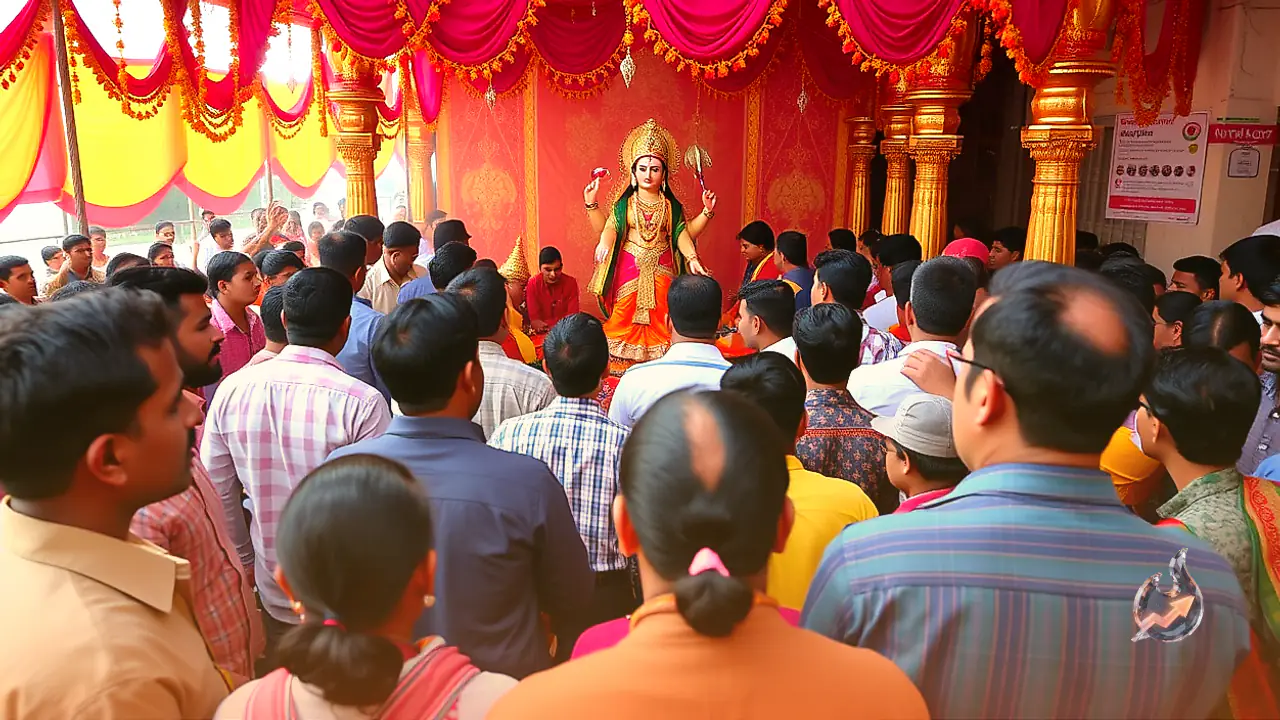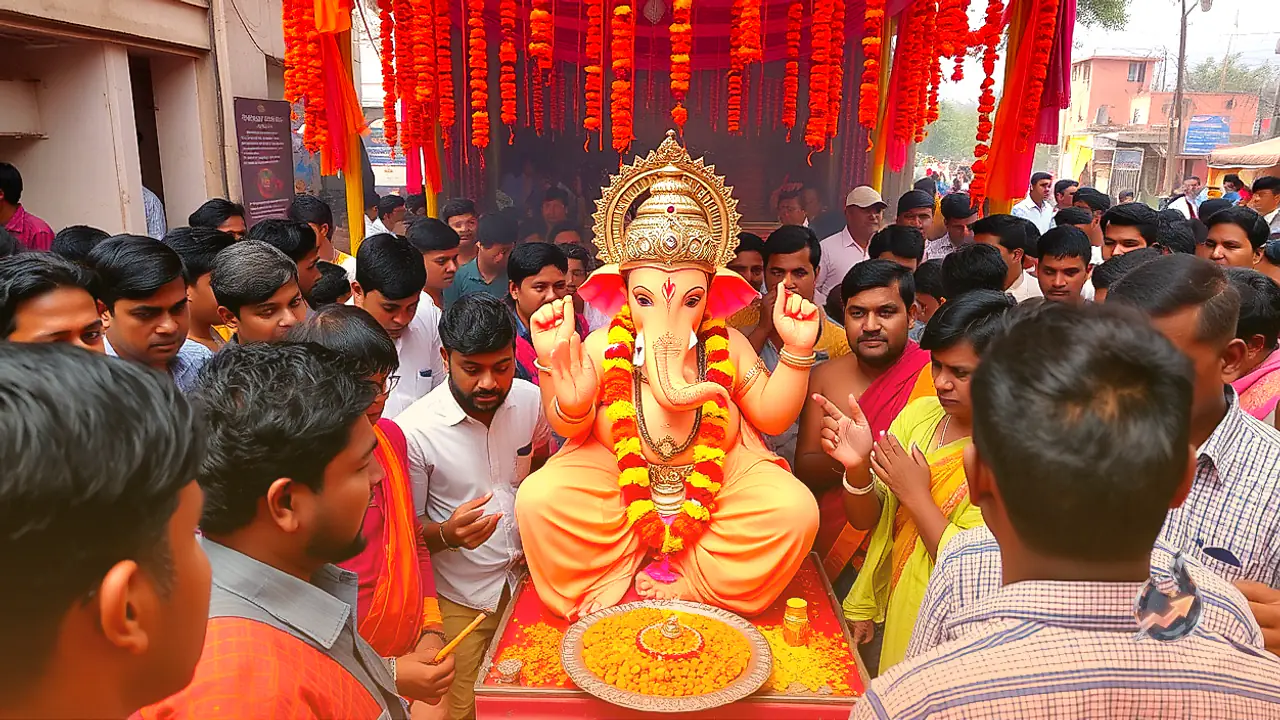

















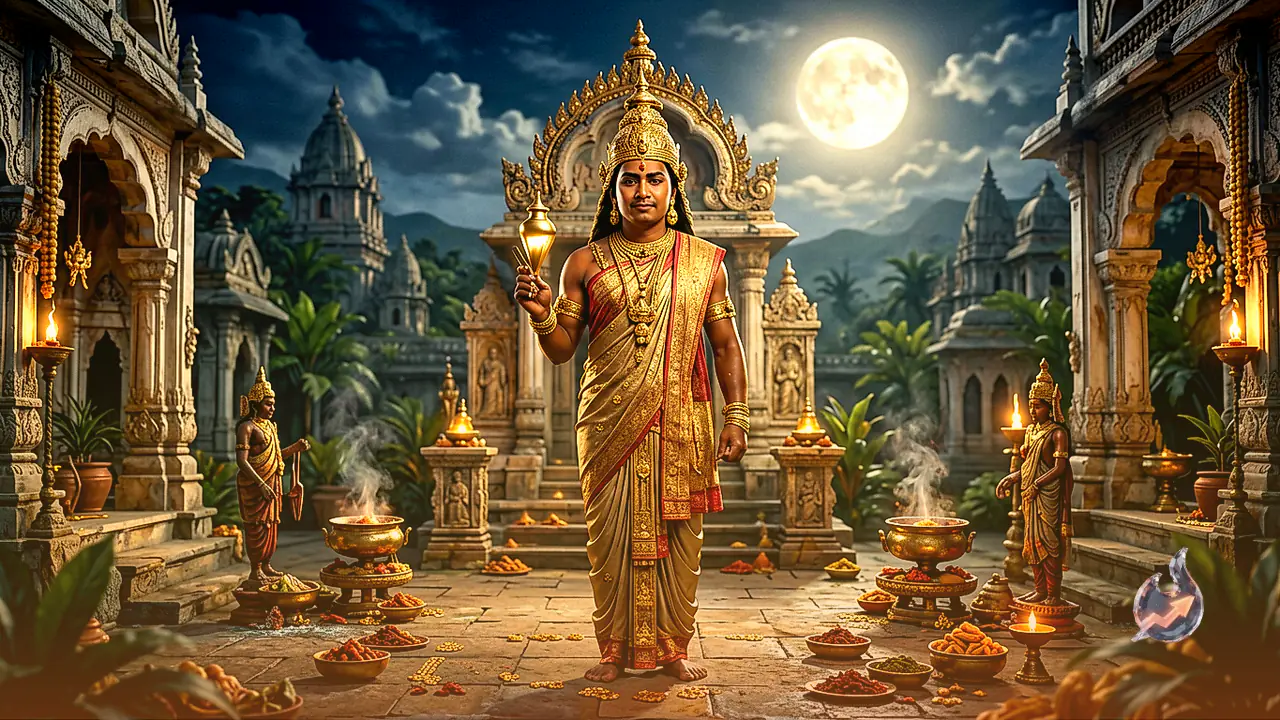

In Sanatan Dharma traditions, Lord Ganesha holds the sacred position of the deity worshipped before all others. Prior to commencing any new endeavor or auspicious activity, devotees invoke the blessings of Bappa to ensure that their work finishes smoothly without encountering any obstacles. Observing a fast on Sankashti Chaturthi is considered a dedicated spiritual practice to seek divine grace and dispel personal hardships. While Sankashti Chaturthi occurs every month according to the traditional calendar, the Chaturthi tithi falling during the Krishna Paksha of the Bhadrapada month holds exceptional spiritual significance. This day is celebrated as Heramba Sankashti Chaturthi. On this occasion, devotees observe a day-long fast, perform elaborate evening prayers dedicated to Lord Ganesha, and conclude their fast after offering Arghya to the rising moon.
Tithi Details and Fasting Date
According to traditional astrological calculations, the Chaturthi tithi of Bhadrapada Krishna Paksha begins on August 31 at 8:50 AM. This lunar phase will remain in effect until September 1 at 7:41 AM. Since the ritual rules of Sankashti Chaturthi mandate that the fast must coincide with the night of the moonrise, the fast for Heramba Sankashti Chaturthi will be observed on August 31.
Auspicious Puja Timings and Evening Rituals
Devotees will have two distinct auspicious windows available during the morning hours on August 31 to perform their Heramba Sankashti Chaturthi prayers. The first auspicious window for Lord Ganesha worship begins at 5:58 AM and lasts until 7:34 AM. For those unable to perform prayers during the initial window, a second auspicious period opens from 9:10 AM to 10:46 AM. Furthermore, the ideal time to light an evening lamp at home to invite positivity and prosperity is marked at 6:44 PM.
Bhadra Period Timings and Observance Rules
On the day of Heramba Sankashti Chaturthi, a Bhadra period will coincide with the early morning hours. On August 31, Bhadra will prevail from 5:58 AM to 8:50 AM. According to religious beliefs, this particular Bhadra is considered to reside on Earth. Spiritual traditions dictate that when Bhadra resides on Earth, performing auspicious ceremonies, initiating new projects, or conducting sacred rituals should be deferred. Devotees are advised to delay important endeavors until the Bhadra phase concludes.
Moonrise Timing and Fast Breaking Rules
Offering Arghya to the moon following its emergence holds central importance in the Sankashti Chaturthi fasting tradition. On August 31, the moonrise is scheduled to occur at 8:29 PM. After the moon rises in the night sky, worshippers can complete their prayers to Lord Ganesha, present the sacred water offering to the moon, and proceed with their fast rituals. Regarding the breaking of the fast, or Parana, devotees who follow the tradition of eating right after offering Arghya can break their fast on the night of August 31. On the other hand, those who adhere to the practice of breaking the fast after sunrise on the following day can do so on September 1 from 5:59 AM onwards.
Spiritual Importance and Remedies
Spiritual beliefs emphasize that worshipping Lord Ganesha on Heramba Sankashti Chaturthi clears obstacles from one's life path and brings success across various pursuits. The night ritual of offering Arghya to the moon carries significant spiritual weight as well. Faith dictates that observing this fast with complete sincerity helps reduce the malefic effects of Chandra Dosh in one's horoscope, promoting peace of mind and relief from distress.