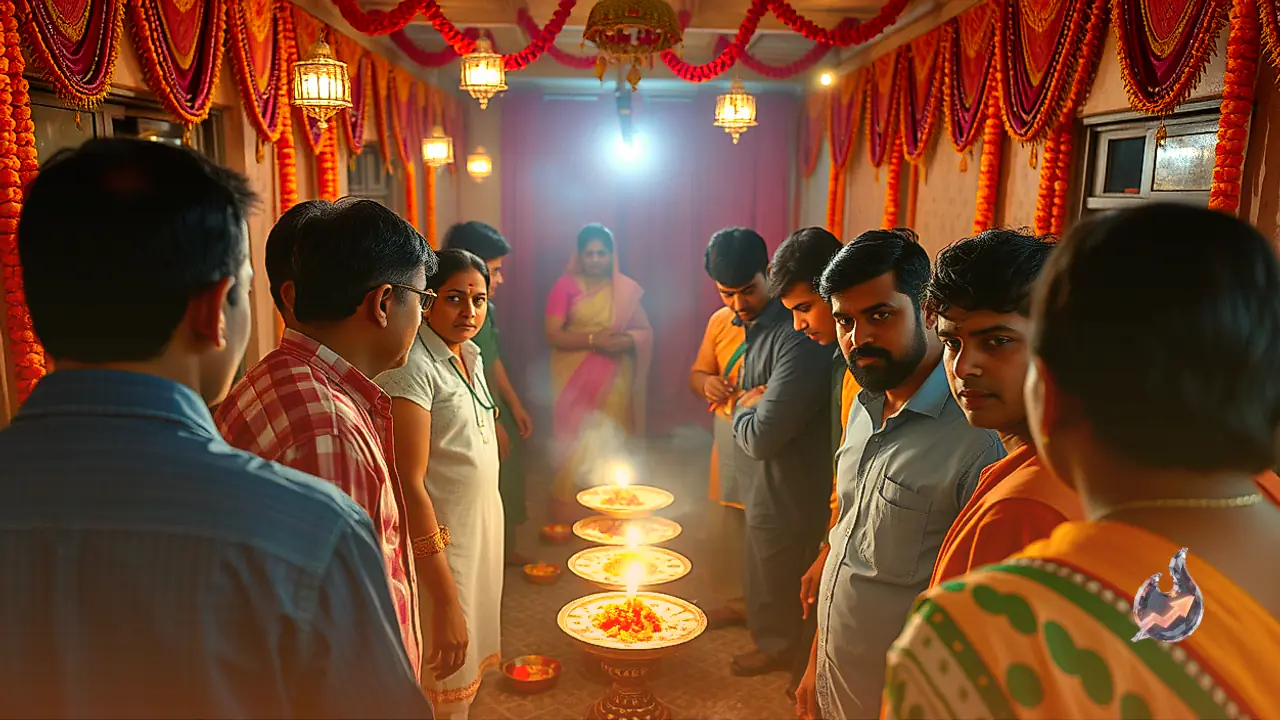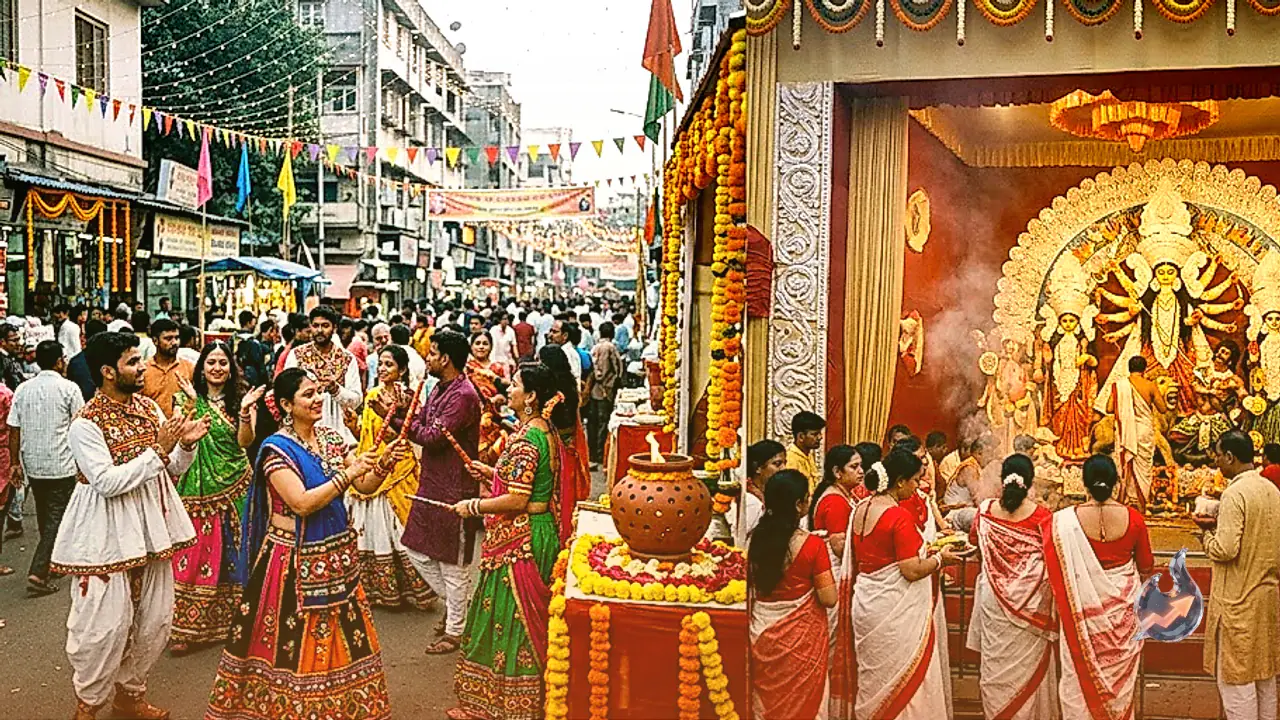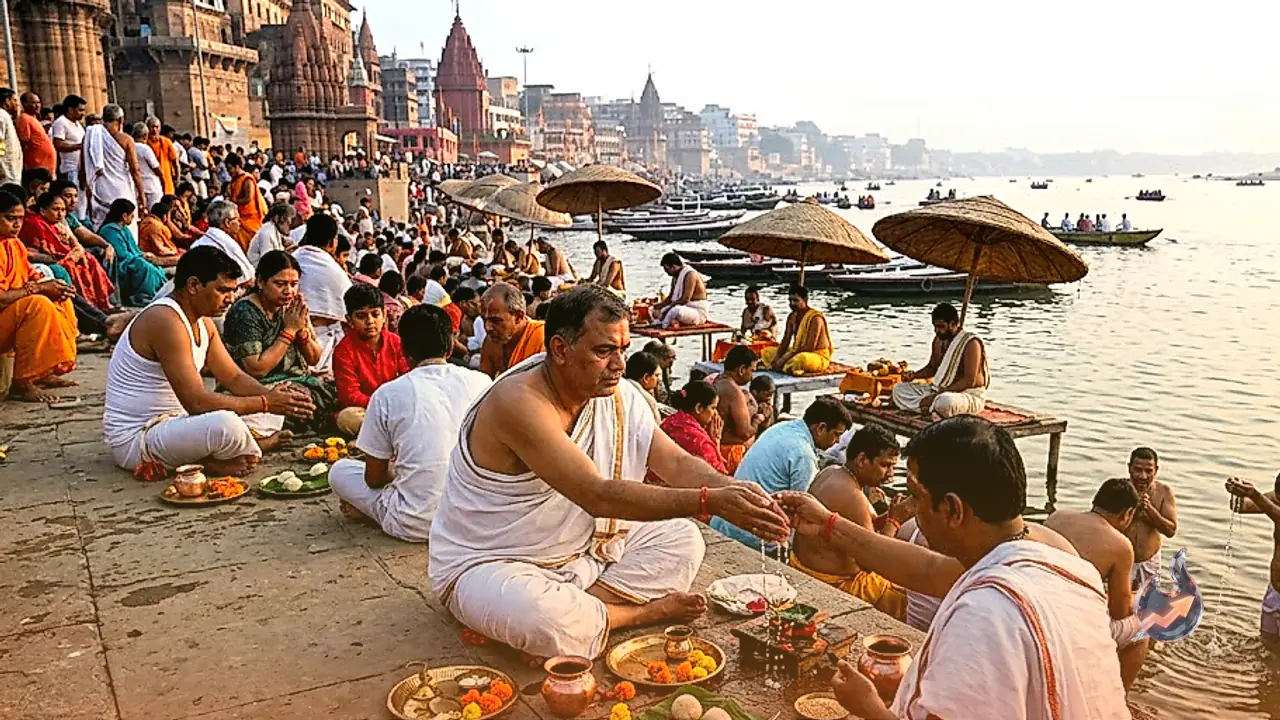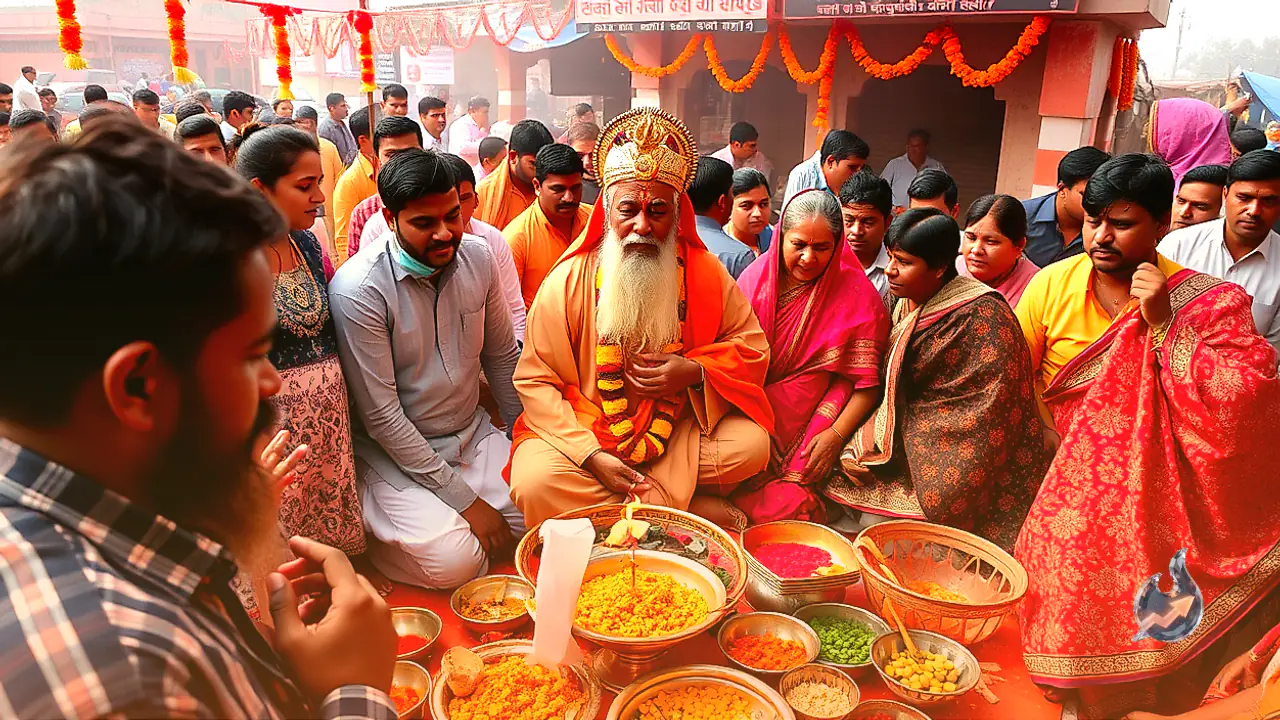
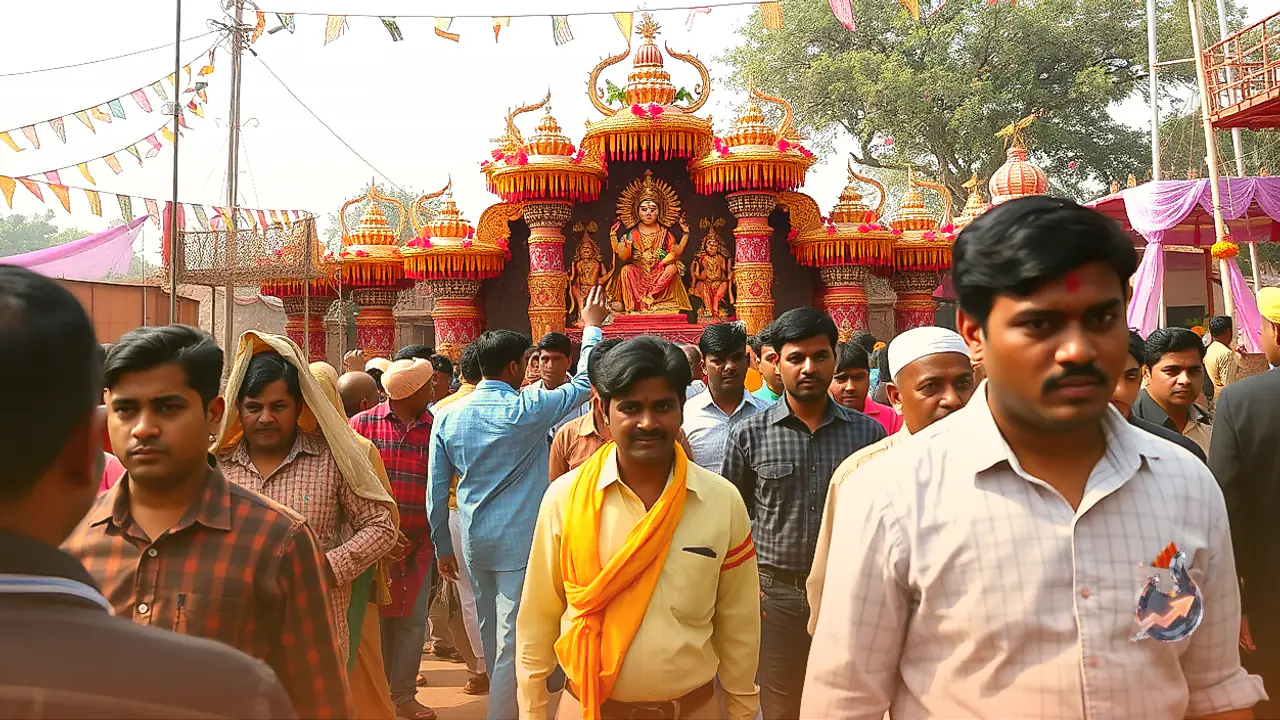
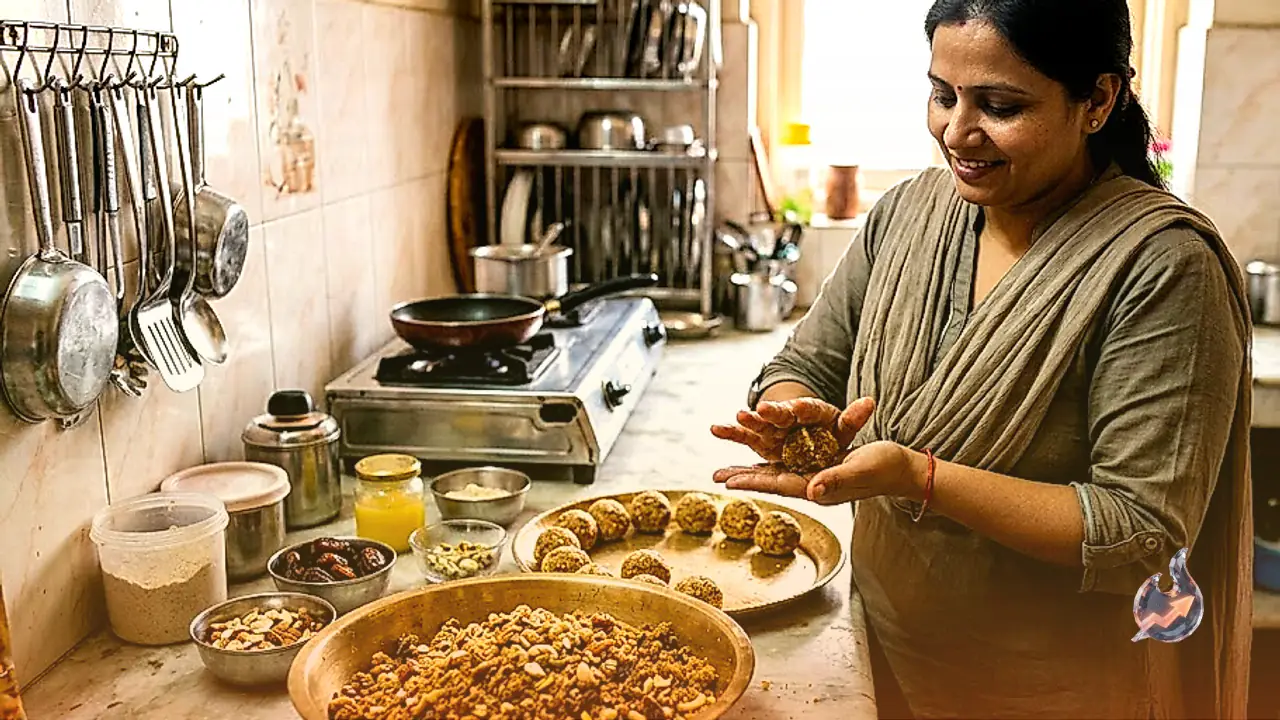
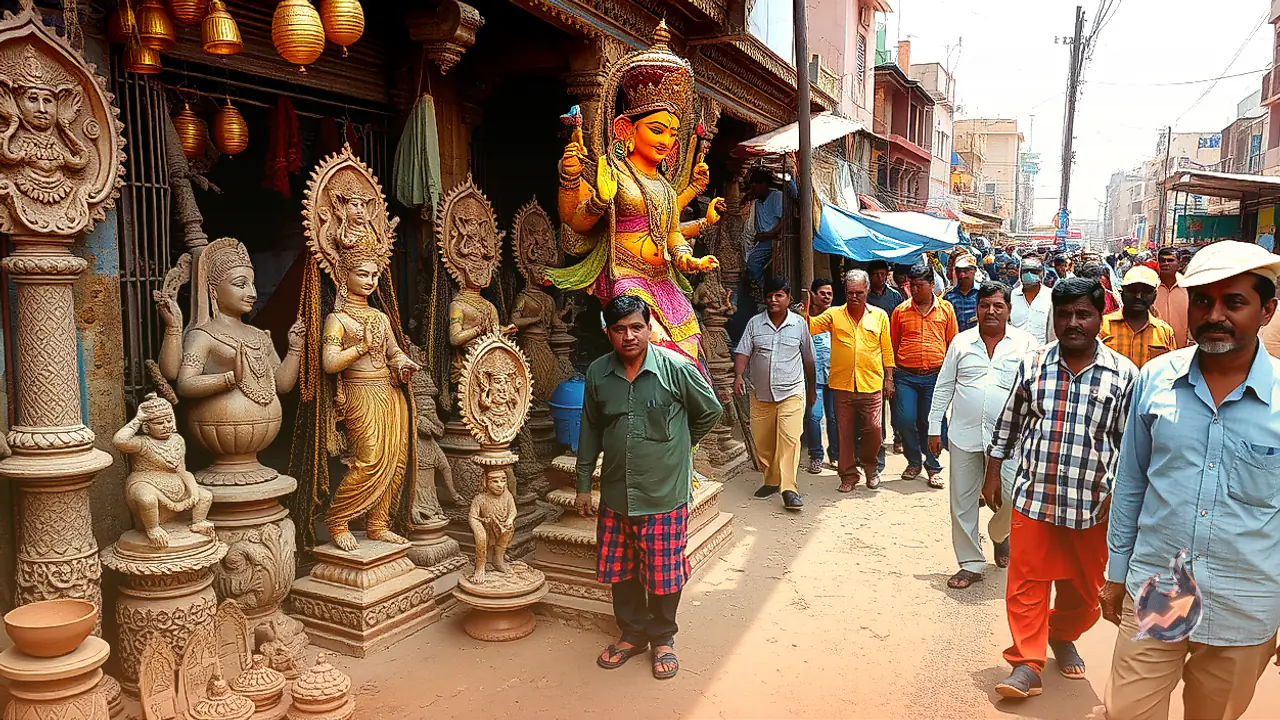


















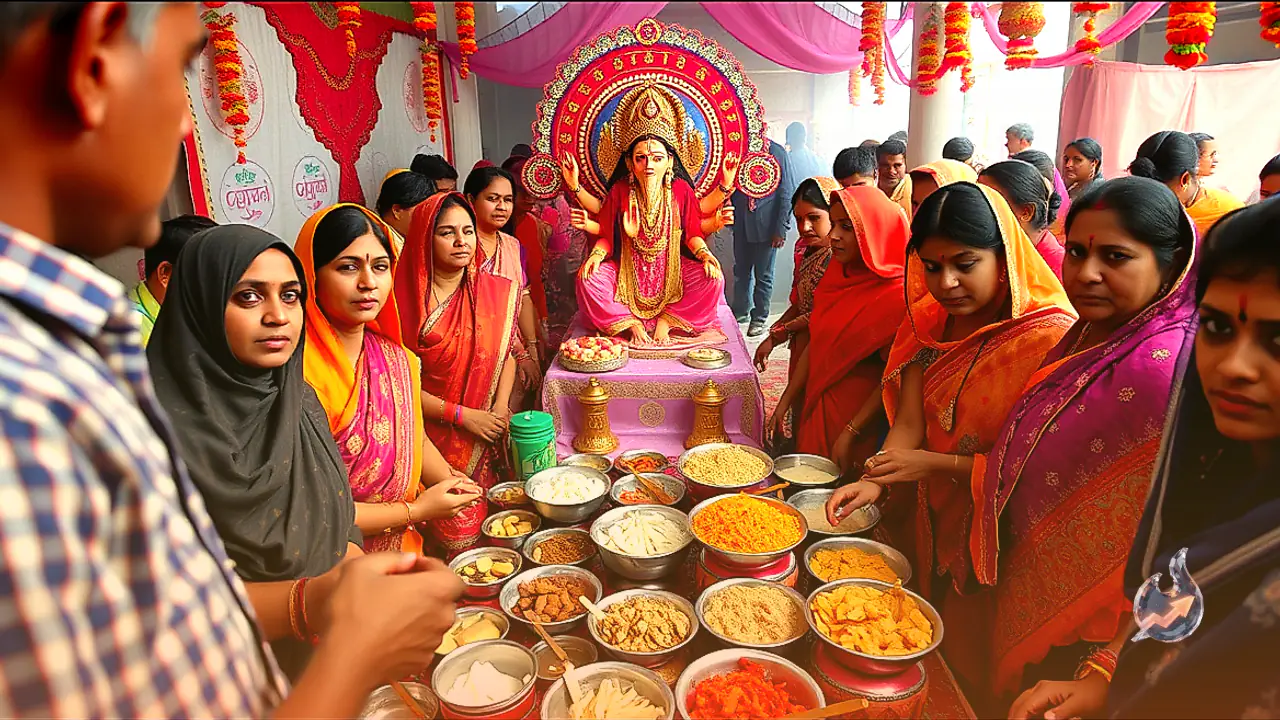

Navratri holds immense spiritual significance in Hinduism as one of the most auspicious periods dedicated to the worship of Goddess Durga. The upcoming Shardiya Navratri is set to begin on October 11, 2026. Across these nine sacred days, devotees observe fasts and perform elaborate rituals to honor the nine distinct manifestations of the divine Mother. According to traditional customs, offering specific food items (bhog) tailored to each form of Goddess Durga on their respective days brings divine blessings, harmony, and prosperity to the household.
Days 1 to 3: Sacred Offerings for Goddess Shailputri, Brahmacharini, and Chandraghanta
The first day of Navratri is dedicated to Goddess Shailputri, the first avatar of Goddess Durga. On this inaugural day, devotees offer milk and white sweets made from pure clarified butter (ghee). The second day marks the veneration of Goddess Brahmacharini. Offering sugar or jaggery on this day is believed to please the deity, ensuring lasting prosperity, happiness, and peace in the family home.
On the third day, rituals are performed to worship Goddess Chandraghanta. Devotees offer milk-based delicacies or items prepared from dry fruits to seek her divine grace and protection.
Days 4 to 6: Ritual Offerings for Goddess Kushmanda, Skandamata, and Katyayani
The fourth day centers on the worship of Goddess Kushmanda, who is traditionally offered malpua as a sacred prasad. The fifth day is reserved for Goddess Skandamata, who is pleased by the offering of fresh bananas. Devotees present bananas to the deity on this fifth day of fasting.
The sixth day, known as Shashthi, holds special cultural and spiritual importance. Within the Bengali community, this day coincides with Bilva Nimantran, a ritual involving the worship of the Bael tree to invite and welcome Goddess Durga. On Shashthi, Goddess Katyayani is worshipped, and the custom dictates offering natural honey or sweet betel leaf (meetha paan) to her.
Days 7 to 9: Bhog List for Goddess Kalaratri, Mahagauri, and Siddhidatri
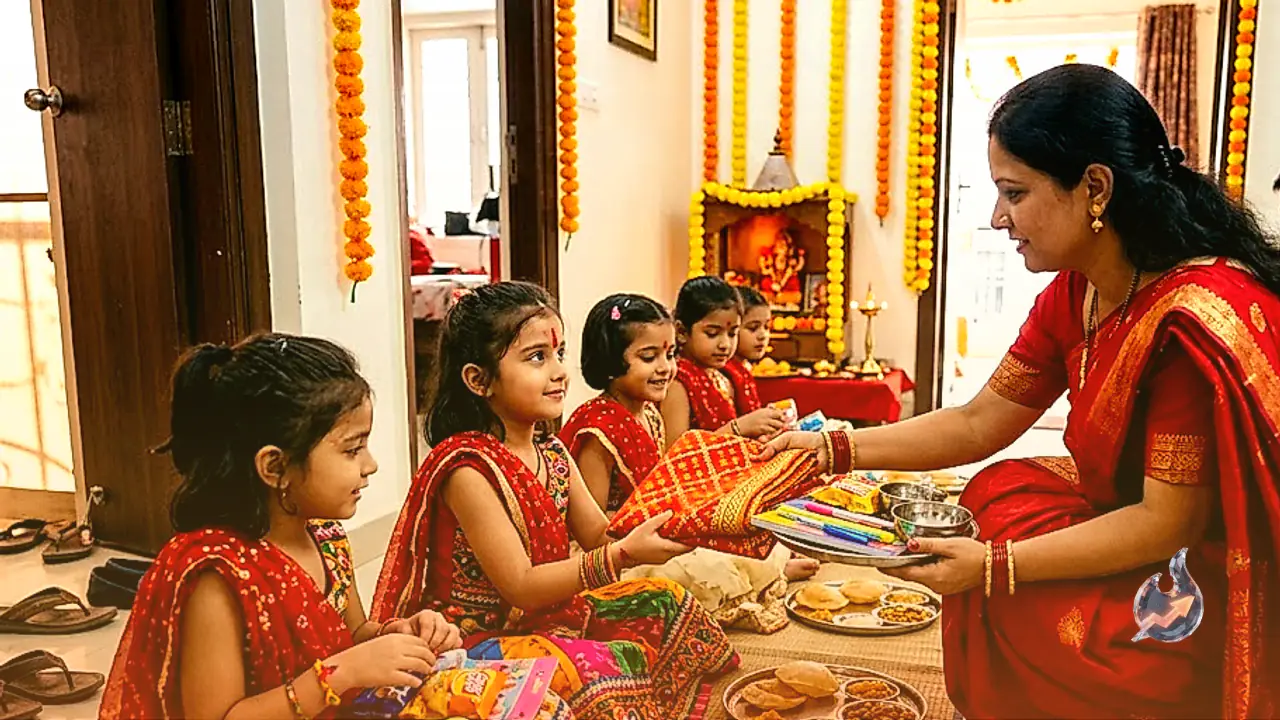
The seventh day is dedicated to Goddess Kalaratri, the fierce form of the Mother Goddess. Offering jaggery on Saptami is considered highly auspicious and spiritually beneficial. The eighth day, or Mahashtami, is dedicated to Goddess Mahagauri. This day is marked by the tradition of Kanya Pujan (worshipping young girls). Goddess Mahagauri is offered a feast comprising halwa, kheer, puri, and coconut.
The ninth and final day, known as Mahanavami, belongs to Goddess Siddhidatri. On Navami, devotees prepare black chickpeas (chana) and halwa as the primary bhog for Goddess Siddhidatri, which is also distributed to young girls during the concluding Kanya Pujan rituals.