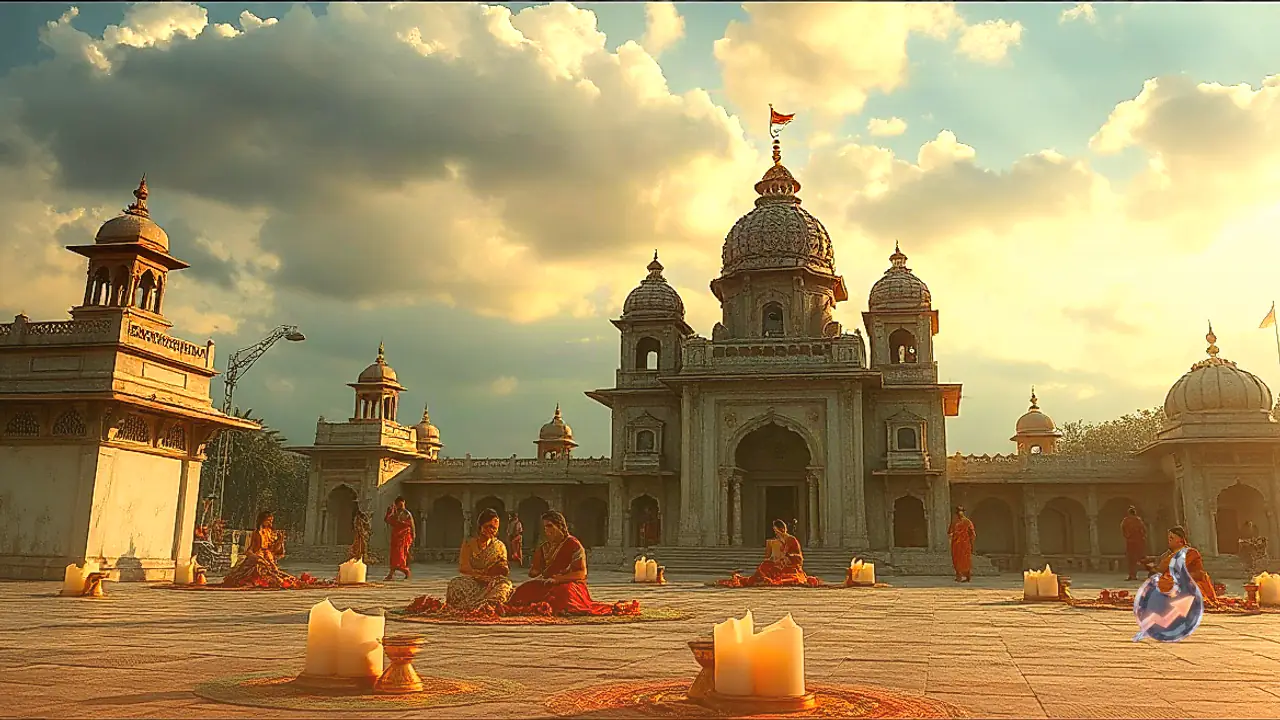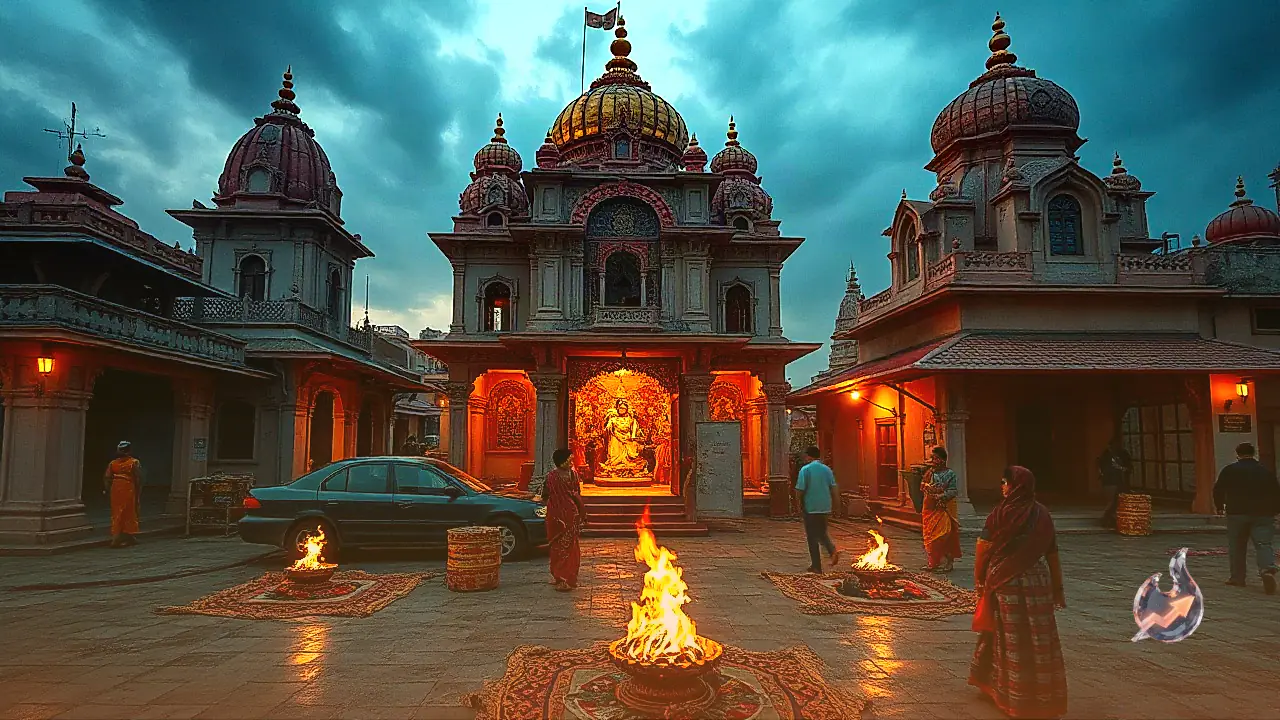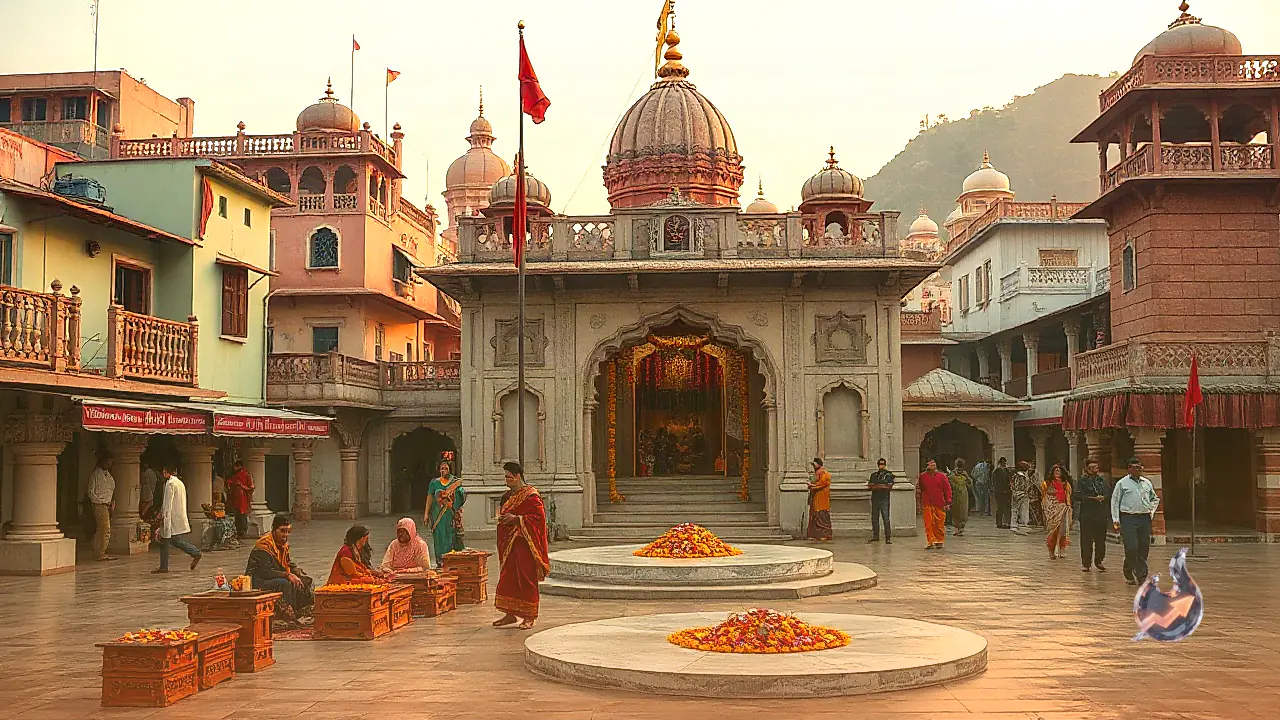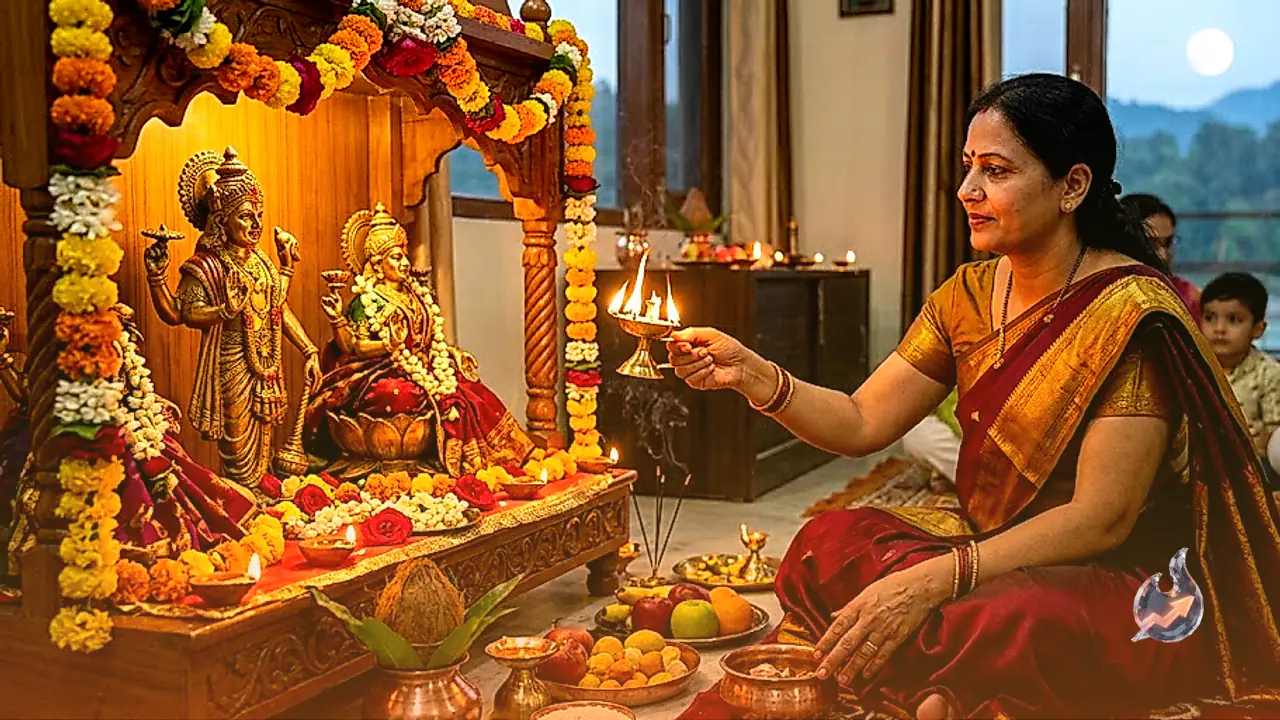






















On the third Monday of the holy Sawan month, falling on August 17, 2026, the auspicious festival of Nag Panchami is being celebrated with immense devotion across the country. Falling annually on the Panchami tithi of the Shukla Paksha in the month of Sawan, Hindu traditions dedicate this day to the worship of Nag Devta, the serpent deity. Devotees perform sacred rituals by offering incense, flowers, milk, and prayers to seek family prosperity, peace, and protection from the fear of snakebites. While the festival broadly symbolizes reverence for nature and wildlife, certain regions in northern and central India observe a fascinating and surprising ritual on this day. In several towns and villages, people participate in a unique custom of beating cloth dolls with wooden sticks, a tradition deeply embedded in local folklore.
The Tradition of Making and Beating Cloth Dolls in Bundelkhand
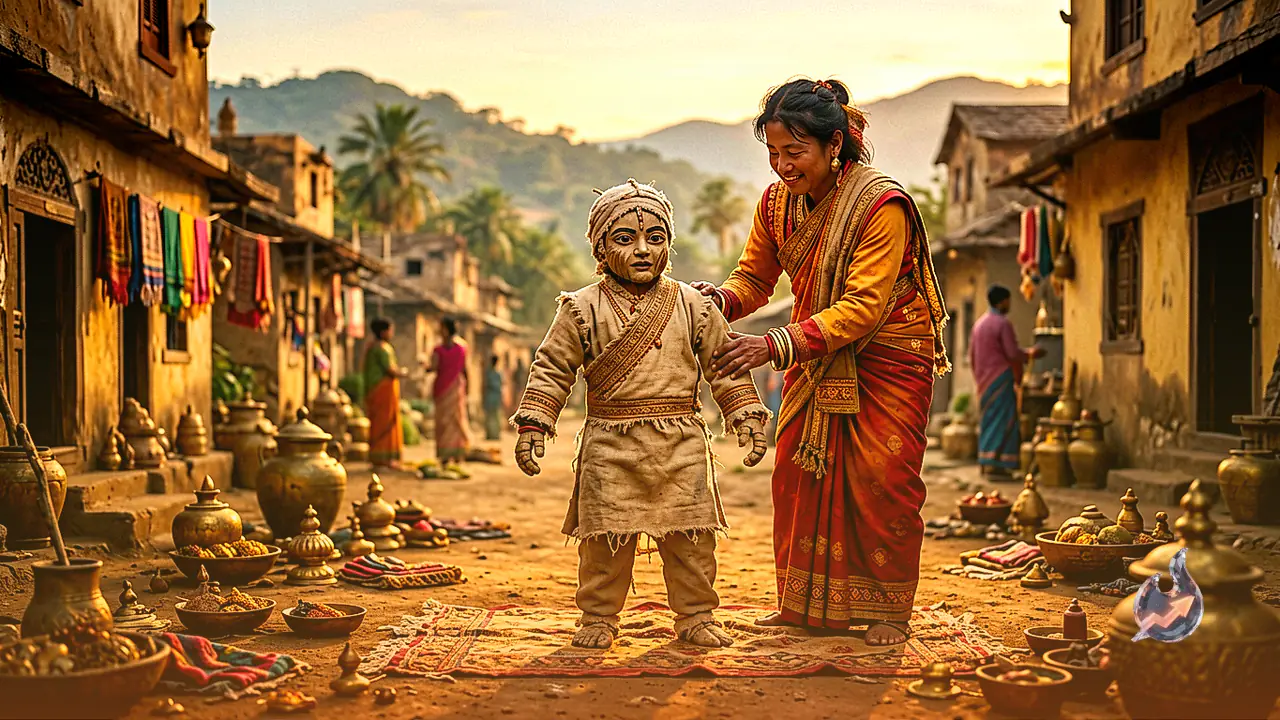
In various rural pockets of Uttar Pradesh, particularly throughout the Bundelkhand region, the custom of beating cloth dolls on Nag Panchami has been handed down through generations. This ritual does not involve any living figure or harm to any creature. Instead, symbolic dolls are crafted entirely out of cotton and leftover colorful fabrics. On the morning of the festival, women and young girls in households gather together to stitch and fold these rags into human-shaped dolls with great enthusiasm.
As the day progresses into the afternoon or evening, men, young boys, and children gather in open village squares or fields carrying wooden sticks and rods. The cloth dolls are placed on the ground, and the boys rhythmically beat them with their sticks. While this spectacle might appear unusual to outsiders, for the local community, it represents a cherished cultural ritual that blends faith, moral instruction, and ancient storytelling.
Brotherly Devotion and the Serpent: Origins of the Ancient Legend
Behind this peculiar folk custom lies a poignant legend centered on intense sibling love, misunderstanding, and justice. According to ancient tales, there once lived a young man who was a devout worshipper of Lord Shiva. Every morning and evening, he visited the local temple without fail, offered prayers with complete devotion, and spent his time helping those in need. He also shared a deep bond of affection with his sister and cared for her deeply.
Near the Shiva temple he frequented, there lived a serpent that observed the young man's daily prayers. Impressed by the boy's pure devotion and gentle nature, the snake developed an affectionate bond with him. Whenever the young devotee sat down in prayer, the serpent would quietly crawl near him and gently wrap itself around his feet. The boy, recognizing the creature's peaceful intent, never felt fear and regarded the serpent's presence as a divine blessing.
A Fearful Mistake and the Village Council's Dilemma
One day, the young devotee brought his sister along to the temple to offer prayers together. After completing their worship, as the siblings prepared to leave the temple premises, the snake emerged and wrapped itself around the young man's leg, just as it regularly did. While the brother was accustomed to this affectionate gesture, his sister was completely oblivious to the bond and saw a venomous snake coiled around her brother.
Overcome with panic and fearing for her brother's life, the sister instinctively grabbed a heavy wooden stick lying nearby and struck the serpent repeatedly. Before the brother could intervene, explain the situation, or calm her down, the snake succumbed to the blows and died on the spot. When news of the tragic incident reached the village elders, a wave of sorrow swept through the community. Fearing divine displeasure for killing an innocent creature, the villagers convened to determine how atonement could be made for the act.
Symbolic Justice and the Spiritual Meaning of the Ritual
The village elders recognized that the girl had not acted out of malice or cruelty, but rather out of panic and a protective instinct to save her brother. Punishing a young child for a well-intentioned mistake was deemed unjust. To resolve the moral dilemma and restore harmony, the wise elders devised a symbolic form of justice. They fashioned a doll out of leftover cloth to represent the offender and instructed the villagers to beat it with sticks, thereby symbolically administering punishment and granting justice to the slain serpent.
Ever since that day, the ritual of beating cloth dolls on Nag Panchami has been preserved as a living custom. From a cultural and spiritual perspective, this practice signifies the symbolic destruction of ego, evil thoughts, past misdeeds, and inadvertent mistakes. For local families, participating in the ritual serves as a way to seek forgiveness, appease Nag Devta, and pray for the continued safety and wellbeing of their households.