
















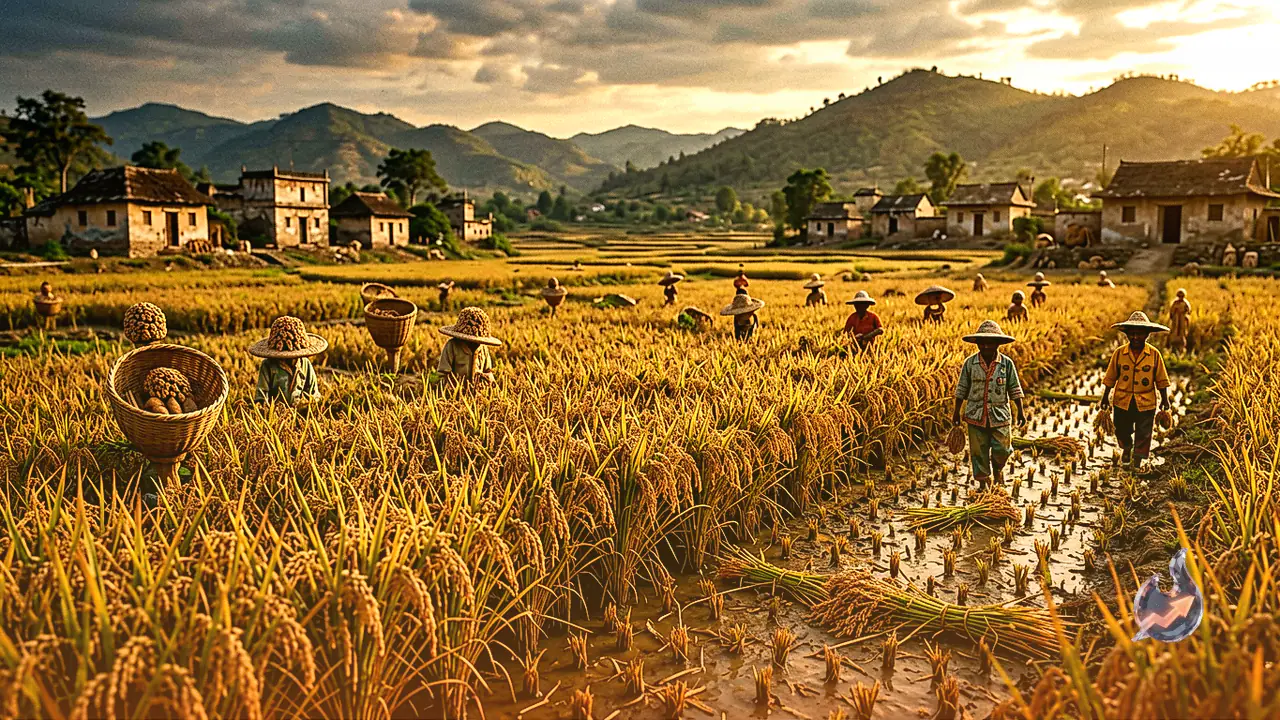

While people are familiar with standard white and black rice varieties, the Awadh region is home to a unique brown grain that grows entirely on its own without requiring any manual sowing or transplantation. Known locally in Sultanpur and surrounding areas as Pasai or Pasadhi rice, this grain is famous for sprouting naturally on vacant patches of land. Beyond its unusual natural growth cycle, it holds immense religious and cultural importance during the worship of Chhath Mata, which takes place on the sixth lunar day of the Hindu month of Bhadrapada.
Traditions of Chhath Puja and Childbirth Beliefs
According to local resident Pushpa Devi, women observe strict dietary traditions during the Chhath Mata rituals by consuming Pasadhi rice. On this particular day, consuming any other variety of rice is traditionally forbidden. Local lore also suggests that women blessed with the birth of a son specifically prepare and consume this rice as part of thanksgiving or ritual compliance. This distinct dietary custom has been passed down across generations in the region, maintaining its cultural footing through decades.
Natural Growth Versus Conventional Farming
The most remarkable characteristic of Pasai rice is its completely natural propagation method, setting it apart from regular paddy cultivation. Local inhabitants point out that farmers do not need to till the soil, sow seeds, or transplant seedlings for this crop. It simply appears on fallow lands and uncultivated patches. However, local agricultural experiences regarding its natural emergence can sometimes differ from conventional scientific agronomy, though the traditional understanding remains deeply rooted among villagers in the area.
Traditional Preparation and Accompaniments
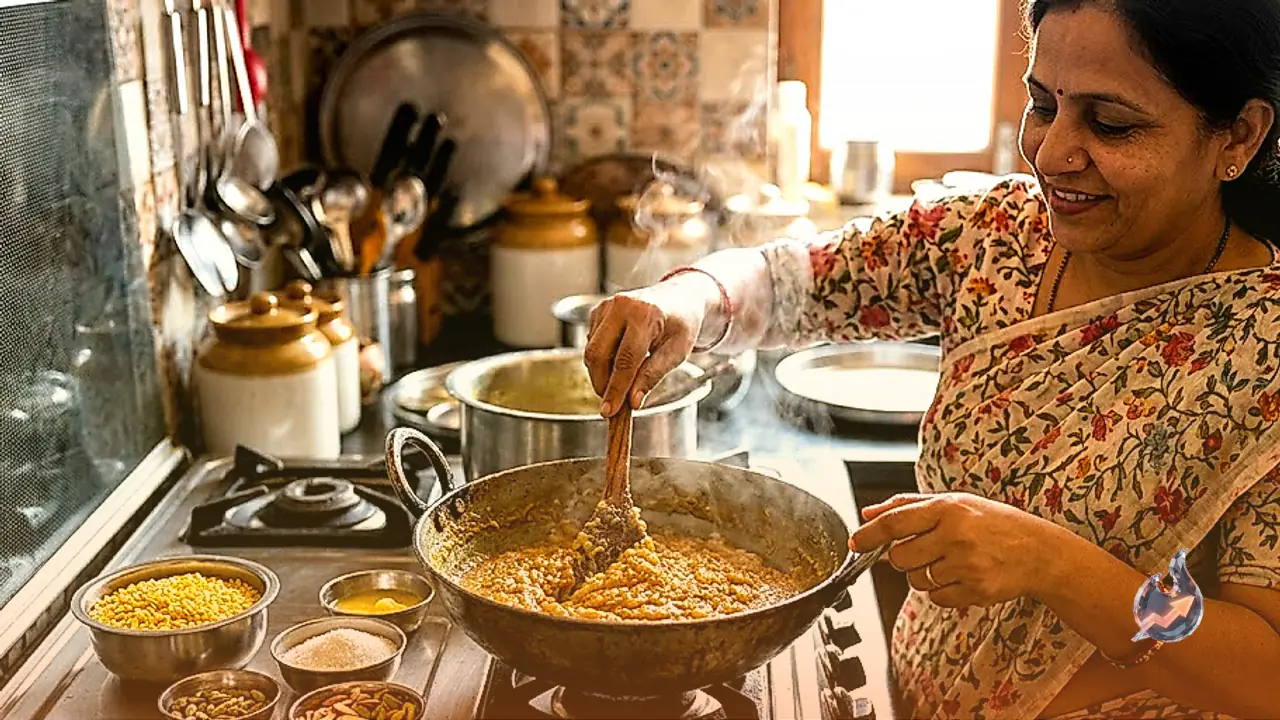
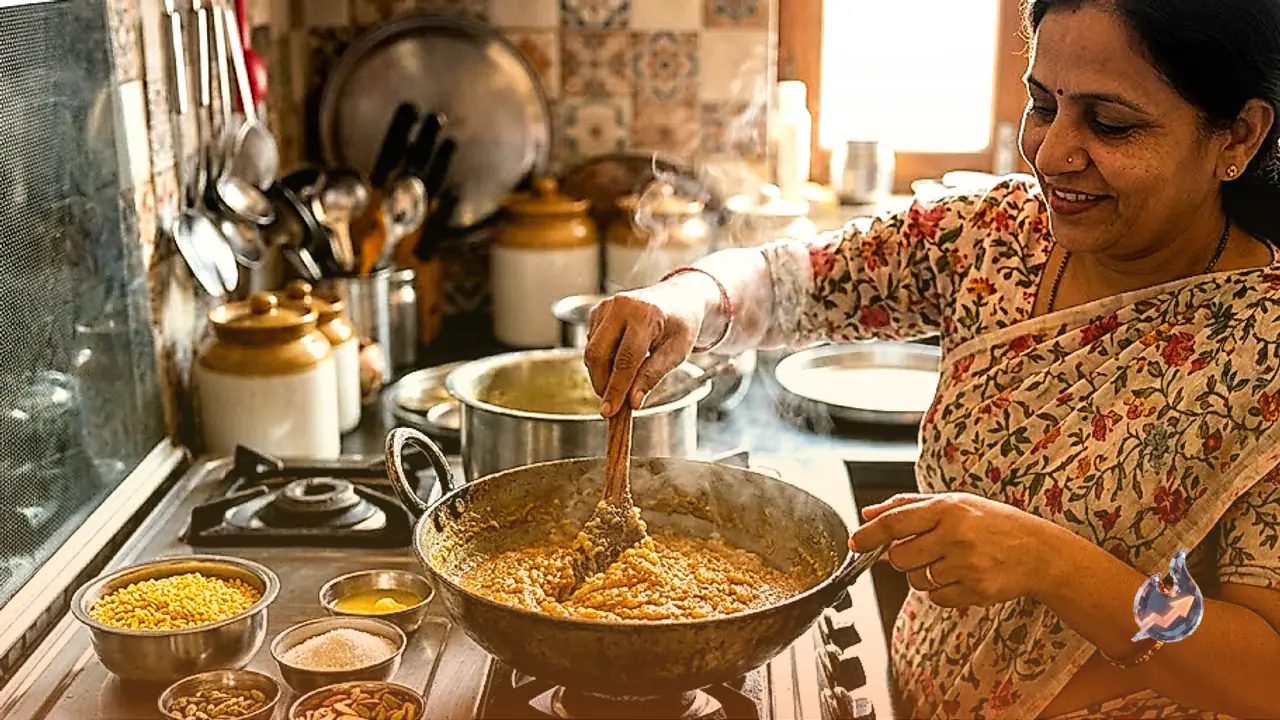
The observance of Chhath Mata worship in the Awadh region during the sixth day of Bhadrapada is closely intertwined with the consumption of Pasadhi rice. Women who keep the fast partake in meals prepared strictly from this grain. Pushpa Devi explains that there are specific traditional methods for cooking and eating it. According to local customs, rather than using cow ghee, it is traditionally cooked with buffalo ghee. Additionally, it is traditionally served alongside Mahua and Karamwa greens to complete the ritualistic meal.
Ayurvedic Insights and Nutritional Views
Dr. Santosh Kumar Srivastava, an Ayurvedic physician working at the Sultanpur Medical College, notes that Pasai rice is locally recognized for various nutritional benefits. He states that fiber-rich and balanced diets are generally helpful for individuals trying to manage their body weight. However, he cautions that no single food item can be considered a guaranteed solution for weight loss. Proper weight management depends on an overall balanced diet, regular physical exercise, and an individual's specific health condition.
Mineral Content and Cultural Heritage
According to Dr. Santosh Kumar Srivastava, Pasai rice contains essential mineral nutrients like magnesium, which plays a role in supporting normal bodily functions including bone and muscle health. He emphasizes, however, that relying solely on one food item is insufficient for maintaining strong bones, which instead require calcium, vitamin D, protein, and routine physical activity. The true uniqueness of Pasadhi rice lies not just in its appearance or flavor, but in its deep-rooted connection to the folk culture and culinary heritage of the Awadh region.