
Enjoying a crunchy biscuit alongside a hot cup of tea is a cherished daily ritual in numerous households. While store-bought packaged options are convenient, making biscuits from scratch at home is surprisingly simple and requires only a handful of staple pantry ingredients. Preparing them at home gives you complete control over your ingredients, allowing you to reduce or increase the quantity of sugar and salt to match personal preferences. Furthermore, individuals seeking a more wholesome alternative can readily substitute refined flour with regular whole wheat flour. Following basic baking fundamentals ensures a perfectly crisp and golden result every time.
Essential Ingredients and Prep Work
The core components for this classic recipe include all-purpose flour, butter, powdered sugar, baking powder, a pinch of salt, a little milk, and optionally half a teaspoon of cardamom powder for flavor. The ground cardamom lends an aromatic traditional touch, though it remains completely optional depending on your taste. Ingredient temperature plays a vital role in successful baking. The butter must be kept at a soft, room-temperature consistency rather than being melted into a liquid state. Soft butter blends seamlessly with dry ingredients without compromising the final texture.
Creaming the Butter and Sugar
The preparation kicks off by combining the softened butter and powdered sugar in a mixing bowl. Whisk the mixture vigorously until it transforms into a pale, light, and velvety blend. This creaming phase incorporates air into the batter, which gives the biscuits their delicate crumb and crisp finish. If melted butter is used, it loses its ability to trap air, resulting in dense and overly hard baked goods rather than light cookies.
Sifting Dry Goods and Bringing the Dough Together
In a separate bowl, sift together the flour, baking powder, salt, and cardamom powder. Sifting aerates the powdery elements and breaks apart any small clumps. Gradually introduce this dry blend into the creamed butter and sugar bowl. To bring the ingredients into a workable, tender dough, add small splashes of milk gradually. It is critical not to pour all the milk in at once, as too much moisture quickly turns the dough unmanageably sticky. Knead only until the dough just comes together, as excessive kneading develops too much gluten and ruins the crispness.
Resting the Dough and Shaping
Once formed, cover the dough and allow it to rest undisturbed for 10 to 15 minutes. Resting relaxes the dough, making it much easier to roll out evenly without snapping back. Place the dough on a lightly prepared surface and gently roll it out using a rolling pin. Keep an even thickness throughout, avoiding rolling it too paper-thin or leaving it overly thick, as uniform thickness guarantees even baking. Use a dedicated cookie cutter or simply a small circular container lid to punch out uniform round biscuits.
Baking Temperature and Timing
Before placing the biscuits inside, preheat the oven to 170 to 180 degrees Celsius. Line a sturdy baking tray with parchment paper and arrange the cut rounds, leaving adequate breathing room between each piece. Slide the tray into the oven and bake for approximately 12 to 18 minutes. The key visual sign of doneness is when the edges turn a delicate, light golden-brown color. Because heating elements vary across different oven models and biscuit thicknesses differ, it is wise to keep a close eye on the oven during the final minutes to avoid accidental scorching.
Cooling Down and Proper Airtight Storage
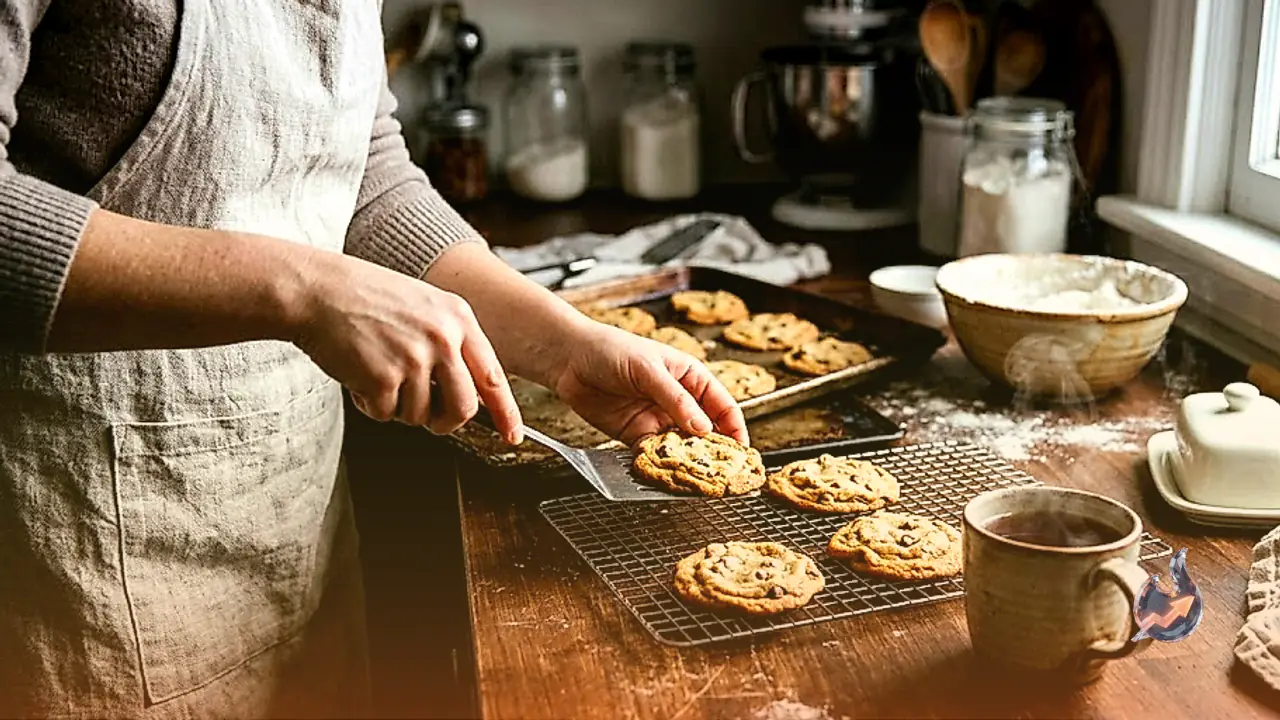
Directly out of the oven, freshly baked biscuits remain soft to the touch. Let them settle on the baking sheet for a few minutes before transferring them onto a cooling wire rack or an open plate to cool completely. Biscuits achieve their signature crisp snap only after reaching room temperature. Storing them while still warm is a common mistake, as trapped condensation creates steam that leaves the biscuits unpleasantly soft and soggy. Once entirely cool, pack them into an airtight, dry container to keep them crunchy for tea sessions ahead.