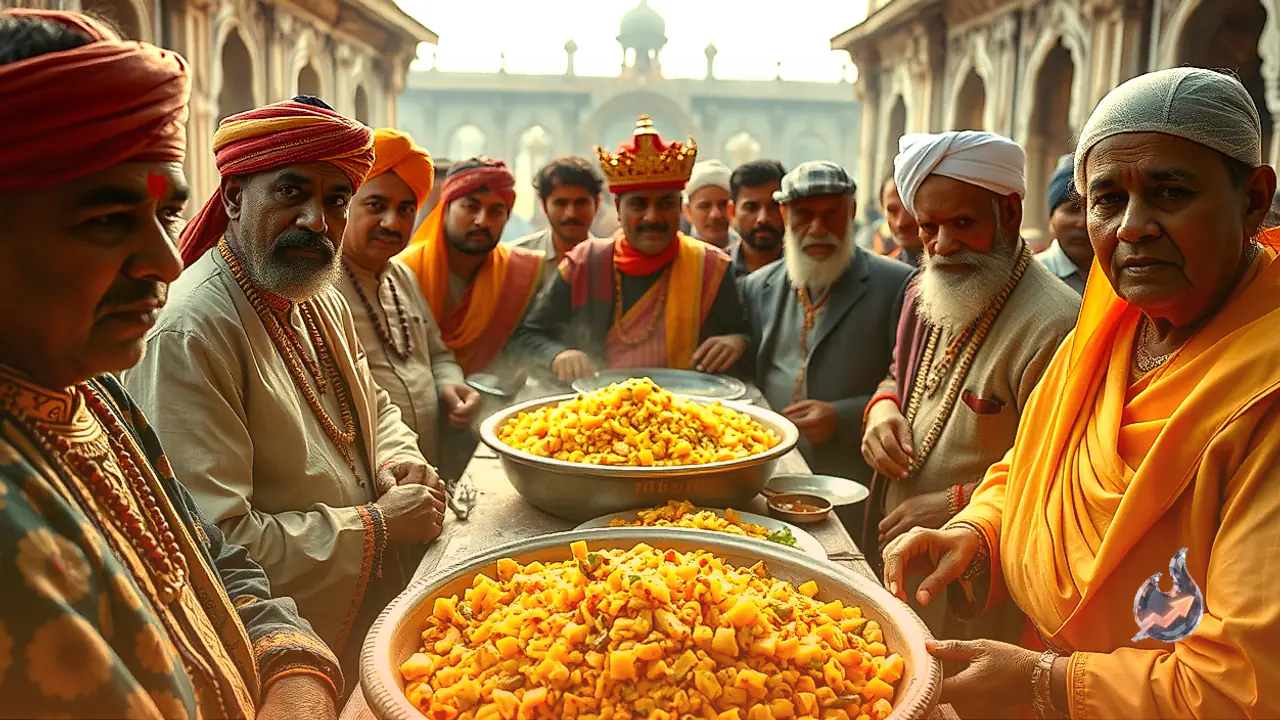

The mere mention of khichdi usually conjures up thoughts of a modest, comforting preparation made from humble lentils and rice, typically served during recovery from illness or as a quick weekday meal. However, the history of Indian gastronomy shows that khichdi was not always an understated affair. During the reign of the Mughal dynasty, imperial kitchens transformed this comfort staple into a grand culinary masterpiece. Historical records link a distinctive preparation known as Shahi Jackfruit Khichdi to Mughal Emperor Jahangir, who reportedly held a deep appreciation for the dish. This forgotten historical delicacy was recently brought to light by Priyadarshini Sharma, who uncovered the elaborate recipe inside a handwritten 1984 cookbook inherited from her grandmother. Combining raw jackfruit, aged basmati rice, yellow moong dal, and regal aromatics, the recipe illustrates the remarkable sophistication of imperial royal courts.
The Imperial Kitchens and a Treasured Family Legacy
In Mughal banquets, vegetarian fare was crafted with the exact same refinement, care, and layering of complex aromatics as celebratory meat preparations. Raw jackfruit was highly prized across royal kitchens for its dense, fibrous structure, which absorbed marinades deeply and provided a hearty texture reminiscent of braised meat. Historical accounts describe Jahangir as having a genuine fondness for this specific jackfruit-infused variation of khichdi. The rediscovery of this formula through Priyadarshini Sharma's family heirloom, penned down four decades ago in 1984, demonstrates how royal recipes were preserved through domestic culinary traditions across generations. The dish stands as an elaborate celebration of whole spices, floral essences, and clarified butter rather than a simple meal.
Essential Ingredients for the Imperial Preparation
Assembling this royal dish requires a curated selection of traditional Indian pantry ingredients. The foundation consists of raw, unripe jackfruit, premium long-grain basmati rice, and washed yellow moong dal. The spice profile is driven by whole spices, including royal caraway seeds (shahi jeera), whole black peppercorns, green cardamom pods, cinnamon sticks, mace blades, cloves, and bay leaves. Powdered seasoning requires ground turmeric, coriander powder, dried mango powder (amchur), and fresh ginger juice, complemented by salt to taste. To deliver its characteristic imperial luxury, the preparation incorporates pure desi ghee, frying oil, premium saffron strands, pure rose water, and thick dairy cream.
Preparing and Seasoning the Raw Jackfruit
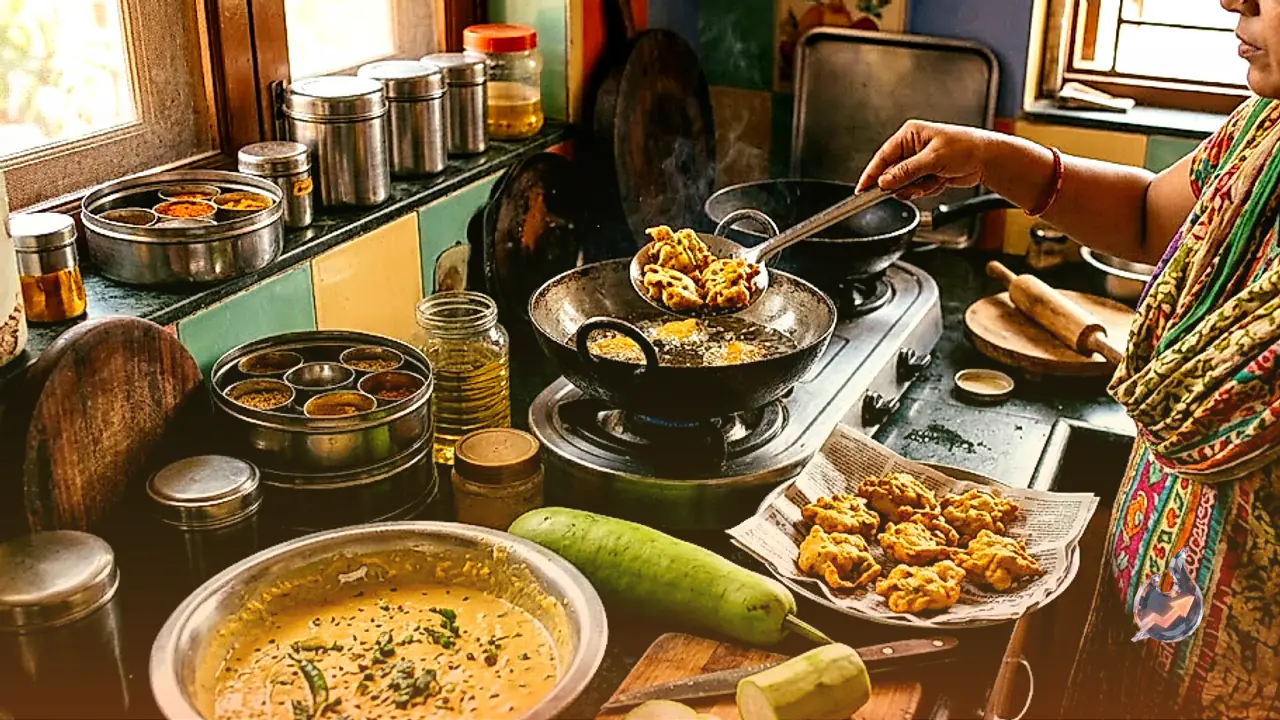
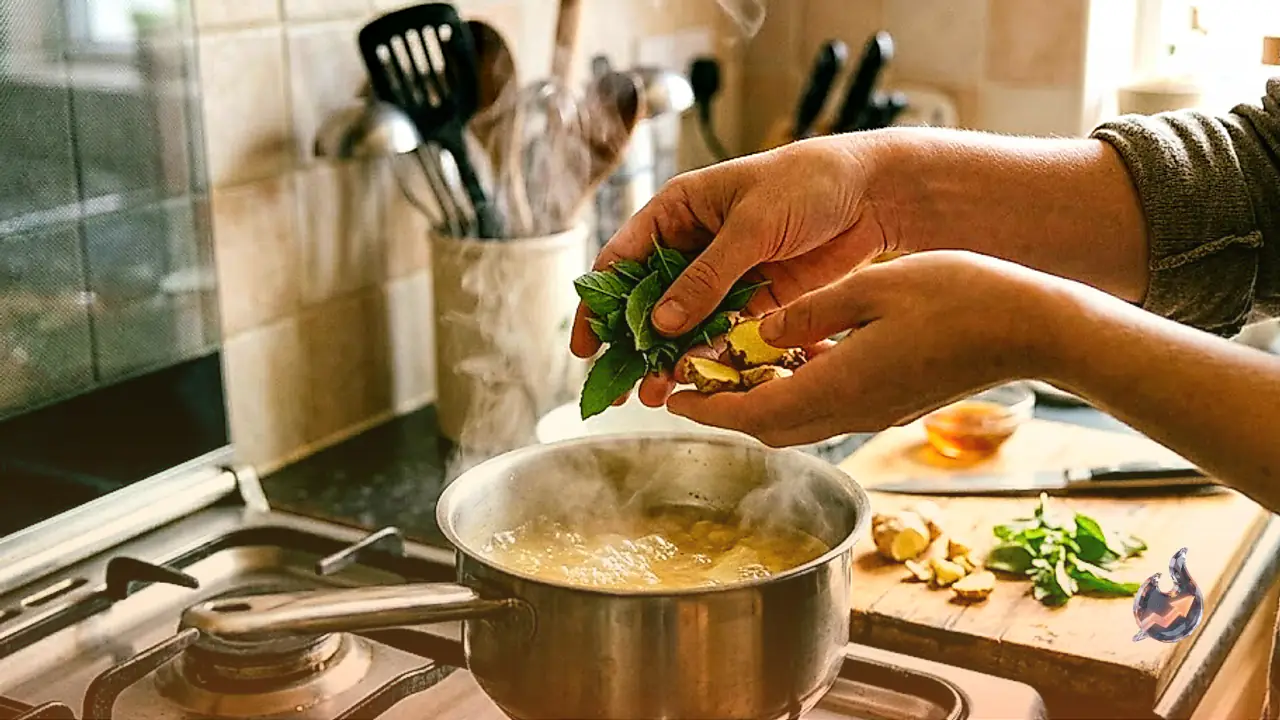
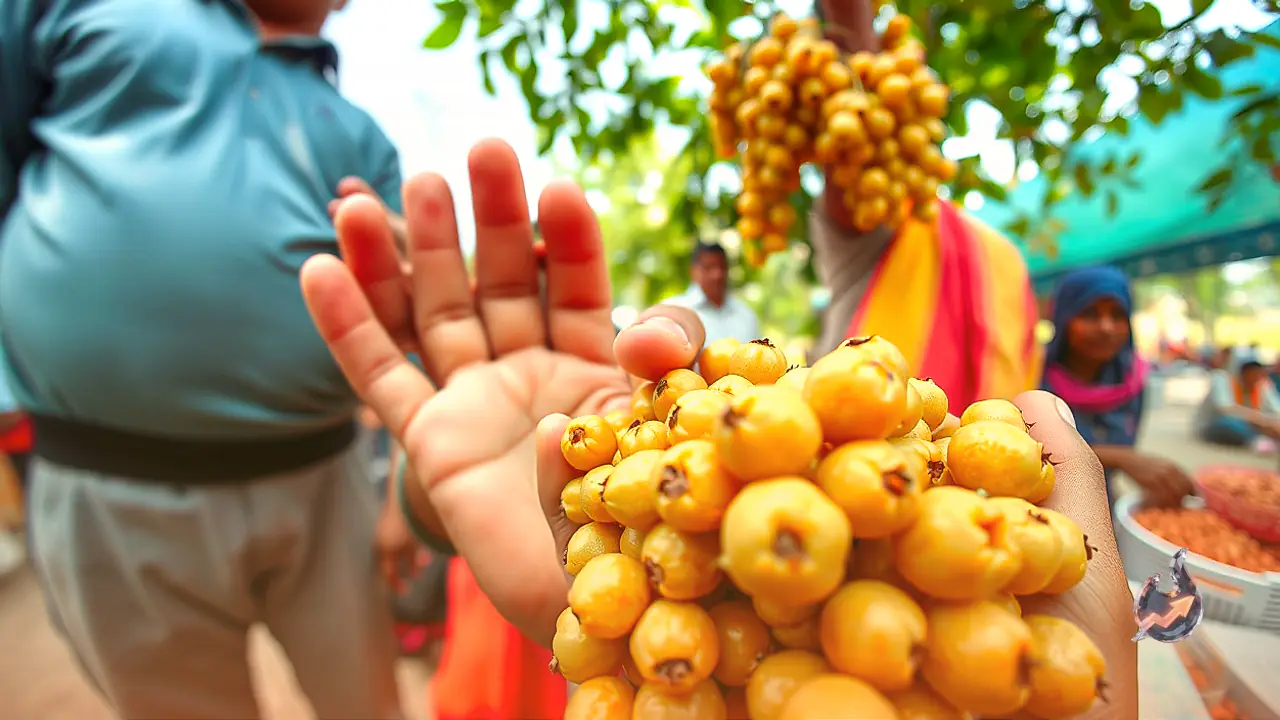
The preparation begins with the careful handling of raw jackfruit. The thorny outer rind is peeled, and the inner flesh is cut into bite-sized chunks. These pieces are then boiled in water until they soften to a tender yet firm consistency. Once tender, the water is drained completely, and the pieces are laid out on a clean cotton cloth to air-dry. Removing surface moisture is a critical technical step; retaining water makes frying ineffective and compromises the final texture. After the jackfruit is thoroughly dry, it is seasoned with salt, turmeric powder, coriander powder, dried mango powder, and fresh ginger juice. The pieces are tossed gently to ensure an even coating and allowed to rest, giving the seasoning enough time to penetrate deep into the fibers.
Tempering Whole Spices and Frying the Jackfruit
In the next stage, a generous amount of oil is heated in a heavy-bottomed pan. The whole aromatics, including shahi jeera, black peppercorns, cardamom, cinnamon, mace, cloves, and bay leaves, are introduced to the hot oil. They are gently bloomed over low heat until they release their aromatic oils, after which they are promptly scooped out and set aside to avoid burning. Into the remaining infused oil, the marinated jackfruit pieces are introduced and shallow-fried over moderate heat. The pieces are turned carefully until they develop a rich, deep reddish-brown crust. Once fried to perfection, they are retrieved from the oil and reserved alongside the spices.
Slow-Cooking the Grains in Clarified Butter
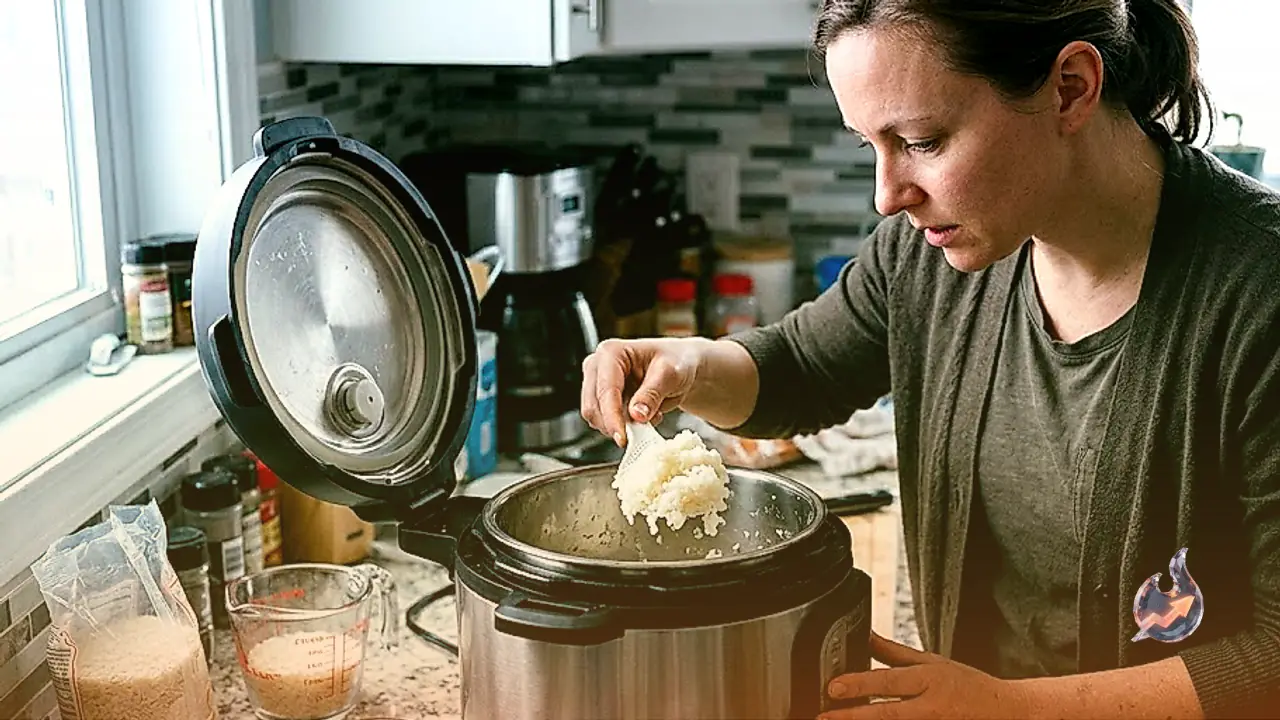
The cooking process then shifts to the grains. Long-grain basmati rice and split moong dal are thoroughly washed and drained. In a wide pot, pure desi ghee is melted, and the washed grains are gently sautéed over low heat until they produce a warm, nutty fragrance. Warm water is poured in, bringing the pot to a steady boil. At this moment, the previously fried jackfruit chunks and the tempered whole spices are folded into the pot. The seasoning is checked and adjusted with salt as needed. The vessel is covered securely with a lid, and the flame is lowered, allowing the rice and lentils to simmer slowly until tender and the liquid is fully absorbed.
The Grand Finish: Saffron, Rose Water, and Fresh Cream
The final touch is what truly elevates this dish into an imperial presentation. Premium saffron threads are steeped in distilled culinary rose water until the liquid acquires a vibrant golden hue. Once the rice and lentils are fully cooked and soft, the saffron-infused rose water is drizzled evenly across the surface, followed by a gentle pour of thick dairy cream. A final ladle of pure desi ghee is spooned on top, and the pot is covered to rest off the heat for several minutes. This brief resting period allows the steam to distribute the delicate floral fragrance and rich dairy texture uniformly through every grain.
How Shahi Jackfruit Khichdi Differs from Everyday Fare
Unlike ordinary homestyle khichdi, which prioritizes simplicity and lightness, this imperial creation presents an interplay of contrasting textures and deep aromas. The crisp, browned jackfruit provides substantial chew and savory depth, while yellow moong dal offers smooth balance and digestibility. The robust heat of whole peppercorns and cinnamon is rounded out by the subtle, aristocratic notes of mace, saffron, and floral rose water. For culinary enthusiasts and home cooks eager to explore India's royal culinary heritage, this historic recipe offers a captivating window into the grand court kitchens of the past.