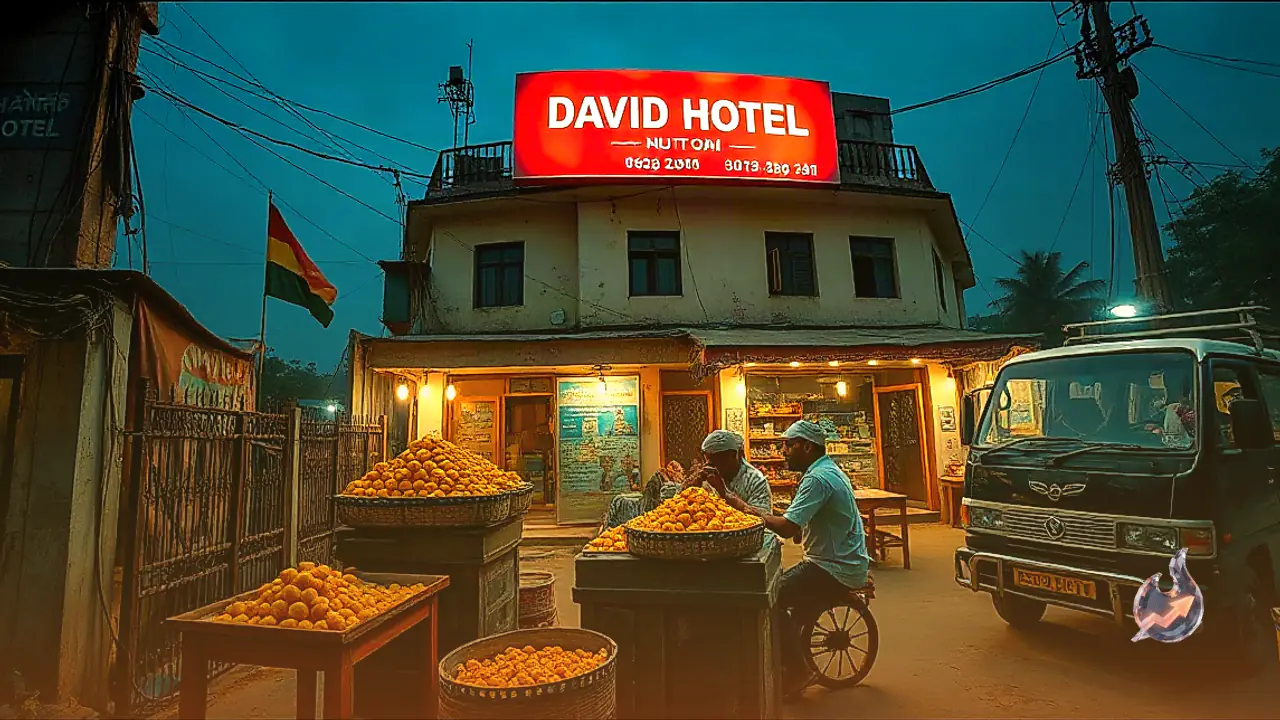




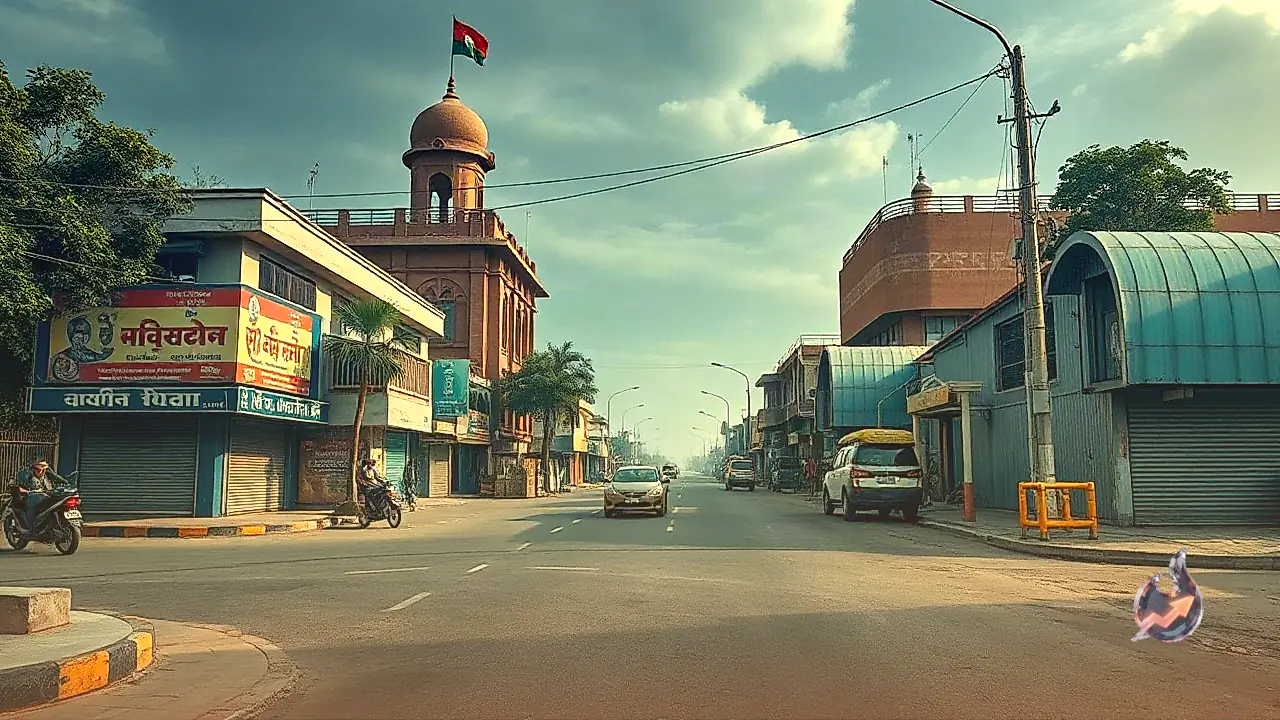

















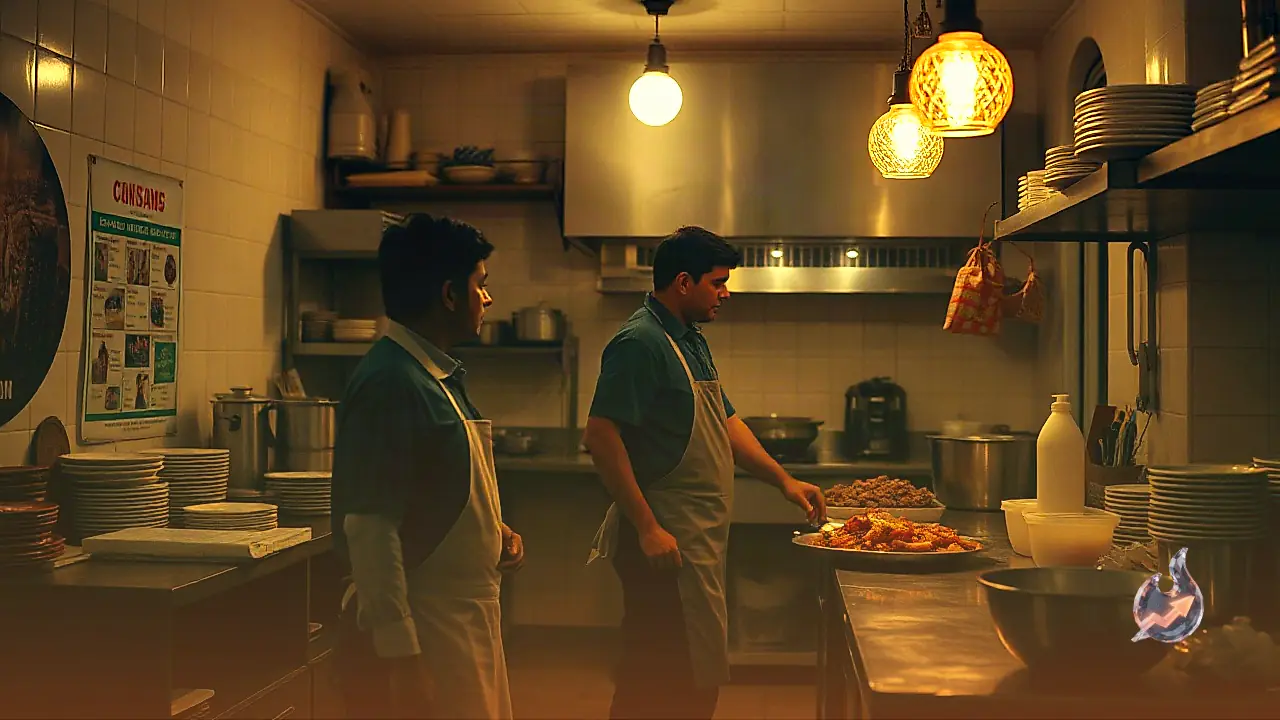

In the bustling Ramnagar area of Mughalsarai in Chandauli district, dining out has become an increasingly popular habit among local residents. However, modern restaurant visitors are no longer focused solely on the taste of the food on their plates; they are equally keen to understand how their meals are prepared behind the scenes. Behind the dining room doors, a disciplined culinary operation works continuously to combine flavor with strict cleanliness, ensuring that every dish reaches the table safely and promptly.
Meticulous Organization and Strict Sanitation Standards
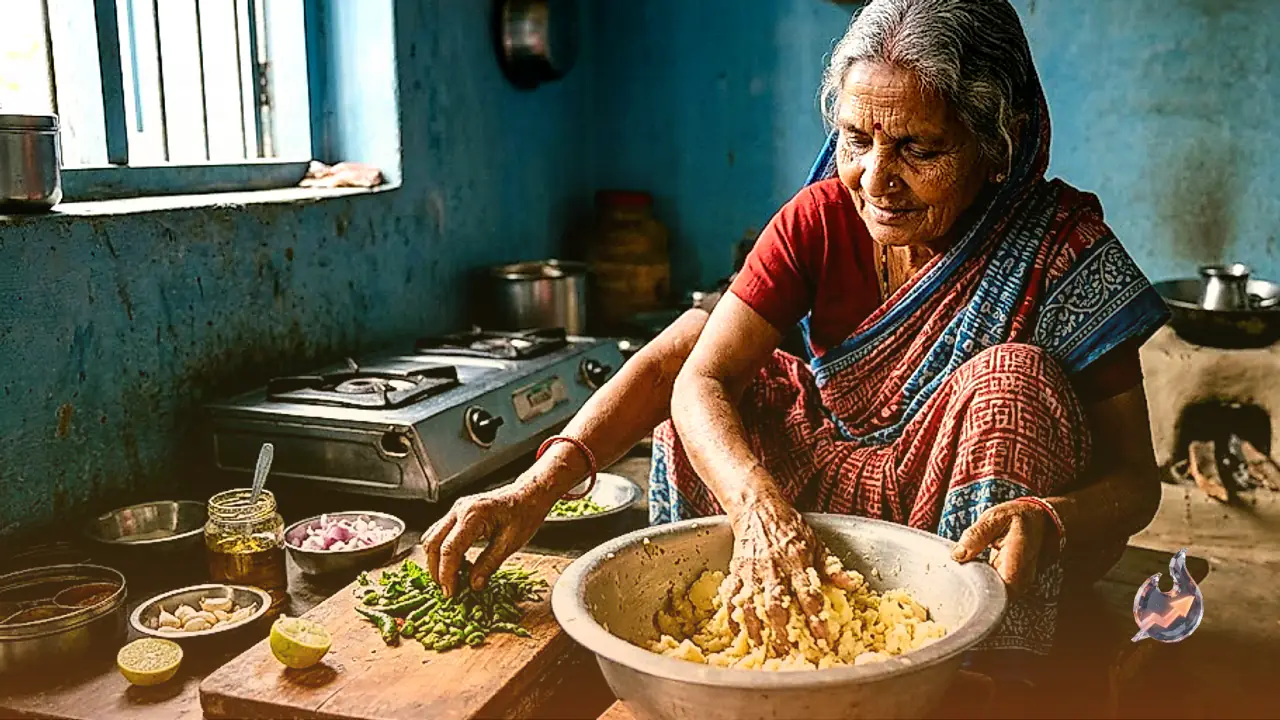
Inside the kitchen, ingredient management reflects a strong commitment to food safety and customer health. Blocks of fresh paneer and neatly chopped vegetables are stored separately in clean, organized containers to prevent cross-contamination. Lemons, raw spices, and condiment jars are assigned designated spots for swift access during peak cooking hours. Chefs enforce hygiene protocols throughout the cooking process, ensuring that raw ingredients and prepared items are handled under sanitary conditions to guarantee a seamless dining experience for guests.
Diner Preferences and Standout Menu Highlights
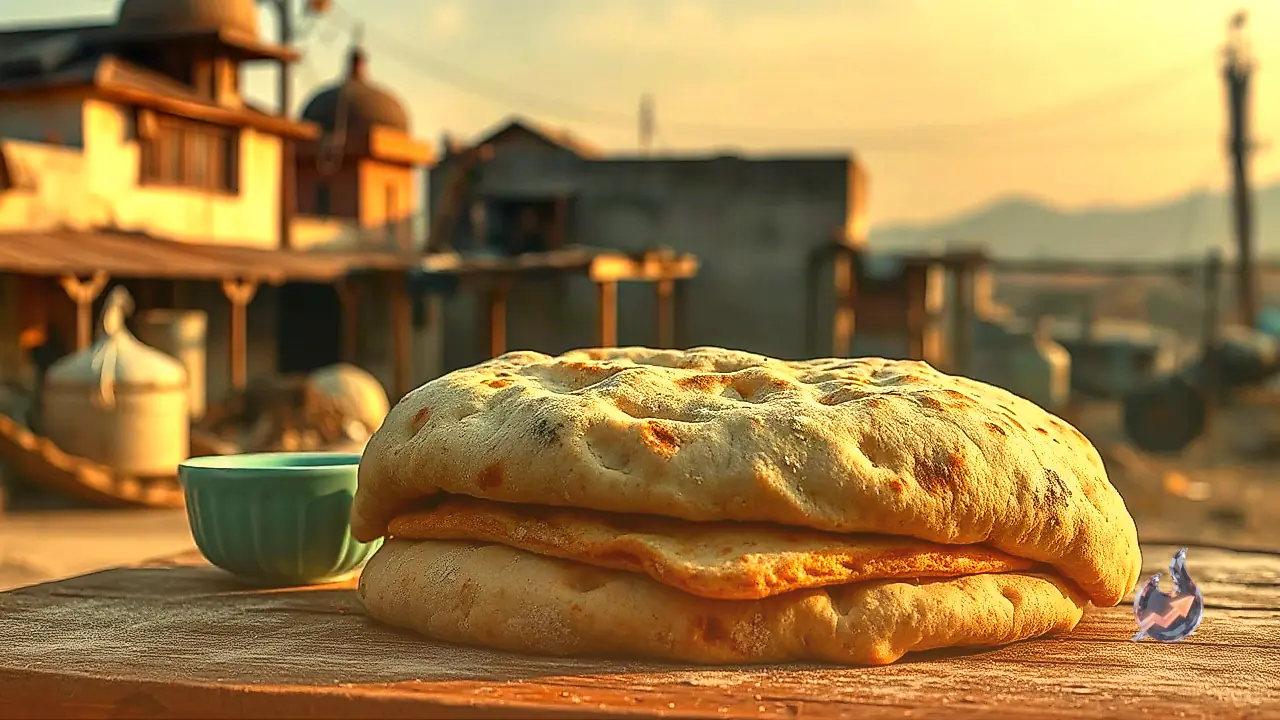
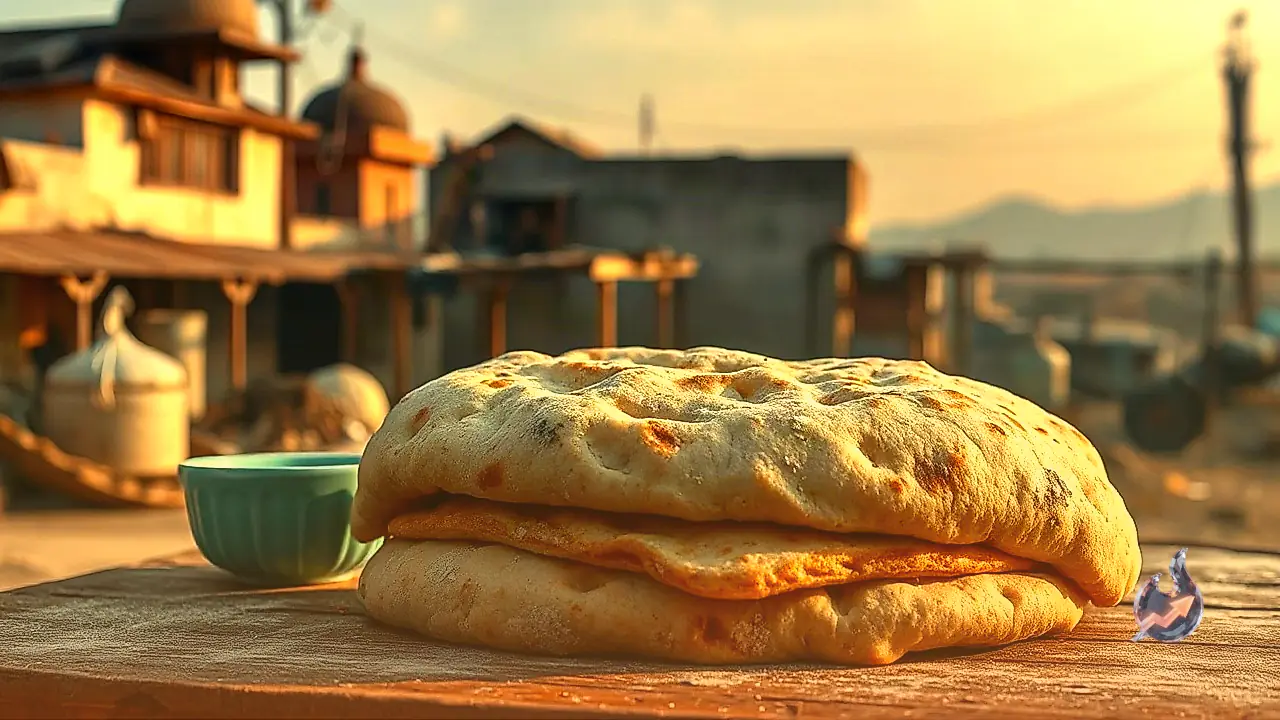
Chef Sanoj Kumar, who has been managing kitchen operations at the establishment for about a year, notes that Indian cuisine remains the top choice among visiting patrons. At the same time, Chinese dishes also command steady popularity, prompting the restaurant to maintain a diverse menu. Special preparations such as veg mutton dishes stand out as customer favorites, with prices for these premium options reaching up to around 300 rupees. For enthusiasts of traditional tandoori flavors, the kitchen also operates an active tandoor producing tandoori roti and associated baked items.
Advance Meal Prep and Streamlined Service Execution
To handle the evening dinner rush efficiently, preparatory work begins well before orders start rolling in. Starchy staples such as rice are boiled ahead of time and held at ready status so line cooks can execute final recipes immediately upon receiving an order. Chef Jitendra Kumar highlights that dishes like soya chaap malai are among the most requested items. All essential spices and marinades for this dish are pre-measured and arranged systematically, allowing the culinary team to fulfill table tickets without unnecessary delays.
Seven-Member Workforce, Task Delegation, and Feedback Resolution
Operating the restaurant kitchen requires a structured team of approximately 7 staff members, each assigned specific duties ranging from prep work to final plating. Because traditional Indian recipes generally demand longer cooking times than fast-paced Chinese preparations, task distribution is adjusted dynamically based on ticket volume. Regarding customer feedback, kitchen leaders state that major complaints about food quality are exceedingly rare. Occasional requests regarding salt levels or spice adjustments are addressed promptly, with cooks customizing the dish to suit the guest's taste. Ultimately, a memorable meal relies not just on recipes, but on clean kitchen practices, early prep, coordinated teamwork, and steady dedication behind the burner.