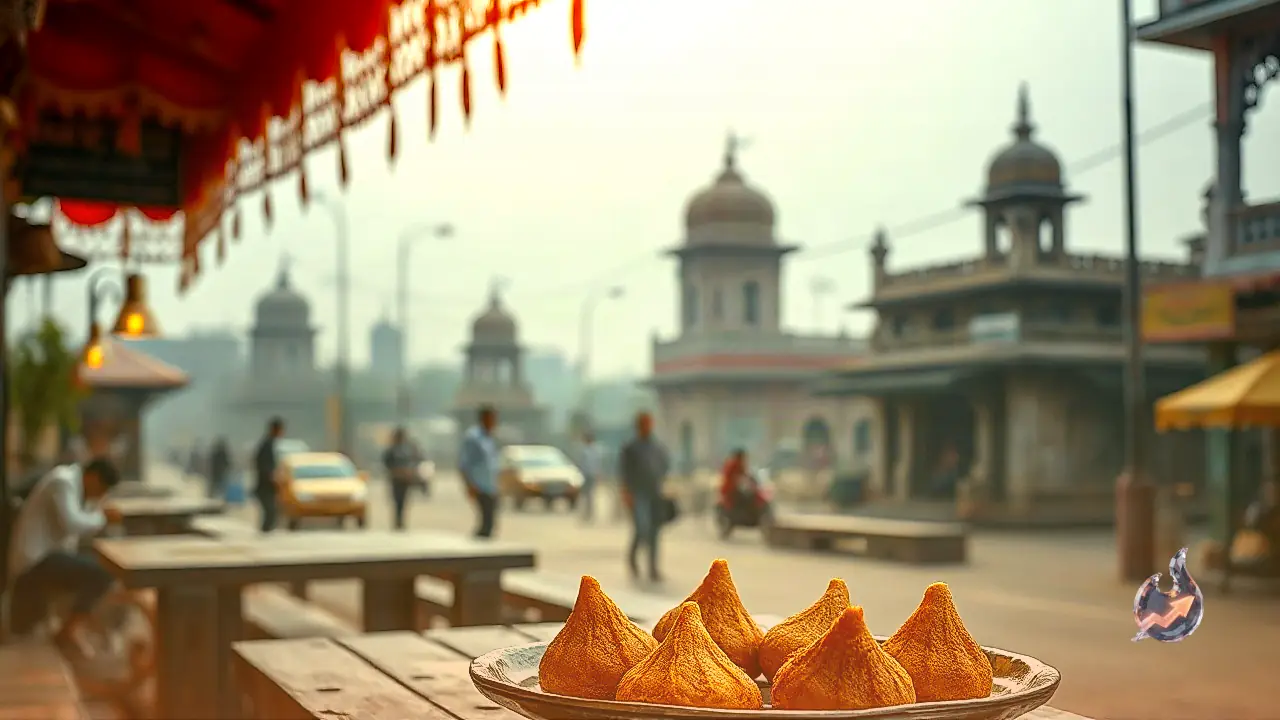







Whether accompanying a rainy afternoon or a steaming cup of evening tea, a platter of hot pakoras is an irresistible Indian household favorite. From potato and onion to cauliflower and green chili, these fritters are beloved comfort foods. However, home cooks frequently face a common disappointment: pakoras that look beautifully golden inside the pan turn soggy, limp, and laden with excess oil shortly after being removed. While many blame the quality of chickpea flour or cooking oil, the actual fault usually lies in subtle mistakes made during the frying process. Food expert Jyoti Dehliwal has highlighted essential culinary techniques that eliminate grease and ensure your pakoras retain a restaurant-style crunch for much longer.
Maintaining Optimal Oil Temperature
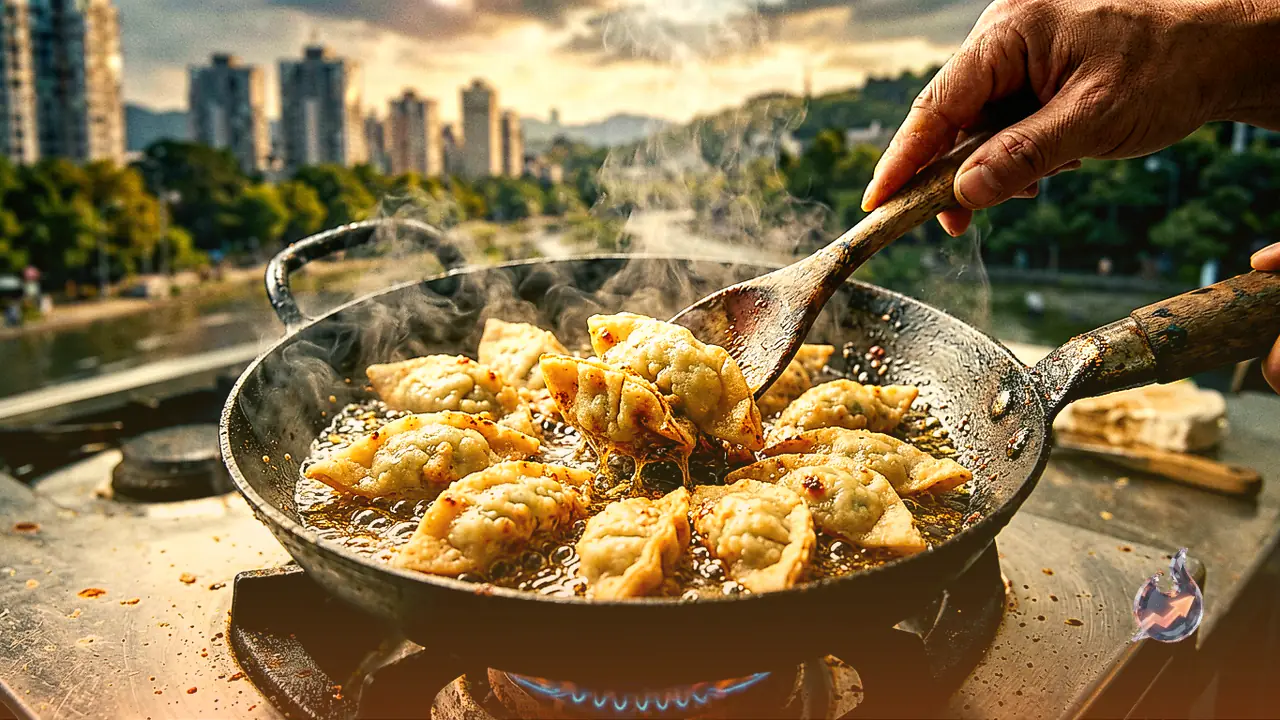
The primary culprit behind greasy fritters is frying at an incorrect oil temperature. When the oil is insufficiently heated, the outer batter fails to sear and set immediately upon entry. Consequently, the raw batter lingers in lukewarm oil, soaking it up like a sponge. Experts recommend keeping the oil temperature consistently between 170 and 180 degrees Celsius. If you do not possess a kitchen thermometer, you can easily gauge the heat using a simple test. Drop a tiny drop of batter into the hot kadhai. If the batter sinks slightly and then floats smoothly to the surface surrounded by steady tiny bubbles, the oil has reached the ideal frying zone. Conversely, excessively hot oil is equally problematic, as it rapidly browns the exterior while leaving the inner batter raw and doughy.
Avoid Crowding the Frying Pan
In an effort to save time, cooks often load too many pakoras into the frying pan simultaneously. While this might appear efficient, it drastically drops the oil temperature in an instant. As the temperature plunges, the fritters absorb oil rather than frying crisp. To achieve optimal results, fry in small batches tailored to the size of your vessel and oil volume. Leaving adequate space between each pakora allows the bubbling hot oil to circulate freely around every piece, creating an even, light, and crispy crust throughout.
Achieving Batter Balance and Texture Enhancers
The consistency of your batter dictates both the flavor and structural integrity of the pakora. A watery batter thins out in the pan, absorbing excessive oil and losing shape. On the other hand, an overly thick batter yields heavy, dense fritters that remain undercooked at the center. The ideal batter should coat the vegetables evenly without forming a thick paste. To boost crispness, incorporate a small proportion of rice flour alongside the chickpea flour. Another effective trick involves whisking one or two tablespoons of piping hot oil directly into the batter mixture before frying. This creates microscopic air pockets, resulting in a lighter and crunchier shell.
Proper Draining and Cooling Procedures
Frying at the right temperature is only half the battle; how you handle the pakoras after removing them from the oil is equally vital. Placing hot fritters directly into a closed container or immediately covering them with a lid ruins their texture. Hot pakoras continuously emit steam. Covering them traps this moisture, causing steam to condense back onto the crust and turn it soft. Instead, rest freshly fried pakoras on a wire cooling rack or a stainless-steel mesh strainer for a few seconds. This allows trapped steam to evaporate freely while excess oil drips away naturally. Once drained, they can be transferred to paper towels if necessary.
Keeping Pakoras Crispy for Gatherings
When preparing pakoras ahead of time for guests, avoid storing them in sealed boxes. Always keep them arranged in a single layer on an open wire tray or mesh basket. For an extra punch of freshness right before serving, flash-fry them in hot oil or pop them into an air fryer for a minute. Implementing these straightforward kitchen habits ensures your homemade fritters remain delightfully crispy and non-greasy every single time.