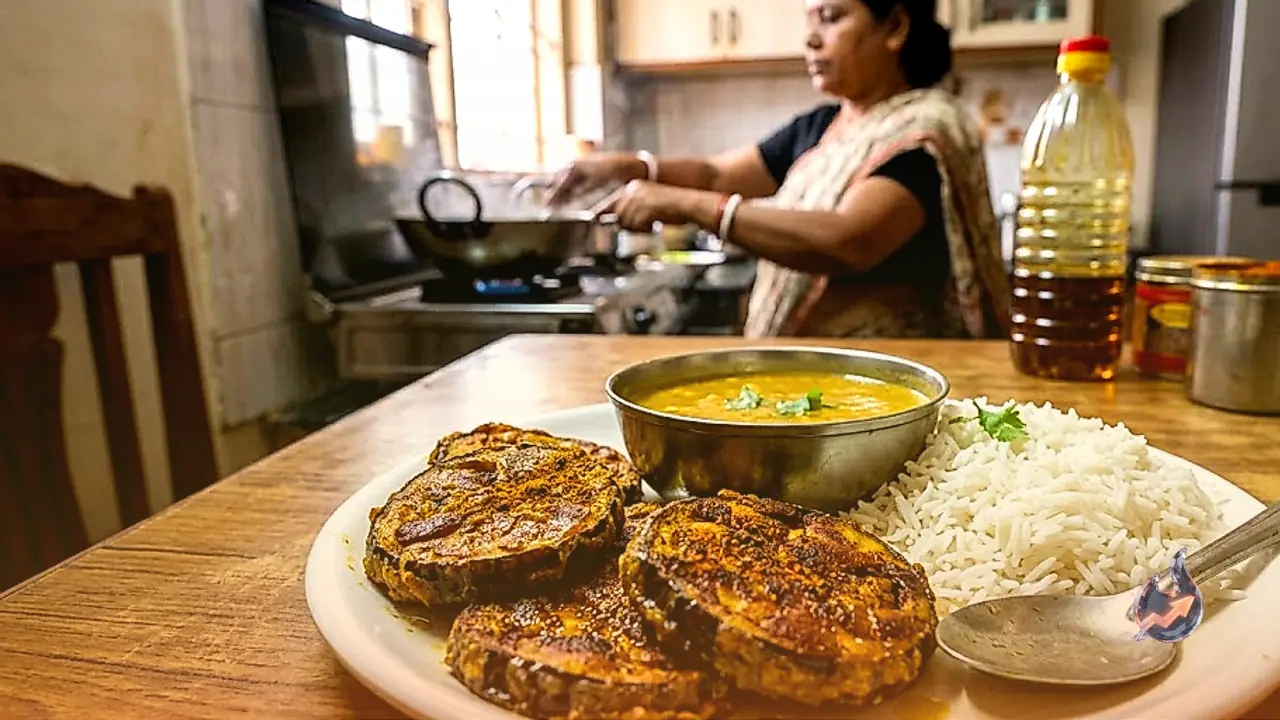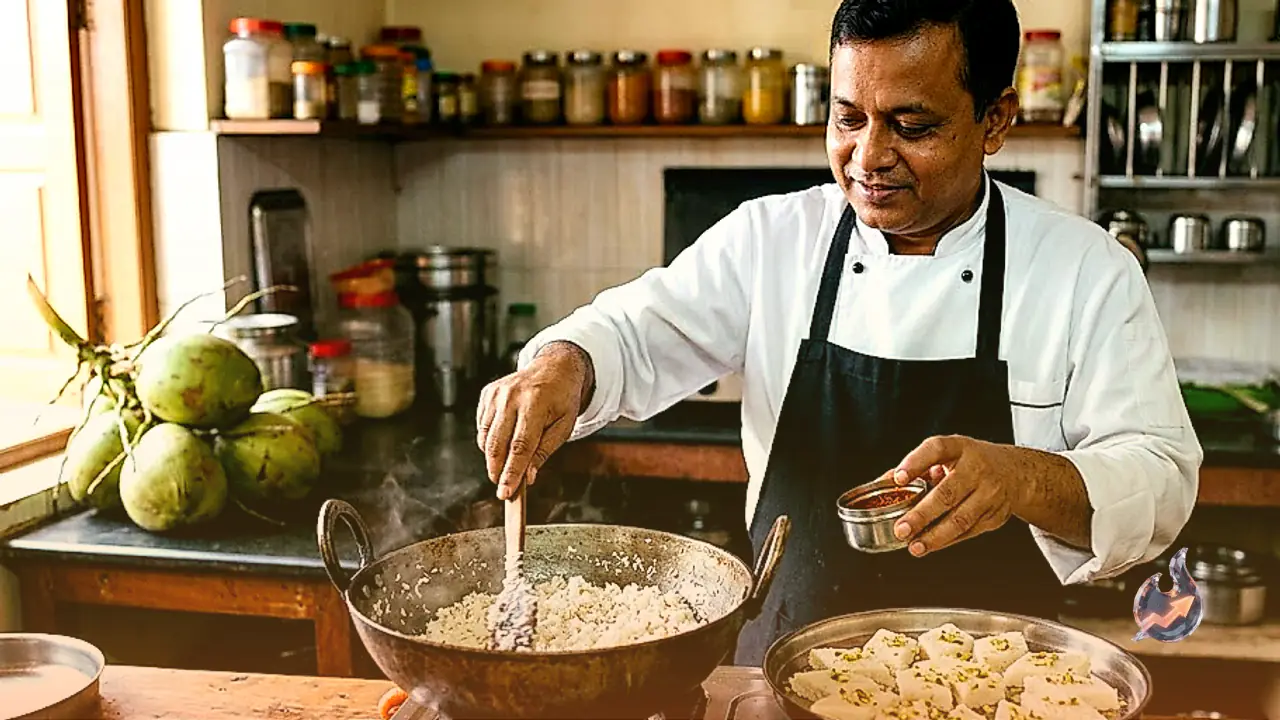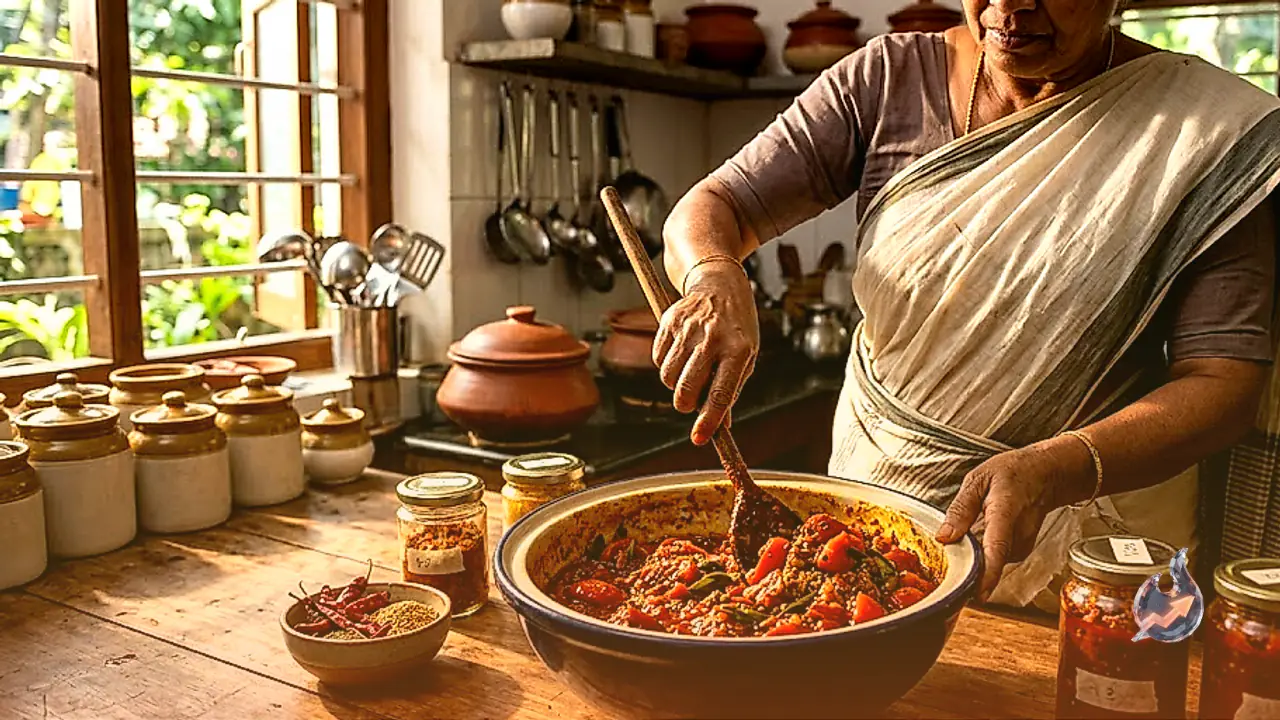























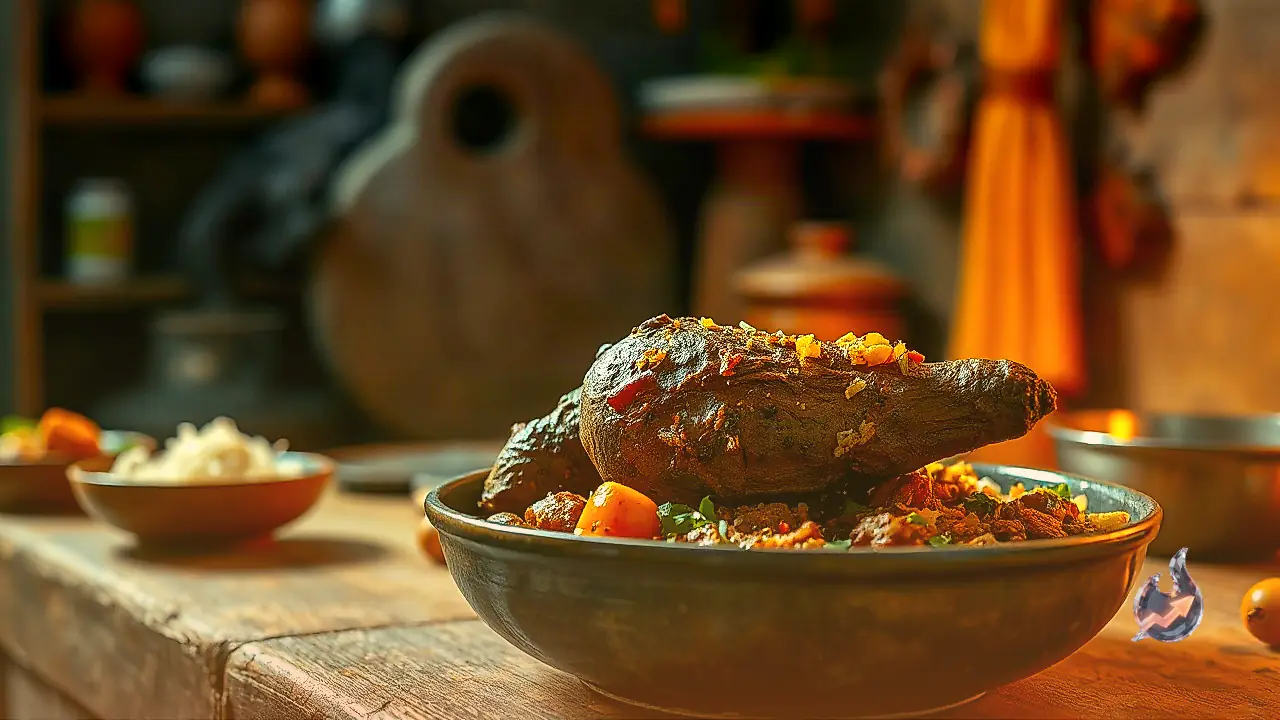

When standard everyday vegetables begin to feel repetitive and uninspiring, introducing a heritage root vegetable to the dining table can completely rejuvenate dinner plans. Suran, commonly known across various Indian households as jimikand or elephant foot yam, offers an extraordinary canvas for deep, comforting flavors when prepared with classic techniques. While some diners express hesitation due to its earthy reputation, slow cooking it with rich pure desi ghee and a well-balanced spice blend yields a dish so decadent that even hearty chicken or mutton curries pale in comparison. One satisfying serving is often enough to convert anyone into a lifelong enthusiast.
The Role of Desi Ghee and Culinary Patience
Handling and preparing elephant foot yam requires careful handling and measured kitchen technique, yet the end result justifies every ounce of effort invested. The defining secret behind this regal recipe lies in its generous use of clarified butter. In this authentic style of preparation, the quantity of pure desi ghee used is nearly equivalent to the volume of the yam itself. This generous fat base not only tames the harsh edges of the vegetable but also allows the toasted spices to penetrate deep into its fibrous layers, producing an exceptionally moist and melting texture.
Smart Prep Work and Blanching Essentials
Success with suran hinges on proper preliminary handling. Begin by trimming away the thick outer peel thoroughly before chopping the dense flesh into bite-sized cubes. Fresh yam contains calcium oxalate crystals that commonly trigger skin irritation and itching; to prevent this discomfort, thoroughly rub your hands with either mustard oil or fresh lemon juice before peeling and slicing. Once prepped, submerge the cubes in water and boil them properly until tender, ensuring that all lingering astringency and raw bite are completely removed and discarded with the water.
Searing Aromatics and Sautéing the Masala
With the blanched yam drained, the foundational aromatic base comes together in a wide, heavy-bottomed pan. Melt the pure desi ghee over gentle heat, then introduce finely chopped onions, letting them fry slowly until they achieve a deep golden-brown shade. Stir in ginger paste and garlic paste next, sautéing briefly to dissipate their sharp raw aroma. Follow this with freshly chopped tomatoes, turmeric powder, red chili powder, and ground coriander. Continue stirring and roasting the masala paste steadily until the mixture condenses and rich pools of ghee begin separating cleanly along the sides of the pan.
Slow Simmering and Serving Traditions
Once the tomato-onion base has released its oil, gently fold in the boiled suran cubes so every surface gets thoroughly coated in the fragrant paste. Turn the stove down to a low flame, cover the pan, and allow the curry to simmer patiently for 10 to 15 minutes. This extended resting time on gentle heat allows the inner fibers of the yam to soak up the richness of the ghee and seasonings. To finish, scatter freshly ground garam masala alongside a vibrant handful of chopped cilantro leaves before taking it off the stove. This royal delicacy pairs wonderfully alongside steaming flatbreads, flaky layered parathas, or a bowl of fragrant basmati rice.