























In an era where health-conscious individuals are increasingly leaning toward expensive superfoods and imported dietary trends, traditional Indian cuisine offers a wholesome and affordable alternative. Dal Pitha, a classic culinary specialty from Bihar, stands out as a prime example of traditional food that seamlessly fuses taste with high nutritional value. Featuring a soft outer shell made of rice flour filled with a spiced chana dal stuffing, this delicacy is prepared entirely by steaming. Because it requires minimal oil, it serves as a light, digestible, and nutrient-dense meal suitable for every generation.
Understanding Bihar's Dal Pitha and Its Culinary Significance
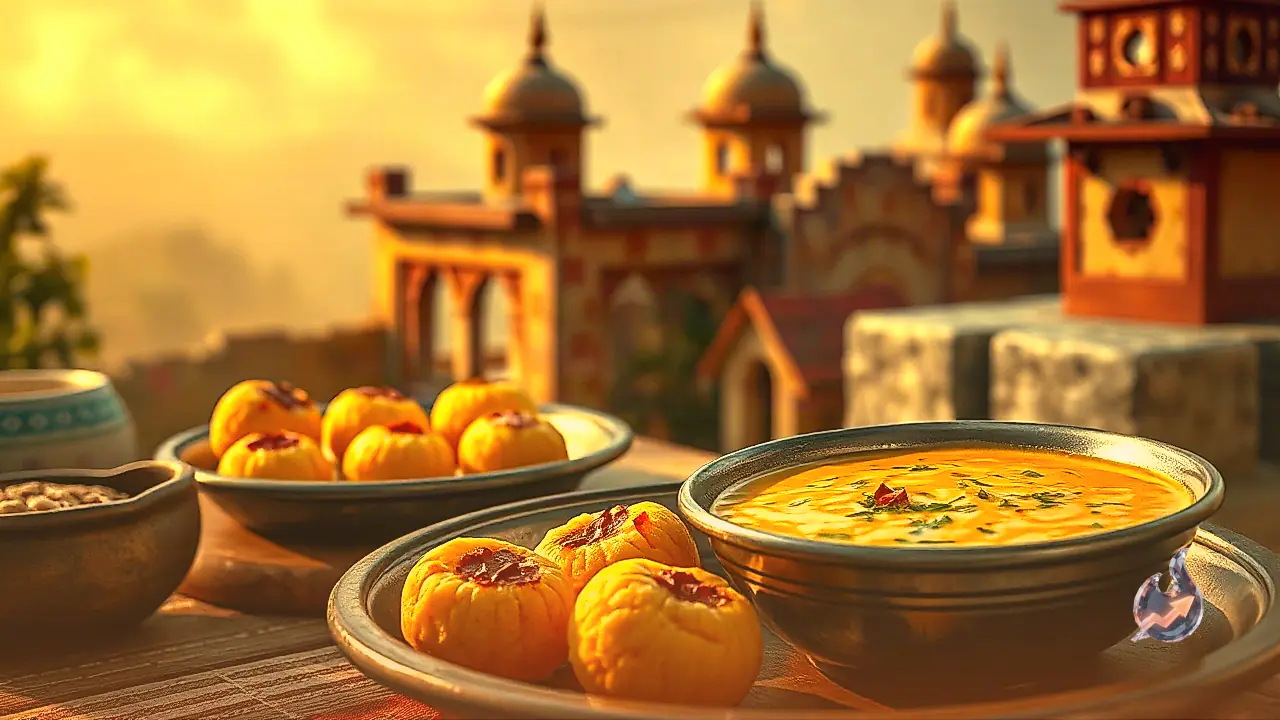
Dal Pitha is widely referred to as the traditional steamed dumpling of Bihar. Its construction involves two main elements: a delicate exterior layer of cooked rice dough and an inner filling of coarsely ground Bengal gram (chana dal) seasoned with aromatic spices. The key factor that sets this dish apart from fried street snacks is its cooking technique. Rather than being deep-fried in oil, the dumplings are cooked using steam, eliminating the need for excess fats. In rural households, Dal Pitha remains an indispensable menu item during traditional festivals, family gatherings, and special occasions. Today, health-conscious urban consumers are also adopting this recipe into their daily wellness routines.
Key Ingredients Required for Dal Pitha
Preparing authentic Dal Pitha requires simple, readily available kitchen ingredients. The component breakdown includes items for both the spicy filling and the rice dough wrap
- Soaked chana dal (Bengal gram)
- Rice flour
- Mustard oil
- Cumin seeds
- 1 tsp grated ginger
- 5 to 6 finely chopped garlic cloves
- Finely chopped green chillies
- Turmeric powder
- Salt (to taste)
- 1/2 tsp red chilli powder (optional)
- 1/2 tsp roasted cumin powder
- Finely chopped fresh coriander leaves
- Water and a small spoon of ghee
Step-by-Step Method to Prepare Dal Pitha at Home
Making delicious Dal Pitha at home involves a structured two-part procedure: crafting the savory lentil filling and preparing the rice flour dough before final steaming.
To begin the stuffing, drain the chana dal that has been soaked overnight or for several hours. Grind it coarsely in a blender without adding extra water, keeping the texture slightly grain-like rather than a runny paste. Next, heat a small quantity of mustard oil in a pan. Add cumin seeds, grated ginger, chopped garlic, and green chillies, sautéing until fragrant and light golden. Introduce the coarsely ground dal into the pan along with turmeric powder, salt, and half a teaspoon of red chilli powder if extra heat is preferred. Cook the lentil mixture over low flame for roughly 8 to 10 minutes while continuously stirring to ensure the raw starch taste completely disappears. Turn off the heat, stir in half a teaspoon of roasted cumin powder and fresh coriander leaves, and let the mixture cool down completely.
For the outer dough shell, bring water to a boil in a deep vessel along with a pinch of salt and a teaspoon of ghee. Lower the heat and gradually pour in the rice flour while whisking continuously to prevent lump formation. Turn off the burner, cover the pot with a lid, and let it rest for 5 minutes. When the dough is warm enough to handle, knead it thoroughly with your hands into a smooth, pliable consistency. Keep the prepared dough wrapped under a damp cotton cloth so it retains moisture and does not dry out.
Next, divide the dough into small, uniform balls. Flatten each ball between your palms to form a small disc or bowl-like shape. Place a generous spoonful of the cooled dal mixture in the center. Carefully fold the edges over the filling and press them firmly together, shaping the dumpling into a half-moon or oval form.
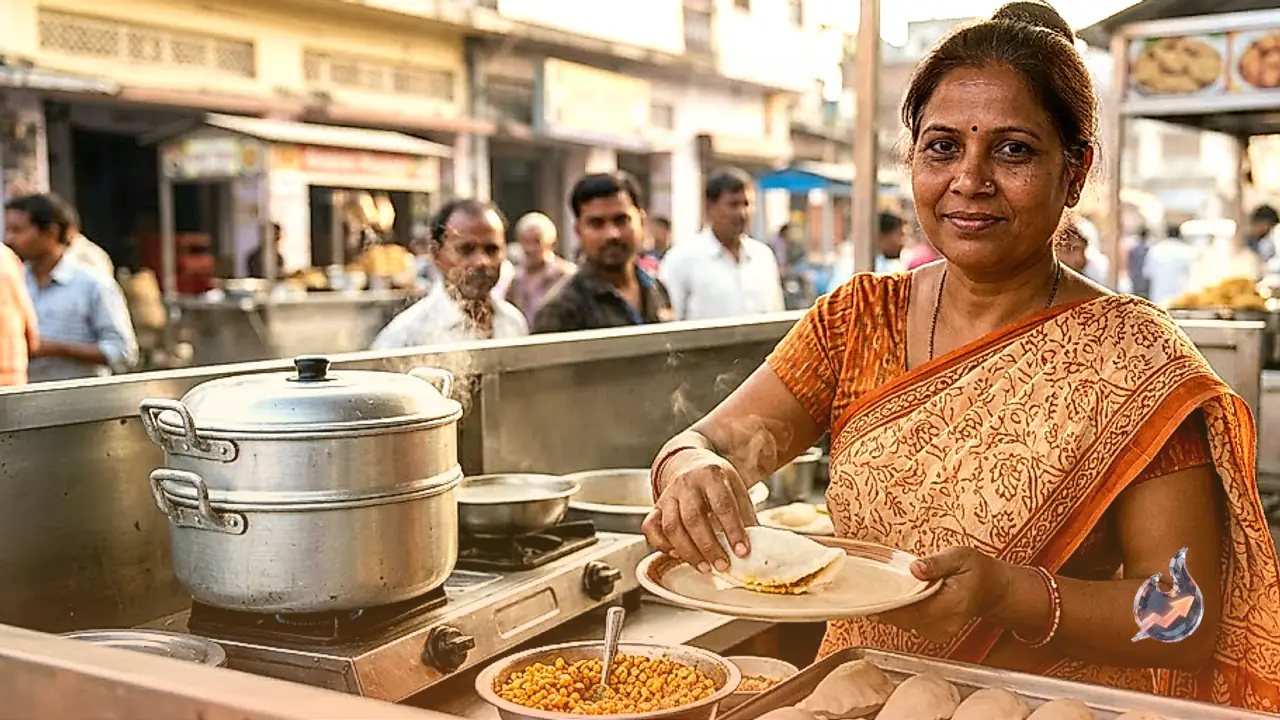
Finally, lightly grease a steamer tray with oil. Arrange the prepared dumplings slightly apart from one another so they do not stick while expanding. Steam them over high heat for 15 to 20 minutes. Once the rice flour layer turns glossy, smooth, and firm to the touch, the Dal Pitha is fully cooked and ready to serve.
Serving Suggestions and Accompaniments
Piping hot Dal Pitha is best enjoyed alongside spicy, freshly made chutneys. Traditional pairings include tangy roasted tomato chutney, spicy green coriander chutney, or a rustic garlic chutney made with roasted dry red chillies. In many Bihar households, it is also served as a complete main dish alongside light lentil soups or simple potato and green pea curries.
Health Benefits Highlighted by Nutritionist Anjali Upadhyay
According to nutritionist Anjali Upadhyay, Dal Pitha offers a balanced profile of macronutrients and micronutrients. She highlights the following core benefits of incorporating this dish into a balanced diet
1. Excellent Source of Plant Protein: Chana dal supplies high-quality plant-based protein essential for muscle repair, cellular growth, and long-lasting satiety, helping control unnecessary snacking.
2. Enhances Digestive Health: Packed with natural dietary fiber, this dish supports smooth gut motility, improves overall digestion, and helps alleviate constipation issues.
3. Low Calorie and Weight-Friendly: Because the preparation relies strictly on steam rather than frying, calorie density remains low. Individuals monitoring their body weight can comfortably consume this meal in moderation.
4. Naturally Gluten-Free Option: Formulated using rice flour instead of wheat, Dal Pitha is an ideal choice for people who follow a gluten-free diet or have wheat sensitivities.
Conclusion on Traditional Diets
Dal Pitha demonstrates that nutritious eating does not demand expensive ingredients or exotic recipes. Indian culinary traditions offer balanced nourishment, rich flavor, and cultural heritage using simple local grains and pulses cooked with minimal oil.