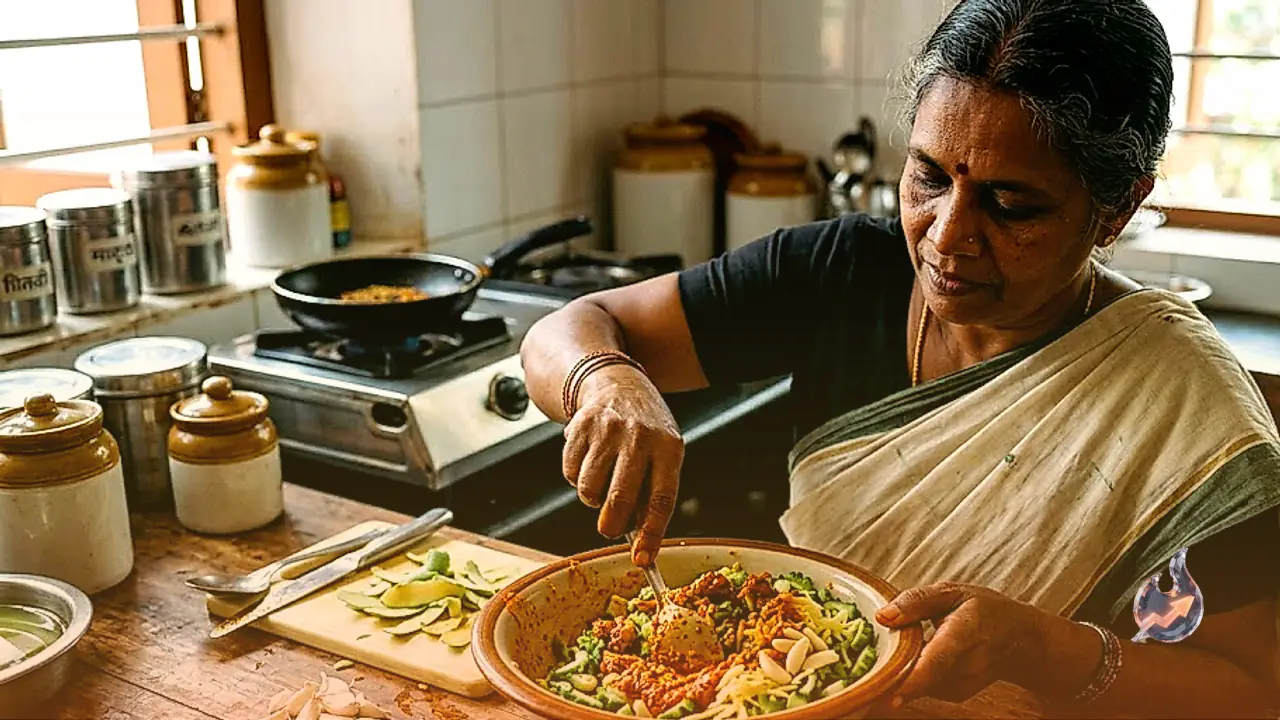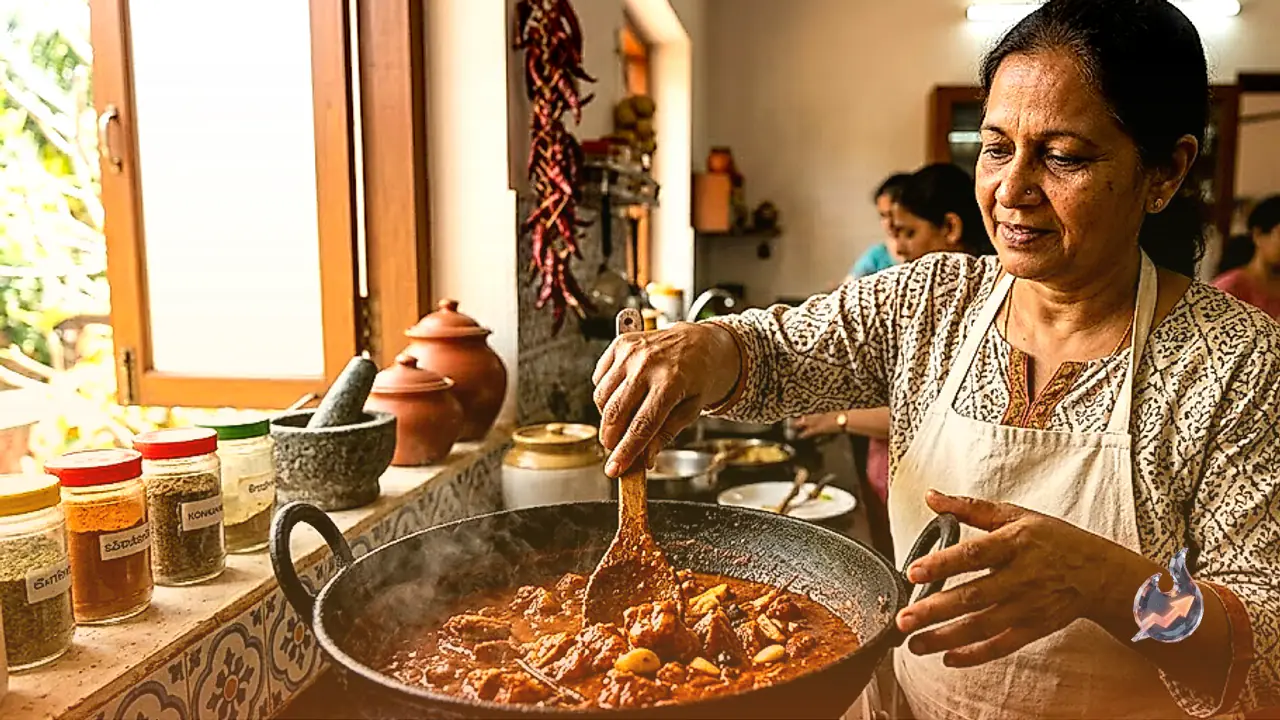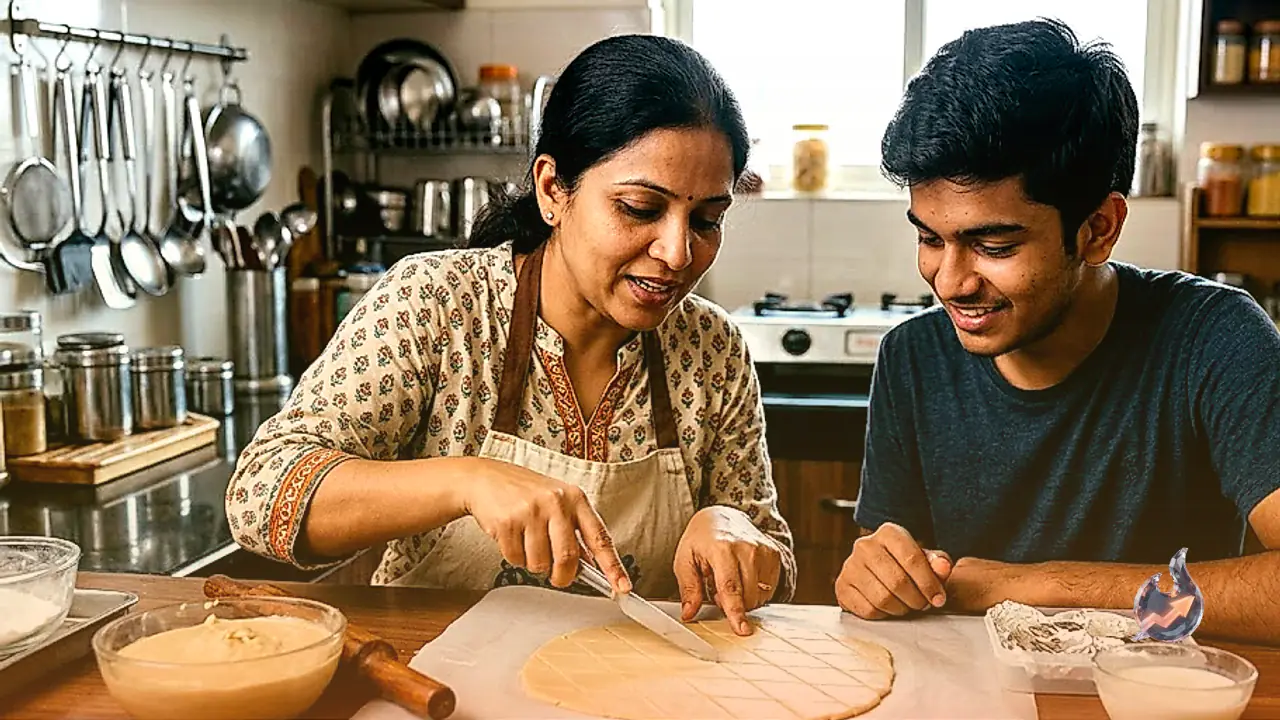





















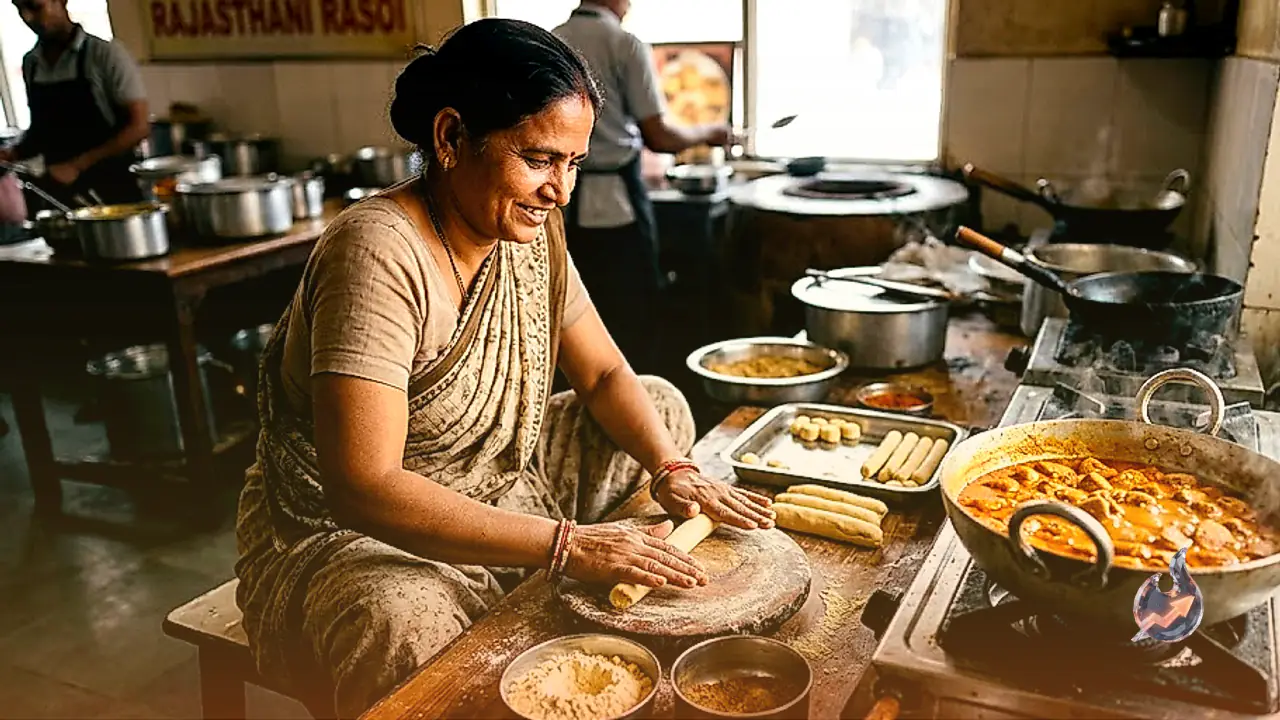

Traditional Rajasthani cuisine is celebrated globally for creating remarkably rich and savory flavors using minimal ingredients. On days when fresh green vegetables are unavailable in the kitchen, regional culinary techniques rely on everyday pantry staples like gram flour to craft deeply satisfying meals. Among these regional delicacies, Besan Gutia Sabzi holds a cherished place and is prepared with subtle variations across different parts of Rajasthan. In this classic preparation, tiny gram flour dumplings are simmered over a gentle flame in a fragrant, spiced gravy, allowing them to absorb the rich flavors and elevate the meal into a festive spread.
The Rich Culinary Tradition of Rajasthan
The hallmark of Marwari cooking lies in its simplicity and the art of extracting deep, complex flavors from modest ingredients. When fresh produce is hard to come by, this gram flour delicacy serves as an exceptional alternative. The soul of this dish resides in the handcrafted gram flour pearls, known as gutias. As these small dumplings cook slowly in an aromatic gravy, they impart a distinct earthy aroma that fills the kitchen, transforming a simple daily lunch into an authentic Rajasthani feast.
Mastering the Water-Sprinkling Technique for Gutias
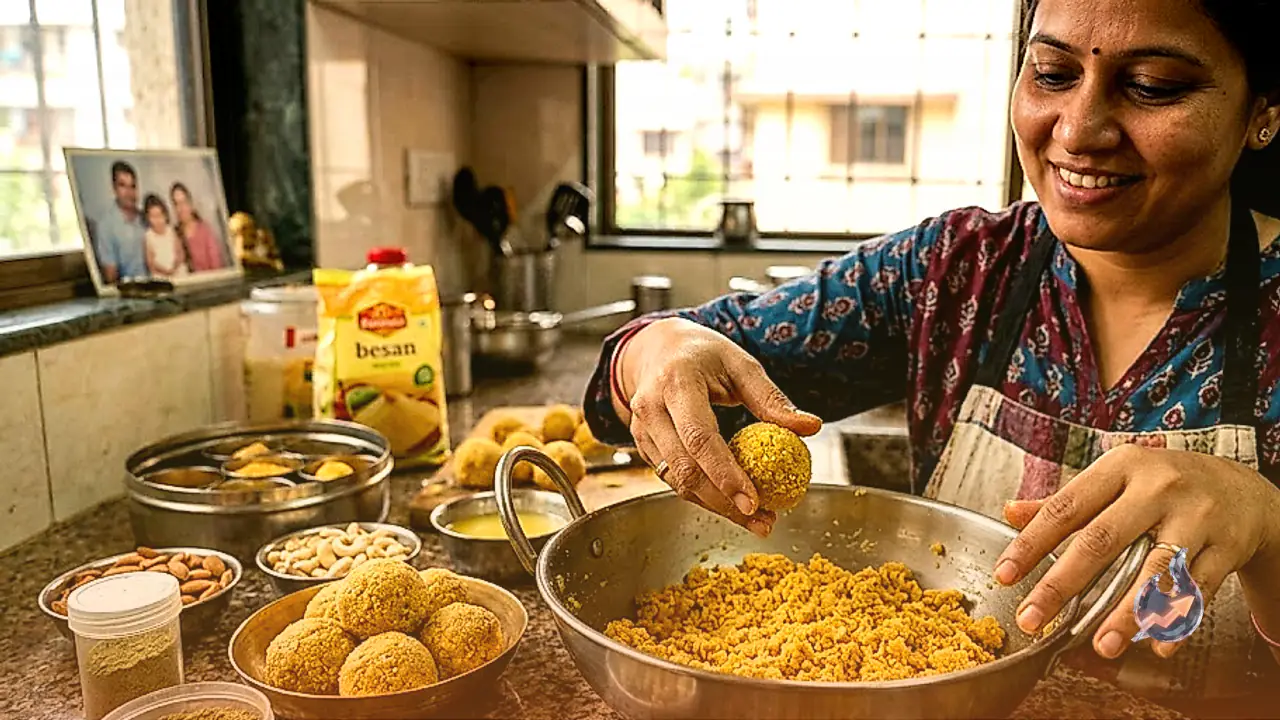
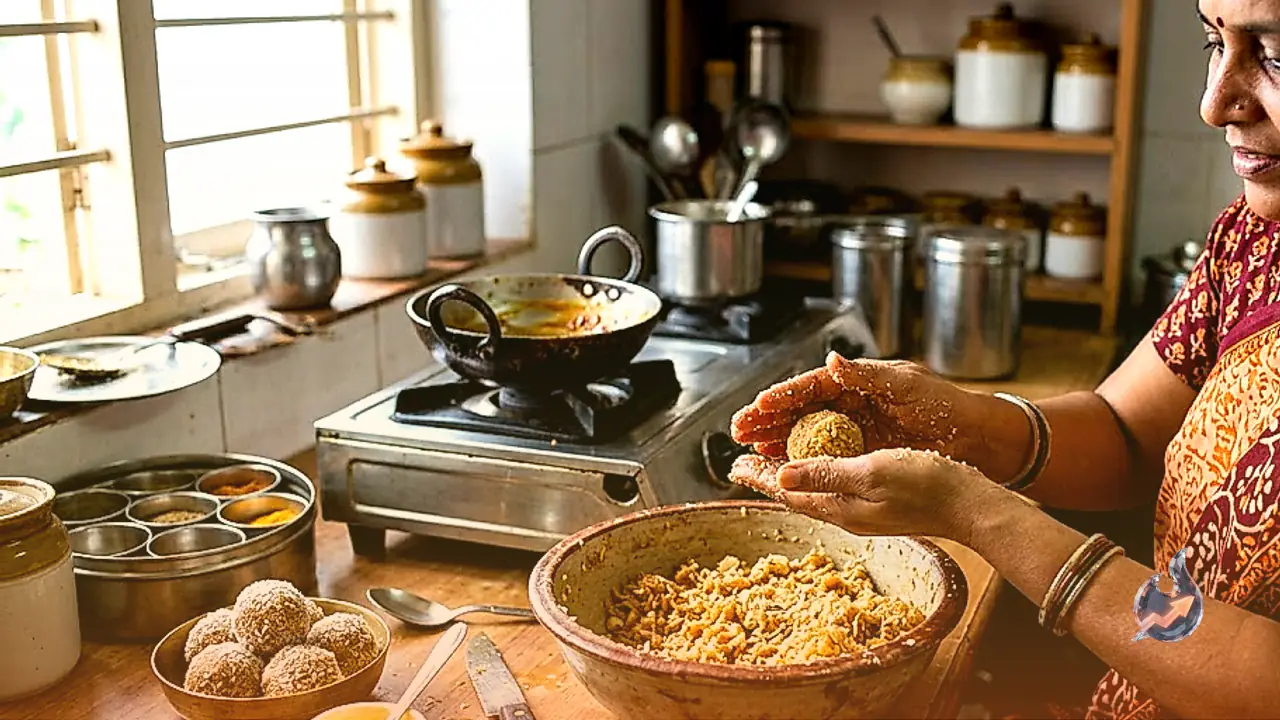
The key highlight of this dish is the unique, traditional method used to form the gram flour pearls. To begin, 1 bowl of besan (gram flour) is spread out in a large plate. Using one hand, a small amount of water is sprinkled over the flour while the other hand continuously rolls and rotates the besan in circular motions. This process of sprinkling water and rolling the flour is repeated roughly 8 to 10 times. Gradually, the gram flour binds together into tiny round pearls resembling moong dal grains, which give the curry its signature Marwari texture and distinct mouthfeel.
Roasting the Gram Flour Pearls for Earthy Flavor
Once the gutias are formed, 1/2 tablespoon of oil is heated in a kadhai over medium heat. The prepared besan pearls are added to the pan and roasted continuously over a low flame. As soon as the dumplings turn light golden brown and release a warm, nutty aroma, they are removed from the kadhai and set aside in a separate bowl. Slow roasting over low heat ensures that any rawness in the gram flour is thoroughly eliminated, infusing a delightful earthy depth into the finished dish.
Crafting the Dhaba-Style Spicy Curry Base
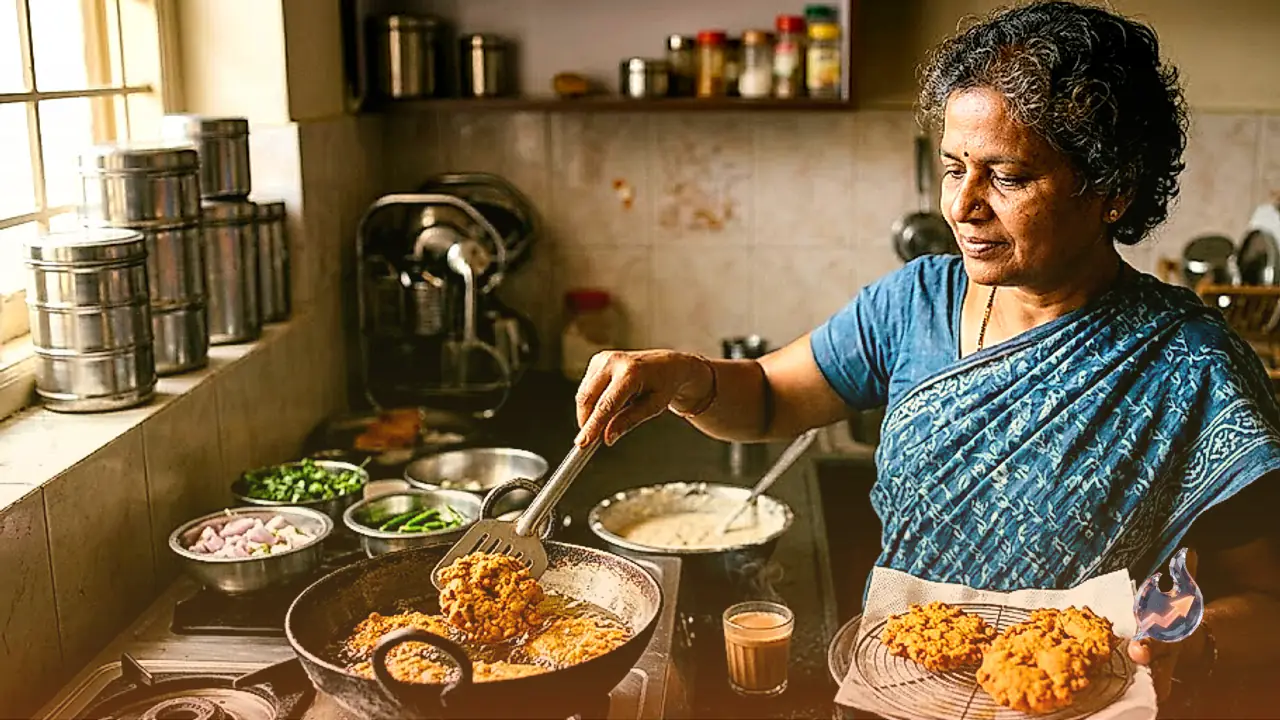
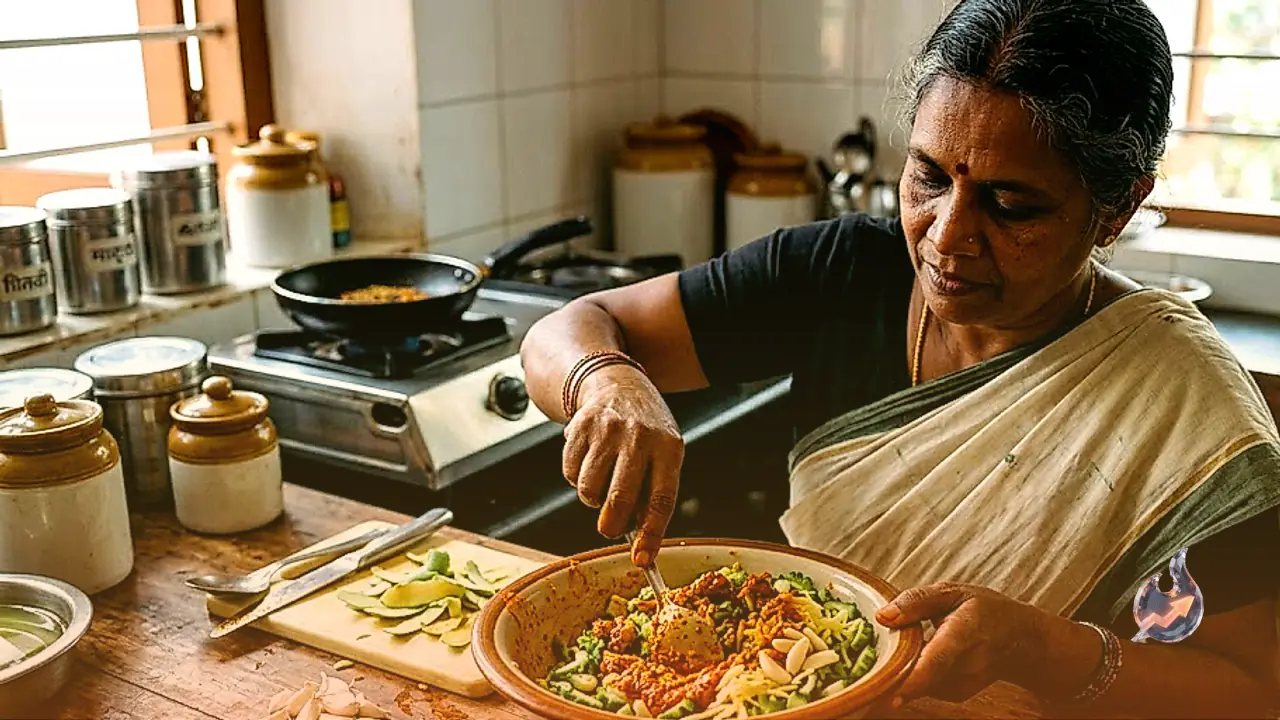
After transferring the roasted gutias, a little more oil is added to the same kadhai. Once the oil reaches cooking temperature, cumin seeds and mustard seeds are added to crackle. Next, finely chopped ginger, garlic, and onions are stirred in and cooked until they achieve a deep golden hue. Chopped tomatoes, green chillies, turmeric powder, red chilli powder, coriander powder, and kasuri methi are then incorporated into the pan. The spice mixture is simmered gently over low heat until the oil separates from the masala, imparting an authentic dhaba-style richness to the gravy base.
Simmering to Perfection and Final Presentation
When the masala is fully cooked and fragrant, the roasted besan gutias are tossed into the pan to coat them evenly with the spices. Next, 3 bowls of water are poured into the kadhai, and the mixture is allowed to simmer on medium heat. As the curry gradually thickens, the besan pearls soften and absorb the savory spice essence right into their core. Once the gutias become completely tender, the stove is turned off, and fresh green coriander leaves are sprinkled over the top. The dish is best served piping hot alongside traditional bajra roti (pearl millet flatbread) or warm parathas.