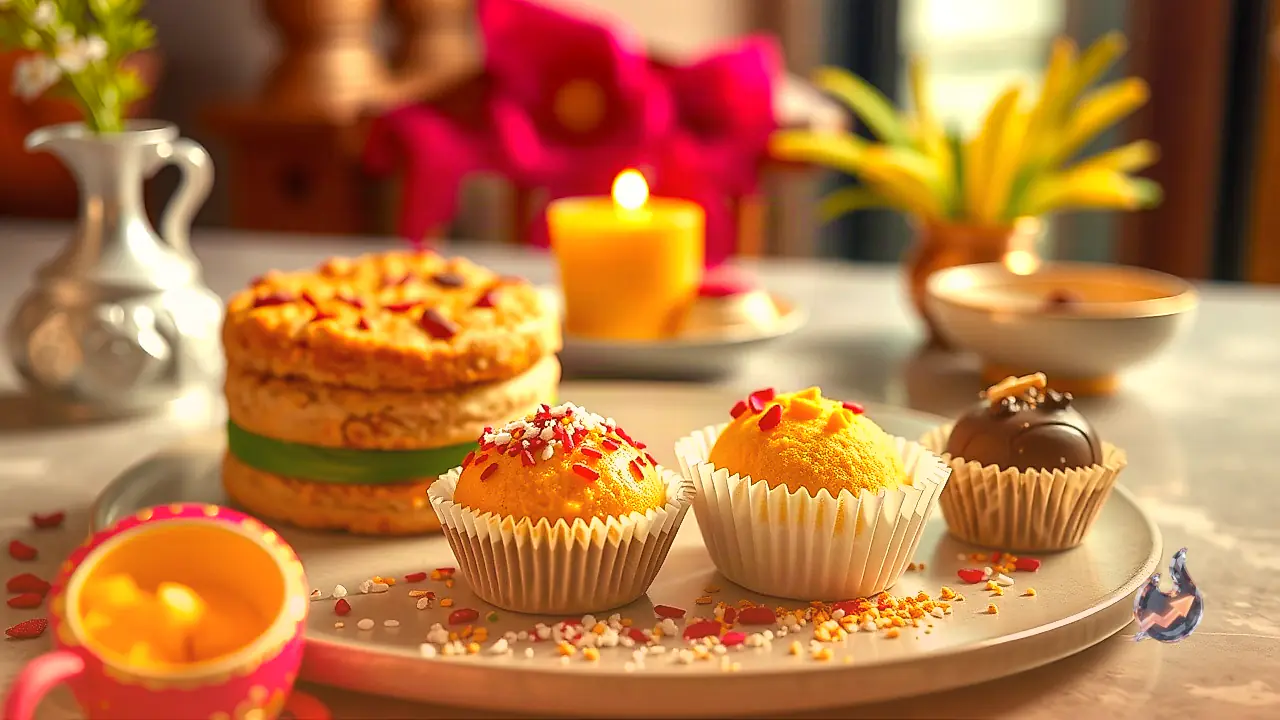



















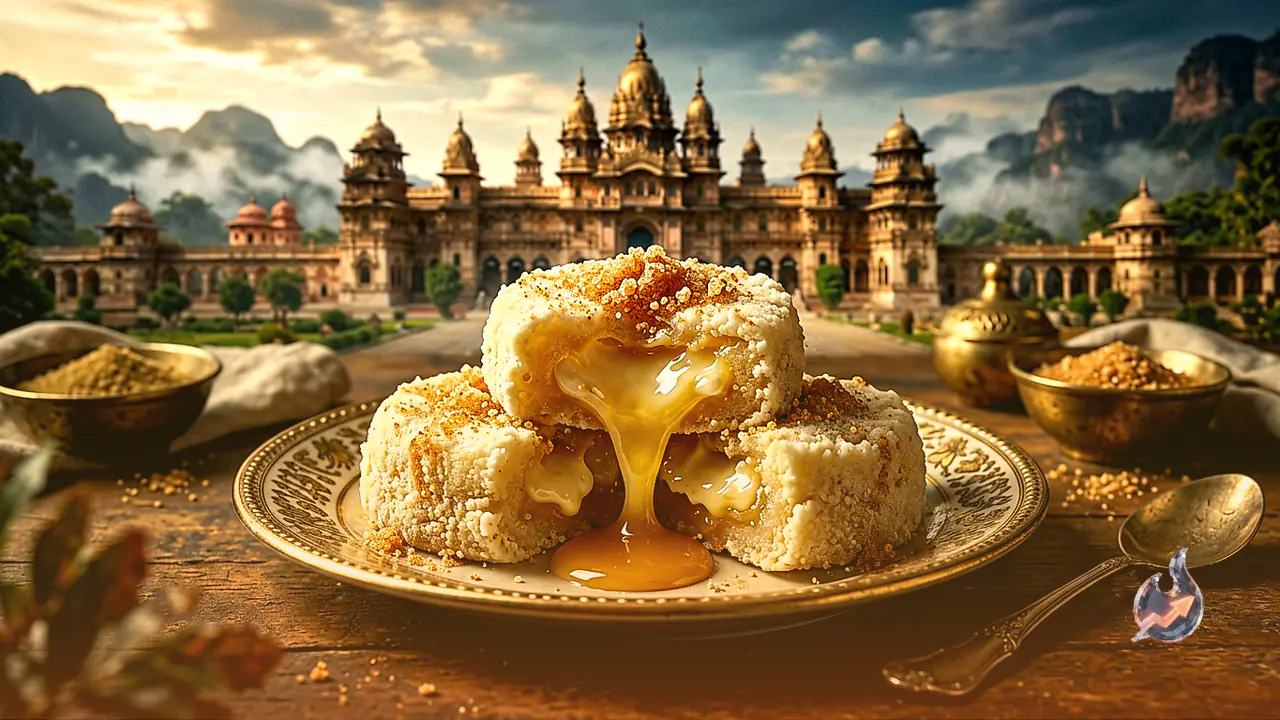

India possesses a remarkably rich confectionery heritage, with every state showcasing its own signature traditional sweet. While rasgulla remains an iconic favorite in eastern regions, delicacies like jalebi, peda, barfi, and laddu dominate sweet shops across northern states. Yet, amid this immense culinary variety, one traditional South Indian sweet holds a truly regal reputation. Hailing from the historic state of Karnataka, Mysore Pak is widely celebrated by food enthusiasts as the king of sweets. Crafted primarily from gram flour, clarified butter, and sugar, this timeless treat is admired for its indulgence, rich ghee aroma, and melt-in-the-mouth texture.
The Royal Legacy of Mysore Palace and Kakasura Madappa
The origin of Mysore Pak is deeply intertwined with royalty and takes its name directly from the historic city of Mysore in Karnataka. According to popular historical accounts, the creation of this legendary sweet occurred within the royal kitchen of the famous Mysore Palace. During the reign of Maharaja Krishnaraja Wadiyar IV, the head palace chef, Kakasura Madappa, sought to create a unique new dessert using fundamental kitchen ingredients: gram flour, ghee, and sugar.
When the newly prepared dish was served to the monarch, Maharaja Krishnaraja Wadiyar IV was thoroughly impressed by its rich flavor and delightful aroma. The sweet was immediately accorded the status of a royal palace specialty. Over the decades, several variations of this origin story have emerged, but the tradition attributing its invention to Kakasura Madappa in the royal kitchens remains the most famous.
Key Ingredients and the Traditional Preparation Process
Despite its luxurious taste, Mysore Pak relies on just three basic ingredients: roasted gram flour, sugar, and generous quantities of pure ghee. However, perfecting the recipe requires strict precision and careful temperature control. The culinary process begins by thoroughly roasting the gram flour on low heat to remove any raw taste while releasing a subtle nutty fragrance.
Next, a sugar syrup is prepared, into which the roasted gram flour is gradually incorporated to prevent lumping. As the mixture cooks continuously over heat, warm clarified butter is poured in slowly and consistently. Constant stirring is essential to allow the flour to absorb the ghee fully. Once the mixture reaches the ideal consistency and begins pulling away from the pan, it is transferred onto a pre-greased tray to cool before being sliced into neat rectangular pieces.
Texture, Ghee Aroma, and the Unmatched Taste Profile
The mark of an authentic and expertly prepared Mysore Pak lies in its distinctive texture. When cooked correctly, it is neither overly dense nor brittle, but rather tender enough to melt effortlessly upon the tongue. The lingering aroma of pure ghee, combined with the rich flavor of roasted besan and the balanced sweetness of sugar syrup, distinguishes it from other classic Indian desserts.
Regional Preferences and the Informal Royal Title
While many connoisseurs refer to Mysore Pak as the king of sweets owing to its royal origin and rich flavor profile, this designation remains an informal popular title rather than an official crown. In a diverse country like India, what constitutes the finest dessert often depends on regional tastes and personal preferences. While Mysore Pak holds prime position across Karnataka and South India, other regions continue to cherish their own local sweet traditions.