





















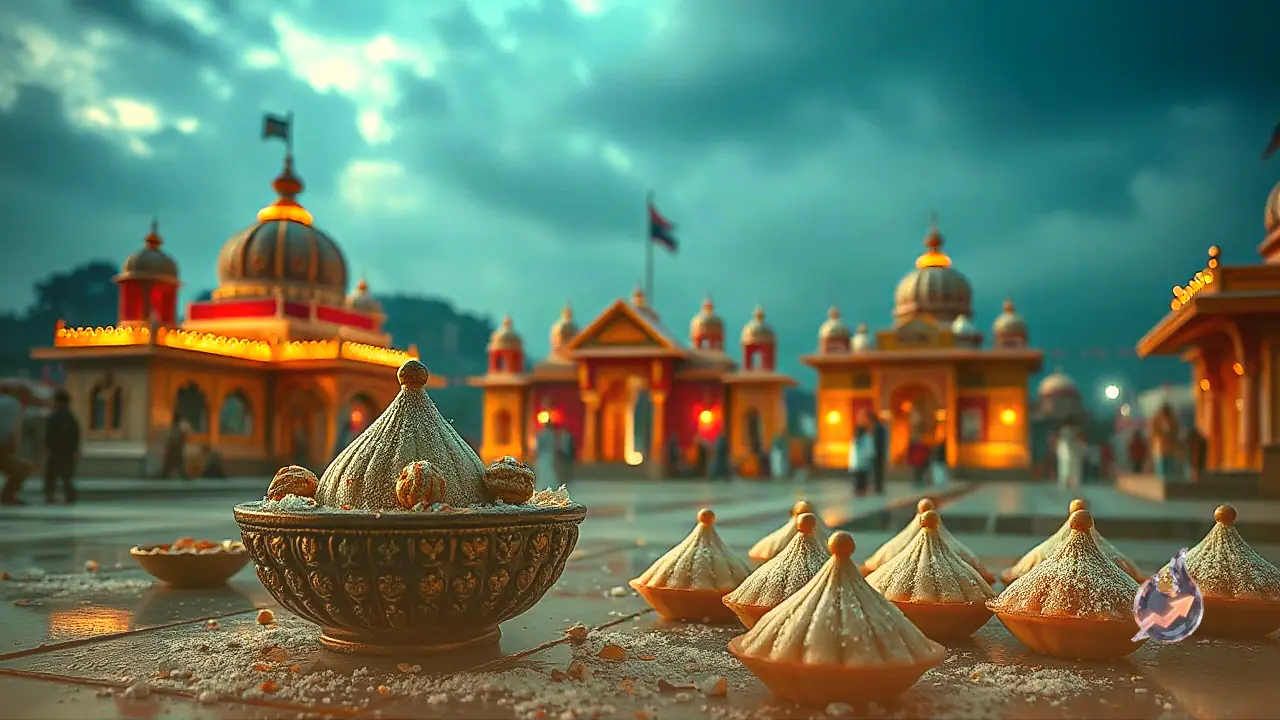

During the auspicious days of Ganesh Utsav, offering modaks to Lord Ganesha is widely regarded as one of the most sacred festive rituals. While the traditional preparation filled with sweet jaggery and freshly grated coconut remains the most cherished, several distinct variations have evolved across different regions and ingredients. Over time, home kitchens and local sweet shops alike have embraced creative adaptations alongside age-old recipes. If you wish to bring variety to your festive platter this season, an array of traditional and modern modak styles can be easily prepared to delight both devotees and family members.
The Authentic Maharashtrian Heritage of Ukadiche Modak
Ukadiche modak stands out as the most revered and authentic sweet delicacy of Maharashtra during the festival. The base for its exterior casing is prepared primarily using fine rice flour. Warm water is used to knead the flour thoroughly, creating a dough that is soft, pliable, and easy to shape. The interior is generously packed with a sweet stuffing of jaggery and fresh coconut. Once carefully pleated and shaped, the dumplings are placed in a steamer to cook. Steaming preserves the tender, melt-in-the-mouth texture of the outer skin while releasing the warm, rich aroma of the jaggery-coconut core within.
Crisp and Rich Fried Modak
For those who prefer a crunchy contrast in festive sweets, fried modaks offer a wonderful departure from steamed recipes. The outer shell of these modaks is typically crafted using wheat flour or refined flour to deliver an unmistakably crisp texture. Inside, one can fill the customary combination of coconut and jaggery, or enhance it with chopped nuts and other preferred fillings. After being sealed into their familiar teardrop shapes, they are deep-fried in oil or pure ghee over moderate heat until they attain a uniform golden color. The resulting crunch and deep flavor provide an entirely different dining experience compared to Ukadiche modak.
Quick and Convenient Mawa Modak
When festival preparations leave little time for elaborate steaming or kneading, mawa modak serves as a fast and delicious alternative. Khoya, or mawa, forms the foundational element of this sweet. The evaporated milk solids are mixed with powdered sugar, fragrant cardamom, and an assortment of finely chopped dry fruits to form a cohesive, rich mixture. This variation eliminates the requirement of making a separate dough covering altogether. The prepared mixture is simply pressed firmly into decorative modak molds, yielding perfectly shaped sweets in minutes that are ideal for festive hosting.
Contemporary Chocolate Modak for Children
To cater to younger family members and introduce a modern twist to the festival, chocolate modaks have become increasingly popular. Depending on the chosen recipe, these can be crafted by combining chocolate with crushed biscuits, condensed milk, mawa, or finely minced nuts. The blended dough-like mixture is placed directly into molds to create crisp, beautiful festive shapes without hassle. For anyone looking to break away from strictly conventional sweets and try something playfully different, this dessert is an appealing festive treat.
Nutrient-Dense Dry Fruit Modak
For a rich and wholesome treat, dry fruit modaks bring together health and flavor seamlessly. These sweets are created using a blend of chopped or ground nuts, including cashews, almonds, pistachios, and walnuts. The powdered or crushed nuts are combined with jaggery or sugar syrup to bind them firmly together. Cooks can further elevate the profile by infusing cardamom powder or strands of saffron into the mix. The combined ingredients are cooked down gently until thickened, after which they are pressed into molds to set, requiring no additional flour coating.
Helpful Pointers for Preparing Modak at Home
Selecting the right modak recipe depends largely on the pantry items you have readily accessible and the flavor preferences of your household. While Ukadiche modaks serve as the classic choice for sacred offerings, chocolate modaks appeal greatly to children, and mawa or dry fruit versions are well-suited for welcoming guests. A practical tip when using molds is to ensure your mixture is not overly loose or moist. A runny blend makes it challenging for the sweet to hold its shape and may lead to crumbling. With a bit of care, preparing one or two of these diverse styles can elevate your Ganesh Utsav celebrations at home.