






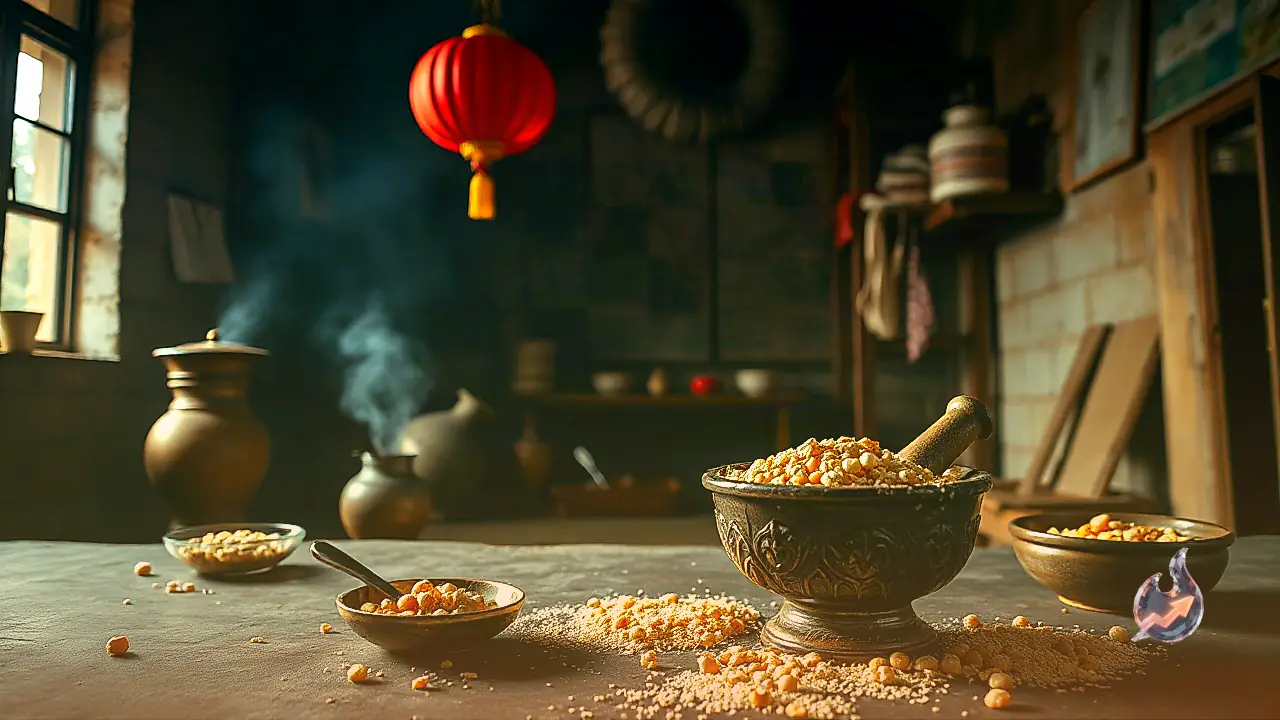














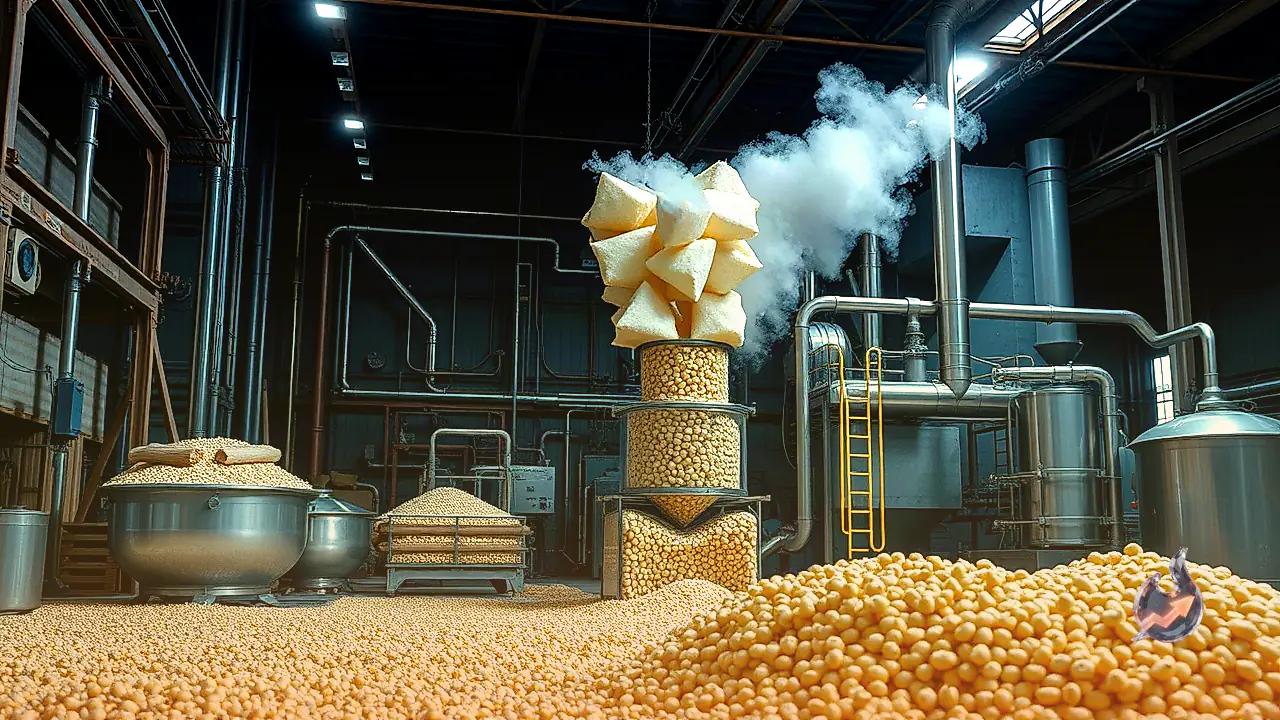

Whether tossed into a steaming pot of biryani or simmered in a spicy gravy, textured soy protein chunks are a staple in vegetarian kitchens. Their spongy texture and chewy bite often lead many people to mistake them for meat products, sparking curiosity about whether non-vegetarian ingredients are used in their production. In reality, standard soy chunks are entirely plant-based and derived from soybeans. They are not simply chopped whole beans; rather, they undergo a multi-step industrial transformation before reaching grocery store shelves.
Cleaning and Moisture Control in the Factory
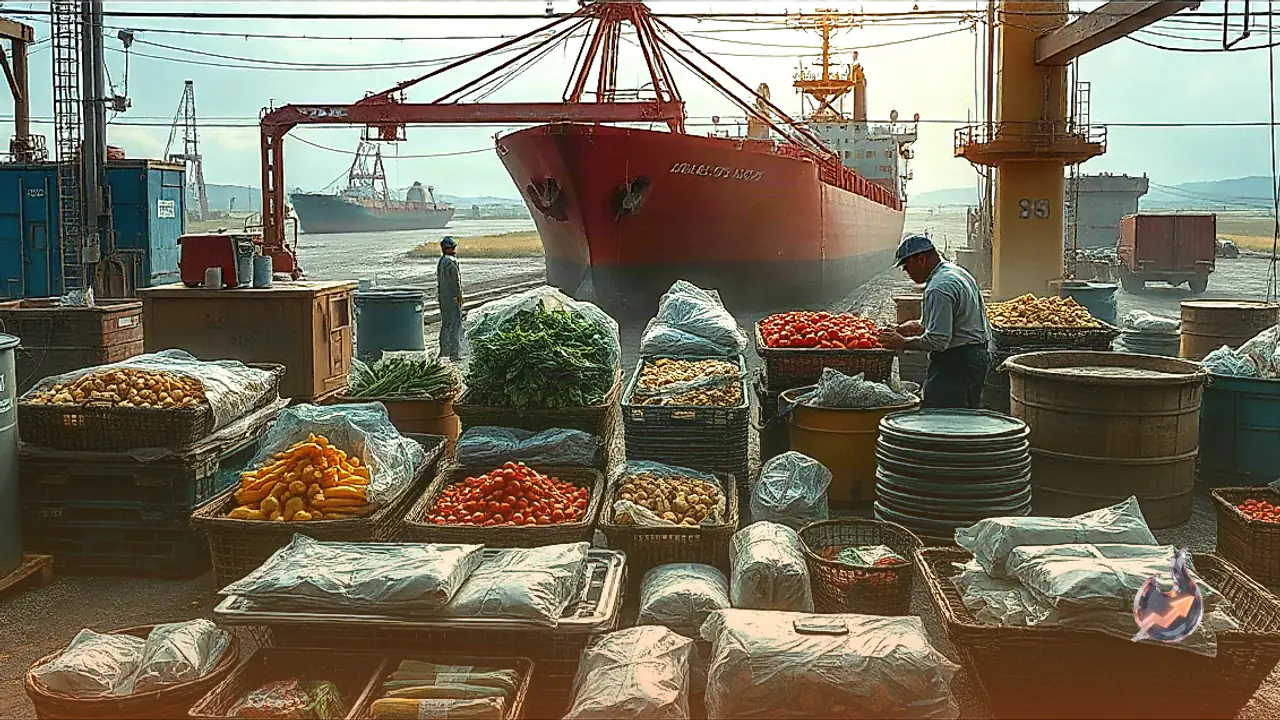
The journey begins long before the product enters a packet. Raw soybeans arrive at processing plants where they may contain dust, dirt, small stones, and other agricultural debris. Industrial machinery first screens and cleans the beans thoroughly. Depending on the requirements, the moisture content is adjusted, and the outer hulls are removed. This initial cleaning stage is vital because the final quality of the product depends heavily on the purity and condition of the raw soybeans.
Separating Oil From the Soybeans
From there, the process takes an interesting turn as whole soybeans are not simply ground up directly. First, the natural oil contained within the soybean is extracted. Industrial facilities employ various pressing and solvent methods to separate this valuable oil. Once the oil is removed, the remaining soy material is exceptionally rich in protein. It is this defatting byproduct that serves as the foundation for manufacturing meal maker and other textured vegetable proteins.
Creating Defatted Soy Flour and Dough
Following oil extraction, the remaining solid material is finely milled into a powder known in the industry as defatted soy flour. This flour is then mixed with precise amounts of water. The purpose of adding water is to introduce the necessary moisture so that heavy machinery can process the mixture uniformly in the next phase. At this stage, the damp mixture bears no resemblance to the firm, dry nuggets found in commercial packets.
The Extrusion Process and Spongy Texture
The most critical transformation occurs inside a specialized machine called an extruder. During this extrusion process, the prepared soy mixture is subjected to controlled heat, intense pressure, and mechanical shear forces. These conditions alter the structure of the soy protein, creating a fibrous network that gives the final product its characteristic spongy and chewy texture. This explains why cooked soy chunks mimic the mouthfeel of meat, even though no animal protein is involved. However, consumers should always check ingredient labels, as individual brands may incorporate additional additives.
Shaping, Drying, and Packaging
Following extrusion, the hot protein mass is pushed through shaping dies to create various forms, which is why shoppers find small nuggets, large chunks, and strips on store shelves. Once shaped, the products are thoroughly dried to remove residual moisture. Because of this low moisture content, packaged meal makers feel extremely lightweight, dry, and rigid. They are then sealed in protective packaging and distributed to retail markets.
Rehydration and Culinary Uses
Before cooking at home, submerging dry soy chunks in hot water yields a dramatic change in size. The dehydrated pieces absorb liquid rapidly, swelling into large, soft, and spongy morsels. This porous structure excels at holding savory flavors and sauces. After boiling or soaking, the excess water is squeezed out, and the chunks are ready to be tossed into gravies, pulao, stir-fries, or various other regional dishes.
Soy-based meal makers are celebrated primarily for their high protein content. The defatted soy material left behind after oil extraction retains a dense concentration of plant protein, alongside carbohydrates, dietary fiber, low fat, and essential minerals. However, nutritional values can vary between brands depending on processing techniques and added ingredients. Checking the nutrition facts panel on the packaging remains the best approach for dietary tracking rather than relying on general assumptions.
A common question is why meal maker remains so affordable despite the fluctuating price of raw soybeans. The answer lies in byproduct economics. Processing a soybean yields valuable vegetable oil as a primary commercial output, while the protein-rich residual solids are utilized to manufacture affordable textured products like soy chunks. Therefore, comparing the raw grain price directly to a finished packet of meal maker does not reflect the multi-output nature of industrial soybean processing.