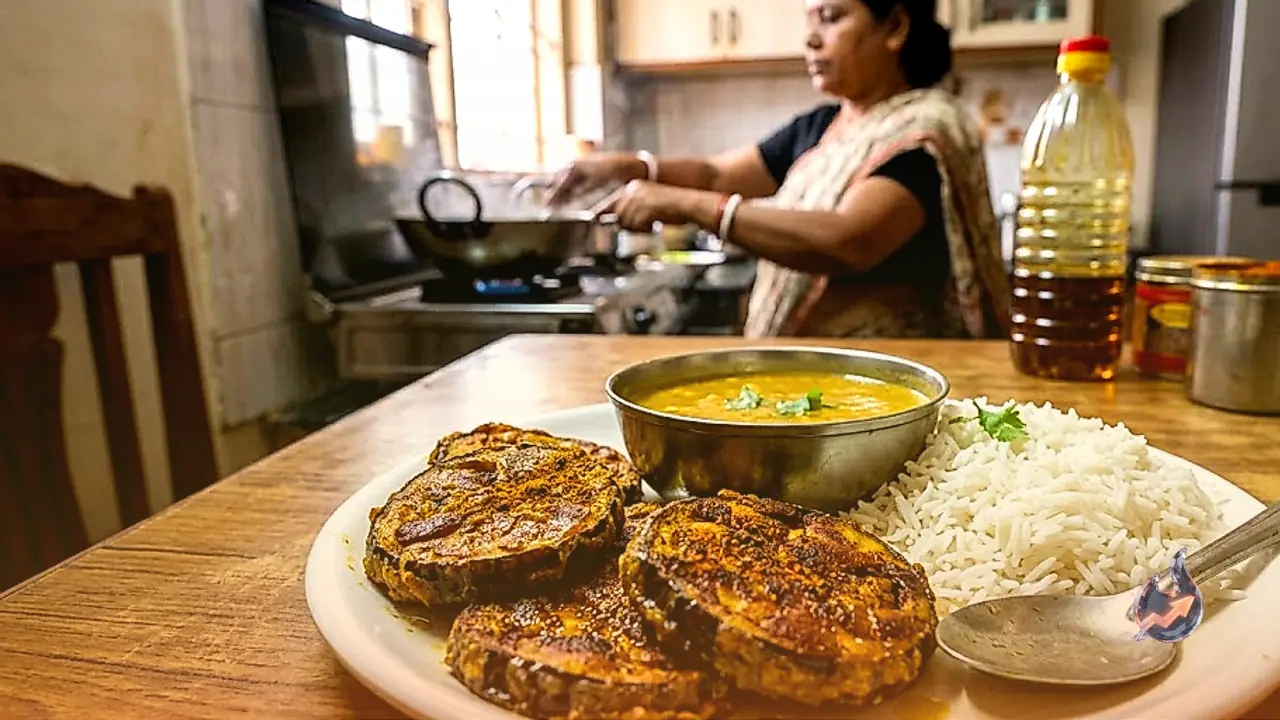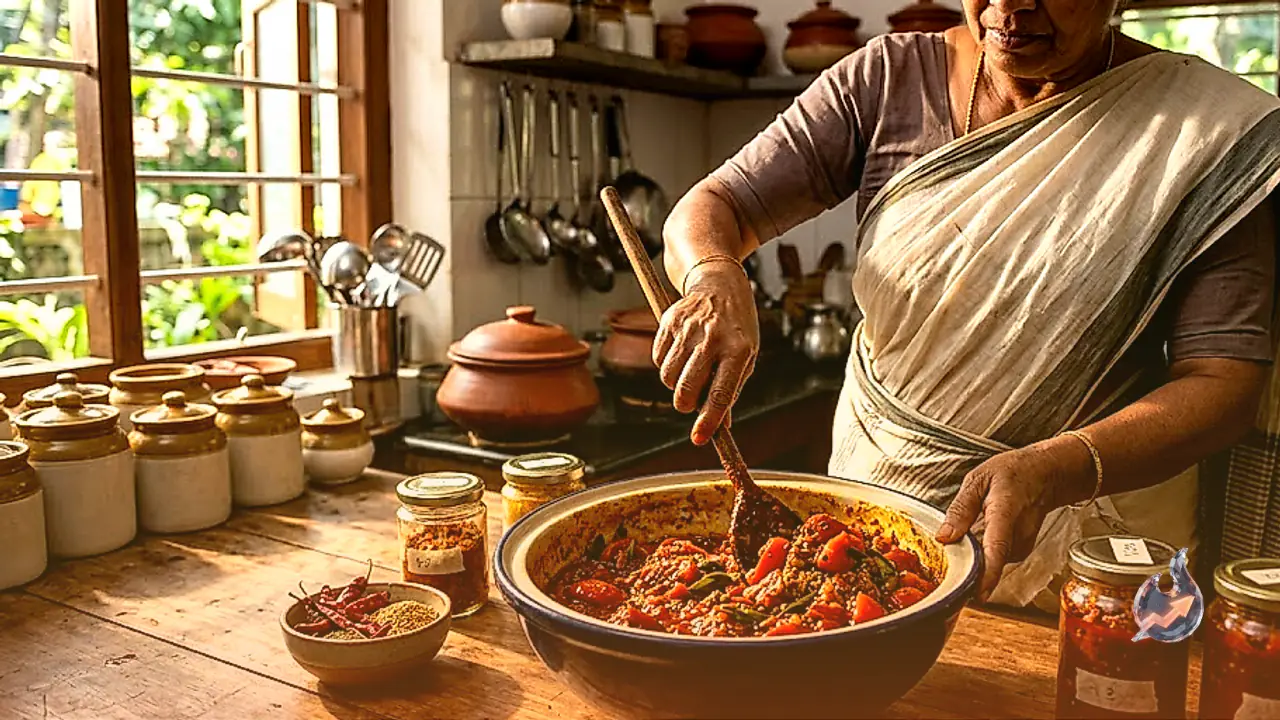
























While curries, stir-fries, and mashed preparations are everyday staples across Indian kitchens, transforming brinjal into a spicy, traditional pickle remains an uncommon domestic delicacy. Commercial versions of eggplant pickle are virtually absent from market shelves, and home cooks often view the preparation as challenging due to the vegetable's high water content. Moisture is the primary catalyst for bacterial spoilage in pickled goods, causing raw brinjal to spoil rapidly if preserved incorrectly. Nevertheless, following a precise moisture-reduction technique allows anyone to craft an aromatic and deeply flavorful pickle directly on a home stovetop.
Managing Moisture and Drying under Sunlight
Preparing brinjal pickle demands more patience and methodical handling than curing conventional mango or lime varieties. Because the vegetable's flesh holds substantial liquid, extracting this fluid completely before curing in oil is an indispensable safety measure. The pieces must be salted and subsequently spread under direct sunlight for several hours to dehydrate their outer layers. Although this multi-phase preparation requires careful effort, the resulting depth of spice and tangy bite elevates any ordinary meal. Crucially, this is a short-cycle pickle rather than a long-term preserve, intended to be made in modest quantities and consumed within 15 to 20 days.
Initial Prep and Extracting Water Content
Culinary specialist Nisha Saini explains that keeping batch sizes modest ensures optimal quality and prevents premature deterioration. The recipe accommodates both round and elongated brinjal cultivars equally well. The process begins with thoroughly washing firm vegetables and dicing them into bite-sized segments. Once chopped, toss the pieces with turmeric and salt, allowing them to rest undisturbed for roughly 5 to 6 hours. During this resting period, the salt pulls out latent juices via osmosis, expelling the water that would otherwise trigger mold growth and ruin the preserving oil balance.
Tempering Aromatics and Blending Roasted Spices
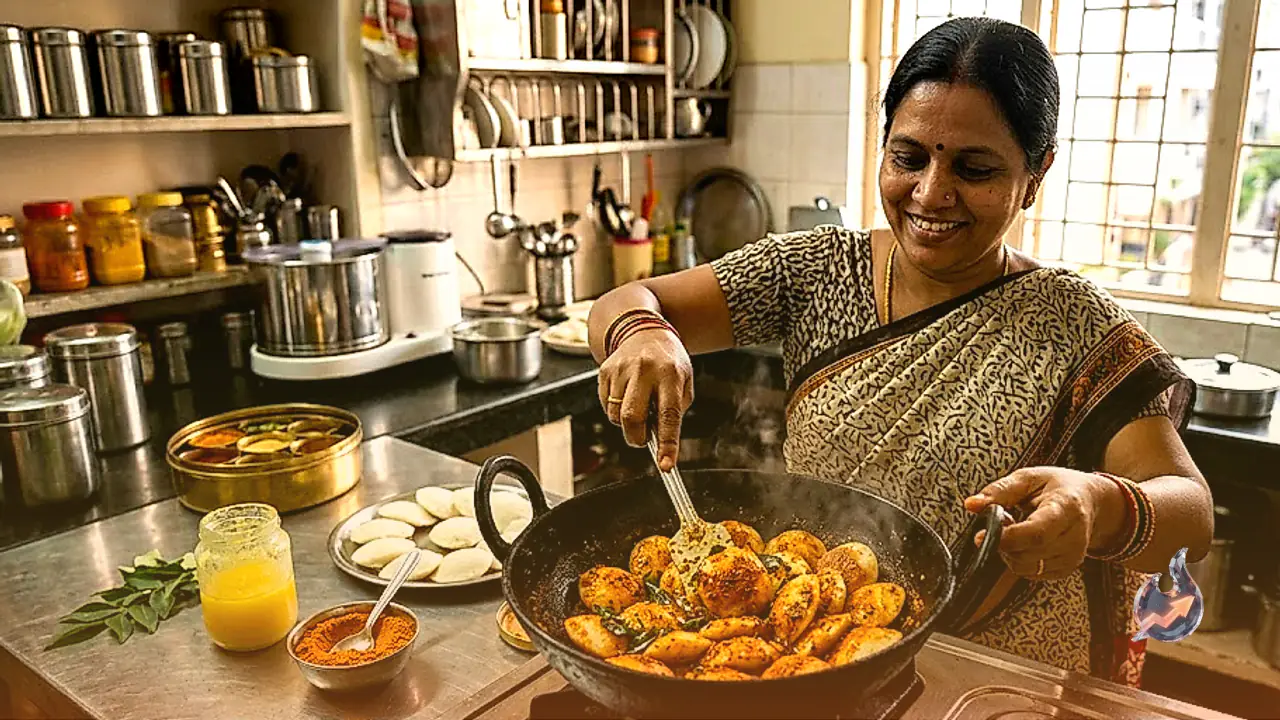
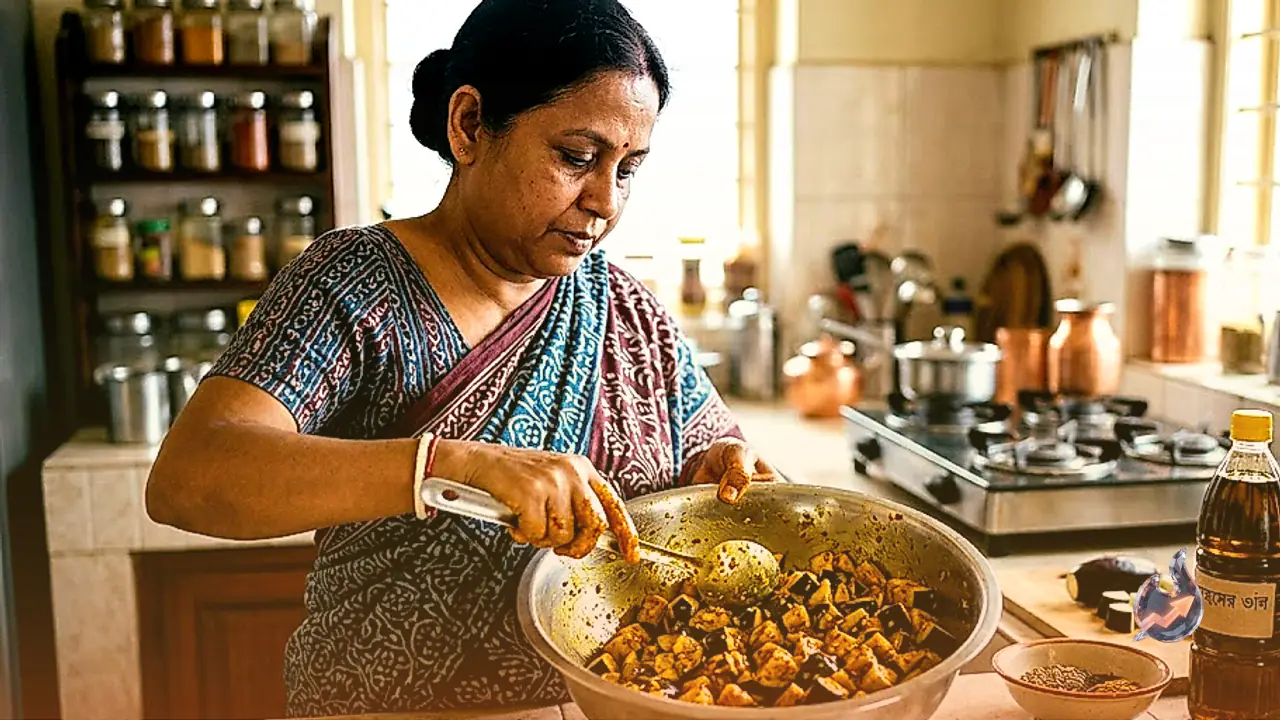
After the resting window, spread the drained brinjal segments under clear sunlight until their surface turns dry to the touch. The spice base relies on a fragrant blend featuring yellow mustard seeds, fennel, fenugreek, coriander, red chili, and turmeric. In a cooking vessel, bring pure mustard oil to heat, allow mustard seeds to crackle, and introduce minced green chilies, peeled garlic cloves, and sliced ginger. Sauté these fresh aromatics for approximately 2 minutes until their essential oils infuse the base. Next, introduce the sun-dried brinjal chunks and stir-fry them briskly for around 1 minute to coat every piece evenly.
Jarring the Preserve for Immediate Serving
As soon as the brinjal pieces are tossed in the flavored oil, shut off the flame to keep the vegetable from turning overly mushy. With the heat off, stir in the ground pickling spice mixture and toss thoroughly so the aromatics cling to every segment. Adjust the salt according to personal taste preferences, then leave the pan aside until the mixture cools down entirely to room temperature. Once cold, transfer the pickle into a spotless, dry glass jar with an airtight lid. This freshly prepared brinjal pickle is ready to enjoy immediately with hot parathas or steamed rice without requiring days of fermentation.